
121. Acrylic Paint
Expires In: 5-10 years after opening, 10+ years if sealed and unopened
Average Price: $1-$6 per tube*
The paint quality and how well the paint is stored will determine how long acrylic paint lasts. The shelf life of this paint after opening is, generally, between five and ten years. You’ll know when acrylic paint has expired, as it will likely have an aged, sour smell that is the result of excess moisture.

Acrylic Paint ©Superlime/Shutterstock
If the paint isn’t stored in a cool, dry place, you’ll smell that damp well before the expiration date passes. If the tube is sealed and unopened, it can last as much as ten or more years, assuming it is high-quality and stored correctly in a cool, dark, dry place.
122. Acrylic Nail Powder
Expires In: 12-18 months
Average Price: $30-$50*
Professional nail salons often use acrylic nail powder as an alternative option for guests who want something different from the usual paint. The powdered polymer in this solution is polymethyl methacrylate, which produced a hard, sturdy, inflexible acrylic that will make your manicure or pedicure last for a long time.

Acrylic Nail Powder ©Svitlana Hrabova/Shutterstock
Though not widely available for individual use (some brands only sell to salons), if you do manage to get your hands on some, the powder lasts between twelve and eighteen months (Nails Magazine). Make sure your store the powder in a room temperature area, as too-cold or too-hot temps will damage the product.
123. Water Filters
Expires In: 6 months – 1 year
Average Price: $20-$50*
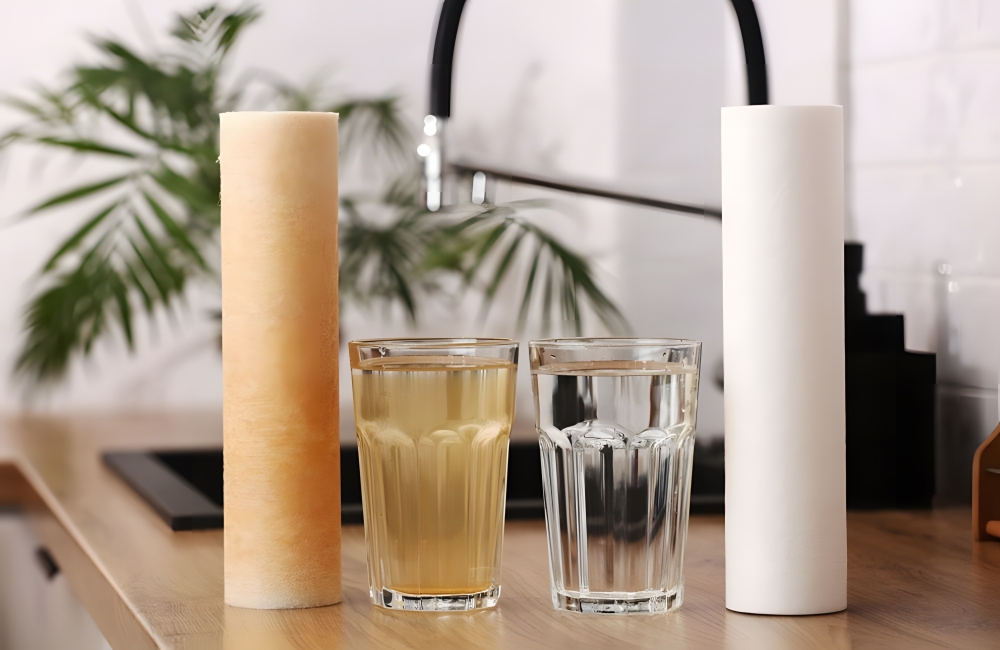
Water filters, the unsung heroes in our quest for pure, tasty water, often don’t get the attention they deserve. Introduced around the 1950s as a household staple, these filters have been silently guarding our health. They usually last between 6 months to a year, depending on usage.
Water Filters ©Andrii Medvediuk/Shutterstock
But, here’s the twist: Over time, these filters can become a breeding ground for bacteria and mold. Imagine, the very item ensuring your water’s purity turning against you! So, mark your calendar for a replacement date to keep your water fresh and your health in check. Remember, it’s not just a filter, it’s your health’s first line of defense!
124. Baby Bottles
Expires In: 3-5 years
Average Price: $5-$15*
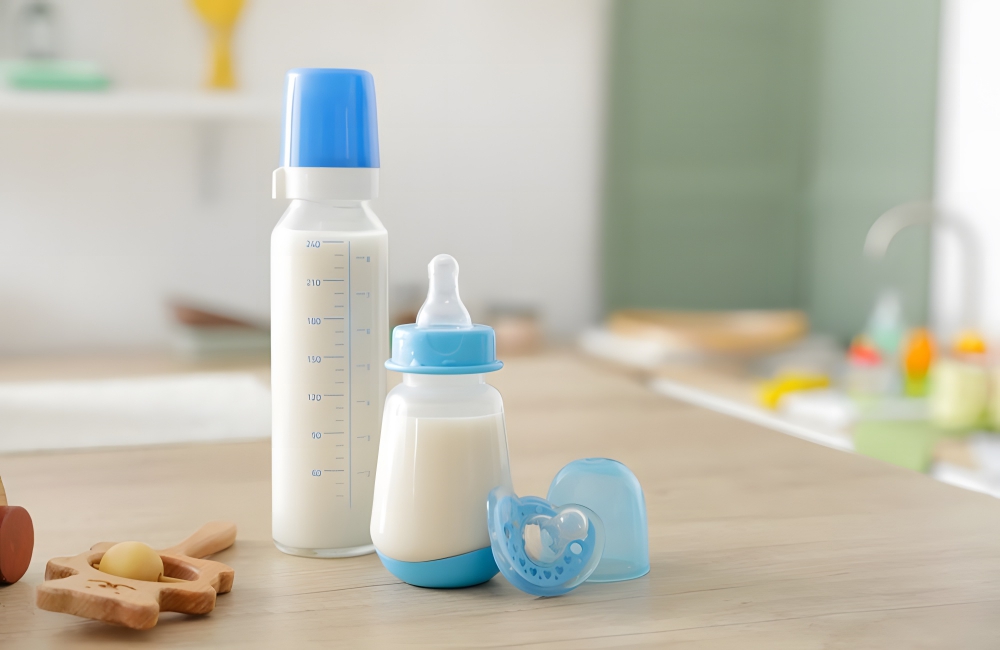
Baby bottles, those tiny vessels of nourishment, have been a staple in infant care since the 19th century. Typically, they’re good for about 3 to 5 years. However, they’re not just about durability; safety is key. Over time, baby bottles can develop micro-scratches – a haven for bacteria.
Baby Bottles ©Pixel-Shot/Shutterstock
Also, frequent sterilization and exposure to various temperatures can degrade the material, potentially leaching chemicals. So, while they might look okay on the outside, it’s what’s invisible that matters. Keeping an eye on their lifespan ensures that feeding time remains a safe, cuddly affair.
125. Garden Hose
Expires In: 5-10 years
Average Price: $15-$80*
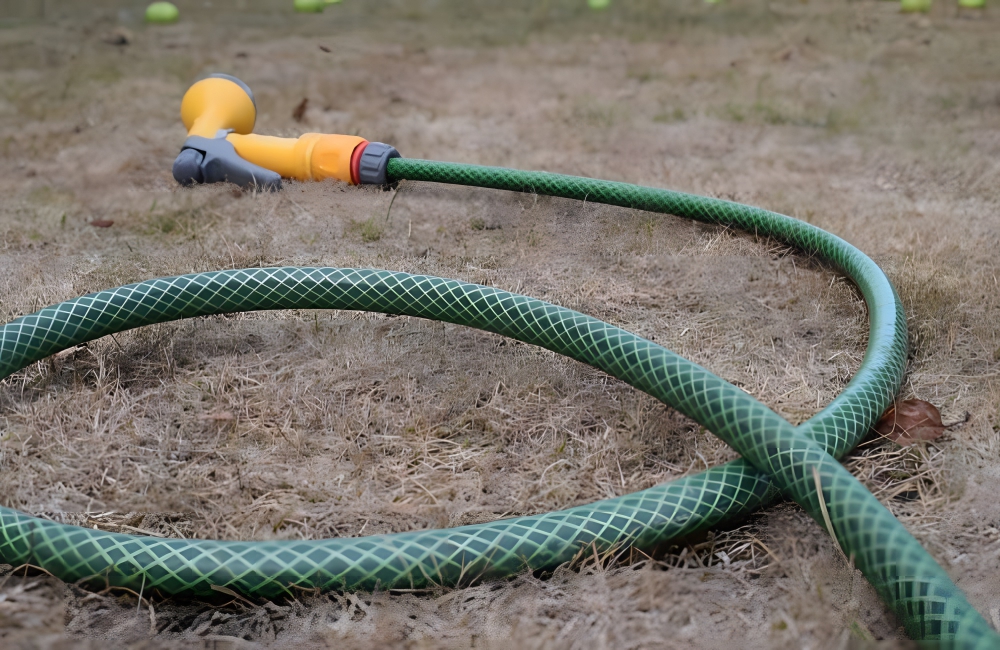
Garden hoses, our flexible friends in the garden, date back to the early 17th century. Surprisingly, they have a lifespan of 5 to 10 years. Yet, it’s not all about watering plants. Aged hoses can leach chemicals and break down, especially those exposed to the sun and elements.
Garden Hose ©Elenitsa/Shutterstock
This wear can lead to leaks, reducing water efficiency. Plus, a degraded hose might be secretly harboring mold and bacteria. So, while you’re nurturing your garden, make sure your hose isn’t secretly plotting against you. A timely replacement can mean the difference between a flourishing garden and a faltering one.
126. Non-stick Cookware
Expires In: 3-5 years
Average Price: $20-$150*
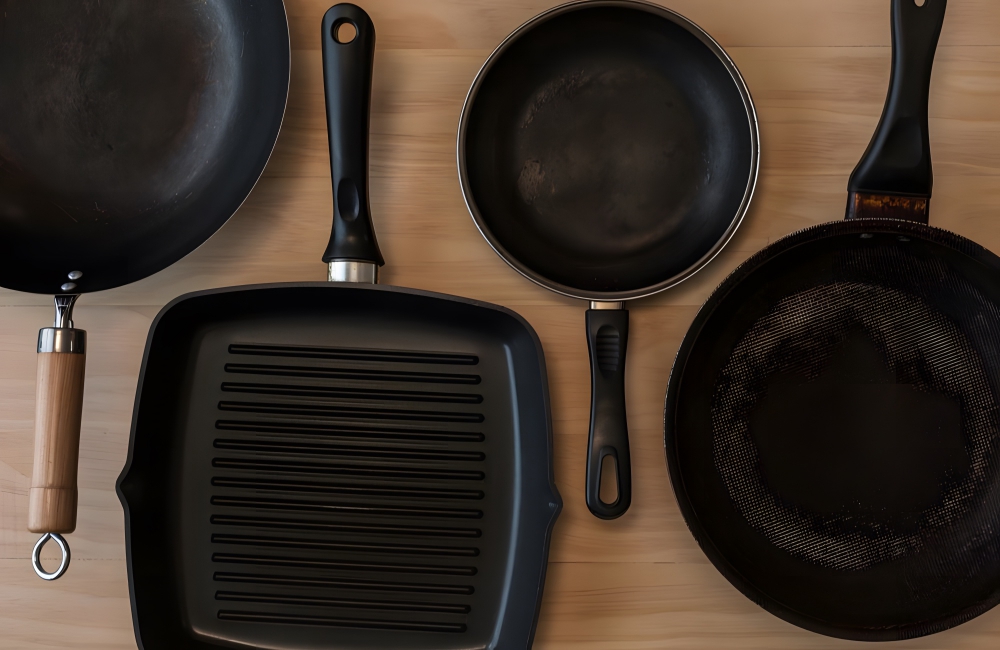
Ever since non-stick cookware slid into our kitchens in the mid-20th century, it’s been a game changer for cooks everywhere. But did you know their non-stick magic lasts only about 3 to 5 years? Over time, the coating can start to flake and scratch, especially if you’re using metal utensils (a big no-no). This not only affects its non-stick properties but can also mix unwanted chemicals into your culinary masterpieces.
Non-stick Cookware ©Naruedom Yaempongsa/Shutterstock
To keep your cooking safe and slick, remember to replace these pans before they start sticking around for too long. After all, a good pan is the secret ingredient to those perfect pancakes!
127. Thermometers
Expires In: 3-5 years (digital)
Average Price: $5-$50*
Digital thermometers, a modern twist on the age-old temperature-taking, typically have a shelf life of 3 to 5 years. These little gadgets have been revolutionizing fever detection since the late 20th century. However, over time, their sensors can start to drift, leading to less accurate readings.
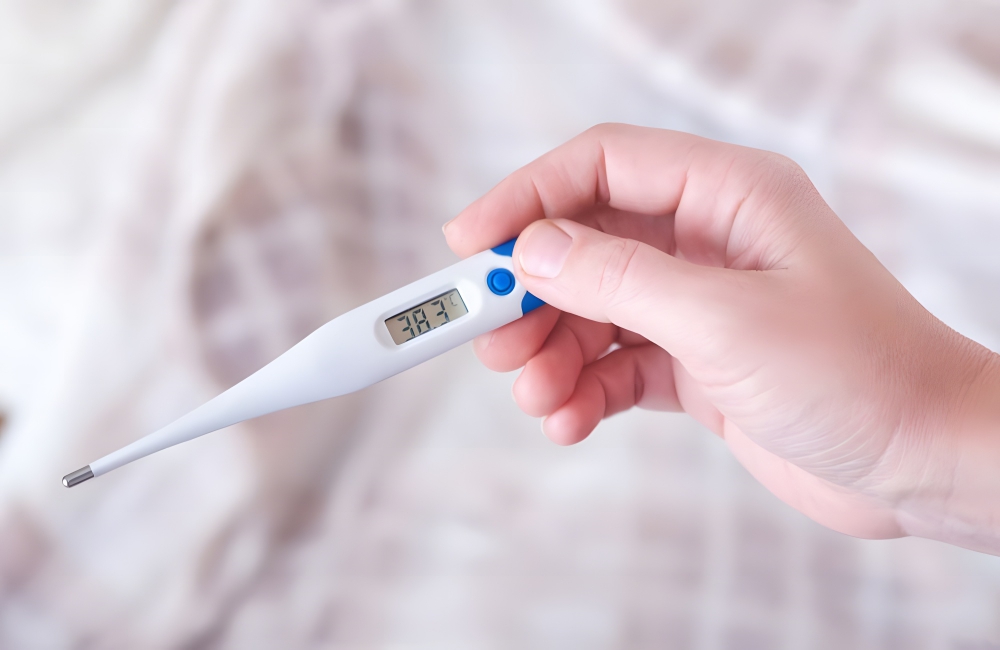
Thermometers ©Denis Prokofev/Shutterstock
This is critical because when it comes to health, every degree matters. Plus, worn-out batteries can also affect their performance. So, to ensure you’re not misreading your body’s signals, it’s wise to keep an eye on your thermometer’s age. After all, in health matters, accuracy is non-negotiable!
128. Flashlights
Expires In: 5-7 years
Average Price: $10-$100*
Flashlights, our trusty beams of light in the dark, have been illuminating paths since the late 19th century. Typically, they last between 5 to 7 years. However, it’s not just about the outer casing; the inner workings matter too. Over time, the LED efficiency can diminish, and battery compartments might corrode, especially if batteries are left inside for too long.
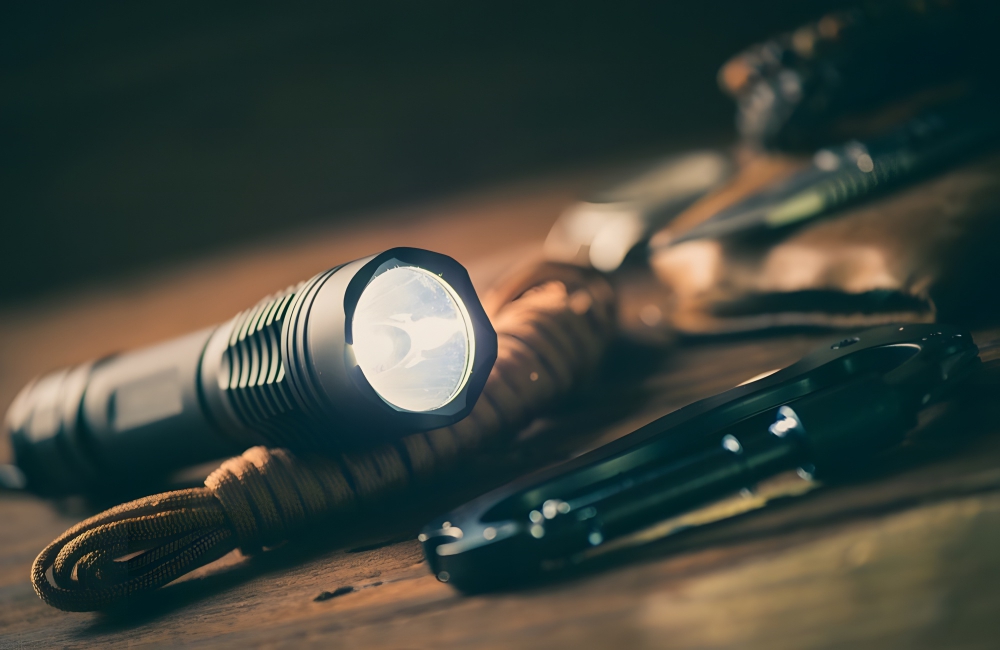
Flashlights ©Nor Gal/Shutterstock
A dimming flashlight or one that fails in an emergency is more than an inconvenience; it’s a safety hazard. So, keep your flashlight in check, because when the lights go out, it’s your shining knight!
129. Canned Foods
Expires In: 1-4 years
Average Price: $1-$5*
Canned foods, a staple since the early 19th century for their long shelf life, typically remain good for 1 to 4 years. But here’s the catch – they’re not immortal. The integrity of the can and the food inside can deteriorate over time, especially in fluctuating temperatures.

Canned Foods ©BearFotos/Shutterstock
A dented or rusting can is a red flag, potentially leading to food spoilage or contamination. So, while stocking up on canned goods is a great idea, remember to rotate your stock and keep an eye on those expiration dates. It’s all about enjoying the convenience without compromising on safety.
130. Luggage
Expires In: 5-6 years
Average Price: $50-$300*
Luggage, our trusty travel companions, have been wheeling alongside us since the 1850s. Typically, their lifespan ranges from 5 to 6 years. But this isn’t just about zippers and handles. Over time, the fabric can wear, wheels may wobble, and handles might loosen – turning your travel into a tiresome task.

Luggage ©Have a nice day Photo/Shutterstock
Exposure to rough handling and varied climates also takes its toll. So, if you want your journeys to be smooth and your belongings secure, keep an eye on your luggage’s condition. After all, a dependable suitcase is part of every great adventure!
131. Blenders
Expires In: 5-8 years
Average Price: $30-$500*
Blenders are a kitchen must-have for smoothies and sauces, but they don’t blend smoothly indefinitely. Typically, a good blender lasts about 5-8 years. The lifespan varies based on the motor strength, blade sharpness, and frequency of use. Over time, blades can become dull, and motors may lose power, reducing blending efficiency.
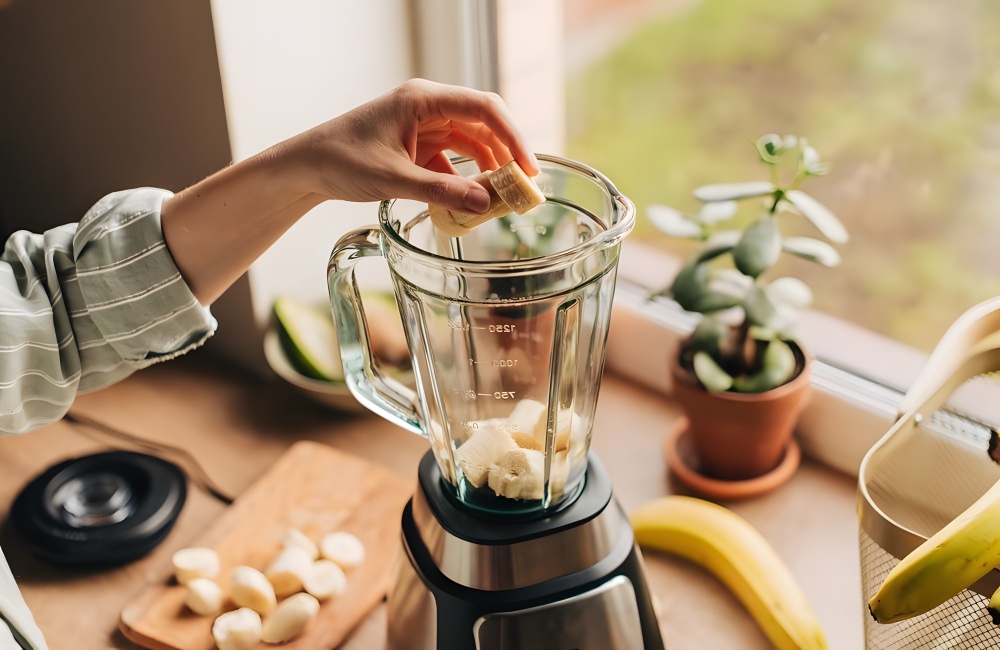
Blenders ©ovchinnikova_ksenya/Shutterstock
Regular cleaning and avoiding overloading can help prolong your blender’s life. However, if you start noticing a decline in performance, such as longer blending times or inconsistent textures, it might be time to invest in a new machine to keep your culinary creations top-notch.
132. Planting Seeds
Expires In: 1-5 years
Average Price: $1-$20*
Think about the last time you rummaged through that old packet of seeds, wondering if they’re still good to plant. Seeds, those tiny miracles in a gardener’s world, come with a ticking clock. While they can last from 1 to 5 years, their superpower to sprout diminishes over time.
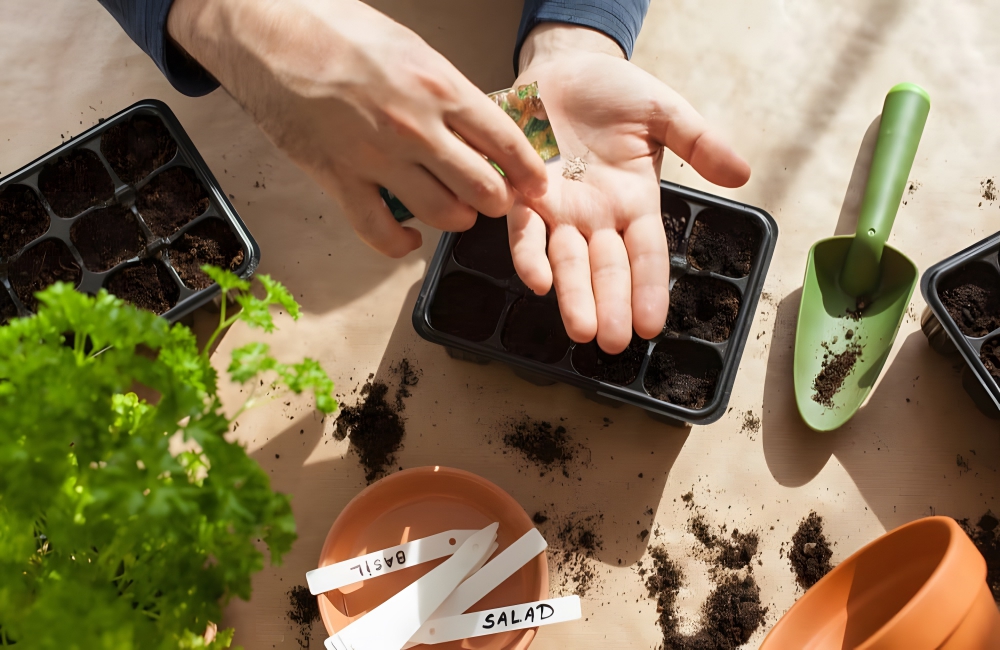
Planting Seeds ©Olga Miltsova/Shutterstock
Why? Because seeds are alive, albeit in a deep slumber. If they’re stored in a hot, humid place, they might just decide to retire early. The key is cool, dry storage. So, before you plan your garden masterpiece, do a quick germination test. After all, no one likes a garden full of promises without blooms!
133. Sleeping Bags
Expires In: 10-15 years
Average Price: $20-$300*
Ever thought about the age of your trusty sleeping bag, curled up in the corner of your closet? These cozy cocoons, our guardians against the chilly nights under the stars, have a shelf life of 10 to 15 years. Over time, the insulation gets tired, and the fabric may grow weary. And a sleeping bag past its prime? It’s like a blanket with a cold.

Sleeping Bags ©Sotnikov Misha/Shutterstock
Proper care, like airing it out after each adventure and storing it uncompressed, can make it last. But remember, a sleeping bag that’s lost its puff is like a hug without warmth. Keep it fresh for those magical nights by the campfire!
134. Chopping Boards
Expires In: 1-5 years
Average Price: $5-$50*
Chopping boards generally last between 1 to 5 years. These indispensable tools have been aiding cooks since time immemorial. However, over time, they start showing wear and tear. The more you chop, slice, and dice, the more grooves develop, becoming a haven for bacteria. Plastic boards can develop deep scratches, while wooden ones can crack or warp.

Chopping Boards ©Candice Bell/Shutterstock
To ensure food safety and hygiene, it’s vital to monitor their condition and replace them when they start showing too much character. After all, a smooth board is the cornerstone of culinary masterpieces!
135. Extension Cords
Expires In: 5-7 years
Average Price: $10-$100*
Extension cords, often the unsung saviors in our need for power, have a typical lifespan of 5 to 7 years. These versatile cables became widely used in homes in the 20th century. Despite their robust appearance, they can become fire hazards over time. Frequent bending and unplugging can wear out the cords, and damaged insulation can lead to dangerous situations.
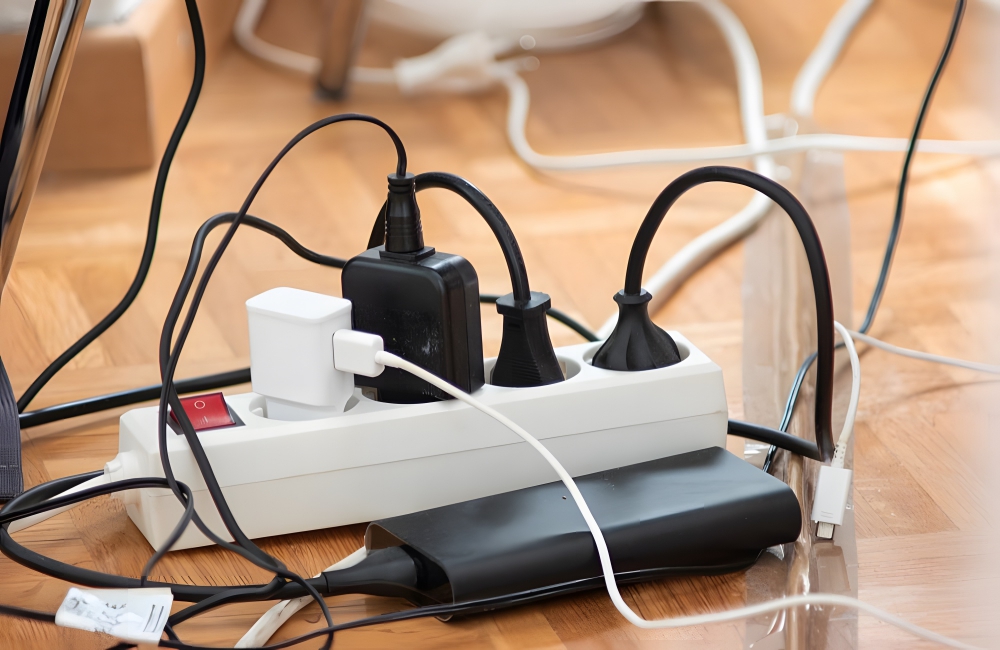
Extension Cords ©Octavian Lazar/Shutterstock
To prevent potential mishaps, it’s crucial to check for any signs of wear or damage regularly. Remember, when it comes to electricity, safety comes first – a well-maintained extension cord is more than just a convenience; it’s a guard against unseen dangers.