
201. Don’t Dress Pruning Wounds
Materials needed: N/A
Cost To Make: N/A
You might have heard of this trick before, and we’re here to bust this myth for you, if it hasn’t been busted already. You do not want to apply wound dressing or paint to pruning wounds, as this actually harms the tree.
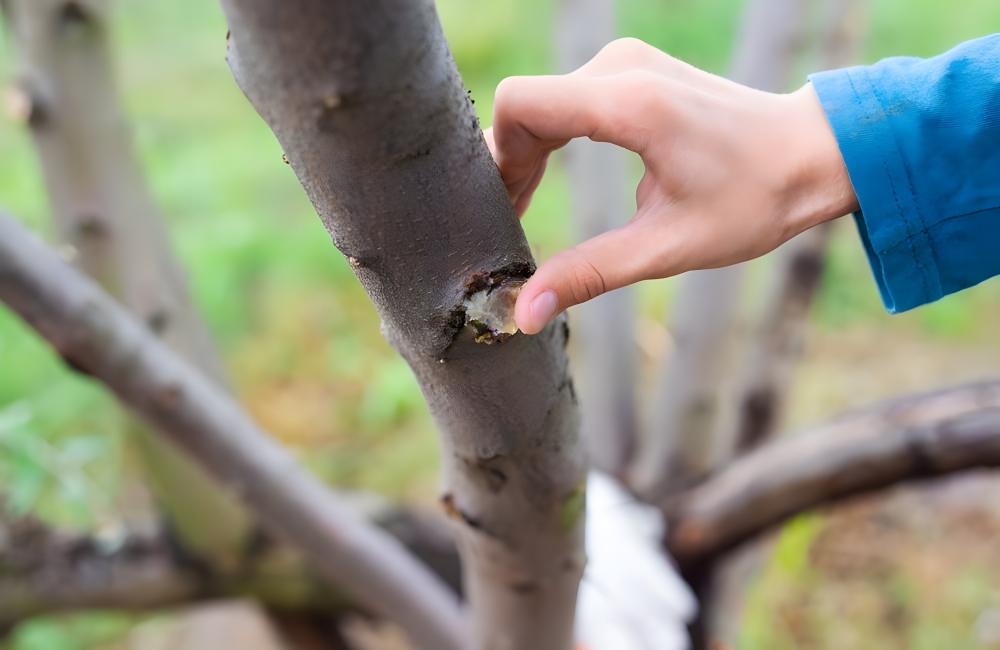
Don’t Dress Pruning Wounds ©Natalia Kokhanova / Shutterstock.com
It won’t prevent the wood from decaying. Instead, it interferes with a tree’s natural, self-healing wound response. Wound dressings seal in decay and moisture, which can lead to rot growth and insect infestation. Let prune wounds heal on their own.
202. How To Keep Cats Out Of Your Garden
Materials needed: Rue, lavender, or pennyroyal seeds
Cost To Make: $5-$10*
Cats are enjoyable little furballs, but they love getting into things they aren’t supposed to. If pesky cats keep coming into your garden and messing around, there is a nontoxic way to get rid of them through odor.
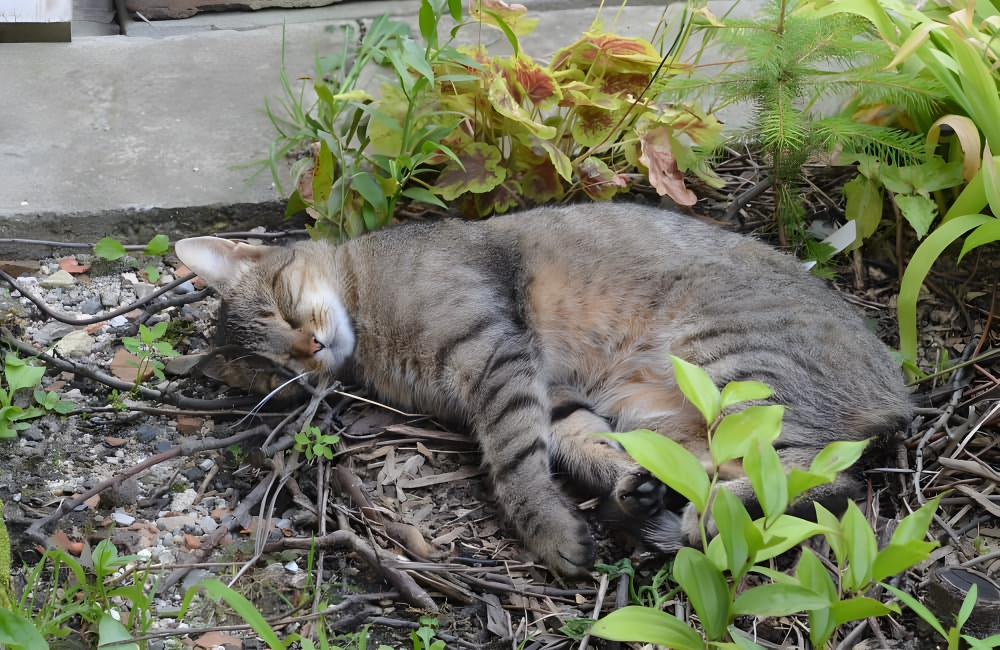
How To Keep Cats Out Of Your Garden ©Aleksandr Naumenko / Shutterstock.com
Cats do not like the smell of pennyroyal, lavender, or rue, nor do they like lemon thyme or Coleus canina. Intersperse these throughout the garden to ward off curious cats. If you have some really stubborn felines, you can even invest in an ultrasonic deterrent.
203. A Comfrey Brew Keeps Weeds Away
Materials needed: Comfrey, tub of water, sunlight
Cost To Make: $12-$13 per pack of seeds*
According to Natural Living Ideas, comfrey can be used in a brew to make a fertilizer. You might already grow this herb in your garden, as ointments made from comfrey have been used in traditional medicine to ease the pain of injuries and arthritis.
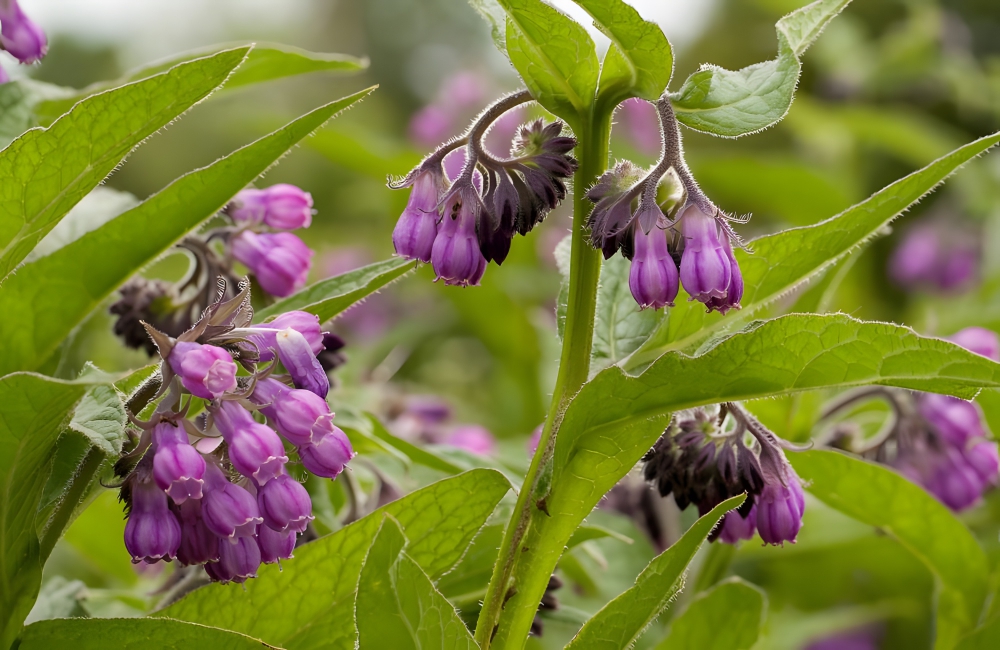
A Comfrey Brew Keeps Weeds Away ©guppyss / Shutterstock.com
Take comfrey and place it into a tub full of water. Leave it to soak in the sunlight for two or three days. Then, take this green, nitrogen-rich tea and use it as a foliar spray or fertilizer. Note: don’t drink it, as comfrey, when ingested, can cause liver damage.
204. Mimosa Trees Will Take Over Your Neighborhood
Materials needed: N/A
Cost To Make: N/A
Mimosa trees are beautiful, with showy pink flowers that look romantic and exotic. Though they are lovely, you won’t exactly get love in return from your neighbors. Mimosa trees are extremely invasive.

Mimosa Trees Will Take Over Your Neighborhood ©Marina VN / Shutterstock.com
They can spread seedlings not only throughout your yard but also throughout your entire neighborhood. Once these trees have taken hold, they are nearly impossible to vanquish without serious professional help.
205. Use Pool Noodles To Soften Edges In Your Garden
Materials needed: Pool noodles
Cost To Make: $1-$5 apiece*
Though pool noodles might seem like standard summer equipment used for a day of fun in the sun, these floaties actually have quite a few uses in your garden. For example, you can use it for your tomatoes and other climbing plants, as the pool noodles can be placed over and around the edges of the trellis to make them softer.
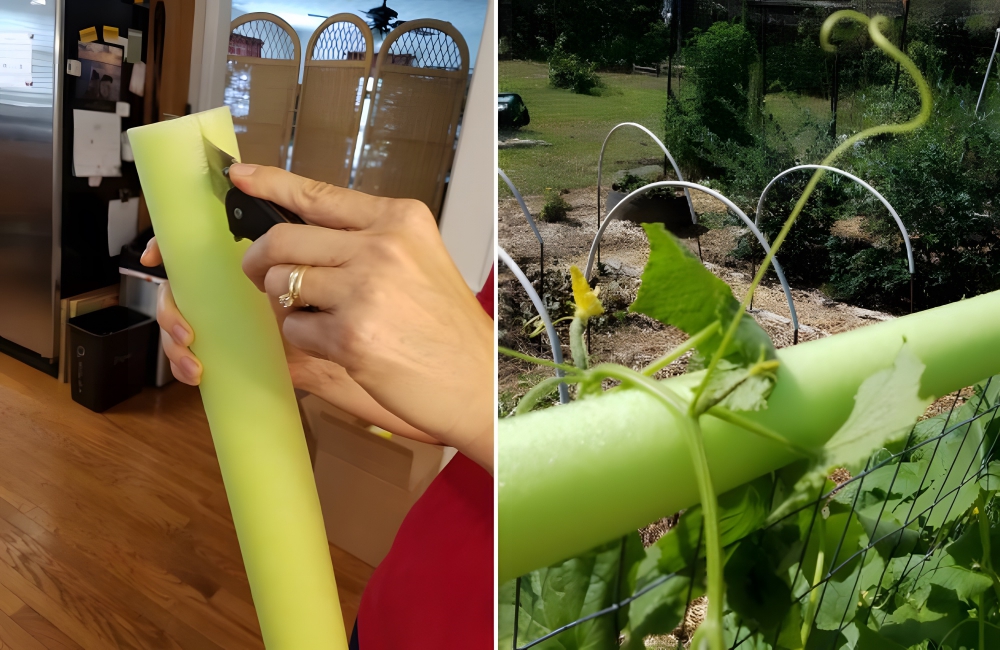
Pool Noodle@thriftycouple/Pinterest
Really, you can use pool noodles to soften any edges in your garden, be they from chicken wire, fences, or other trellises. Pool noodles cost only a few bucks (especially if you get them at the dollar store), and they can be cut and resized easily with sharp scissors.
206. Aluminum Foil Pest Deterrent
Materials Needed: Aluminum foil
Cost to Make: $1.00*
If you are a gardener, you must know that dealing with pests can be a real headache. It is tricky to find a solution that is effective but doesn’t harm the environment or the other critters in your garden. Don’t worry! Aluminum foil is the savior. You have probably got some in your kitchen right now. The hack is to wrap some aluminum foil around the base of your plants. The shine from the foil is something pests don’t like. It confuses them, scares them off, and makes your garden a place they would rather avoid.
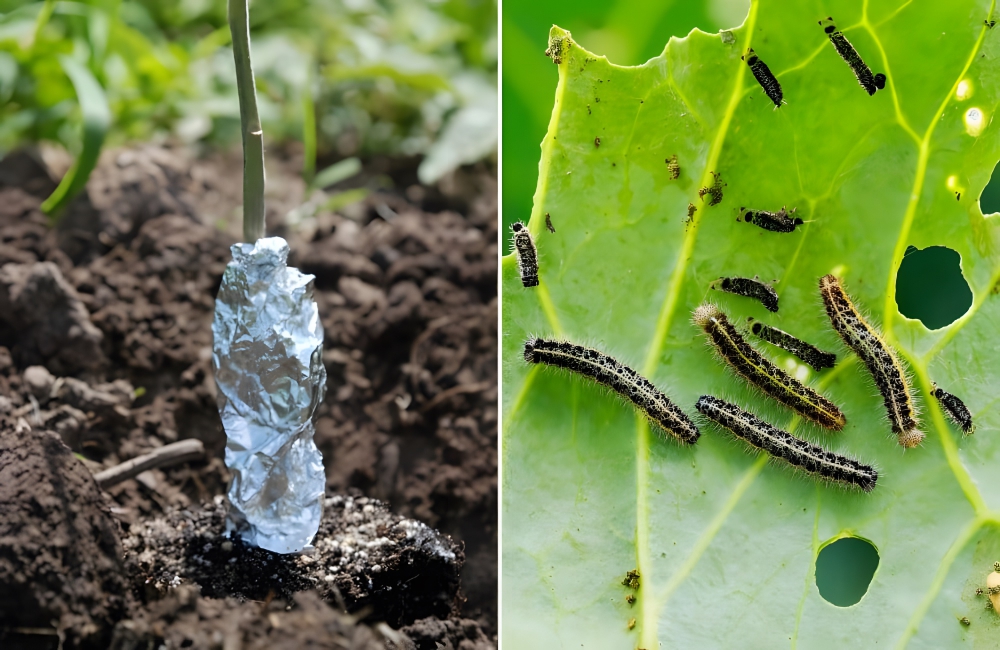
Aluminum Foil Pest Deterrent ©r/Showerthoughts/reddit | ©nataba/stock.adobe.com
And the best part is that this is a low-cost, eco-friendly way to deal with pests. You won’t have to stress over harmful chemicals or pricey pest control options. For only $2.50, the cost of a roll of aluminum foil, you can keep your plants safe and your garden flourishing.
207. Homemade Compost Bin
Materials Needed: Old trash bin
Cost to Make: $0 (if you have an old bin)*
Creating your compost is a way to reduce kitchen waste and an excellent method to provide nutrient-rich soil for your plants. You can make a compost bin from an old trash bin, making it an affordable and sustainable way to boost your garden’s productivity. Drill a few holes around the bin for aeration, fill it with organic waste like fruit peels, vegetable scraps, coffee grounds, and yard waste, and let nature do its work.
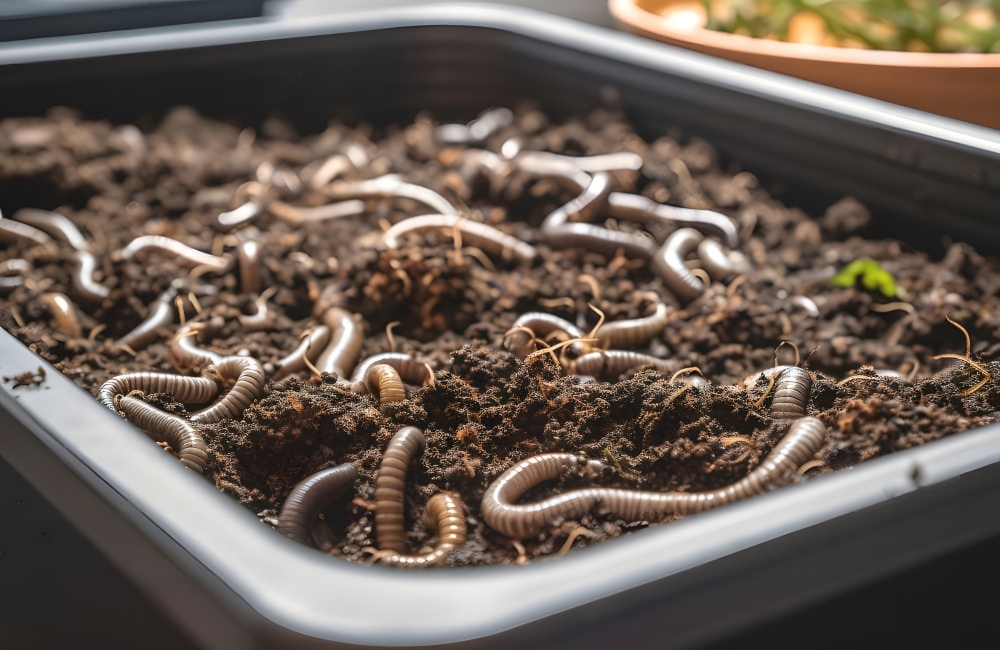
Homemade Compost Bin ©Daria17/stock.adobe.com
Over time, the organic material will decompose into a rich, earthy compost that your plants will love. For a one-time cost of around $20 for a suitable bin (if you don’t already have an old one), you’ll have an ongoing supply of free, high-quality compost. Not to mention the satisfaction of knowing you’re reducing waste and helping the environment.
208. Broken Pot Fairy Garden
Materials Needed: Broken terracotta pots
Cost to Make: $15.00 (Varies based on accessories purchased)*
A broken terracotta pot might seem like garbage, but it can be transformed into a magical fairy garden with some creativity. These enchanting miniature gardens add a touch of whimsy and beauty to any garden space. Start with a broken pot (or deliberately break one, safely, of course) and fill it with soil. Arrange the broken pieces in the pot to create little terraces or staircases. Then, plant various small plants, like succulents or moss, and add mini decorations, like a tiny house, a little bench, or figurines.
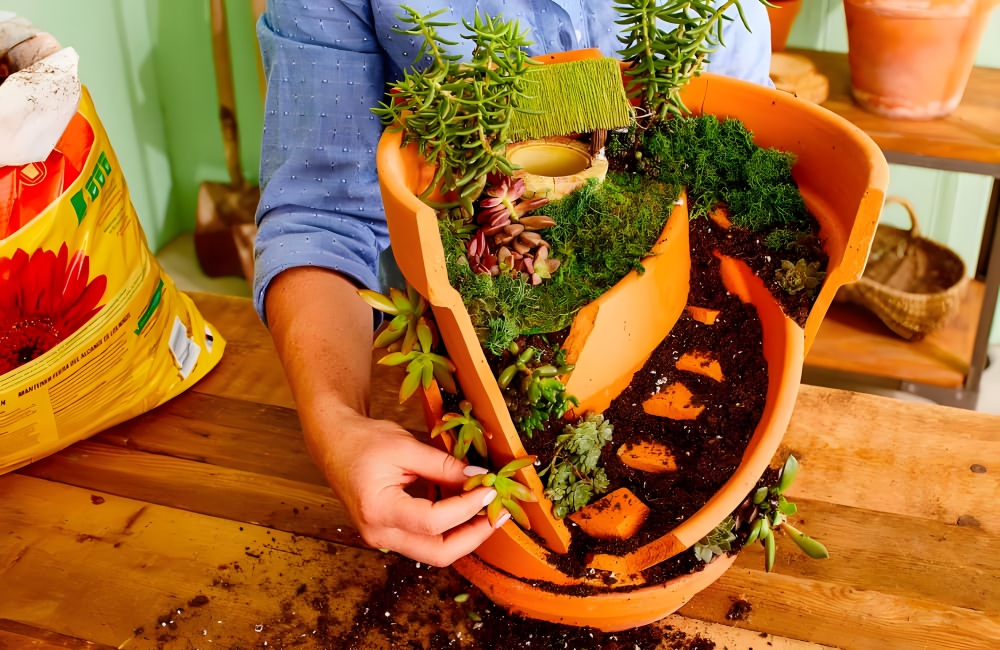
Broken Pot Fairy Garden @bhg/Pinterest
The cost of setting up a fairy garden will vary, but it can be done for as little as $15 if you already have a broken pot. The result is a beautiful, unique garden feature that will spark conversations and inspire smiles.
212. Aquarium Water Irrigation
Materials Needed: Fish tank water
Cost to Make: $0.00* (if you own a fish tank)
If you own a fish tank, you have a source of nutrient-rich water right at your fingertips. Fish waste contains vital nutrients like nitrogen and phosphorus, which is essential for plants to grow.

Aquarium Water Irrigation ©Naletova/stock.adobe.com
Whenever it is time to change the water in your fish tank, don’t just pour it down the drain. Instead, use it to water your plants. They will benefit from the nutrients, and you will be reducing water waste. This gardening hack will only cost you nothing if you own a fish tank and must change the water regularly. Using fish tank water to water your plants is a great way to reduce water waste and give your plants a boost of nutrients.
213. Vertical Pallet Garden
Materials Needed: Old pallet, landscaping fabric, staple gun, potting soil, and plants
Cost to Make: $10-$20* (varies based on plants purchased)
A vertical pallet garden is an innovative and stylish solution if space is a concern. Old wooden pallets can often be obtained for free from businesses looking to get rid of them. Filled with soil and plants, these pallets can be hung against a wall or fence, creating a living wall of greenery.
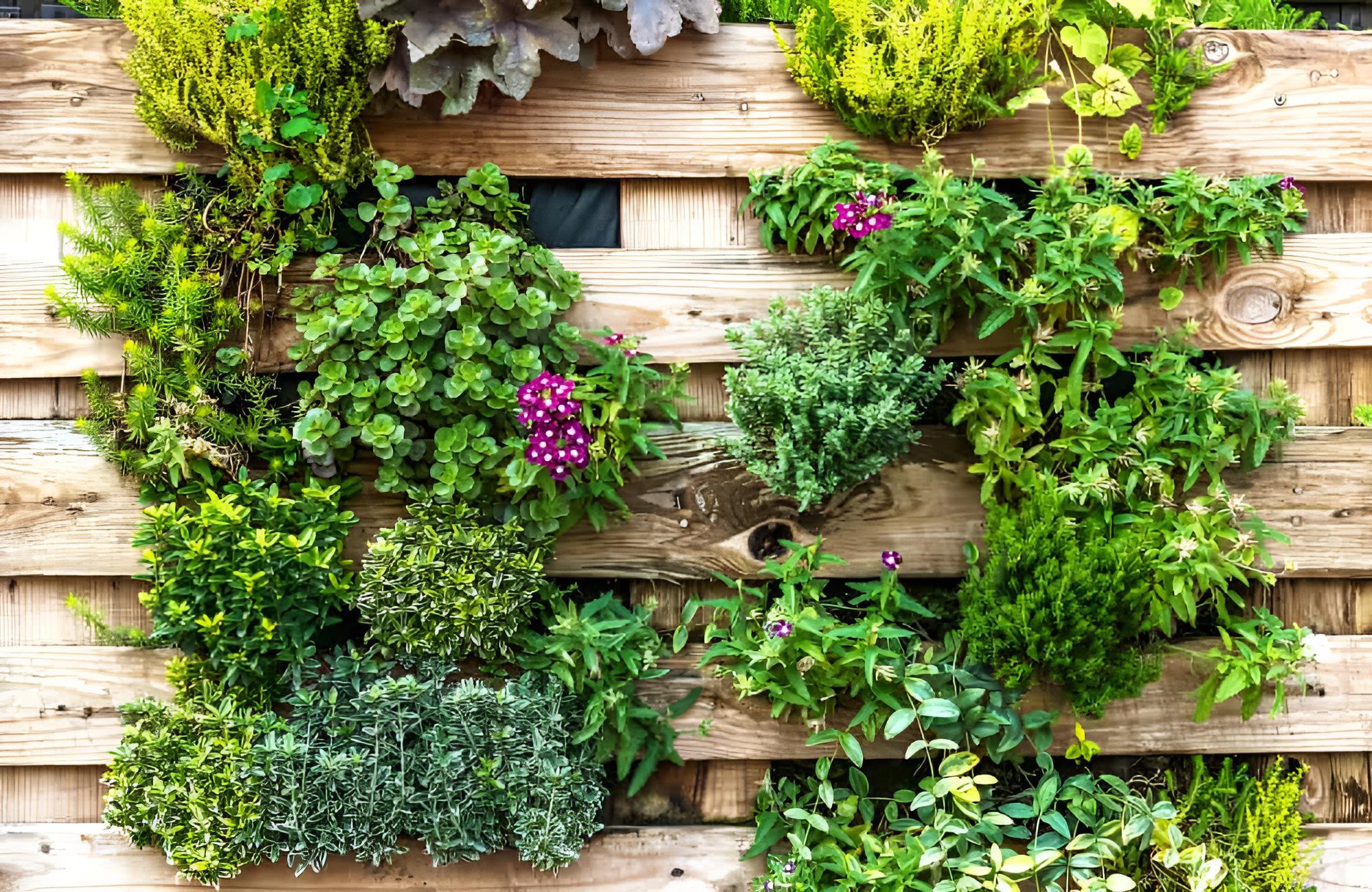
Vertical Pallet Garden ©Anna Baburkina/stock.adobe.com
Perfect for growing herbs, strawberries, or decorative flowers, a vertical garden adds height and interest to your gardening space. The only thing you will have to spend money on for this project is the soil and the plants. You can get these for around $10, depending on what you decide to grow. If you are short on space but still want to garden, give the vertical pallet garden a go. It’s trendy, easy on the pocket, and super handy.
214. Juice Carton Watering Can
Materials Needed: Old juice carton
Cost to Make: $3.00*
Turning an old juice carton into a useful watering can is a clever and efficient method of recycling. Once you have finished the juice, give the carton a good clean. Next, grab a sharp tool and puncture some holes in the lid. Now, fill up the carton with water, put the lid back on, and you’ve got yourself a DIY watering can.
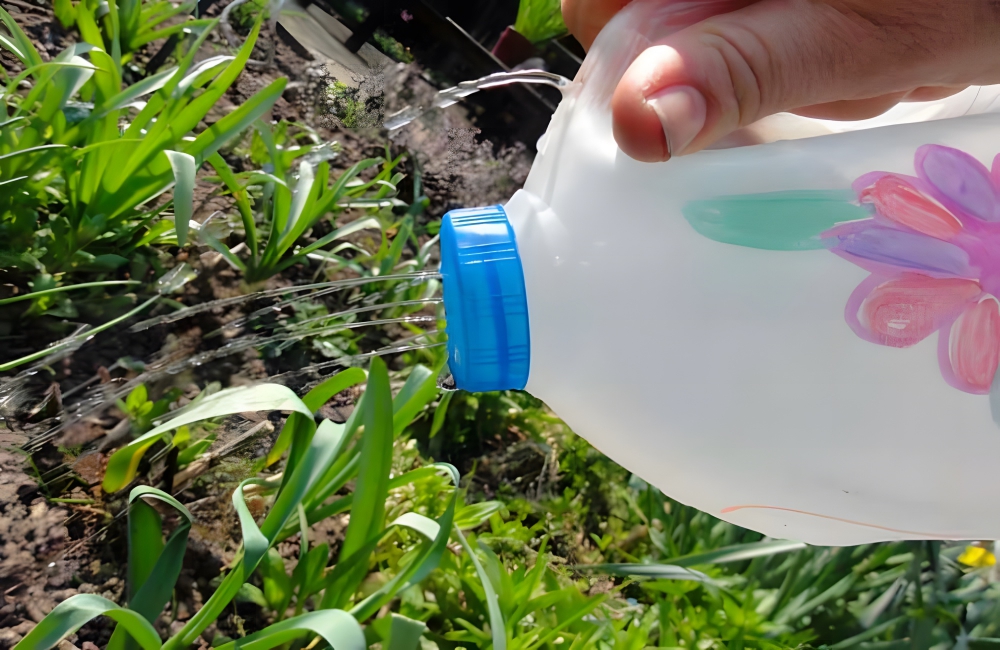
Juice Carton Watering Can @rhshome/Pinterest
The beauty of this watering can is that it’s light and easy to handle. And the cherry on top? This won’t cost you a penny if you already have a juice carton at home. It is a brilliant, cost-effective method to not only cater to your garden’s needs but also to reduce waste.
215. Old T-shirt Plant Ties
Materials Needed: Old T-shirts
Cost to Make: $0*
Old t-shirts gathering dust in your closet can find a new purpose in your garden as plant ties. These ties are an essential gardening tool to fasten plants to stakes or trellises. Instead of purchasing new ones, you can easily make your own by cutting an old t-shirt into strips. These DIY plant ties are soft and flexible, perfect for handling your precious plants. They can withstand the weight of hefty plants like tomatoes and won’t harm their tender stems.
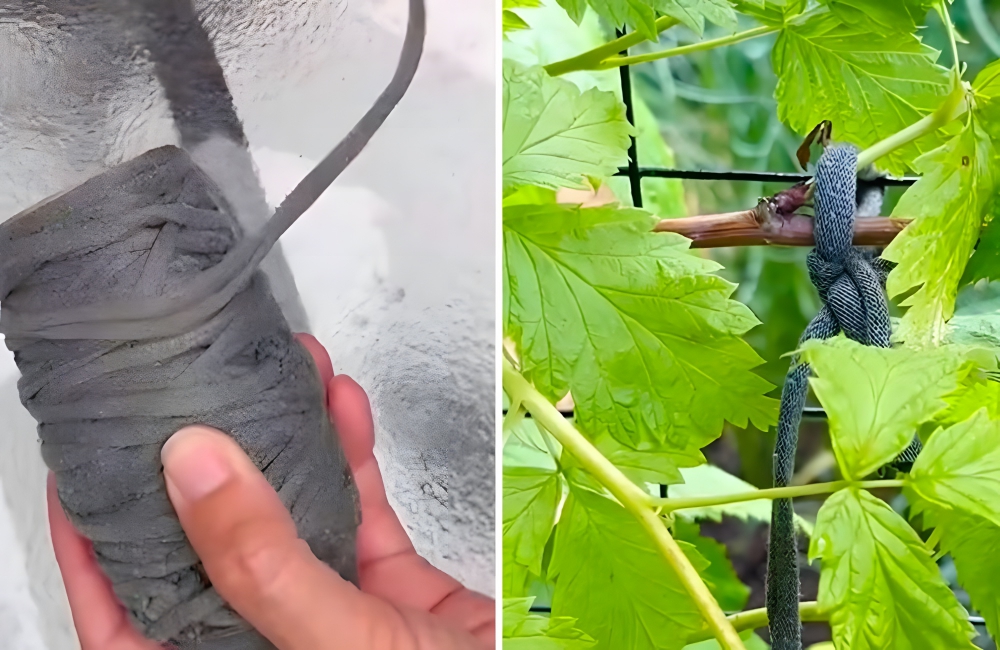
Old T-shirt Plant Ties @Google/Pinterest
When the gardening season wraps up, toss these t-shirt strips into your compost pile. That way, nothing goes to waste. If you have an old t-shirt lying around, this nifty trick won’t cost you a dime. It is an easy and eco-friendly way to keep your garden neat and organized while giving new life to something old.
216. Used Tea Bag Pest Deterrent
Materials Needed: Used tea bags
Cost to Make: $3.00*
Tea isn’t just a comforting beverage. The used tea bags can serve as a pest deterrent in your garden. Insects don’t like the smell of tea, so scatter these around your garden as a non-toxic pest control method. They are safe for your plants, beneficial insects, and the environment.
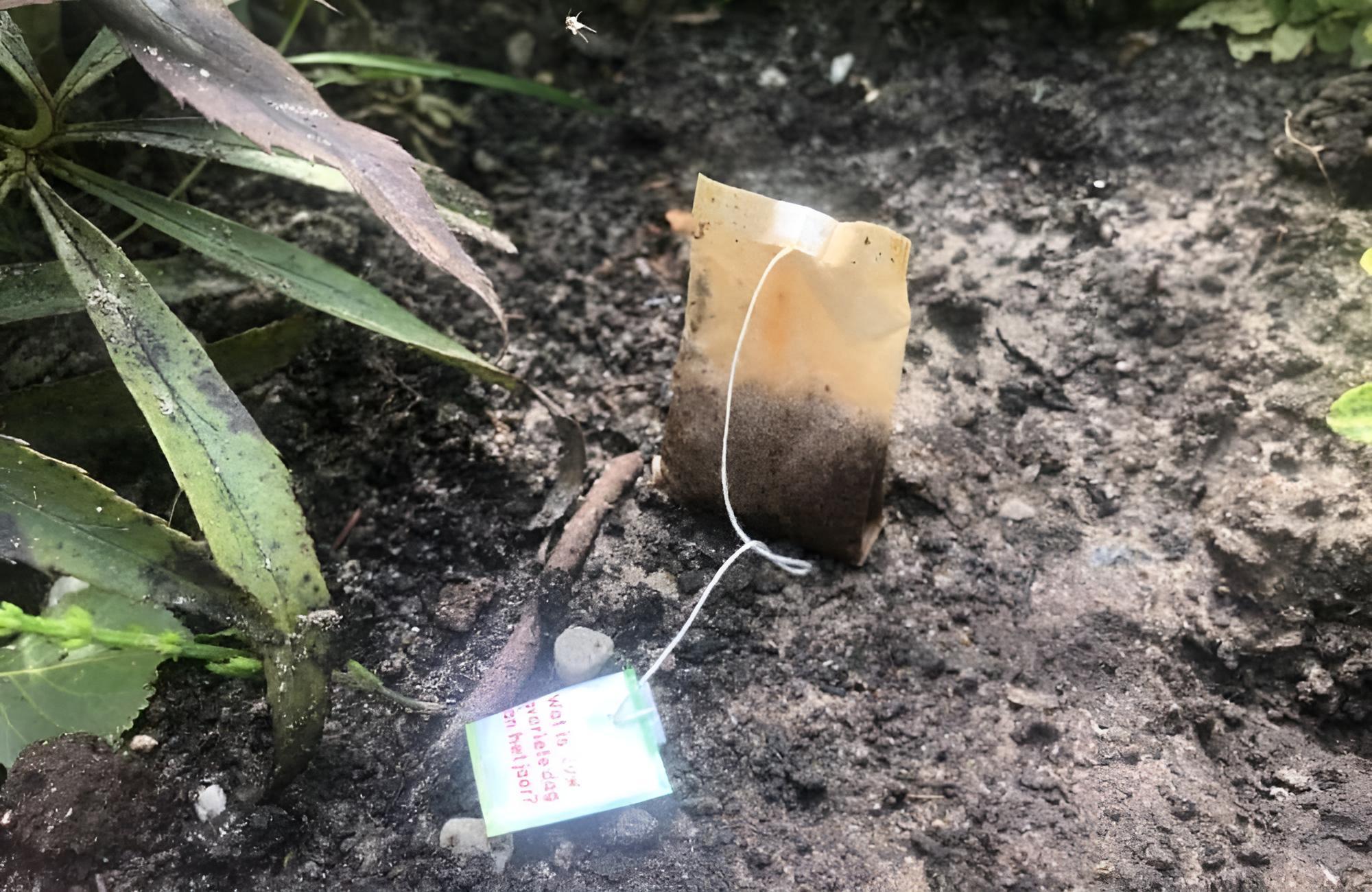
Used Tea Bag Pest Deterrent @thegardenbeds/Pinterest
Best of all, these used tea bags are a by-product of your tea-drinking habit, so the only cost is the tea itself. For about $3.00 for a tea box, you can enjoy a warm beverage and keep your garden free of unwanted pests. Reusing tea bags this way also helps reduce waste, contributing to a more sustainable lifestyle.