
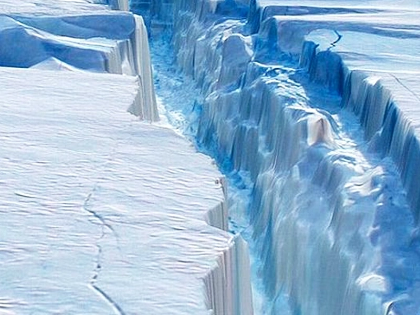
Though sometimes seen as a calm blue marble from orbit, our planet Earth has great scars reflecting its dynamic character. Rising from massive breaches in the Earth’s crust, these scars—known as rift systems—are gradually separating tectonic plates. Examining their genesis, special qualities, and great influence on the surroundings, this paper explores the five most important rift systems on Earth.
1. The East African Rift System: A Continental Divide in the Making
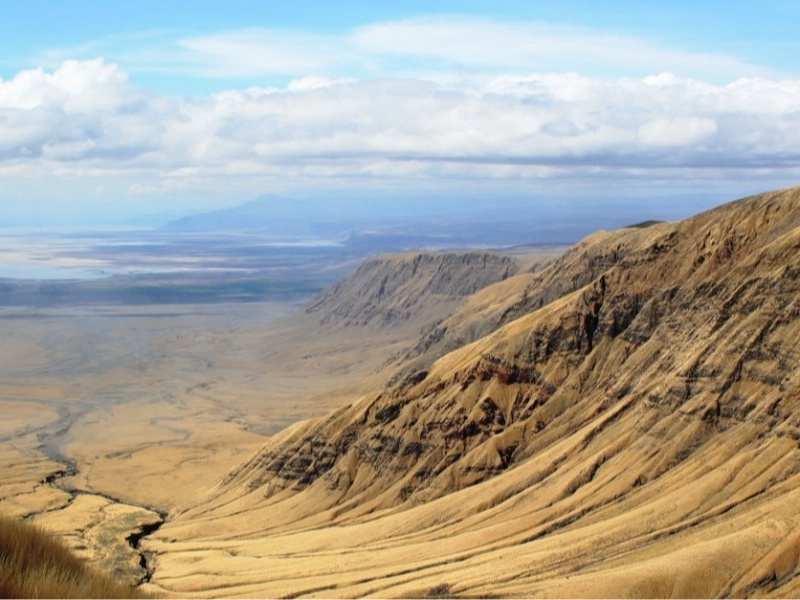
Stretching over 6,400 kilometres from the Afar Triangle in Ethiopia to Mozambique, the East African Rift System is evidence of the always shifting face of Earth. Slowly separating the African continent, this extensive network of rifts and faults is producing a sight of geological beauty that has enthralled both experts and amateurs of the sciences. Two primary branches make up the system: the Eastern Rift Valley and the Western Rift Valley, in which some of the biggest and deepest lakes in Africa reside.
About 25 million years ago, the African tectonic plate started to separate into two smaller plates: the Nubian plate to the west and the Somali plate to the east, hence beginning this amazing rift. Deep valleys, soaring volcanic mountains, and many lakes scattered over the area like pearls have been created by this continuous process. Apart from a geological wonder, the rift system is a cradle of life where some of the most famous animals live and significantly influences human evolution. This area has yielded several significant hominid fossils, which some researchers have dubbed the “Cradle of Mankind.”
Grand mountains like Mount Kilimanjaro and Mount Kenya, which guard the nearby plains, have emerged from the volcanic activity of the rift. These volcanoes, together with the many geysers and hot springs scattered over the rift, are evidence of the strong geological forces acting under surface level. The East African Rift is a top site for safari tourism and geological research alike because of its special mix of varied landscapes and rich wildlife, which allows tourists to see the raw beauty of a continent in the process of rebirth.
2. The Baikal Rift Zone: Home to the World’s Deepest Lake
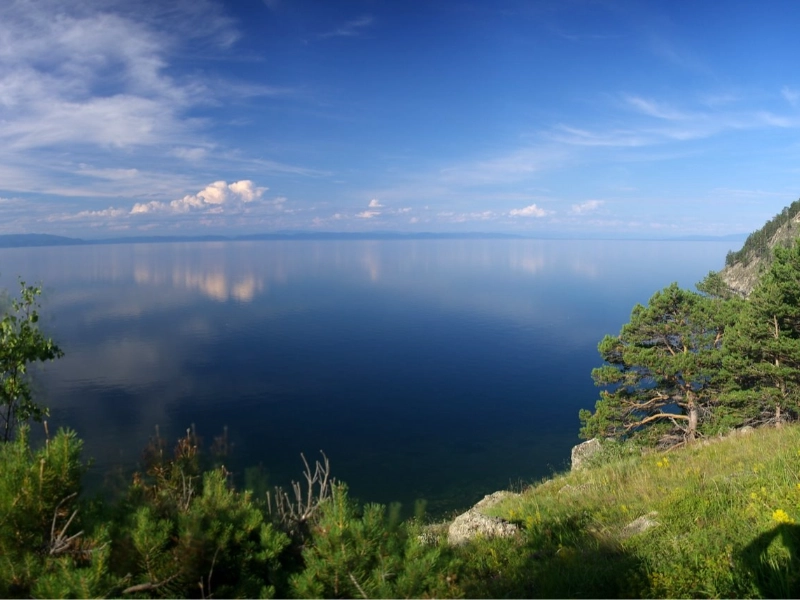
Tucked in the centre of southern Siberia, the Baikal Rift Zone is a perfect illustration of an active continental rift that highlights the Earth’s dynamic character in one of its most unspoiled forms. Lake Baikal, a natural wonder with the distinction of being both the oldest and deepest freshwater lake in the world, is found here on this amazing geological feature. Lake Baikal is a unique environment and a critical supply since its glistening clean waters reach depths of up to 1,642 meters, around 20% of the unfrozen surface fresh water on Earth.
About 25 to 30 million years ago, the Amurian Plate started separating from the Eurasian Plate, hence initiating the construction of the Baikal Rift Zone. This slow but relentless migration has produced a fissure spanning almost 2,000 kilometres that shapes a striking scene of deep basins and tall mountain ranges. At a rate of roughly 3-4 millimetres each year, the rift is widening geologically blink of an eye but still has significant consequences for the future of the area.
The Baikal Rift Zone’s unusual geological context has produced a hotspot for exceptional biodiversity. Over 2,500 species of plants and animals call Lake Baikal home; more than 80% of these are indigenous to the lake. This covers the only freshwater seal species found worldwide, the well-known Baikal seal. From taiga forests to alpine meadows, the surrounding scenery supports a great range of flora and animals, which makes the area a paradise for naturalists and evolution and adaptation under harsh conditions researchers.
 zi ang