
Geothermal areas are captivating manifestations of Earth’s internal heat, offering awe-inspiring displays of nature’s power. These remarkable sites, from Iceland’s bubbling mud pots to Yellowstone’s iconic geysers, showcase the planet’s dynamic geological processes. Visitors are treated to a mesmerizing array of hot springs, steaming vents, and colorful mineral deposits, creating otherworldly landscapes that seem plucked from science fiction. Each geothermal area boasts its own unique characteristics, reflecting the diverse ways in which subterranean heat interacts with surface features. These natural wonders not only provide spectacular visual experiences but also offer insights into the Earth’s inner workings. As we explore the world’s most vibrant geothermal regions, we’ll witness firsthand the raw beauty and power of our planet’s geological artistry, inviting us to marvel at the extraordinary forces that shape our world.
1. Yellowstone National Park, USA
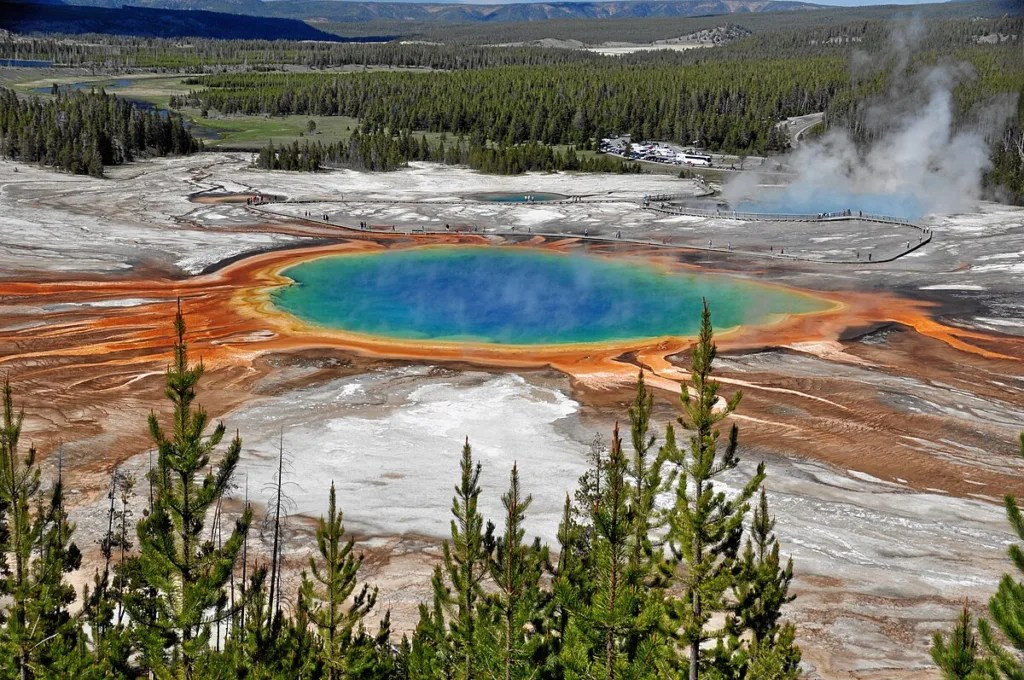
Yellowstone National Park, located primarily in Wyoming with parts extending into Montana and Idaho, stands as a testament to the raw power and beauty of Earth’s geothermal activity. Established in 1872 as the world’s first national park, Yellowstone encompasses an area of nearly 3,500 square miles, making it one of the largest and most diverse protected areas in the United States. The park’s geothermal features are the result of its location atop a massive supervolcano, which has shaped the landscape over millions of years through volcanic eruptions and ongoing geothermal activity.
At the heart of Yellowstone’s allure is its unparalleled concentration of geothermal features, numbering over 10,000 across the park. These features range from the world-famous geysers to colorful hot springs, bubbling mud pots, and steaming fumaroles. The most iconic of these is undoubtedly Old Faithful, a geyser that has captivated visitors for generations with its predictable eruptions, shooting water up to 180 feet into the air approximately every 90 minutes. This reliability has made Old Faithful not just a natural wonder but also a symbol of the park’s enduring appeal and the constancy of nature’s forces.
Beyond Old Faithful, the park boasts numerous other spectacular geothermal attractions. The Grand Prismatic Spring, the largest hot spring in the United States and the third-largest in the world, is a marvel of nature with its vivid rainbow-like coloration. The striking blues, greens, and oranges of the spring are caused by heat-loving microorganisms that thrive in its mineral-rich waters. The spring’s enormous size, measuring approximately 370 feet in diameter and over 121 feet deep, creates a mesmerizing spectacle that draws visitors from around the globe.
The Norris Geyser Basin, another highlight of Yellowstone’s geothermal landscape, is the hottest and most dynamic geyser basin in the park. It features an ever-changing array of geysers, including Steamboat Geyser, the world’s tallest active geyser, capable of shooting water over 300 feet into the air. The basin’s acidic features and extreme temperatures create an otherworldly environment, with steaming vents, crystalline pools, and barren landscapes that seem more suited to another planet than to Earth.
Yellowstone’s geothermal wonders extend beyond these famous features to include a diverse array of lesser-known but equally fascinating phenomena. The park’s mud pots, for instance, offer a different kind of spectacle. These acidic hot springs with limited water supply create thick, bubbling mud in various colors, from chocolate-brown to slate-gray, depending on the mineral content. The constant bubbling and gurgling of these features, accompanied by their earthy smell, provide a multi-sensory experience that captivates visitors.
The park’s geothermal activity not only creates spectacular visual displays but also supports unique ecosystems. The extreme conditions in and around these features have led to the evolution of thermophilic (heat-loving) microorganisms, some of which are found nowhere else on Earth. These microorganisms are responsible for many of the vivid colors seen in the park’s hot springs and have become subjects of intense scientific study, with potential applications in fields ranging from medicine to energy production.
Yellowstone’s geothermal features are not static; they are part of a dynamic, ever-changing landscape. The park’s geology is in constant flux, with new features appearing and others becoming dormant or changing their behavior over time. This dynamism adds an element of excitement and unpredictability to the visitor experience, as each visit to the park may reveal new wonders or changes to familiar features.
The preservation and study of Yellowstone’s geothermal wonders have been crucial in advancing our understanding of Earth’s geological processes and the potential for geothermal energy. The park serves as a natural laboratory for scientists from various disciplines, offering insights into vulcanology, hydrothermal systems, and extremophile biology. Moreover, the management challenges faced by the park in balancing conservation with visitor access have provided valuable lessons in sustainable tourism and environmental stewardship.
In conclusion, Yellowstone National Park’s geothermal features represent a unique convergence of natural beauty, scientific importance, and cultural significance. From the reliable eruptions of Old Faithful to the kaleidoscopic colors of the Grand Prismatic Spring, these wonders continue to inspire awe, foster scientific discovery, and remind us of the powerful forces at work beneath the Earth’s surface. As a testament to nature’s creativity and power, Yellowstone remains an unparalleled destination for those seeking to witness the Earth’s geothermal marvels in their most spectacular form.
2. Rotorua, New Zealand
Rotorua, located on New Zealand’s North Island, is a geothermal wonderland that offers visitors a unique and immersive experience into the Earth’s fiery underbelly. Situated within the Taupo Volcanic Zone, Rotorua is part of a geologically active region that stretches from White Island in the Bay of Plenty to Mount Ruapehu in the central North Island. This area is characterized by intense geothermal activity, resulting in a landscape dotted with geysers, hot springs, mud pools, and fumaroles that have captivated visitors and indigenous Māori people for centuries.
At the heart of Rotorua’s geothermal attractions is the Pohutu Geyser, one of the Southern Hemisphere’s largest active geysers. Located within the Te Whakarewarewa Thermal Valley, Pohutu, which means “big splash” or “explosion” in Māori, lives up to its name by erupting up to 20 times a day, reaching heights of up to 30 meters (100 feet). The geyser’s predictable and frequent eruptions make it a popular attraction, drawing visitors who patiently wait to witness its powerful display. The sight of Pohutu’s steaming plume against the backdrop of Rotorua’s lush landscape creates a striking contrast that epitomizes the region’s unique blend of natural forces.
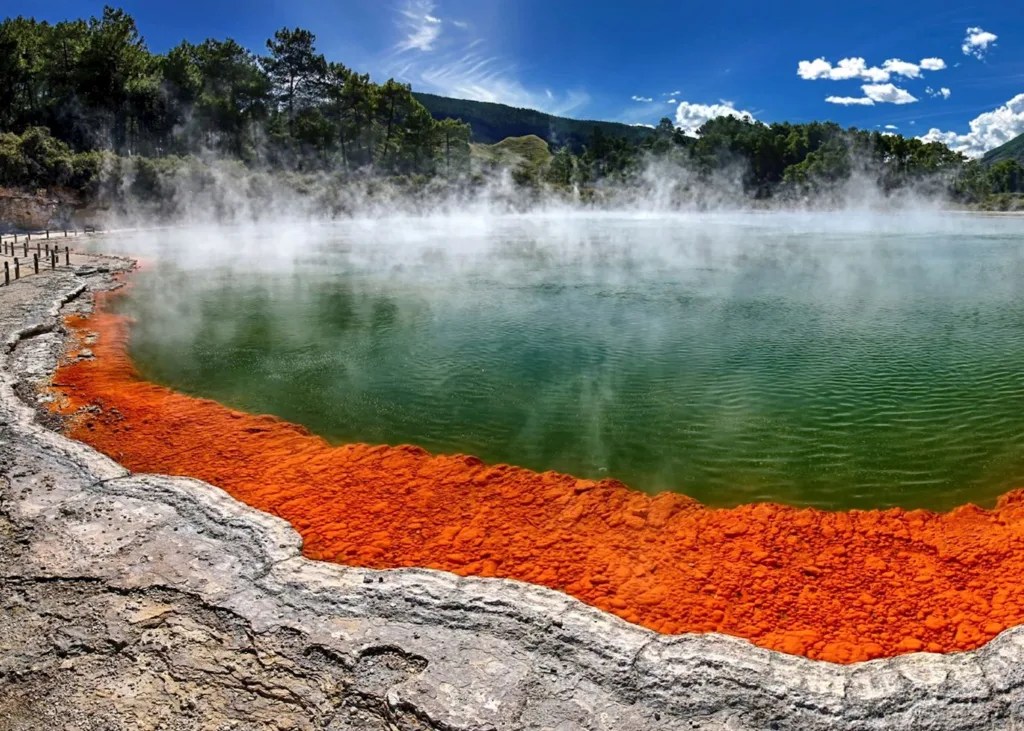
Beyond Pohutu, Rotorua boasts an array of colorful hot springs that showcase the diverse mineral composition of the area’s geothermal waters. Perhaps the most famous among these is the Champagne Pool at Wai-O-Tapu Thermal Wonderland. This hot spring derives its name from the abundant carbon dioxide that causes it to effervesce like champagne. The pool’s vibrant orange rim, created by deposits of orpiment and realgar (arsenic sulfide minerals), contrasts beautifully with the vivid blue-green of its waters, creating a natural masterpiece that seems almost too perfect to be real. The Champagne Pool, with a surface temperature of around 74°C (165°F), is not only visually stunning but also scientifically significant, hosting extremophile microorganisms that thrive in its harsh, mineral-rich environment.
The geothermal activity in Rotorua extends beyond visually spectacular features to include therapeutic hot springs and mud baths that have been used for centuries for their purported healing properties. The Hell’s Gate geothermal park, known as Tikitere in Māori, is home to some of the most active mud pools in the region. These bubbling, steaming mud pools are rich in minerals such as sulfur, calcium, sodium, and magnesium, which are believed to have therapeutic benefits for skin conditions and joint ailments. Visitors to Hell’s Gate can immerse themselves in warm mud baths, experiencing firsthand the unique sensations and potential health benefits of geothermal mud.
Rotorua’s geothermal wonders are not just natural phenomena; they are deeply intertwined with Māori culture and history. For centuries, the Māori people have lived in harmony with the geothermal landscape, utilizing its resources for cooking, heating, and medicinal purposes. The Te Whakarewarewa Thermal Village offers visitors a glimpse into this traditional way of life, showcasing how the Māori have adapted to and thrived in this volatile environment. Here, visitors can witness traditional cooking methods using geothermal steam and learn about the spiritual significance of the hot springs and geysers in Māori culture.
The geothermal activity in Rotorua also plays a significant role in the region’s economy and sustainable development. Geothermal energy is harnessed for electricity generation and direct use in heating buildings, greenhouses, and industrial processes. This utilization of renewable geothermal resources has positioned Rotorua as a leader in sustainable energy practices, demonstrating how communities can benefit from natural geothermal resources while preserving their environmental and cultural integrity.
However, the intense geothermal activity in Rotorua also presents challenges. The constant emission of hydrogen sulfide gas gives the town its characteristic “rotten egg” smell, which, while unpleasant to some, is often regarded as part of Rotorua’s unique charm. More seriously, the unstable ground in some areas requires careful urban planning and constant monitoring to ensure public safety. These challenges highlight the delicate balance between human habitation and the powerful natural forces that shape the region.
In conclusion, Rotorua stands as a testament to the Earth’s dynamic nature, offering visitors a rare opportunity to witness and interact with some of the most spectacular geothermal phenomena in the world. From the majestic eruptions of Pohutu Geyser to the colorful hot springs and therapeutic mud pools, Rotorua’s geothermal wonders provide a multi-faceted experience that combines natural beauty, scientific interest, cultural significance, and sustainable resource utilization. As a destination, Rotorua not only showcases the raw power of the Earth’s internal heat but also demonstrates how humans can coexist with and benefit from these natural wonders, making it a truly unique and invaluable part of New Zealand’s natural and cultural heritage.
3. Haukadalur, Iceland
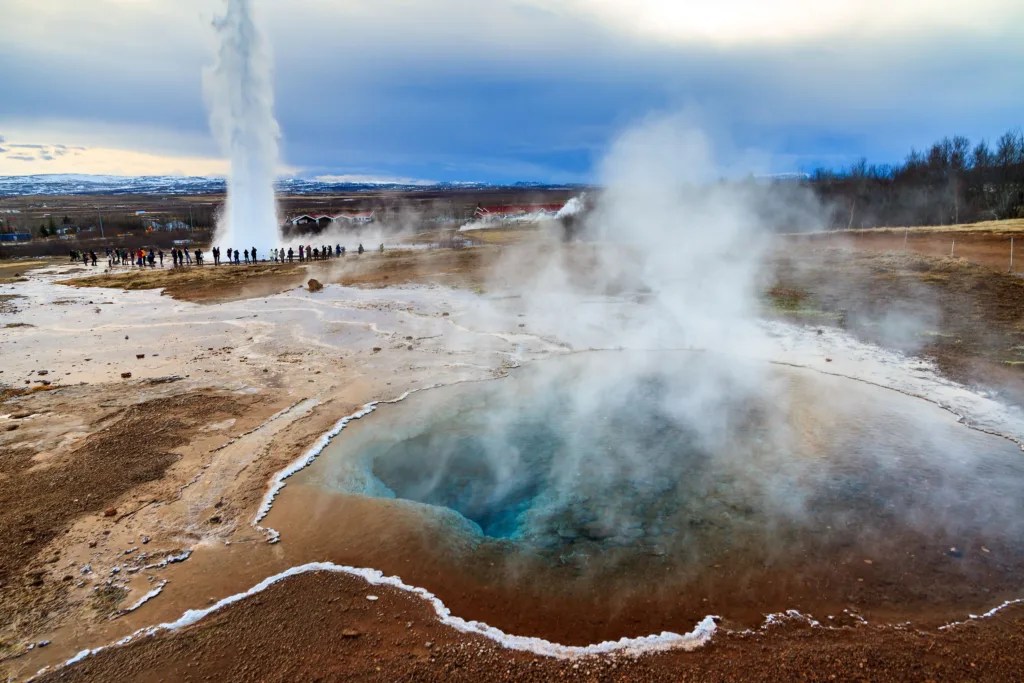
Haukadalur, located in the southwestern part of Iceland, is a geothermal valley that has captured the imagination of visitors for centuries with its spectacular display of geysers, hot springs, and fumaroles. Situated along the famous Golden Circle tourist route, Haukadalur stands as a testament to Iceland’s position atop the Mid-Atlantic Ridge, where the North American and Eurasian tectonic plates are slowly drifting apart. This geological setting has given rise to some of the most impressive geothermal features in the world, making Haukadalur a must-visit destination for those seeking to witness the raw power of Earth’s internal heat.
At the heart of Haukadalur’s allure is the Great Geysir, from which all other geysers worldwide derive their name. The term “geyser” comes from the Icelandic verb “geysa,” meaning “to gush.” While the Great Geysir is currently dormant, its historical significance cannot be overstated. First mentioned in written sources in 1294, the Great Geysir has been known to erupt boiling water up to 70 meters (230 feet) into the air. Its activity has varied over the centuries, influenced by earthquakes and human intervention, with periods of frequent eruptions alternating with long dormant phases. The Great Geysir’s unpredictable nature and impressive displays when active have made it a symbol of Iceland’s geothermal wonders and a subject of scientific study for generations.
While the Great Geysir may be dormant, the nearby Strokkur geyser has taken center stage as Haukadalur’s most reliable and impressive active geyser. Erupting every 5 to 10 minutes, Strokkur shoots a column of boiling water and steam up to 30 meters (100 feet) into the air. The moments leading up to an eruption are filled with anticipation as visitors gather around the geyser’s pool, watching the water bubble and rise before suddenly exploding upwards in a spectacular display of nature’s power. The regularity of Strokkur’s eruptions makes it a favorite among photographers and tourists, offering multiple opportunities to witness and capture this awe-inspiring phenomenon.
Beyond these famous geysers, Haukadalur boasts a diverse array of other geothermal features that contribute to its otherworldly landscape. The area is dotted with numerous hot springs, each with its own unique characteristics. Some springs are crystal clear, revealing vibrant blue depths, while others are murky and turbulent, constantly bubbling with escaping gases. The colors of these springs range from deep blues and greens to rusty reds and oranges, a result of different mineral compositions and the presence of thermophilic bacteria that thrive in these extreme environments.
The fumaroles of Haukadalur add another dimension to the geothermal experience. These vents in the Earth’s surface emit steam and volcanic gases, creating an eerie atmosphere as wisps of steam rise from the ground, especially visible on cold days. The constant hissing and occasional roaring of these fumaroles serve as a reminder of the powerful forces at work beneath the surface, adding an auditory component to the visual spectacle of the geothermal field.
The geothermal activity in Haukadalur has shaped not only the natural landscape but also the human history of the area. For centuries, local people have utilized the hot springs for cooking, bathing, and laundry. Historical accounts tell of bread being baked by burying dough in the hot ground, a practice that continues today as a tourist attraction. This long history of human interaction with the geothermal features highlights the profound impact these natural wonders have had on Icelandic culture and way of life.
The contrast between Haukadalur’s geothermal activity and its surrounding environment creates a truly mesmerizing scene. In winter, the steam from geysers and hot springs rises against a backdrop of snow-covered hills, creating an ethereal landscape where fire meets ice. This juxtaposition is particularly striking during the long, dark Icelandic winters, when the geothermal features provide a warm, glowing oasis amidst the frozen landscape. In summer, the lush green vegetation surrounding the geothermal area creates a different but equally stunning contrast, with colorful wildflowers often blooming near the edges of hot springs.
Haukadalur’s geothermal wonders have not only attracted tourists but have also been the subject of extensive scientific research. The area provides valuable insights into geothermal processes, the formation of mineral deposits, and the extremophile organisms that inhabit these harsh environments. Studies conducted in Haukadalur have contributed to our understanding of geothermal energy potential, the geological history of Iceland, and even the possibility of life on other planets with extreme environments.
Conservation efforts in Haukadalur are crucial to preserving this unique ecosystem. The delicate balance of the geothermal features can be easily disrupted by human activity, and measures have been put in place to protect the area while still allowing visitors to experience its wonders. Boardwalks and designated viewing areas help minimize impact on the fragile ground, while educational initiatives aim to raise awareness about the importance of preserving these natural phenomena for future generations.
In conclusion, Haukadalur stands as one of the world’s premier geothermal destinations, offering visitors a chance to witness the Earth’s internal heat manifested in spectacular geysers, colorful hot springs, and steaming fumaroles. Its combination of reliable geothermal displays, stunning natural beauty, rich history, and scientific significance makes it a truly unique and invaluable natural wonder. As a microcosm of Iceland’s geothermal landscape, Haukadalur continues to inspire awe, foster scientific discovery, and remind us of the powerful forces that shape our planet, inviting visitors to experience firsthand the dynamic interplay between fire and ice that defines Iceland’s geological character.
4. El Tatio, Chile
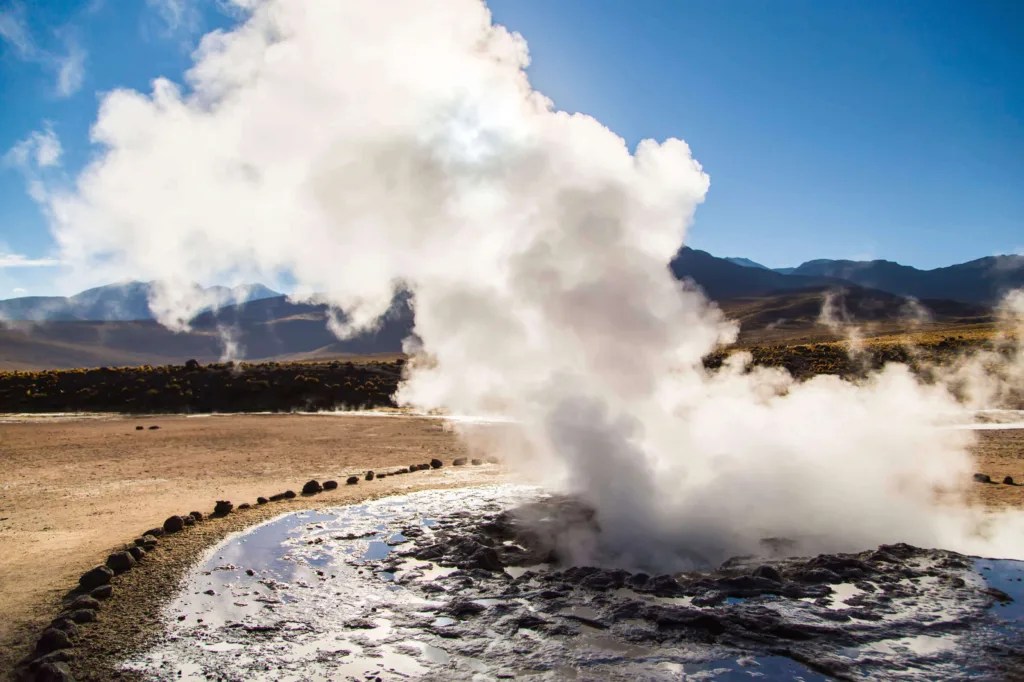
El Tatio, located in the Andes Mountains of northern Chile, stands as one of the world’s most impressive and unique geothermal fields. Situated at an altitude of approximately 4,320 meters (14,170 feet) above sea level, El Tatio is the highest geyser field in the world, creating a surreal and otherworldly landscape that captivates visitors with its stark beauty and geothermal wonders. The name “El Tatio” is derived from the Kunza word “Tata-iu,” meaning “the grandfather” or “the old man who cries,” a reference to the geysers and fumaroles that seem to weep steam and water.
The geyser field at El Tatio is vast, covering an area of about 10 square kilometers (3.9 square miles) and featuring over 80 active geysers, making it the largest geyser field in the Southern Hemisphere and the third-largest in the world after Yellowstone in the United States and the Valley of Geysers in Russia. The geothermal activity at El Tatio is the result of a complex interplay between groundwater and magma chambers deep beneath the Earth’s surface. As groundwater seeps into the hot rock below, it is superheated and forced back to the surface through cracks and fissures, resulting in the spectacular displays of steam and boiling water that characterize the geyser field.
One of the most striking aspects of El Tatio is the timing of its most impressive displays. The geysers are at their most active in the early morning hours, just before and after sunrise. During this time, the cold air of the high-altitude environment contrasts sharply with the heat of the geothermal features, creating towering columns of steam that can reach heights of up to 10 meters (33 feet). As the sun rises and begins to illuminate the landscape, these steam columns are backlit, creating an ethereal and almost magical atmosphere. This daily spectacle draws visitors from around the world, who brave the cold pre-dawn temperatures and high altitude to witness one of nature’s most awe-inspiring displays.
The geothermal features at El Tatio are diverse, ranging from vigorously erupting geysers to gently bubbling hot springs and steaming fumaroles. The geysers themselves vary in size and activity, with some erupting continuously while others operate on more irregular cycles. The largest geyser in the field, known as El Gigante (The Giant), can shoot water up to 6 meters (20 feet) into the air, creating a spectacular display against the backdrop of the Andean mountains.
The hot springs at El Tatio offer another dimension to the geothermal experience. These pools of hot water, ranging in temperature from 30°C to 100°C (86°F to 212°F), are scattered throughout the geyser field. Some of these springs have formed colorful mineral deposits around their edges, creating natural “terraces” that add to the visual appeal of the landscape. The colors of these deposits range from whites and yellows to reds and greens, depending on the mineral content and the types of thermophilic bacteria that thrive in these extreme conditions.
The high-altitude environment of El Tatio contributes significantly to its unique character. At over 4,000 meters above sea level, the air is thin, and temperatures can fluctuate dramatically between day and night. This harsh environment has led to the evolution of specialized flora and fauna adapted to survive in these extreme conditions. Visitors to El Tatio might spot vicuñas, a wild relative of the llama, grazing on the sparse vegetation that manages to grow in this challenging landscape. The juxtaposition of these hardy animals against the steaming geothermal features creates a striking visual contrast that epitomizes the resilience of life in extreme environments.
The geological setting of El Tatio is equally fascinating. The geyser field is located in the Atacama Desert, one of the driest places on Earth, and sits atop the Altiplano-Puna volcanic complex. This region has been shaped by millions of years of volcanic activity, resulting in a landscape dotted with volcanoes, lava flows, and other geological formations. The geothermal activity at El Tatio is intimately connected to this volcanic history, with the heat driving the geysers originating from magma chambers deep beneath the Earth’s surface.
El Tatio’s geothermal features have not only attracted tourists but have also been the subject of scientific research and exploration. The extreme conditions present in the geyser field make it an ideal natural laboratory for studying extremophile organisms – microbes that thrive in conditions that would be lethal to most life forms. These studies have implications not only for our understanding of life on Earth but also for the search for life on other planets with extreme environments.
The geothermal resources of El Tatio have also attracted interest for their potential energy applications. In the past, there have been proposals to develop geothermal power plants in the area to harness this natural energy source. However, these plans have been met with controversy due to concerns about the potential environmental impact on this unique ecosystem and the importance of El Tatio as a tourist destination and natural wonder.
Conservation efforts at El Tatio are crucial to preserving this delicate ecosystem. The fragile nature of the geothermal features, combined with the harsh high-altitude environment, makes the area particularly vulnerable to human impact. Measures have been implemented to protect the geysers and hot springs, including designated pathways for visitors and restrictions on proximity to certain features. Education initiatives aim to raise awareness about the importance of preserving this unique landscape for future generations.
El Tatio’s cultural significance adds another layer to its importance. The geyser field has been revered by indigenous Atacameño people for centuries, playing a role in their spiritual beliefs and traditional practices. The steam rising from the Earth was seen as the breath of the mountains, and the hot springs were used for their perceived healing properties. This cultural heritage continues to be an important aspect of El Tatio’s identity, with efforts being made to incorporate indigenous knowledge and perspectives into the management and interpretation of the site.
In conclusion, El Tatio stands as a testament to the raw power and beauty of Earth’s geothermal processes. Its high-altitude setting, combined with the dramatic displays of its geysers and the stark beauty of the surrounding landscape, creates a truly unique and unforgettable experience. As a natural wonder, scientific resource, and cultural landmark, El Tatio continues to inspire awe, foster research, and remind us of the incredible diversity of our planet’s geological features. Its preservation and responsible management are crucial not only for maintaining this spectacular natural phenomenon but also for deepening our understanding of Earth’s geothermal processes and the life forms that thrive in extreme environments.
5. Wai-O-Tapu, New Zealand
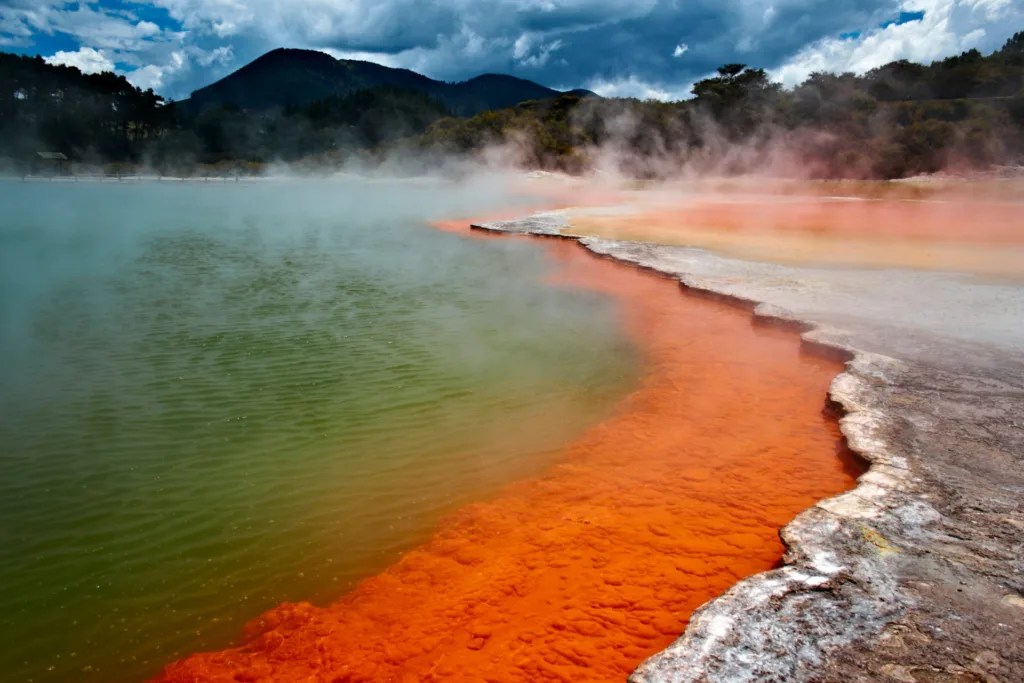
Wai-O-Tapu, which means “Sacred Waters” in Māori, is a geothermal wonderland located in the Taupo Volcanic Zone on New Zealand’s North Island. This area is renowned for its strikingly colorful and diverse geothermal features, making it one of the most surreal and visually spectacular landscapes in the world. Spanning approximately 18 square kilometers (7 square miles), Wai-O-Tapu offers visitors a mesmerizing journey through a palette of vibrant colors, steaming lakes, bubbling mud pools, and unique geological formations that have been sculpted by thousands of years of intense geothermal activity.
At the heart of Wai-O-Tapu’s allure is the famous Champagne Pool, a hot spring that has become an iconic symbol of New Zealand’s geothermal wonders. The pool derives its name from the abundant carbon dioxide that causes the water to effervesce, reminiscent of a glass of champagne. The Champagne Pool’s most striking feature is its vibrant orange rim, created by deposits of orpiment and realgar (arsenic sulfide minerals), which contrasts dramatically with the vivid blue-green of its waters. This natural masterpiece measures approximately 65 meters in diameter and reaches a depth of up to 62 meters, with water temperatures hovering around 74°C (165°F). The pool is not only visually stunning but also scientifically significant, hosting a variety of extremophile microorganisms that thrive in its mineral-rich, highly acidic waters.
Adjacent to the Champagne Pool is the Artist’s Palette, a series of terraces and small hot springs that showcase an extraordinary range of colors. These hues, ranging from deep reds and oranges to bright yellows and greens, are created by the deposition of various minerals as geothermal waters flow over the surface. The Artist’s Palette lives up to its name, presenting visitors with a natural canvas that seems almost too vivid to be real. The interplay of light, minerals, and geothermal activity creates an ever-changing display that captivates photographers and artists alike.
Another remarkable feature of Wai-O-Tapu is the Devil’s Bath, a striking neon-green pool that owes its otherworldly color to suspended colloidal sulfur particles and ferrous salts. The intense green hue of the Devil’s Bath is so unnatural in appearance that it often leaves visitors questioning whether it could possibly be a natural phenomenon. This feature serves as a stark reminder of the complex chemical processes at work beneath the Earth’s surface and the incredible diversity of geothermal manifestations.
The Lady Knox Geyser, located within the Wai-O-Tapu complex, adds an element of predictable excitement to the geothermal experience. While not a naturally erupting geyser, it is induced to erupt daily at 10:15 AM through the addition of surfactant, sending a plume of water up to 20 meters (65 feet) into the air. This daily eruption has become a popular attraction, drawing crowds who gather to witness this impressive display of geothermal power.
Wai-O-Tapu is also home to numerous mud pools, each with its own unique characteristics. These pools range from gently bubbling cauldrons to violently churning pits of boiling mud. The Mud Pool, formerly the site of a large mud volcano that was destroyed through erosion in the 1920s, now offers visitors a mesmerizing display of bubbling, steaming mud. The constant movement and ever-changing patterns of these mud pools provide a dynamic and captivating spectacle that demonstrates the ongoing nature of geothermal activity in the area.
The geothermal features of Wai-O-Tapu are set within a landscape that has been dramatically shaped by volcanic and geothermal processes over thousands of years. Collapsed craters, steaming fumaroles, and expansive sinter terraces create a topography that seems more alien than terrestrial. Walking trails throughout the park allow visitors to explore this unique environment safely, offering vantage points that showcase the scale and diversity of the geothermal activity.
The scientific value of Wai-O-Tapu extends beyond its visual appeal. The area serves as a natural laboratory for researchers studying geothermal processes, mineral formation, and extremophile biology. The extreme conditions present in many of Wai-O-Tapu’s features provide insights into the limits of life on Earth and potentially on other planets. Studies conducted here have contributed to our understanding of early Earth conditions and the types of environments that might support life elsewhere in the universe.
Conservation efforts at Wai-O-Tapu are crucial to preserving this unique ecosystem. The delicate balance of geothermal activity can be easily disrupted by human intervention, and measures have been put in place to protect the area while still allowing visitors to experience its wonders. Boardwalks and designated viewing areas help minimize impact on the fragile ground, while educational initiatives aim to raise awareness about the importance of preserving these natural phenomena for future generations.
The cultural significance of Wai-O-Tapu to the Māori people adds another layer of importance to the site. For centuries, the geothermal areas of New Zealand have played a crucial role in Māori culture, being used for cooking, bathing, and medicinal purposes. The name Wai-O-Tapu itself reflects the sacred nature of these waters in Māori tradition. Efforts to incorporate Māori perspectives and knowledge into the management and interpretation of the site help to preserve and share this rich cultural heritage.
In conclusion, Wai-O-Tapu stands as one of the world’s most visually spectacular and scientifically intriguing geothermal areas. Its combination of vivid colors, diverse geothermal features, and unique geological formations create a landscape that seems almost too fantastical to be real. As a natural wonder, scientific resource, and cultural landmark, Wai-O-Tapu continues to inspire awe, foster research, and deepen our understanding of Earth’s geothermal processes. Its preservation and responsible management are crucial not only for maintaining this extraordinary natural phenomenon but also for advancing our knowledge of the complex interplay between geology, chemistry, and biology in extreme environments.
6. Norris Geyser Basin, USA
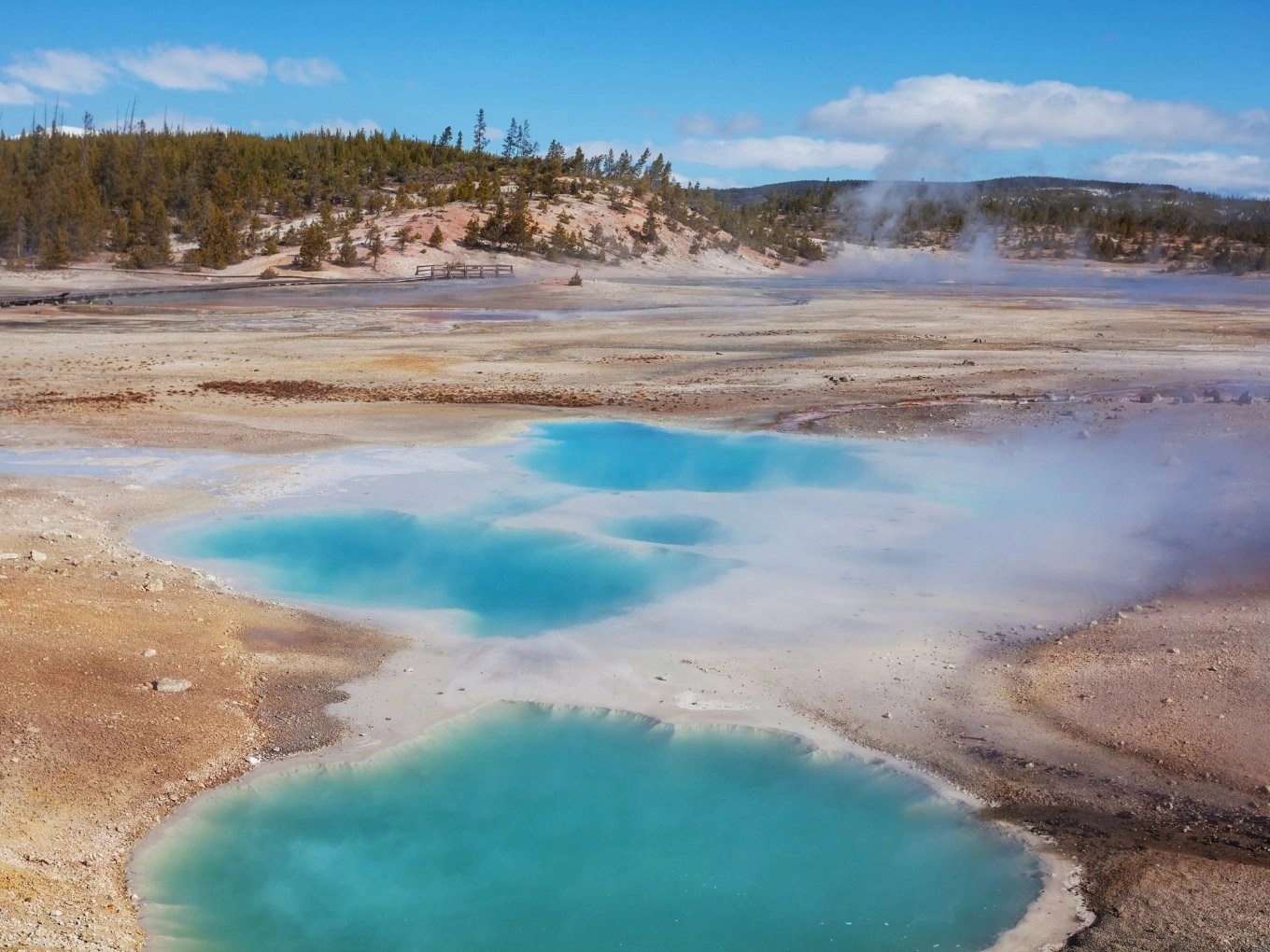
Norris Geyser Basin, located in the northwest corner of Yellowstone National Park, stands as one of the most dynamic and diverse geothermal areas in the world. Named after Philetus W. Norris, the second superintendent of Yellowstone, this basin is renowned for its extreme temperatures, acidic features, and ever-changing landscape. Covering approximately 2.25 square miles (5.8 square kilometers), Norris Geyser Basin is a testament to the raw power and unpredictability of Earth’s geothermal processes.
The basin is divided into two main areas: Porcelain Basin and Back Basin, each offering unique geothermal features and experiences. Porcelain Basin is characterized by its barren, moonlike landscape, dotted with numerous steam vents and small geysers. The stark white mineral deposits that cover much of the ground give the area its porcelain-like appearance, creating a surreal and otherworldly atmosphere. In contrast, Back Basin is more heavily forested and features some of the most impressive geysers in the park, including the world’s tallest active geyser, Steamboat Geyser.
Steamboat Geyser is the crown jewel of Norris Geyser Basin and a source of fascination for both visitors and scientists. When in full eruption, Steamboat can shoot water over 300 feet (90 meters) into the air, dwarfing even the famous Old Faithful geyser. However, what makes Steamboat truly remarkable is its unpredictability. Unlike Old Faithful, which erupts on a relatively regular schedule, Steamboat’s major eruptions are sporadic, with intervals ranging from days to decades. This unpredictability adds an element of excitement and anticipation for park visitors, who may be lucky enough to witness one of these rare, spectacular events.
The extreme conditions at Norris Geyser Basin make it a unique environment within Yellowstone. It is the hottest and most changeable of the park’s thermal areas, with underground temperatures reaching up to 459°F (237°C). The basin’s waters are also highly acidic, with pH levels as low as 2 or 3 in some features. These extreme conditions create an environment where only the hardiest microorganisms can survive, making Norris a valuable site for studying extremophiles – organisms that thrive in conditions that would be lethal to most life forms.
One of the most intriguing aspects of Norris Geyser Basin is its dynamic nature. The basin undergoes periodic “disturbances,” during which thermal features may change dramatically in appearance, temperature, or activity level. New features may suddenly appear, while others may go dormant or disappear entirely. These changes can occur over the course of days or even hours, making each visit to Norris a potentially unique experience. This dynamism is attributed to the complex interplay of underground water systems, seismic activity, and fluctuations in the underlying magma chamber.
The colors displayed throughout Norris Geyser Basin are as diverse as its features. While many areas are characterized by the stark white of silica deposits, others showcase a vibrant palette ranging from deep blues and greens to bright yellows and oranges. These colors are primarily the result of thermophilic (heat-loving) bacteria and algae that thrive in the hot, mineral-rich waters. The specific hues depend on the temperature of the water and the types of organisms present, creating a living canvas that shifts and changes with the basin’s thermal activity.
Norris Geyser Basin is also home to several unique geothermal features that set it apart from other areas in Yellowstone. The Echinus Geyser, for example, is one of the largest acid-water geysers in the world. Its name comes from the Greek word for “sea urchin,” referring to the spiny sinter formations that surround its vent. Another notable feature is Cistern Spring, a deep, blue pool that is connected underground to Steamboat Geyser. When Steamboat erupts, Cistern Spring often drains, only to refill slowly over the following days or weeks.
The basin’s geological significance extends beyond its surface features. Norris sits at the intersection of three major fault lines, making it a crucial area for studying the relationship between seismic activity and geothermal processes. The basin’s location also places it at the edge of the Yellowstone Caldera, the massive volcanic crater that underlies much of the park. This positioning contributes to the basin’s extreme temperatures and dynamic nature, as it allows for a more direct connection to the magma chamber below.
For scientists, Norris Geyser Basin serves as an invaluable natural laboratory. Researchers from various fields, including geology, microbiology, and geochemistry, study the basin to gain insights into everything from the evolution of life in extreme environments to the potential for geothermal energy production. The basin’s unique conditions also make it a potential analog for environments that might exist on other planets, contributing to our understanding of astrobiology and the search for extraterrestrial life.
Conservation efforts at Norris Geyser Basin are crucial and challenging due to its popularity and fragile ecosystem. Boardwalks and designated paths help protect the delicate thermal features and prevent visitors from accidentally stepping into dangerous hot springs. Education programs aim to inform visitors about the importance of preserving this unique environment and the potential dangers of straying from designated areas.
In conclusion, Norris Geyser Basin stands as a testament to the dynamic and powerful forces at work beneath the Earth’s surface. Its extreme temperatures, acidic waters, and ever-changing landscape make it one of the most fascinating and scientifically valuable geothermal areas in the world. From the towering eruptions of Steamboat Geyser to the microscopic extremophiles thriving in its hostile waters, Norris offers a window into the raw power of nature and the resilience of life. As a key feature of Yellowstone National Park, it continues to inspire awe, drive scientific discovery, and challenge our understanding of Earth’s geothermal processes, reminding us of the complex and dynamic nature of our planet’s geology.
7. The Valley of Geysers, Russia
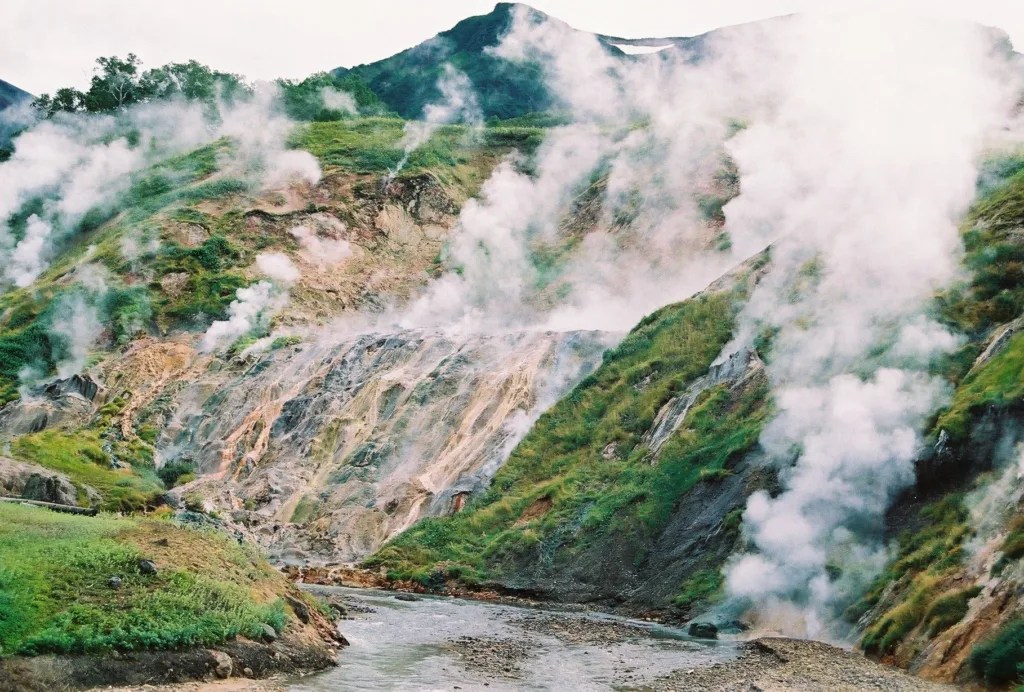
The Valley of Geysers, located in the Kamchatka Peninsula in the Russian Far East, is one of the world’s most remarkable and remote geothermal wonders. Discovered only in 1941 by Soviet geologist Tatyana Ustinova, this hidden gem boasts the second-largest concentration of geysers on Earth, after Yellowstone National Park. Nestled within the Kronotsky Nature Reserve, a UNESCO World Heritage site, the Valley of Geysers stretches for about 6 kilometers (3.7 miles) along the Geysernaya River, showcasing a spectacular array of geysers, hot springs, mud pots, and steam vents.
The Valley’s unique geological setting is a result of its location within the Pacific Ring of Fire, an area of intense volcanic and seismic activity. The Kamchatka Peninsula is home to over 300 volcanoes, 29 of which are active, creating an environment ripe for geothermal phenomena. The Valley of Geysers itself lies within a deep canyon carved by the Geysernaya River, with steep walls rising up to 800 meters (2,600 feet) on either side, creating a dramatic and enclosed landscape that amplifies the impact of the geothermal displays.
At its peak, the Valley contained over 90 geysers, each with its own unique character and eruption cycle. Some of the most famous geysers include the Velikan (Giant), which can shoot water up to 40 meters (130 feet) into the air; the Zhemchuzhny (Pearly), known for its beautiful, pearl-like spray; and the Troynoy (Triple), which erupts from three separate vents. The geysers range from small, frequent eruptions to large, infrequent displays, creating a constantly changing landscape of steam and hot water.
The diversity of geothermal features in the Valley extends beyond just geysers. Hot springs of various sizes and colors dot the landscape, their waters tinted by different mineral contents and thermophilic bacteria. Mud pots bubble and gurgle, releasing earthy scents into the air, while fumaroles emit jets of steam, creating an otherworldly atmosphere. The combination of these features, set against the backdrop of the lush Kamchatkan wilderness, creates a scene of unparalleled natural beauty and geological interest.
The Valley of Geysers’ remote location and challenging access have both preserved its pristine nature and limited its visibility to the wider world. Located over 200 kilometers (124 miles) from the nearest city, Petropavlovsk-Kamchatsky, the Valley can only be reached by helicopter. This isolation has helped protect the delicate ecosystem from the impacts of mass tourism, but it has also meant that relatively few people have had the opportunity to witness its wonders firsthand.
The Valley’s ecosystem is as unique as its geological features. The constant heat and moisture from the geothermal activity create microclimates that support a diverse array of flora and fauna, many of which are endemic to the region. The area is home to the Kamchatka brown bear, snow sheep, and numerous bird species. The interplay between the geothermal features and the surrounding wildlife creates a dynamic ecosystem that has fascinated biologists and ecologists for decades.
However, the Valley of Geysers faces ongoing challenges from both natural and human sources. In 2007, a massive landslide dramatically altered the landscape, burying several geysers and creating a natural dam that formed a lake in the valley. While initially feared to be a catastrophic event for the Valley’s geothermal activity, many geysers have since reactivated or found new outlets, demonstrating the resilience and dynamic nature of geothermal systems. This event has provided scientists with a unique opportunity to study the recovery and adaptation of a geothermal area following a major disturbance.
Climate change poses another significant threat to the Valley of Geysers. The warming temperatures in the region could potentially alter the delicate balance of heat and water that drives the geothermal activity. Changes in precipitation patterns and permafrost melt could also impact the stability of the surrounding slopes, potentially leading to more landslides or other geological changes.
Conservation efforts in the Valley of Geysers focus on maintaining its pristine condition while allowing for scientific research and limited tourism. The Kronotsky Nature Reserve strictly controls access to the Valley, limiting the number of visitors and ensuring that all tours are guided and adhere to strict environmental protocols. These measures aim to balance the preservation of this unique ecosystem with the educational and scientific value it provides.
The Valley of Geysers has also become an important site for scientific research. Its geothermal features offer insights into volcanic and hydrothermal processes, while its isolated ecosystem provides opportunities to study the adaptations of life to extreme environments. Research conducted in the Valley contributes to our understanding of geothermal energy potential, the geological history of the Kamchatka region, and the impacts of climate change on sensitive ecosystems.
In conclusion, the Valley of Geysers stands as one of Earth’s most spectacular and least-disturbed geothermal wonders. Its remote location in the wilds of Kamchatka has preserved a landscape of extraordinary beauty and scientific importance. From its diverse array of geysers and hot springs to its unique ecosystem, the Valley offers a glimpse into the raw power of Earth’s geological processes and the resilience of life in extreme conditions. As we face global environmental challenges, the preservation and study of places like the Valley of Geysers become increasingly crucial, not only for their intrinsic value but also for the lessons they can teach us about our planet’s dynamic systems and the delicate balance of nature.
8. Pamukkale, Turkey
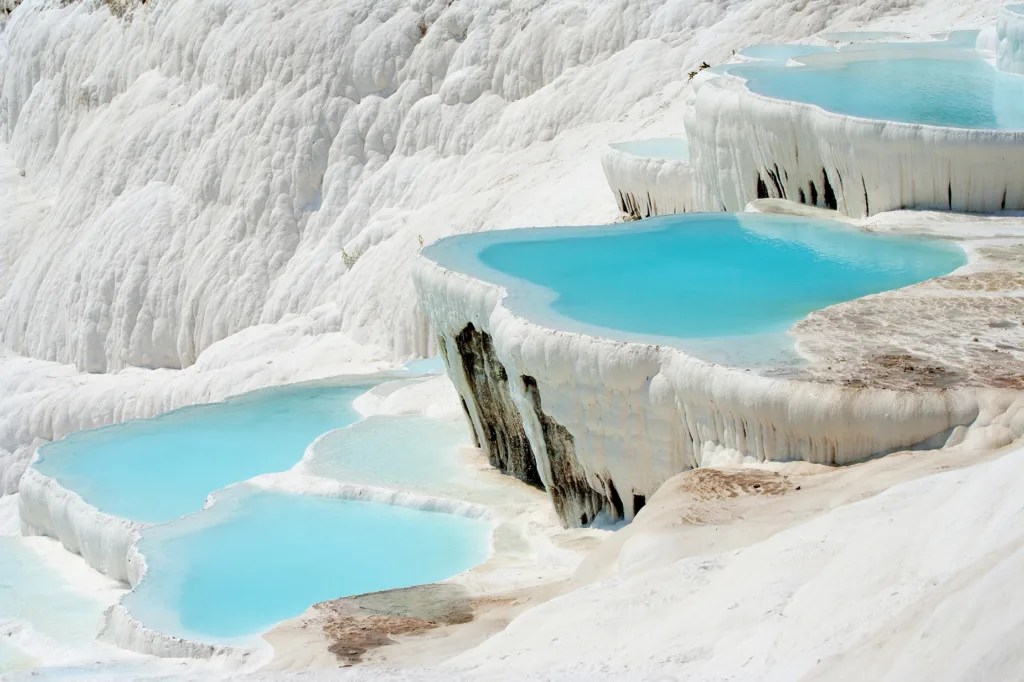
Pamukkale, which translates to “Cotton Castle” in Turkish, is a natural wonder located in southwestern Turkey’s Denizli Province. This extraordinary landscape is renowned for its dazzling white travertine terraces, formed over millennia by calcium carbonate-rich thermal springs. The site, which includes the adjacent ancient city of Hierapolis, has been a UNESCO World Heritage Site since 1988, attracting millions of visitors annually who come to marvel at its unique geological formations and soak in its therapeutic waters.
The formation of Pamukkale’s iconic terraces is a result of a delicate interplay between geology, chemistry, and time. The process begins deep underground, where calcium-rich waters are heated by volcanic activity. As these mineral-laden waters emerge at the surface, they cool and release carbon dioxide. This process causes calcium carbonate to precipitate, forming travertine, a type of limestone. Over thousands of years, this continuous deposition has created a cascading series of terraces that appear like a frozen waterfall or, as its name suggests, a castle made of cotton.
The terraces of Pamukkale cover an area of about 2,700 meters (8,860 feet) in length, 600 meters (1,970 feet) in width, and 160 meters (525 feet) in height. The stark white color of the travertine contrasts dramatically with the surrounding landscape, creating a visually striking spectacle that seems almost otherworldly. The terraces are not merely static formations; they are constantly evolving as the mineral-rich waters continue to flow and deposit calcium carbonate.
The thermal springs that feed the terraces have been revered for their healing properties since ancient times. The water, which emerges at a temperature of around 35°C (95°F), is rich in minerals including calcium, magnesium, bicarbonate, and sulphur. These minerals are believed to have therapeutic effects, particularly for those suffering from rheumatism, skin diseases, and circulatory problems. The ancient Romans recognized the value of these waters, establishing the city of Hierapolis around the springs as a healing center.
Hierapolis, founded in the 2nd century BCE, became a thriving spa city under Roman rule. The ruins of this ancient city, which lie adjacent to the travertine terraces, provide a fascinating historical context to Pamukkale’s natural wonders. Visitors can explore the well-preserved remains of Roman baths, temples, a necropolis, and a remarkably intact theater. The Antique Pool, also known as Cleopatra’s Pool, allows modern-day visitors to swim among ancient Roman columns that fell into the thermal waters during an earthquake, offering a unique experience that combines natural beauty with historical immersion.
The ecological significance of Pamukkale extends beyond its geological formations. The area supports a unique ecosystem adapted to the mineral-rich, warm waters. Various species of plants and microorganisms thrive in this environment, contributing to the biodiversity of the region. The terraces and pools create a series of microhabitats, each with its own characteristics and inhabitants, making Pamukkale an important site for ecological research.
However, Pamukkale’s popularity as a tourist destination has presented significant conservation challenges. In the past, unrestricted access and development threatened the delicate balance of the travertine terraces. Hotels built on the site diverted thermal waters for private use, causing parts of the terraces to dry out and turn brown. In response to these threats, Turkish authorities implemented strict conservation measures in the 1990s. Hotels were demolished, and a new system was established to ensure the even distribution of thermal waters across the terraces. Visitors are now required to remove their shoes when walking on the travertine to minimize erosion and contamination.
These conservation efforts have been largely successful in preserving the natural beauty of Pamukkale while still allowing for sustainable tourism. The site now serves as a model for balancing conservation with public access, demonstrating how natural wonders can be protected while still providing economic benefits to local communities through tourism.
The scientific value of Pamukkale extends beyond its visible features. The site provides researchers with insights into travertine formation processes, the geochemistry of thermal springs, and the long-term effects of mineral deposition on landscapes. Studies conducted at Pamukkale contribute to our understanding of similar geological processes worldwide and help inform conservation strategies for other travertine formations.
Climate change poses a potential threat to the delicate balance of Pamukkale’s ecosystem. Changes in temperature and precipitation patterns could affect the flow and mineral content of the thermal springs, potentially altering the rate and nature of travertine formation. Monitoring these changes is crucial for developing adaptive management strategies to ensure the long-term preservation of this unique site.
Pamukkale also holds significant cultural importance. For centuries, it has been a place of healing and spiritual significance for various civilizations. Today, it continues to be a source of national pride for Turkey and a symbol of the country’s rich natural and historical heritage. The site’s inclusion on the UNESCO World Heritage list recognizes not only its geological uniqueness but also its cultural value and the need for its preservation for future generations.
In conclusion, Pamukkale stands as a testament to the extraordinary beauty that can arise from Earth’s geological processes. Its dazzling white terraces, formed over millennia by mineral-rich thermal waters, create a landscape that seems almost too perfect to be natural. The site’s combination of geological wonders, ancient history, and therapeutic waters makes it a truly unique destination. As we face global environmental challenges, places like Pamukkale remind us of the importance of preserving our natural wonders. They serve not only as spectacular sights but also as invaluable resources for scientific study, cultural heritage, and understanding the delicate balance of our planet’s ecosystems. The ongoing efforts to conserve and sustainably manage Pamukkale offer hope and lessons for the preservation of other natural wonders around the world.
9. Waimangu Volcanic Valley, New Zealand
Waimangu Volcanic Valley, nestled in the heart of New Zealand’s North Island, stands as a testament to the raw power and beauty of geothermal activity. This extraordinary landscape, born from the violent eruption of Mount Tarawera in 1886, has since evolved into a dynamic and ever-changing wonderland of geothermal features. The valley’s name, “Waimangu,” which means “black water” in Māori, alludes to the dark, mineral-rich waters that characterize many of its features. What sets Waimangu apart from other geothermal areas is not only its relatively recent origin but also the rapid and ongoing changes in its landscape, offering scientists and visitors alike a unique opportunity to witness geological processes in action. The valley’s formation and continuous evolution provide invaluable insights into the Earth’s geothermal systems and their impact on the surrounding environment.
At the heart of Waimangu’s allure lies Frying Pan Lake, the world’s largest hot spring. This vast body of steaming water covers an area of approximately 38,000 square meters (409,000 square feet) and reaches depths of up to 20 meters (66 feet). The lake’s formation is a direct result of the 1886 eruption, which created a massive crater that gradually filled with water heated by the underlying magma chamber. Frying Pan Lake maintains an average temperature of about 55°C (131°F), with its surface constantly rippling and steaming, creating an otherworldly atmosphere. The lake’s acidic waters, rich in minerals such as sulfur and iron, contribute to its unique chemical composition and the surrounding ecosystem adapted to these extreme conditions. The sheer size and constant activity of Frying Pan Lake make it a focal point for scientific research, offering insights into large-scale geothermal systems and their potential for sustainable energy production.
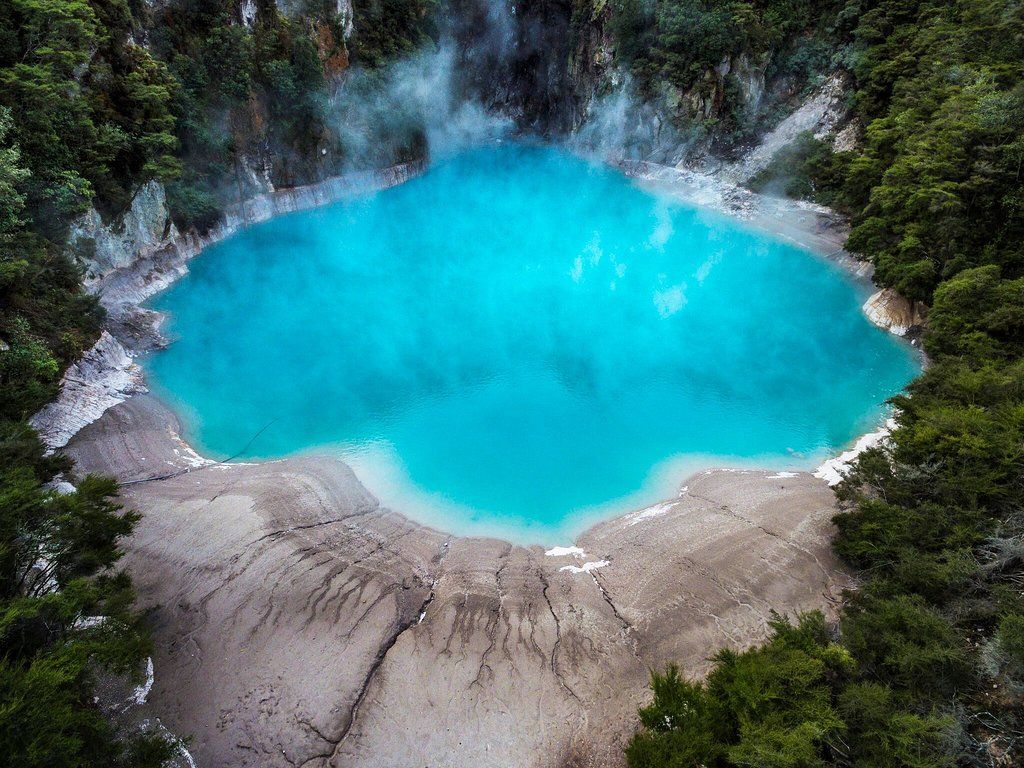
Another captivating feature of the Waimangu Volcanic Valley is the Inferno Crater, a mesmerizing geological wonder that showcases the dynamic nature of geothermal activity. This crater lake undergoes dramatic cyclical changes in water level and temperature, a phenomenon that has fascinated scientists and visitors for decades. During its cycle, which typically lasts about 38 days, the water level in Inferno Crater can rise and fall by up to 12 meters (39 feet). At its peak, the crater overflows, releasing steam and creating a spectacular display. The vibrant blue color of the crater’s water, reminiscent of a gemstone, is due to suspended silica particles and the reflection of the sky. The regular fluctuations of Inferno Crater are believed to be interconnected with other geothermal features in the valley, demonstrating the complex underground plumbing system that characterizes this geothermal area. This interconnectedness highlights the delicate balance of the valley’s geothermal system and the potential impacts of human intervention or natural changes on the entire ecosystem.
The Waimangu Volcanic Valley is also home to a diverse array of hot springs, each with its own unique characteristics and vivid colors. These springs range from small, bubbling pools to larger bodies of water, their hues spanning the spectrum from deep emerald greens to bright turquoise blues and fiery oranges. The colors are the result of different mineral compositions and the presence of thermophilic bacteria and algae that thrive in these extreme environments. One particularly striking example is the Emerald Pool, whose intense green color is created by a combination of yellow sulfur deposits on the pool’s bottom and the reflection of the blue sky above. These colorful hot springs not only provide a visual spectacle but also offer invaluable insights into the extremophile organisms that can survive and even thrive in such harsh conditions. The study of these microorganisms has implications for understanding the origins of life on Earth and the potential for life on other planets with extreme environments.
10. Geysir Hot Springs Area, Greenland
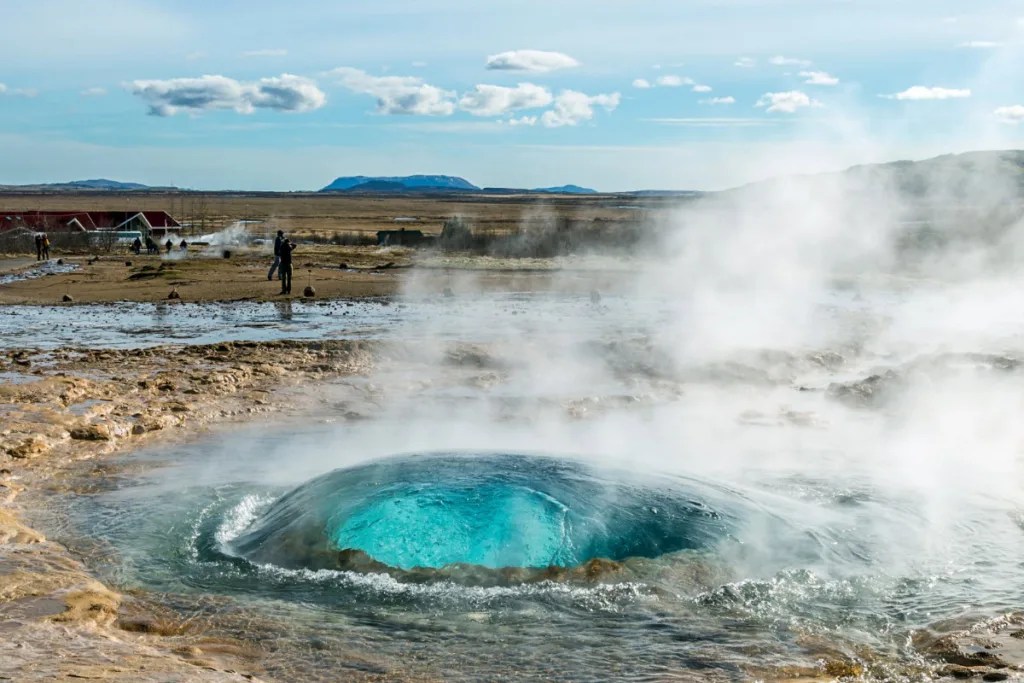
Nestled in the remote and uninhabited northeastern region of Greenland, the Geysir Hot Springs Area stands as a testament to the raw beauty and geological marvels that can be found in the most unexpected places. This geothermal wonderland, set against the backdrop of the Arctic wilderness, offers a truly unique and captivating experience for those fortunate enough to visit. The area’s isolation and pristine environment provide a rare opportunity to witness geothermal activity in its most untouched form, free from the impacts of human development and mass tourism. The contrast between the steaming hot springs and the surrounding icy landscape creates a visual spectacle that is both surreal and awe-inspiring, highlighting the diverse and often contradictory forces at work in our planet’s geology.
The hot springs in this area are a result of Greenland’s complex geological history, which includes periods of volcanic activity and tectonic movements. Despite the region’s current lack of active volcanoes, the geothermal heat from deep within the Earth continues to fuel these hot springs, creating oases of warmth in an otherwise frigid environment. The water in these springs can reach temperatures of up to 60°C (140°F), providing a stark contrast to the sub-zero temperatures that dominate the surrounding Arctic landscape for much of the year. This juxtaposition of hot and cold creates unique microclimates around the springs, supporting pockets of biodiversity that would otherwise be impossible in such northern latitudes.
One of the most spectacular features of the Geysir Hot Springs Area is its collection of geysers. These natural fountains of superheated water and steam erupt periodically, shooting columns of water high into the air. The geysers in this area vary in size and eruption frequency, with some erupting every few minutes and others having longer intervals between displays. The largest geyser in the area, known locally as “Stóri Geysir” (Great Geyser), can shoot water up to 30 meters (100 feet) into the air during its most powerful eruptions. The sight of these eruptions, with plumes of steam rising against the backdrop of snow-covered mountains and glaciers, creates a visual spectacle that is truly unique to this part of the world.
The geological formations surrounding the Geysir Hot Springs Area are equally impressive and contribute to the area’s otherworldly atmosphere. The landscape is dotted with fumaroles, mud pots, and mineral deposits that have been shaped by centuries of geothermal activity. Colorful sinter terraces, formed by the precipitation of minerals from the hot spring water, create intricate patterns and textures across the terrain. These terraces, ranging from brilliant whites to deep oranges and rusty reds, provide a vivid contrast to the muted tones of the Arctic landscape. The continuous deposition of minerals also leads to the formation of unique geological structures, such as silica domes and geyserite cones, which serve as testament to the ongoing geological processes at work in the area.
The remote location of the Geysir Hot Springs Area in Greenland adds an extra layer of allure to the experience of visiting this geothermal wonder. Access to the site is limited and often requires specialized transportation, such as helicopters or robust off-road vehicles, depending on the season. This isolation has helped preserve the area in its pristine state, free from the infrastructure and crowds that often accompany more accessible geothermal sites around the world. Visitors to the area are treated to a sense of discovery and exploration that harkens back to the early days of geological expeditions. The journey to reach the hot springs becomes an integral part of the experience, offering breathtaking views of Greenland’s rugged coastline, vast ice sheets, and untouched wilderness along the way.
The unique environmental conditions of the Geysir Hot Springs Area have given rise to specialized ecosystems that are found nowhere else on Earth. The warm, mineral-rich waters of the hot springs support a variety of thermophilic microorganisms, some of which may be endemic to this specific location. These extremophiles have adapted to thrive in conditions that would be lethal to most life forms, with some capable of surviving in waters approaching the boiling point. The study of these organisms has significant implications for our understanding of the limits of life and the potential for life on other planets with extreme environments. Additionally, the areas immediately surrounding the hot springs create microhabitats that support plant species typically found much further south, creating unique pockets of biodiversity in the Arctic landscape.
The Geysir Hot Springs Area also holds cultural and historical significance for the indigenous Inuit people of Greenland. While the area is currently uninhabited, archaeological evidence suggests that it was known to and utilized by Inuit communities in the past. The hot springs may have served as important landmarks for navigation and as sources of warm water for various purposes. The Inuit oral tradition includes stories and legends about the hot springs, often attributing their existence to supernatural forces or mythical beings. These cultural connections add another layer of richness to the area, intertwining geological wonders with human history and folklore.
Conservation efforts for the Geysir Hot Springs Area face unique challenges due to its remote location and the delicate nature of its geothermal features. The Greenlandic government, in cooperation with international scientific organizations, has implemented strict protections for the area to preserve its natural state and scientific value. These measures include limiting visitor numbers, establishing guidelines for responsible tourism, and conducting ongoing research to monitor the health of the geothermal system. The conservation of this area not only protects a unique geological wonder but also preserves a living laboratory for studying geothermal processes, extremophile biology, and the potential impacts of climate change on Arctic ecosystems.
In conclusion, the Geysir Hot Springs Area in Greenland stands as a remarkable testament to the diverse and often surprising geological wonders our planet has to offer. Its combination of geothermal activity, pristine Arctic wilderness, and scientific significance makes it a truly unique destination. As one of the most remote and untouched geothermal areas in the world, it continues to captivate the imagination of scientists, adventurers, and nature enthusiasts alike, offering a glimpse into the raw power and beauty of Earth’s geological processes in one of the most unexpected corners of the globe.