
1. Grand Canyon (Arizona)
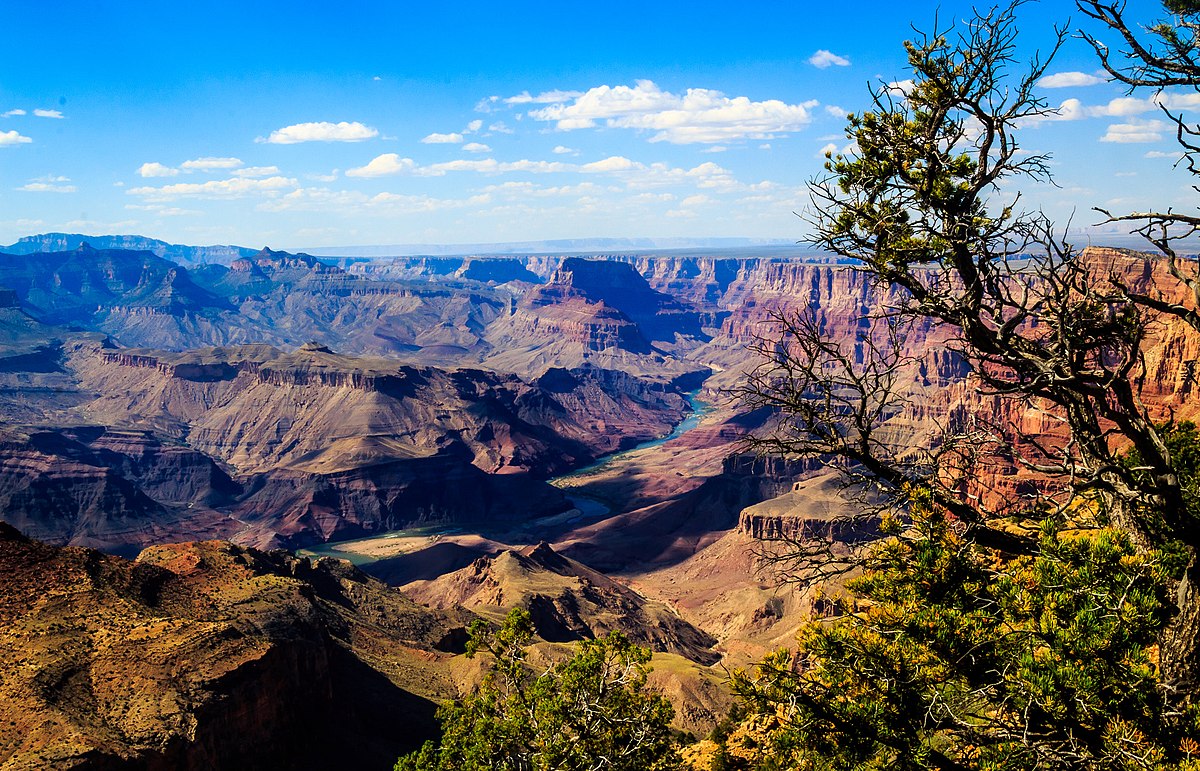
The Grand Canyon in Arizona is undoubtedly one of the most iconic geologic formations in the United States. Carved by the mighty Colorado River over millions of years, the Grand Canyon stretches approximately 277 miles (446 kilometers) in length, up to 18 miles (29 kilometers) in width, and reaches depths of over a mile (1.6 kilometers). Its immense size and stunning geological features have earned it the title of one of the Seven Natural Wonders of the World.
The exposed rock layers of the Grand Canyon provide a remarkable glimpse into Earth’s geologic history, with rocks dating back billions of years. The colorful and diverse rock formations, including the reds of the Supai Group, the browns of the Hermit Shale, and the whites of the Kaibab Limestone, create a breathtaking tapestry of colors. These layers tell a story of ancient seas, deserts, and volcanic activity, each contributing to the canyon’s unique geological history.
The Grand Canyon’s formation is a result of the relentless power of erosion, primarily driven by the Colorado River. Over millions of years, the river has carved its way through the rock, exposing layers that reveal a timeline of Earth’s history. This process continues today, with the river still shaping the canyon’s landscape. The Grand Canyon also offers a diverse range of ecosystems, from the arid desert at the canyon’s rim to the lush, river-fed environments at its base.
Visitors to the Grand Canyon can experience its grandeur from numerous viewpoints along the South Rim and North Rim. The South Rim is the most accessible and popular, offering panoramic views, visitor centers, and numerous hiking trails. The North Rim, higher in elevation and more remote, provides a quieter and more secluded experience. Both rims offer unique perspectives of the canyon’s vastness and beauty.
The Grand Canyon is also a site of cultural significance. Native American tribes, including the Havasupai, Hopi, Hualapai, Navajo, and Zuni, have lived in and around the canyon for centuries. Their history, traditions, and stories are deeply intertwined with the landscape. Today, the Grand Canyon is not only a natural wonder but also a cultural and historical treasure, attracting millions of visitors from around the world each year.
2. Yellowstone National Park (Wyoming, Montana, Idaho)
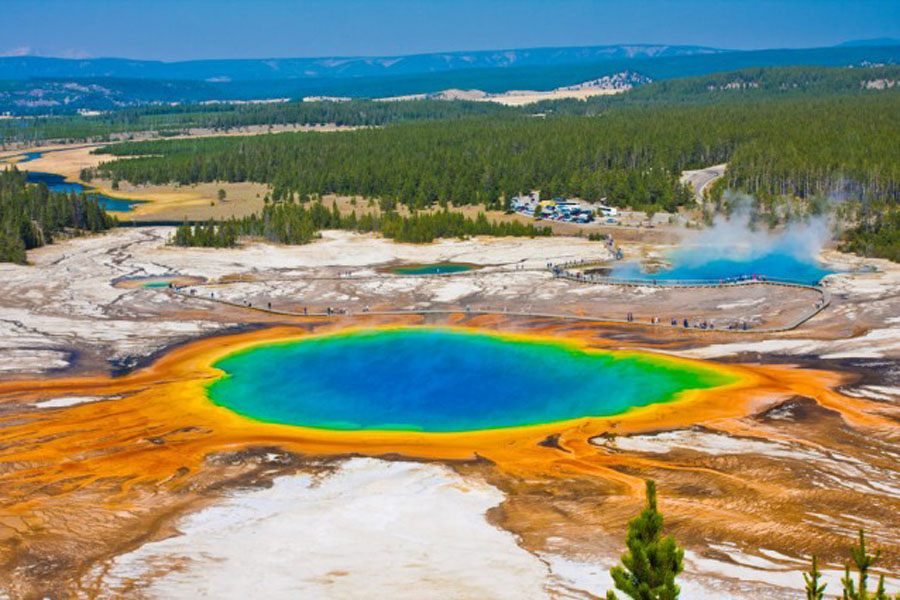
Yellowstone National Park, spanning the states of Wyoming, Montana, and Idaho, is not only renowned for its diverse wildlife and pristine landscapes but also for its exceptional geologic formations. Established as the first national park in the United States and widely considered the first national park in the world, Yellowstone is a geological wonderland that captivates visitors with its extraordinary features.
One of the park’s most iconic geologic formations is the Yellowstone Caldera, often referred to as a supervolcano. This massive volcanic feature is responsible for shaping the park’s landscape over millions of years. It is an active geothermal hotspot, evidenced by the numerous geysers, hot springs, and mud pots scattered throughout the park. The most famous of these geothermal features is Old Faithful, a geyser known for its regular and predictable eruptions.
Yellowstone’s geothermal activity is a result of a plume of molten rock rising from deep within the Earth, creating a hotspot beneath the park. This hotspot has fueled volcanic activity for millions of years, resulting in massive eruptions that have shaped the landscape. The most recent of these eruptions occurred approximately 640,000 years ago, forming the Yellowstone Caldera and covering much of North America in volcanic ash.
In addition to its geothermal features, Yellowstone is home to a diverse range of geological formations, including canyons, waterfalls, and mountain ranges. The Grand Canyon of the Yellowstone, with its striking yellow and red rock walls, is a particularly notable feature. The park’s diverse geology provides a habitat for a wide variety of plant and animal species, making it a hotspot for biodiversity.
Yellowstone’s geological wonders are complemented by its rich cultural history. The park has been inhabited by Native American tribes for thousands of years, and their stories and traditions are deeply connected to the landscape. Today, Yellowstone continues to be a place of scientific research and discovery, as well as a destination for millions of visitors seeking to experience its natural beauty.
3. Monument Valley (Arizona, Utah)
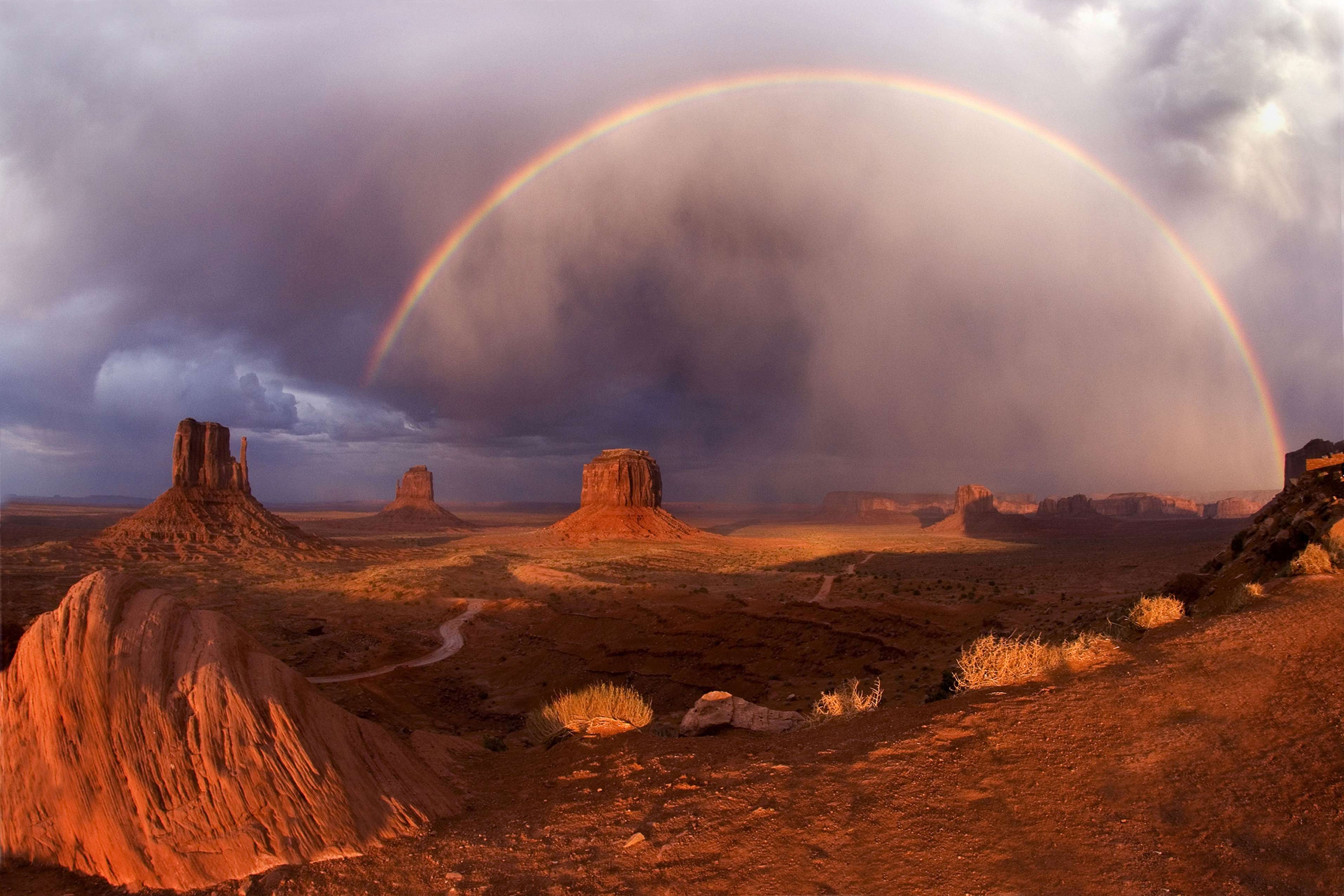
Located on the border of Arizona and Utah, Monument Valley is an iconic and breathtaking geologic formation that has become synonymous with the American Southwest. This mesmerizing landscape of sandstone buttes, towering mesas, and expansive desert vistas has captured the imagination of people around the world and has been featured prominently in countless films, commercials, and photographs.
The monumental sandstone formations that define Monument Valley are the result of millions of years of erosion, as wind and water gradually shaped the rock into its distinctive shapes. The buttes, which can reach heights of up to 1,000 feet (300 meters), rise dramatically from the desert floor, creating a striking and otherworldly scene that seems almost unreal. The valley’s vibrant red and orange hues are a result of iron oxide in the rock, adding to its visual appeal.
Monument Valley is part of the Colorado Plateau, a region known for its unique and dramatic geology. The valley’s formations are composed of sandstone, siltstone, and shale, deposited over millions of years in ancient river and lake environments. Over time, tectonic forces uplifted the region, and erosion sculpted the landscape into the iconic formations seen today.
The most famous of these formations include iconic landmarks such as the Mittens, Elephant Butte, Three Sisters, and Totem Pole. These towering monoliths, with their reddish-orange hues contrasting against the vast blue sky, have become instantly recognizable symbols of the American West. The valley’s unique geology and stunning scenery have made it a popular location for filmmakers, photographers, and tourists alike.
Monument Valley is also a place of cultural significance for the Navajo Nation, who have lived in the region for centuries. The Navajo people have a deep connection to the land, and their traditions and stories are intertwined with the landscape. Today, Monument Valley is managed as a Navajo Tribal Park, and visitors can experience guided tours led by Navajo guides, offering insights into the valley’s geology, history, and cultural heritage.
4. Bryce Canyon National Park (Utah)
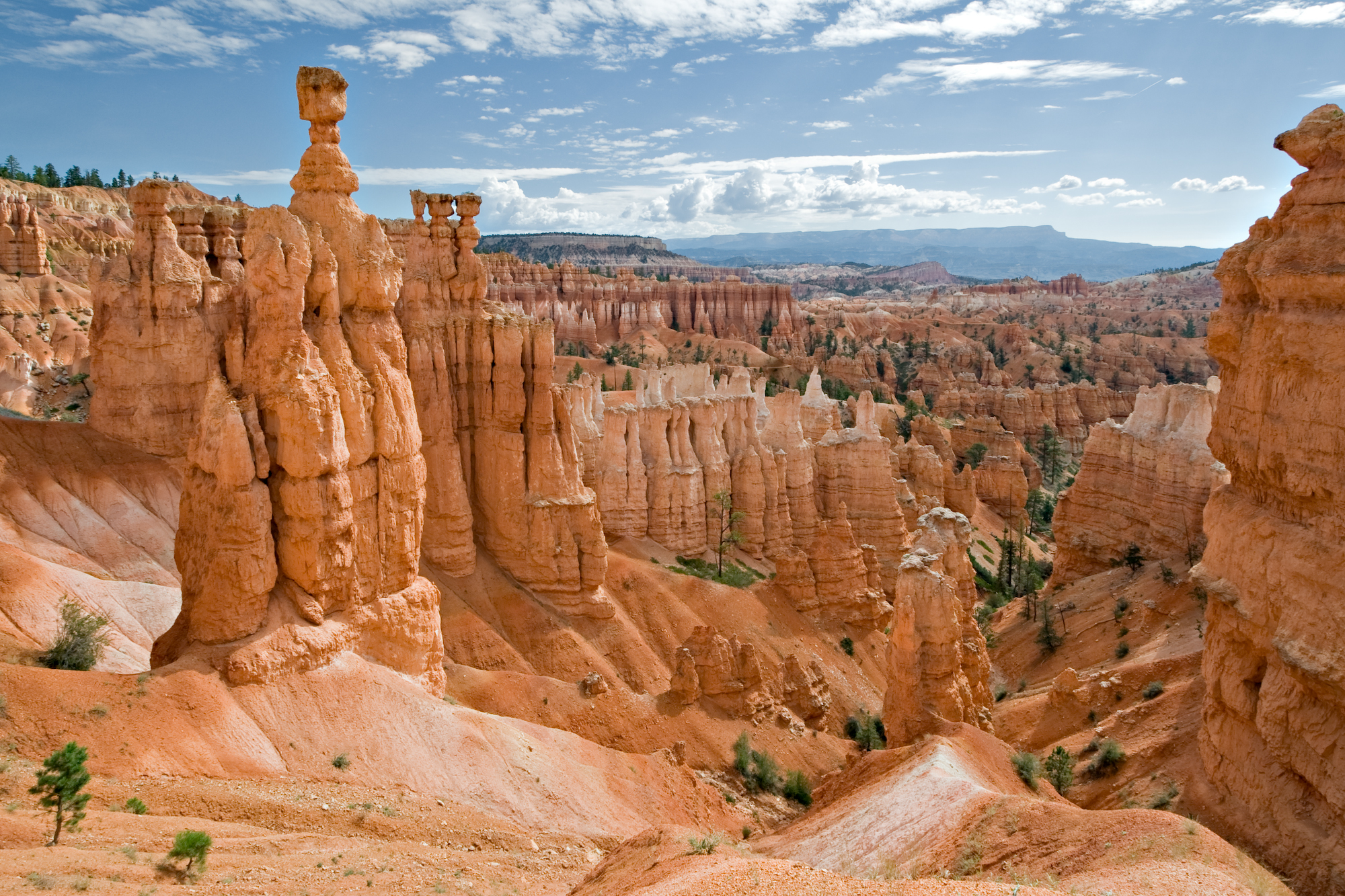
Nestled in the heart of Utah’s rugged and picturesque landscape, Bryce Canyon National Park stands as a testament to the extraordinary power of erosion and the marvels it can create. Renowned for its unique collection of hoodoos, Bryce Canyon is a geological masterpiece that has captivated visitors for generations.
Contrary to its name, Bryce Canyon is not actually a canyon but a series of natural amphitheaters carved into the edge of the Paunsaugunt Plateau. The park’s main attraction lies in its vibrant and whimsical rock formations known as hoodoos. These towering spires, with their distinctive orange, pink, and red hues, stand like sentinels in the canyon, creating an otherworldly and surreal landscape.
The creation of these hoodoos is a result of millions of years of geological processes. The forces of erosion, including the freezing and thawing of water, have gradually shaped the soft limestone and sedimentary rock layers into these fascinating formations. Over time, rainwater and ice have sculpted the rocks, revealing a multitude of delicate arches, bridges, and windows. The park’s unique climate, with its freeze-thaw cycles, plays a crucial role in the ongoing formation of hoodoos.
The most famous viewpoint in Bryce Canyon National Park is Bryce Amphitheater, where visitors can witness a breathtaking panorama of the park’s remarkable hoodoos. Sunrise and sunset paint the sky with vibrant colors, casting an ethereal glow upon the already mystical landscape, making these times of day particularly enchanting for visitors. The park also offers numerous hiking trails, allowing visitors to explore the hoodoos up close and experience the landscape’s beauty from different perspectives.
Bryce Canyon’s unique geology and stunning scenery have made it a popular destination for tourists, photographers, and outdoor enthusiasts. The park’s diverse ecosystems, ranging from high desert to alpine forests, support a variety of plant and animal species. Visitors can encounter wildlife such as mule deer, pronghorn, and a variety of bird species, adding to the park’s appeal.
5. Arches National Park (Utah)
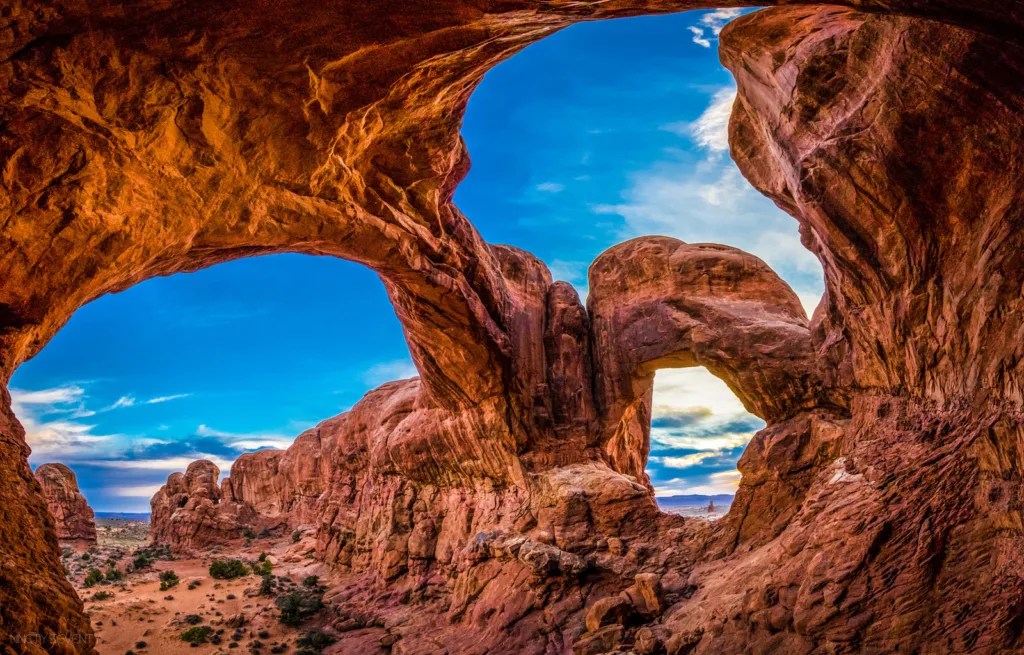
In the rugged desert landscape of southeastern Utah, Arches National Park stands as a testament to the remarkable power of erosion and the stunning beauty it can create. Known for its extraordinary natural stone arches, this iconic park showcases a collection of unique geological formations that have captivated visitors from around the world.
Arches National Park is home to over 2,000 natural sandstone arches, making it the largest concentration of arches in the world. These arches are the result of millions of years of geologic processes, including the deposition of sand dunes, followed by erosion by wind, water, and ice. The contrasting red-orange sandstone against the bright blue sky creates a striking visual spectacle that is a hallmark of the American Southwest.
The park’s unique geology is a result of a combination of factors, including the presence of salt beds beneath the surface. These salt beds, deposited during the Pennsylvanian period, have influenced the formation of the park’s arches and other rock formations. As the salt beds shifted and dissolved, they created weaknesses in the overlying rock, allowing erosion to sculpt the landscape into its current form.
Some of the most famous arches in the park include Delicate Arch, Landscape Arch, and Double Arch. Delicate Arch, with its iconic freestanding structure, has become a symbol of Utah and is one of the most photographed landmarks in the park. Landscape Arch, one of the longest natural arches in the world, spans an impressive 290 feet (88 meters) and is a testament to the delicate balance of nature’s forces.
Arches National Park also offers a diverse range of hiking trails, allowing visitors to explore the park’s unique geology and stunning scenery. From short, easy walks to challenging backcountry hikes, the park provides opportunities for visitors of all skill levels to experience its beauty. The park’s diverse ecosystems support a variety of plant and animal species, adding to its appeal.
6. Devils Tower (Wyoming)
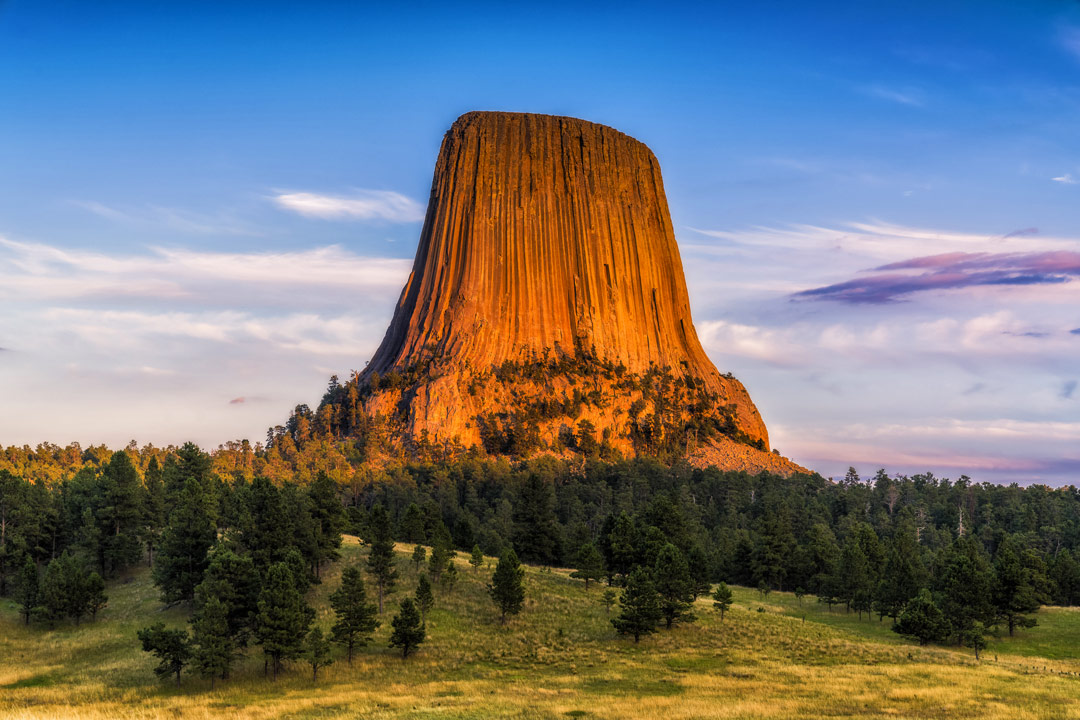
Rising dramatically from the rolling plains of northeastern Wyoming, Devils Tower is an iconic geologic formation that has captured the imagination of both Native American tribes and modern-day visitors. As the first national monument in the United States, Devils Tower stands as a testament to the country’s commitment to preserving its natural wonders.
This impressive igneous intrusion is a monolithic rock formation that reaches a height of 867 feet (264 meters) above the surrounding landscape. Its unique appearance, with vertical columns and hexagonal patterns, sets it apart from other geologic formations in the region. These columns were formed by the slow cooling and solidification of molten rock, followed by millions of years of erosion that stripped away the softer surrounding rock layers.
The formation of Devils Tower began during the Late Triassic period, around 50 million years ago, when magma intruded into the sedimentary rock layers but did not reach the surface. As the magma cooled and solidified, it formed the distinctive columns seen today. Over time, erosion removed the surrounding sedimentary rock, exposing the tower and creating its dramatic appearance.
Devils Tower holds cultural significance for many Native American tribes, including the Lakota, Cheyenne, and Kiowa. These tribes have long regarded the tower as a sacred site, and their legends and stories are deeply connected to its formation. One such legend tells of a group of girls who were chased by a giant bear and sought refuge on a rock that grew into the sky, with the bear’s claws creating the tower’s distinctive columns.
Today, Devils Tower is a popular destination for rock climbers, hikers, and tourists. The tower’s unique geology and striking appearance make it a must-see attraction for visitors to the region. The surrounding area, managed by the National Park Service, offers hiking trails, interpretive programs, and opportunities for wildlife viewing, providing a rich and immersive experience for visitors.
7. The Wave (Arizona, Utah)
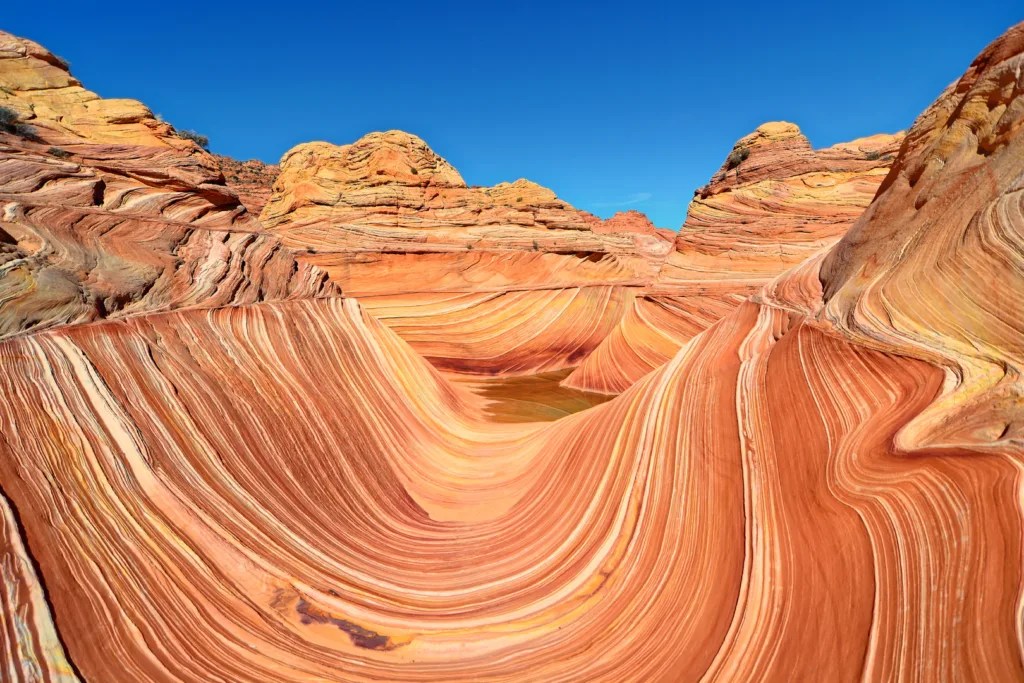
Located on the border of Arizona and Utah within the Paria Canyon-Vermilion Cliffs Wilderness, The Wave is a mesmerizing and otherworldly geologic formation that has become an iconic symbol of the American Southwest. Its unique and surreal beauty has made it one of the most sought-after destinations for outdoor enthusiasts, photographers, and nature lovers alike.
The Wave is characterized by its undulating, wave-like patterns that are etched into the sandstone rock, creating a mesmerizing and dreamlike landscape. These intricate and delicate patterns were formed over thousands of years by the erosive forces of wind and water, sculpting the sandstone into a work of art. The vibrant red, orange, and yellow hues of the rock add to the formation’s visual appeal, creating a stunning contrast against the clear blue sky.
The formation of The Wave began during the Jurassic period, around 190 million years ago, when sand dunes covered the region. Over time, these dunes were buried and compacted into sandstone. The unique patterns seen today are the result of differential erosion, where softer layers of rock erode more quickly than harder layers, creating the wave-like shapes.
Access to The Wave is strictly controlled to preserve its delicate environment. A limited number of permits are issued each day, and visitors must enter a lottery to obtain one. This system helps to protect the fragile sandstone formations from damage and ensures that the area remains pristine for future generations.
The Wave’s remote location and challenging terrain add to its allure. Visitors must hike several miles through the rugged desert to reach the formation, navigating through unmarked trails and navigating the harsh conditions of the region. Despite the challenges, those who make the journey are rewarded with one of the most unique and breathtaking landscapes in the world.
8. Mount Rushmore (South Dakota)
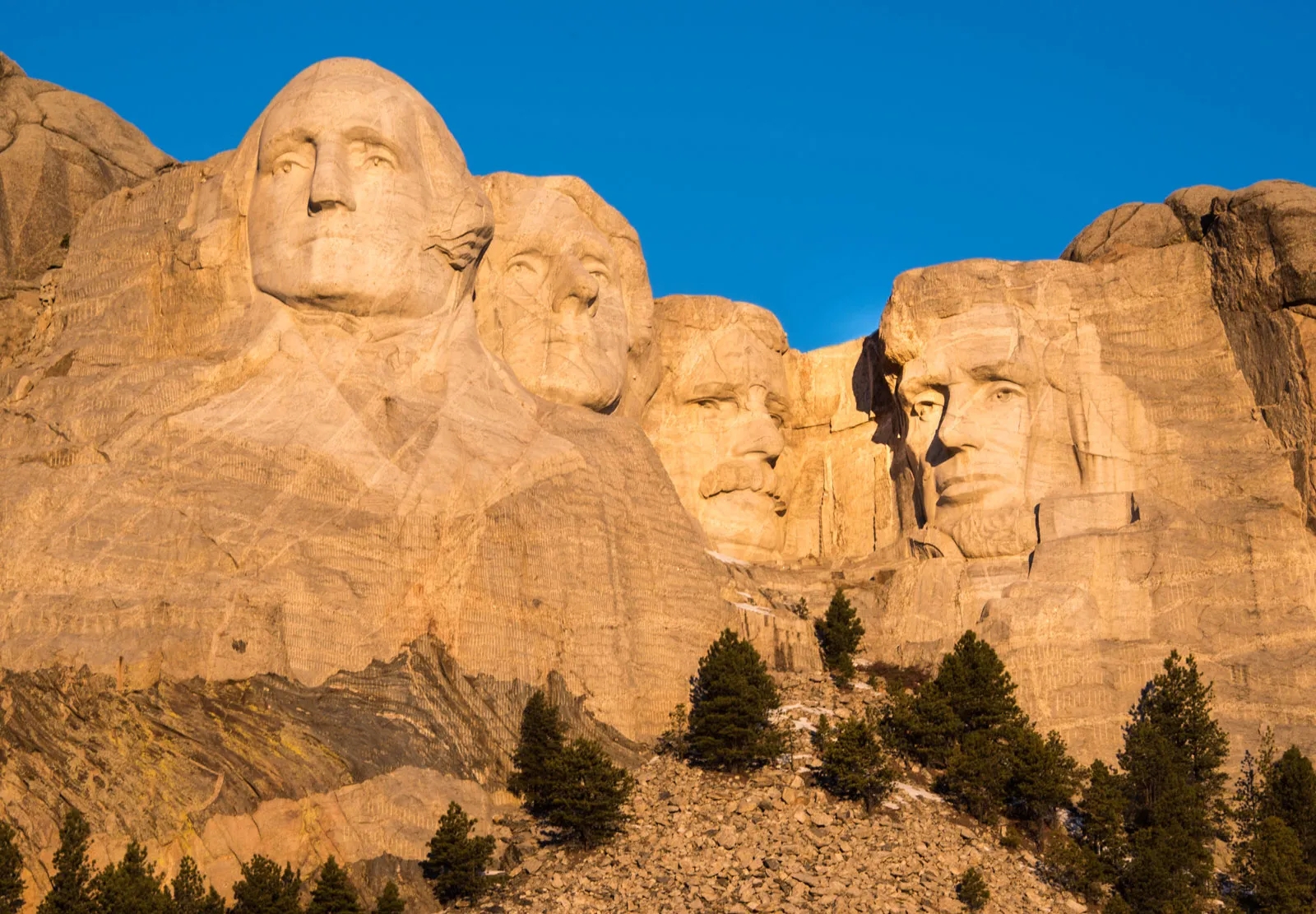
Mount Rushmore, located in the Black Hills of South Dakota, is an iconic geologic and historical monument that represents the rich cultural heritage of the United States. Carved into the granite face of the mountain, the sculpture features the faces of four of the country’s most revered presidents: George Washington, Thomas Jefferson, Abraham Lincoln, and Theodore Roosevelt.
The creation of Mount Rushmore began in 1927 under the direction of sculptor Gutzon Borglum. Over the course of 14 years, with the help of hundreds of workers, the massive granite faces were meticulously sculpted, enduring challenging conditions and engineering feats. Each face measures approximately 60 feet (18 meters) in height and is a testament to human ingenuity and artistic craftsmanship.
The choice of granite for the sculpture was deliberate, as the rock’s hardness and durability ensured that the monument would withstand the test of time. The Black Hills region, where Mount Rushmore is located, is known for its unique geology, with ancient granite formations that date back over a billion years. The granite’s fine grain and uniform texture made it an ideal medium for the detailed carving required for the monument.
Mount Rushmore is not only a symbol of American history and culture but also a testament to the country’s commitment to preserving its natural and cultural heritage. The monument attracts millions of visitors each year, who come to marvel at the artistry and craftsmanship of the sculpture and to reflect on the contributions of the presidents it honors.
The surrounding area, managed by the National Park Service, offers a variety of activities and attractions for visitors. These include hiking trails, interpretive programs, and a visitor center with exhibits on the history and geology of the region. The monument’s location in the Black Hills also provides opportunities for exploring the area’s natural beauty, with its rugged landscapes, diverse wildlife, and rich cultural history.
9. Antelope Canyon (Arizona)
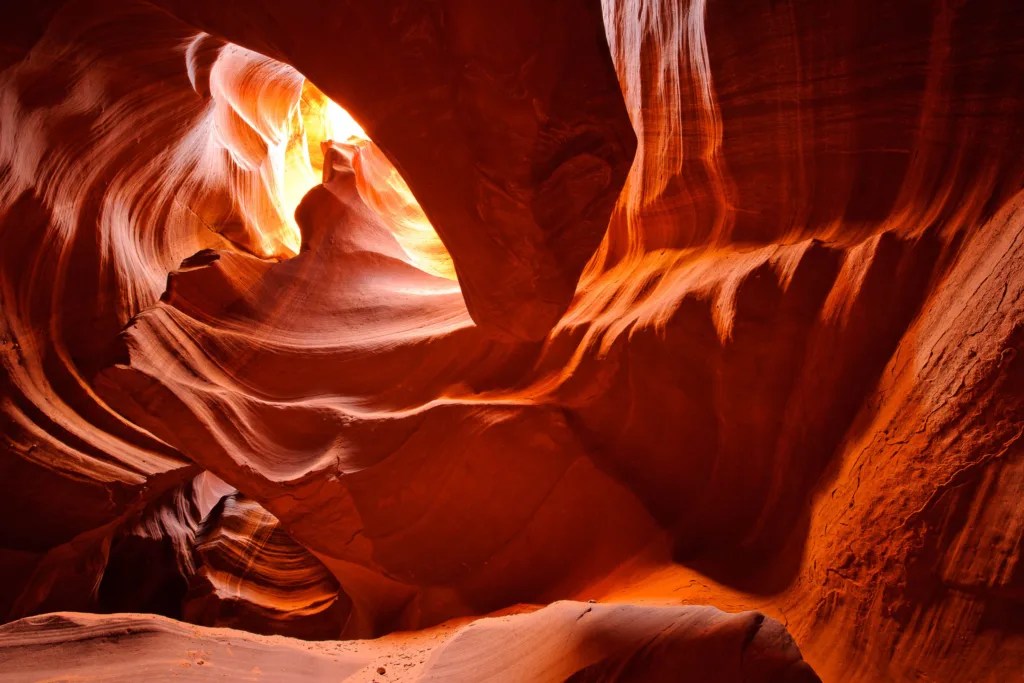
Antelope Canyon, located in the heart of the Navajo Nation in Arizona, is a breathtaking slot canyon that has become an icon of natural beauty and wonder. Carved over thousands of years by the forces of water and wind, Antelope Canyon offers a surreal and ethereal landscape that captivates visitors with its stunning rock formations and light beams.
Divided into two sections, Upper Antelope Canyon (also known as “The Crack”) and Lower Antelope Canyon (also known as “The Corkscrew”), both sections showcase narrow, twisting passageways and towering sandstone walls. The unique erosion patterns and smooth curves of the canyon walls create a visually striking environment, making it a paradise for photographers and nature enthusiasts.
The formation of Antelope Canyon began millions of years ago, during the Jurassic period, when sand dunes covered the region. Over time, these dunes were buried and compacted into sandstone. The canyon’s unique shapes and patterns are the result of flash flooding, which occurs when heavy rains flow rapidly through the narrow canyon, carving the rock into its current form. The smooth, flowing curves of the canyon walls are a testament to the power of water and the beauty it can create.
Upper Antelope Canyon is known for its narrow, V-shaped passageways and the stunning light beams that filter through the narrow openings at the top of the canyon. These light beams, which occur primarily during the summer months, create a magical and otherworldly atmosphere, illuminating the canyon’s walls with a soft, ethereal glow. Lower Antelope Canyon, with its wider, A-shaped passageways, offers a different but equally captivating experience, with its intricate rock formations and vibrant colors.
Antelope Canyon is a place of cultural significance for the Navajo people, who have lived in the region for centuries. The canyon is considered a sacred site, and its beauty and serenity are deeply connected to Navajo traditions and spirituality. Today, guided tours led by Navajo guides offer visitors the opportunity to explore the canyon and learn about its geology, history, and cultural significance.
10. Yosemite Valley (California)
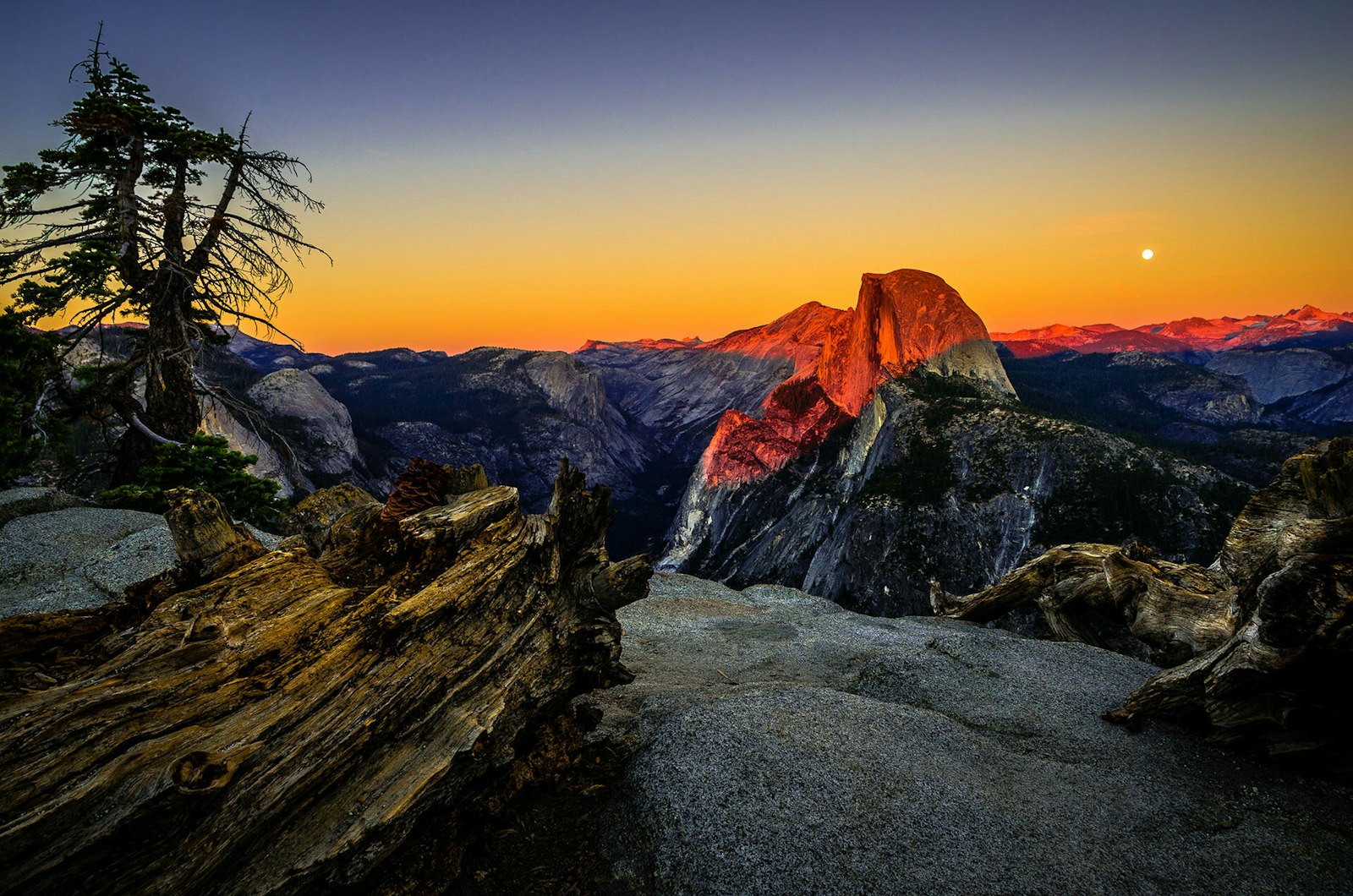
Yosemite Valley’s diverse ecosystems support a wide variety of plant and animal species, from the towering sequoias in Mariposa Grove to the meadows and forests that blanket the valley floor. The valley’s flora includes a mix of coniferous and deciduous trees, wildflowers, and shrubs, creating a vibrant tapestry of colors throughout the seasons. In the spring, the valley comes alive with blooming dogwood trees and lush greenery, while autumn brings a spectacular display of fall foliage.
The valley is also home to an array of wildlife, including black bears, mule deer, bobcats, and a variety of bird species. Visitors may encounter these animals while exploring the park’s numerous trails and scenic viewpoints. The presence of such diverse wildlife adds to the sense of wonder and connection to nature that Yosemite Valley inspires.
Yosemite Valley has a rich cultural history as well. The Ahwahneechee people, a Native American tribe, have lived in the region for thousands of years. Their deep connection to the land is reflected in their traditions, stories, and place names. The name “Yosemite” itself is derived from a Miwok word meaning “killer” or “grizzly bear,” reflecting the presence of these formidable animals in the area.
In the mid-19th century, European-American settlers and explorers began to discover the valley’s natural beauty. The efforts of early conservationists like John Muir and the establishment of Yosemite National Park in 1890 helped to preserve the valley and its surrounding wilderness for future generations. Today, Yosemite Valley is a UNESCO World Heritage Site and continues to be a symbol of the importance of environmental conservation.
Visitors to Yosemite Valley can enjoy a wide range of activities, from hiking and rock climbing to photography and wildlife watching. The park offers numerous trails, ranging from easy walks to challenging backcountry hikes, allowing visitors to explore its stunning landscapes up close. Popular trails include the Mist Trail to Vernal and Nevada Falls, the Yosemite Falls Trail, and the Half Dome hike, which requires a permit and a strenuous ascent.
In addition to its natural wonders, Yosemite Valley offers a variety of amenities and services for visitors. The historic Ahwahnee Hotel, Yosemite Lodge, and various campgrounds provide accommodations for those wishing to stay within the park. Visitor centers, museums, and guided tours offer educational opportunities and insights into the valley’s geology, ecology, and history.
Yosemite Valley’s breathtaking scenery, diverse ecosystems, and rich cultural heritage make it a destination of unparalleled beauty and significance. Whether gazing up at the towering granite cliffs, feeling the mist of a cascading waterfall, or simply enjoying the tranquility of a forested trail, visitors to Yosemite Valley are sure to be inspired by the majesty and wonder of this remarkable natural treasure.