
1. Grasberg (Indonesia)
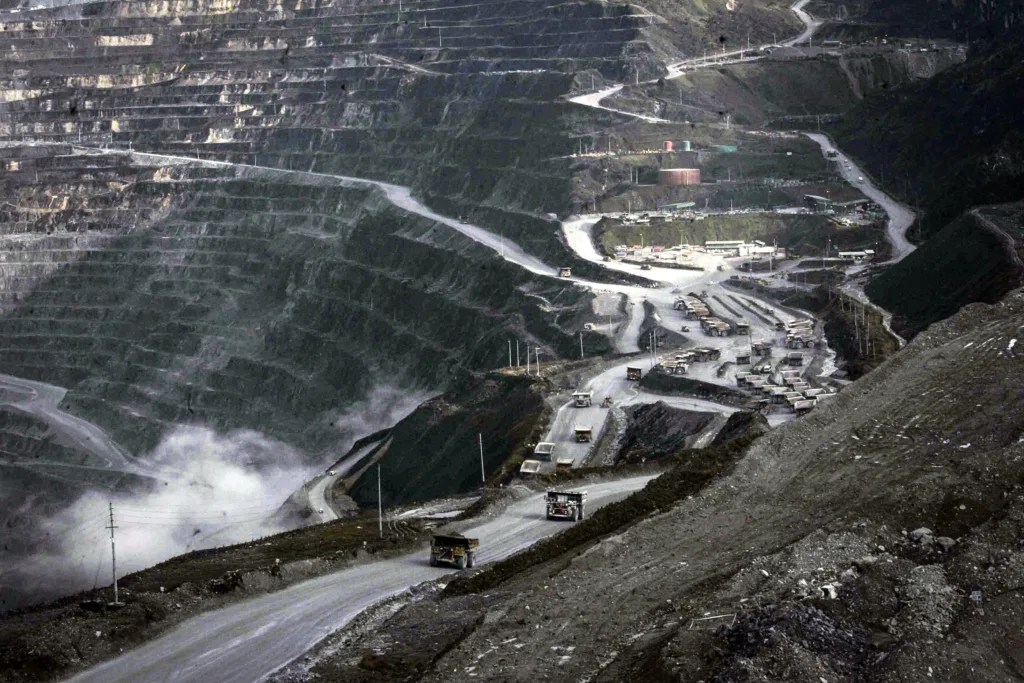
The Grasberg mine, located in the remote highlands of Papua, Indonesia, stands as a testament to the immense mineral wealth hidden within the Earth’s crust. This colossal copper and gold deposit is not only one of the world’s largest mines but also a prime example of a porphyry copper-gold system, offering invaluable insights into the geological processes that create such mineral-rich formations.
Porphyry copper-gold systems, like Grasberg, typically form in volcanic environments and are the result of complex geological processes that occur over millions of years. These systems begin with the intrusion of magma into the Earth’s crust. As this magma cools and crystallizes, it releases mineral-rich fluids that permeate the surrounding rock. These fluids, superheated and under immense pressure, carry dissolved metals, including copper and gold, through fractures and pores in the rock. As the fluids cool and pressure decreases, these metals precipitate out of solution, forming the ore deposits that miners seek.
The Grasberg deposit is particularly noteworthy for its size and grade. The ore body extends from the surface to depths exceeding 1,000 meters, with gold grades that are exceptionally high for a porphyry system. This richness is attributed to multiple phases of mineralization, where successive pulses of mineral-rich fluids have concentrated the valuable metals over time.
The geological setting of Grasberg is equally fascinating. The deposit is situated within the Cenozoic Central Range of New Guinea, a region characterized by complex tectonic activity. This area has been shaped by the collision of the Australian and Pacific plates, resulting in intense folding, faulting, and volcanic activity. These tectonic forces have played a crucial role in the formation and exposure of the Grasberg deposit.
Mining operations at Grasberg involve both open-pit and underground methods. The open-pit mine, with its distinctive terraced walls, is visible from space and serves as a stark reminder of the scale of human intervention in the pursuit of mineral resources. As surface reserves deplete, the focus is shifting towards underground operations, presenting new challenges and opportunities for innovation in mining techniques.
The extraction and processing of ore from Grasberg is a complex endeavor. The ore contains not only copper and gold but also significant amounts of silver and molybdenum. Advanced metallurgical techniques are employed to separate and recover these valuable minerals, including flotation, leaching, and electrowinning processes.
While the Grasberg mine has been a significant source of revenue and development for Indonesia, it has also been the subject of environmental and social concerns. The remote location and high altitude of the mine present unique challenges for environmental management, particularly in terms of waste rock and tailings disposal. Efforts to mitigate these impacts include the implementation of advanced water treatment systems and ongoing environmental monitoring programs.
The study of the Grasberg deposit continues to contribute to our understanding of porphyry copper-gold systems worldwide. Geologists and mining engineers analyze the deposit’s characteristics to refine exploration models and improve mining techniques. The insights gained from Grasberg have implications not only for future mineral discoveries but also for our comprehension of the Earth’s crustal processes and the formation of mineral deposits over geological time.
As we look to the future, the Grasberg mine serves as a microcosm of the challenges and opportunities facing the global mining industry. It highlights the need for responsible resource extraction, technological innovation, and sustainable practices in mining operations. The ongoing development of this extraordinary deposit will undoubtedly continue to shape our understanding of geology, mineral formation, and the complex interplay between resource extraction and environmental stewardship.
2. Muruntau (Uzbekistan)
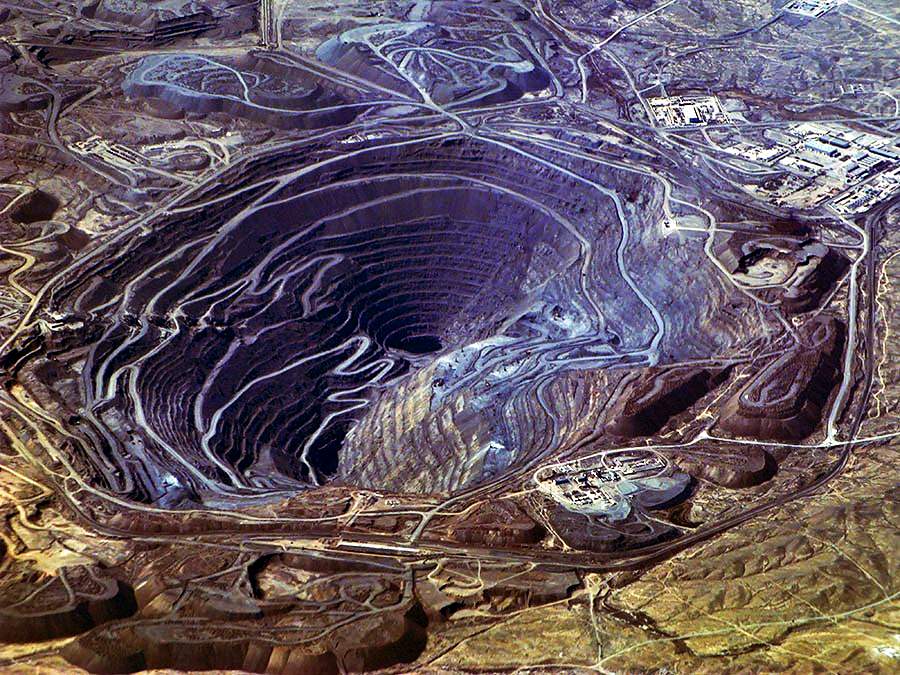
The Muruntau gold deposit, located in the Kyzylkum Desert of Uzbekistan, stands as a testament to the extraordinary mineral wealth that can be concealed within the Earth’s crust. As one of the largest open-pit gold mines in the world, Muruntau is a prime example of an orogenic gold deposit, formed through the complex geological processes associated with mountain-building events. This massive gold resource has not only shaped the economic landscape of Uzbekistan but has also provided invaluable insights into the formation and characteristics of orogenic gold deposits worldwide.
Orogenic gold deposits, like Muruntau, are typically found in ancient, deformed rocks and are characterized by the deposition of gold along faults and fractures as mineral-rich fluids circulate through the Earth’s crust. The formation of these deposits is intimately linked to tectonic processes, particularly the collision of continental plates and the subsequent deformation and metamorphism of crustal rocks. In the case of Muruntau, the deposit is associated with the formation of the Tien Shan mountain range, a process that began over 300 million years ago during the Hercynian orogeny.
The geological setting of Muruntau is complex and multifaceted. The gold mineralization is hosted primarily in metamorphosed sedimentary rocks, particularly carbonaceous shales and sandstones, which have been intruded by igneous bodies. These host rocks have undergone intense deformation and alteration, creating a network of fractures and shear zones that provided pathways for gold-bearing fluids. The gold at Muruntau is typically found in association with quartz veins and disseminated within altered wall rocks, often in microscopic form invisible to the naked eye.
What sets Muruntau apart from many other gold deposits is not just its size but also its remarkable consistency in gold grade. The deposit contains an estimated 150 million ounces of gold, with average grades that have remained economically viable even as mining has progressed to greater depths. This consistency is attributed to multiple episodes of gold mineralization, where successive pulses of hydrothermal fluids have enriched the deposit over time.
Mining operations at Muruntau began in the 1960s and have evolved significantly over the decades. The open-pit mine, which now reaches depths of over 600 meters, is a marvel of engineering and a testament to human ingenuity in resource extraction. As surface mining reaches its limits, plans are underway to transition to underground operations, presenting new challenges and opportunities for innovation in mining techniques.
The extraction and processing of ore from Muruntau involve a complex series of operations. The ore is typically processed through crushing, grinding, and various beneficiation techniques, including gravity concentration and cyanide leaching. The refractory nature of some of the ore presents additional challenges, requiring more advanced processing methods such as pressure oxidation or bio-oxidation to liberate the gold from sulfide minerals.
The Muruntau deposit has been instrumental in advancing our understanding of orogenic gold systems. Geologists study the deposit’s characteristics, including its structural controls, alteration patterns, and geochemical signatures, to refine exploration models for similar deposits worldwide. The insights gained from Muruntau have implications not only for future gold discoveries but also for our comprehension of crustal processes and the formation of mineral deposits over geological time.
Environmental and social considerations play a crucial role in the ongoing operations at Muruntau. The mine’s location in an arid desert environment presents unique challenges for water management and dust control. Efforts to mitigate environmental impacts include water recycling programs, dust suppression techniques, and progressive rehabilitation of mined areas. Additionally, the mine has been a significant driver of economic development in the region, providing employment and infrastructure development.
As we look to the future, the Muruntau deposit continues to be a focal point for geological research and mining innovation. The ongoing development of this extraordinary resource will undoubtedly contribute to our evolving understanding of orogenic gold deposits and the complex interplay between geological processes and mineral formation. Moreover, Muruntau serves as a case study in the sustainable and responsible extraction of mineral resources, balancing economic development with environmental stewardship and social responsibility.
3. Carlin Trend (USA)
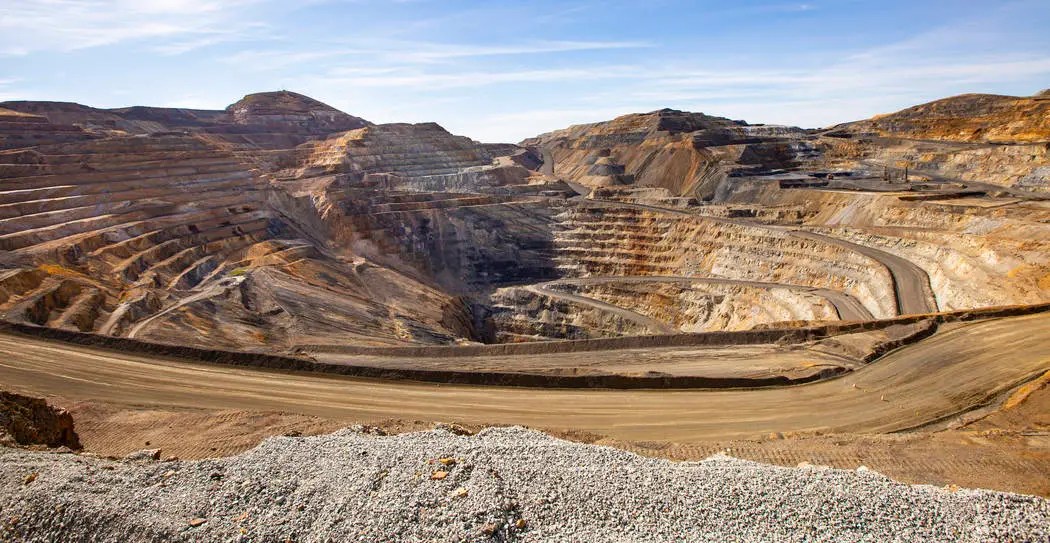
The Carlin Trend, located in northeastern Nevada, USA, is one of the most prolific gold-producing regions in the world and has revolutionized our understanding of certain types of gold deposits. Stretching over 60 kilometers in length, this remarkable geological feature is home to a series of deposits collectively known as Carlin-type gold deposits, named after the town of Carlin, Nevada, where they were first identified.
Carlin-type gold deposits are characterized by their unique mineralogy and mode of formation. Unlike many traditional gold deposits where gold is visible to the naked eye, the gold in Carlin-type deposits is typically microscopic, often less than 10 microns in size. This “invisible” gold is disseminated throughout the host rock, usually in association with minerals such as pyrite (fool’s gold) and arsenopyrite. The gold is often found as a solid solution within these sulfide minerals or as nanoparticles along crystal boundaries.
The geological setting of the Carlin Trend is complex and has been shaped by millions of years of tectonic activity. The gold mineralization is primarily hosted in Paleozoic sedimentary rocks, particularly carbonate rocks like limestone and dolomite. These rocks were deposited in ancient marine environments between 300 and 400 million years ago. Subsequent tectonic events, including the formation of the Basin and Range Province, created a network of faults and fractures that would later serve as conduits for gold-bearing fluids.
The formation of Carlin-type deposits is believed to be the result of hydrothermal activity, where hot, mineral-rich fluids circulated through the Earth’s crust. These fluids, likely derived from deep magmatic sources, dissolved gold and other elements from surrounding rocks. As these fluids moved upward through faults and fractures, changes in temperature, pressure, and chemical conditions caused the gold to precipitate out of solution and become concentrated in favorable host rocks.
One of the key characteristics of Carlin-type deposits is the extensive alteration of the host rocks. This alteration, known as decalcification or decarbonatization, involves the removal of carbonate minerals from the host rock, leaving behind a porous, silica-rich rock that is more receptive to gold mineralization. This process also results in the formation of distinctive alteration minerals such as jasperoid, which is often used as an exploration indicator.
The discovery and development of the Carlin Trend have had a profound impact on the global gold mining industry. Prior to the 1960s, these deposits were largely overlooked because traditional prospecting methods were ineffective in detecting the microscopic gold. The recognition of Carlin-type deposits led to the development of new exploration techniques, including geochemical sampling methods and advanced analytical technologies capable of detecting trace amounts of gold.
Mining operations along the Carlin Trend involve both open-pit and underground methods, depending on the depth and characteristics of individual deposits. The extraction of gold from Carlin-type ores presents unique challenges due to the microscopic nature of the gold and its association with sulfide minerals. Processing typically involves crushing and grinding the ore to a fine powder, followed by oxidation to break down the sulfide minerals and liberate the gold. This is often achieved through roasting or pressure oxidation, followed by cyanide leaching to recover the gold.
The Carlin Trend has been a major contributor to the United States’ gold production for decades, with cumulative production exceeding 50 million ounces. The region continues to be a focus of exploration and development, with new deposits still being discovered and brought into production. The success of the Carlin Trend has also spurred exploration for similar deposits worldwide, leading to discoveries in China, Macedonia, and other countries.
Environmental considerations play a crucial role in mining operations along the Carlin Trend. The use of cyanide in gold processing and the potential for acid mine drainage from sulfide-rich waste rock require careful management and monitoring. Mining companies operating in the region have implemented extensive environmental protection measures, including water treatment facilities, tailings management systems, and reclamation programs.
The study of the Carlin Trend continues to advance our understanding of ore deposit formation and improve exploration techniques for similar deposits worldwide. Geologists analyze the geochemical and structural characteristics of these deposits to refine exploration models and develop more effective targeting methods. The insights gained from the Carlin Trend have implications not only for future gold discoveries but also for our comprehension of crustal processes and the formation of mineral deposits over geological time.
As we look to the future, the Carlin Trend remains a critical resource for gold production and a living laboratory for geological research. The ongoing exploration and development of this extraordinary geological feature will undoubtedly continue to shape our understanding of gold mineralization processes and drive innovation in mining and mineral processing technologies.
4. Yanacocha (Peru)
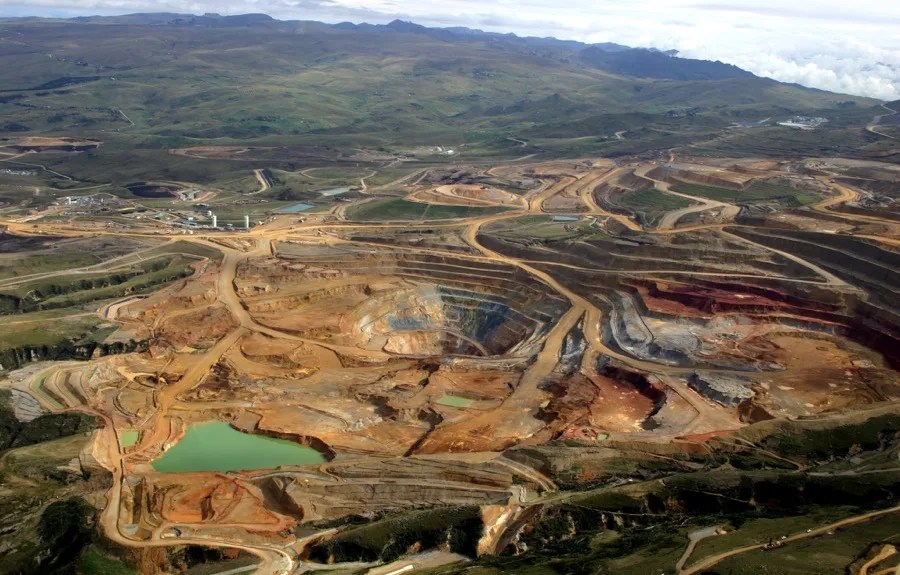
Yanacocha, located high in the Andes Mountains of northern Peru, stands as one of the largest gold mines in South America and a prime example of a high-sulfidation epithermal gold deposit. This massive mining complex, situated at an altitude of approximately 4,000 meters above sea level, has not only transformed the economic landscape of Peru but has also provided invaluable insights into the formation and characteristics of epithermal gold deposits.
Epithermal gold deposits, like Yanacocha, form relatively near the Earth’s surface, typically within the upper 1,500 meters of the crust. These deposits are the result of hydrothermal activity associated with volcanic systems, where hot, mineral-rich fluids circulate through the rock, depositing gold and other minerals as they cool and interact with the surrounding environment. The term “high-sulfidation” refers to the highly acidic nature of the mineralizing fluids, which results in a distinctive suite of alteration minerals and ore textures.
The geological setting of Yanacocha is intimately linked to the tectonic and volcanic history of the Andes Mountains. The deposit is situated within a volcanic caldera complex that formed during the Miocene epoch, approximately 11 to 14 million years ago. This volcanic activity was part of the broader Andean orogeny, a mountain-building event that has shaped the western margin of South America for millions of years.
The gold mineralization at Yanacocha is associated with intense hydrothermal alteration of the volcanic host rocks. This alteration process, driven by the circulation of acidic, sulfur-rich fluids, resulted in the formation of distinctive mineral assemblages, including alunite, pyrite, and enargite. The gold itself is often found in a very fine-grained form, associated with silica and sulfide minerals, making it challenging to extract through conventional mining methods.
What sets Yanacocha apart from many other gold deposits is not just its size but also its complex mineralogy and ore types. The deposit contains a variety of ore zones, ranging from oxide ores near the surface to sulfide ores at depth. This diversity in ore types necessitates a multi-faceted approach to mining and processing, with different extraction and treatment methods required for different parts of the deposit.
Mining operations at Yanacocha began in the early 1990s and have evolved significantly over the years. The complex consists of multiple open-pit mines, heap leach pads, and processing facilities. The high-altitude location presents unique challenges for mining operations, including harsh weather conditions and the need for specialized equipment capable of operating in thin air.
The extraction and processing of ore from Yanacocha involve a series of complex operations. For oxide ores, heap leaching is the primary method of gold recovery. This process involves stacking crushed ore on impermeable pads and irrigating it with a cyanide solution to dissolve the gold. The gold-bearing solution is then collected and processed to recover the precious metal. For sulfide ores, more complex processing methods are required, including flotation and pressure oxidation, to liberate the gold from the sulfide minerals.
Environmental considerations have played a crucial role in the development and operation of Yanacocha. The high-altitude, sensitive ecosystem in which the mine operates requires careful management of water resources, biodiversity, and land use. The mining company has implemented extensive environmental protection measures, including water treatment facilities, reforestation programs, and community development initiatives. However, the mine has not been without controversy, with concerns raised over its environmental impact and relationships with local communities.
The study of the Yanacocha deposit has significantly advanced our understanding of high-sulfidation epithermal systems. Geologists analyze the deposit’s characteristics, including its alteration patterns, fluid inclusions, and isotopic signatures, to refine models for similar deposits worldwide. The insights gained from Yanacocha have implications not only for future gold discoveries but also for our comprehension of volcanic-related hydrothermal systems and the formation of mineral deposits in convergent tectonic settings.
As we look to the future, Yanacocha continues to be a focal point for geological research and mining innovation. The ongoing development of this extraordinary deposit will undoubtedly contribute to our evolving understanding of epithermal gold systems and the complex interplay between volcanic activity, hydrothermal processes, and mineral formation. Moreover, Yanacocha serves as a case study in the challenges and opportunities of large-scale mining operations in sensitive, high-altitude environments, balancing economic development with environmental stewardship and social responsibility.
5. Super Pit (Australia)
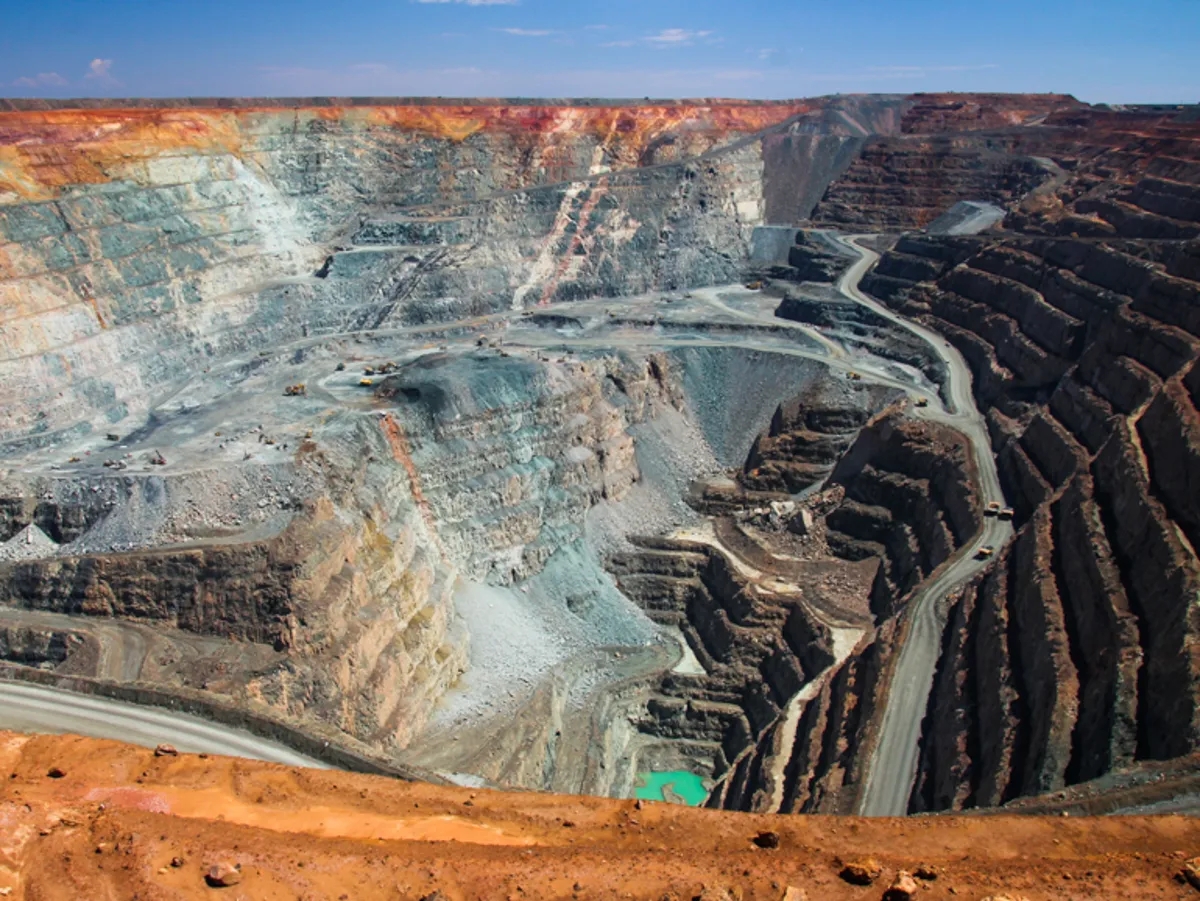
The Super Pit is part of the Kalgoorlie-Boulder goldfield, which is situated within the Norseman-Wiluna Greenstone Belt, a part of the larger Yilgarn Craton. This geological setting is characterized by a complex assemblage of metamorphosed volcanic and sedimentary rocks, intruded by various igneous bodies. The gold mineralization in this area is primarily associated with shear zones and quartz veins that formed during periods of tectonic activity and hydrothermal fluid circulation.
The history of gold mining in Kalgoorlie dates back to the late 19th century, when prospectors Paddy Hannan, Tom Flanagan, and Dan Shea discovered gold in the area in 1893. This discovery sparked a gold rush that led to the rapid development of the region. Over the years, numerous small underground mines operated in the area, gradually coalescing into larger operations.
The Super Pit itself was created in 1989 when Alan Bond’s company, Bond International Gold, purchased all the individual leases in the area and consolidated them into a single open-pit mine. The creation of the Super Pit allowed for the efficient extraction of lower-grade ore that was uneconomical to mine through underground methods, as well as the reprocessing of old tailings and waste rock dumps.
The scale of the Super Pit is truly impressive. At its full extent, the pit measures approximately 3.5 kilometers long, 1.5 kilometers wide, and over 600 meters deep. The sheer size of the operation presents unique challenges in terms of mine planning, equipment management, and environmental control.
Mining operations at the Super Pit involve a continuous cycle of drilling, blasting, loading, and hauling. Massive trucks, capable of carrying up to 225 tonnes of rock, operate around the clock to remove ore and waste rock from the pit. The extracted ore is processed through crushing, grinding, and carbon-in-leach (CIL) circuits to recover the gold.
One of the fascinating aspects of the Super Pit is the visibility of geological features within its walls. The exposed rock faces provide a three-dimensional view of the complex geology of the area, including folded and faulted rock units, intrusive dikes, and the gold-bearing quartz veins. This exposure has made the Super Pit not only a working mine but also an invaluable resource for geological research and education.
The gold mineralization in the Super Pit is primarily associated with a network of quartz veins and altered host rocks. The gold occurs in various forms, including free gold and gold associated with sulfide minerals such as pyrite. This diversity in gold occurrence necessitates a multi-faceted approach to ore processing to ensure maximum gold recovery.
Environmental management is a crucial aspect of operations at the Super Pit. The scale of the mine and its proximity to the city of Kalgoorlie-Boulder require careful consideration of dust control, water management, and noise mitigation. Extensive rehabilitation efforts are ongoing, with plans for the eventual conversion of the pit into a recreational lake once mining operations cease.
The Super Pit has been a significant contributor to Australia’s gold production for decades, producing over 20 million ounces of gold since its inception. However, like all mines, it faces the challenge of declining ore grades and increasing depths as the most accessible resources are depleted. This has led to ongoing exploration efforts to identify new ore bodies and the development of innovative mining and processing techniques to maintain economic viability.
The study of the Super Pit and the surrounding Kalgoorlie-Boulder goldfield continues to advance our understanding of Archean gold deposits. Geologists analyze the structural controls on mineralization, alteration patterns, and geochemical signatures to refine exploration models for similar deposits worldwide. The insights gained from the Super Pit have implications not only for future gold discoveries in Australia but also for our comprehension of the formation and evolution of Earth’s early crust.
As we look to the future, the Super Pit remains an important part of Australia’s mining landscape and a symbol of the country’s gold mining heritage. The ongoing operations and eventual closure and rehabilitation of this massive mine will provide valuable lessons in sustainable mining practices and the long-term management of large-scale mining impacts.
The Super Pit serves as a reminder of the profound impact that mining can have on the landscape and local communities, while also highlighting the technological advancements and engineering feats that make such operations possible. As the mine evolves, it continues to play a crucial role in shaping our understanding of Archean geology, gold mineralization processes, and the complex interplay between resource extraction, environmental stewardship, and community development.
6. Olimpiada (Russia)
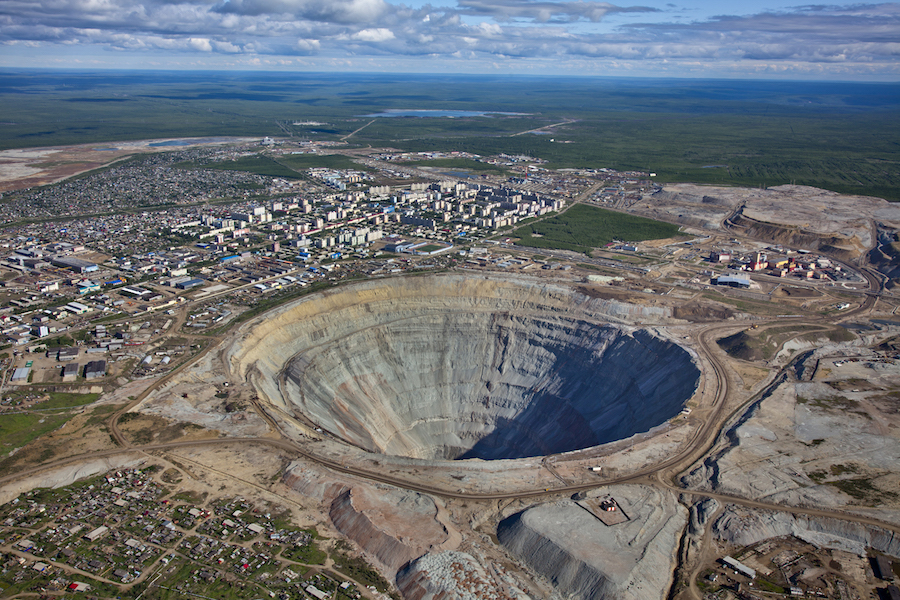
The Olimpiada gold mine, located in the Krasnoyarsk Krai region of Russia, stands as one of the largest gold deposits in the country and a significant contributor to global gold production. Situated within the Russian Siberian Craton, this remarkable deposit showcases the diverse and complex nature of gold mineralization in ancient continental blocks.
The Siberian Craton, where Olimpiada is located, is one of the oldest and most stable parts of the Earth’s crust, with a geological history spanning over 3 billion years. This long and complex history has resulted in the formation of various types of mineral deposits, including both orogenic and intrusion-related gold deposits. The Olimpiada deposit itself is a prime example of this geological diversity, exhibiting characteristics of both deposit types.
The gold mineralization at Olimpiada is primarily hosted in metasedimentary rocks, particularly carbonaceous shales and limestones, which have undergone varying degrees of metamorphism. These host rocks are part of a larger sequence of Proterozoic-aged sedimentary and volcanic rocks that were deposited and subsequently deformed during ancient mountain-building events.
What makes Olimpiada particularly interesting from a geological perspective is its association with antimony mineralization. The gold is often found in close association with stibnite (antimony sulfide), creating a complex ore that requires specialized processing techniques. This gold-antimony association is somewhat unusual and has led to extensive research into the genesis of the deposit.
The formation of the Olimpiada deposit is believed to be the result of multiple mineralizing events. The primary gold mineralization is thought to be related to orogenic processes, where gold-bearing fluids were mobilized during deep crustal deformation and metamorphism. These fluids moved upwards along structural pathways, depositing gold and other minerals as they cooled and interacted with the host rocks. Later intrusive activity may have remobilized and further concentrated the gold, adding an intrusion-related component to the deposit.
Mining operations at Olimpiada began in the 1990s and have since expanded significantly. The mine operates as an open-pit operation, with plans for eventual underground mining as the deposit extends to greater depths. The scale of the operation is impressive, with the open pit reaching depths of over 500 meters and spanning several kilometers in length.
The extraction and processing of ore from Olimpiada present unique challenges due to the complex nature of the mineralization. The ore is typically processed through a series of crushing and grinding stages, followed by flotation to concentrate the gold-bearing sulfides. The concentrate then undergoes bio-oxidation, a process that uses bacteria to break down the sulfide minerals and liberate the gold. This is followed by cyanide leaching and carbon adsorption to recover the gold.
Environmental considerations play a crucial role in the operation of Olimpiada, particularly given its location in the sensitive Siberian ecosystem. The mine operators have implemented extensive environmental management systems, including water treatment facilities, tailings management, and ongoing rehabilitation efforts. The harsh Siberian climate, with extreme temperature variations, also presents unique challenges for mine operation and environmental management.
The study of the Olimpiada deposit has significantly advanced our understanding of gold mineralization in cratonic settings. Geologists analyze the structural controls on mineralization, fluid inclusion characteristics, and isotopic signatures to refine models for similar deposits worldwide. The insights gained from Olimpiada have implications not only for future gold discoveries in Russia but also for our comprehension of the long-term evolution of mineral systems in stable continental blocks.
As one of Russia’s premier gold mines, Olimpiada plays a crucial role in the country’s mineral economy. The ongoing development and operation of the mine contribute significantly to regional employment and economic development. However, like many large-scale mining operations, it also faces challenges in balancing economic benefits with environmental and social responsibilities.
Looking to the future, Olimpiada continues to be a focal point for geological research and mining innovation. The complex nature of the ore body and the challenging operating environment drive ongoing advancements in mining and processing technologies. As the mine evolves, it will undoubtedly continue to provide valuable insights into the formation of gold deposits in ancient cratons and the sustainable extraction of mineral resources in sensitive environments.
The Olimpiada mine serves as a testament to the rich mineral endowment of the Siberian Craton and the technical expertise required to successfully exploit such complex deposits. As global demand for gold continues, operations like Olimpiada will play a crucial role in meeting this demand while also serving as laboratories for advancing our understanding of Earth’s geological processes and improving mining practices.
7. Pueblo Viejo (Dominican Republic)
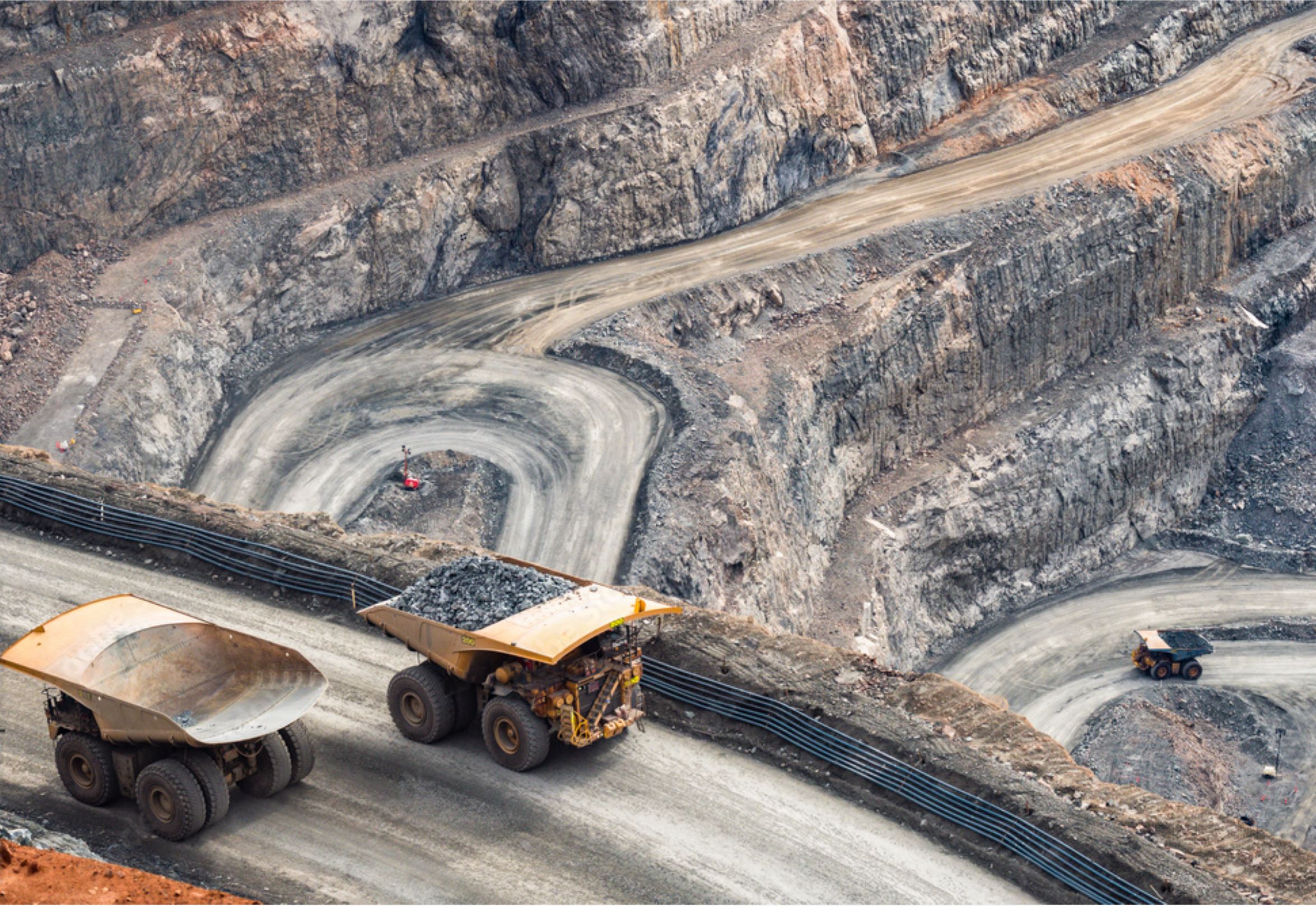
Pueblo Viejo, located in the Dominican Republic, is one of the largest gold mines in the Western Hemisphere and a prime example of a high-sulfidation epithermal gold deposit. This world-class mine has not only transformed the economic landscape of the Dominican Republic but has also provided valuable insights into the formation and characteristics of epithermal gold systems in volcanic environments.
High-sulfidation epithermal deposits, like Pueblo Viejo, form in volcanic settings where hot, acidic, and sulfur-rich fluids circulate near the Earth’s surface. These deposits are characterized by their unique mineral assemblages and alteration patterns, which reflect the highly reactive nature of the mineralizing fluids. The Pueblo Viejo deposit is particularly noteworthy for its size, grade, and complex mineralogy.
The geological setting of Pueblo Viejo is intimately linked to the tectonic and volcanic history of the Caribbean region. The deposit is situated within the Cretaceous-aged Los Ranchos Formation, a sequence of volcanic and volcaniclastic rocks that formed as part of an island arc system approximately 110-130 million years ago. This volcanic activity was associated with the subduction of oceanic crust beneath the Caribbean Plate, creating an environment conducive to the formation of mineral-rich hydrothermal systems.
The gold mineralization at Pueblo Viejo is associated with intense hydrothermal alteration of the volcanic host rocks. This alteration process, driven by the circulation of acidic, sulfur-rich fluids, resulted in the formation of distinctive mineral assemblages, including pyrite, enargite, and various clay minerals. The gold itself is often found in a very fine-grained form, associated with sulfide minerals, making it challenging to extract through conventional mining methods.
One of the unique aspects of Pueblo Viejo is the presence of multiple ore types within the deposit. These include oxide ores near the surface, which are relatively easy to process, and refractory sulfide ores at depth, which require more complex extraction techniques. This diversity in ore types necessitates a multi-faceted approach to mining and processing, with different extraction and treatment methods required for different parts of the deposit.
The history of mining at Pueblo Viejo dates back to the 1970s, but the current large-scale operation began in 2012 after extensive redevelopment of the site. The mine employs both open-pit mining methods and advanced processing technologies to extract gold from the complex ore body. The scale of the operation is impressive, with the mine processing tens of thousands of tonnes of ore daily.
The extraction and processing of ore from Pueblo Viejo involve a series of complex operations. For the refractory sulfide ores, which make up a significant portion of the deposit, a pressure oxidation process is employed. This involves treating the ore in large autoclaves under high temperature and pressure conditions to break down the sulfide minerals and liberate the gold. This is followed by cyanide leaching and carbon adsorption to recover the precious metals.
Environmental considerations have played a crucial role in the development and operation of Pueblo Viejo. The mine site, which was previously operated by another company, required extensive environmental remediation before the current operation could begin. This included the treatment of acidic water bodies, the stabilization of old tailings facilities, and the implementation of comprehensive water management systems. The current operators have implemented state-of-the-art environmental protection measures, including water treatment facilities, biodiversity conservation programs, and community development initiatives.
The study of the Pueblo Viejo deposit has significantly advanced our understanding of high-sulfidation epithermal systems. Geologists analyze the deposit’s characteristics, including its alteration patterns, fluid inclusions, and isotopic signatures, to refine models for similar deposits worldwide. The insights gained from Pueblo Viejo have implications not only for future gold discoveries but also for our comprehension of volcanic-related hydrothermal systems and the formation of mineral deposits in island arc settings.
Pueblo Viejo’s impact extends beyond geology and mining. The mine is a major contributor to the Dominican Republic’s economy, providing significant employment, tax revenues, and infrastructure development. However, like many large-scale mining operations, it also faces challenges in balancing economic benefits with environmental and social responsibilities.
As we look to the future, Pueblo Viejo continues to be a focal point for geological research and mining innovation. The ongoing development of this extraordinary deposit will undoubtedly contribute to our evolving understanding of epithermal gold systems and the complex interplay between volcanic activity, hydrothermal processes, and mineral formation. Moreover, Pueblo Viejo serves as a case study in the rehabilitation and responsible development of legacy mine sites, demonstrating how modern mining practices can address historical environmental issues while creating economic opportunities.
The Pueblo Viejo mine stands as a testament to the mineral potential of the Caribbean region and the technical expertise required to successfully exploit complex ore bodies. As global demand for gold continues, operations like Pueblo Viejo will play a crucial role in meeting this demand while also serving as laboratories for advancing our understanding of Earth’s geological processes and improving sustainable mining practices.
8. Cortez (USA)
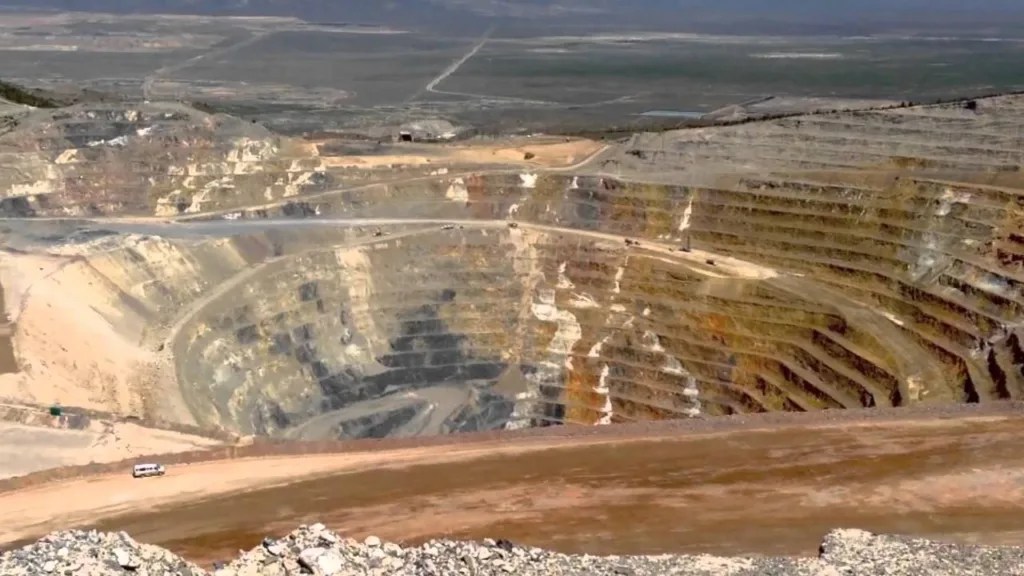
The Cortez mine complex, located in Nevada, USA, is one of North America’s largest and most productive gold mining operations. Situated along the Battle Mountain-Eureka trend, Cortez is renowned for its Carlin-type gold deposits, which have revolutionized gold mining in the region and significantly contributed to Nevada’s status as a major gold-producing state.
Carlin-type gold deposits, named after the town of Carlin, Nevada, where they were first identified, are characterized by their unique mineralogy and mode of formation. These deposits typically host microscopic gold particles disseminated within sedimentary rocks, particularly carbonate rocks like limestone and dolomite. The gold is often associated with pyrite and other sulfide minerals, making it invisible to the naked eye and requiring specialized processing techniques for extraction.
The geological setting of the Cortez mine complex is intrinsically linked to the complex tectonic history of the western United States. The gold mineralization is primarily hosted in Paleozoic sedimentary rocks that were deposited in ancient marine environments between 300 and 400 million years ago. These rocks were subsequently deformed and altered by tectonic events, creating a network of faults and fractures that would later serve as conduits for gold-bearing fluids.
The formation of the Cortez deposits is believed to be the result of hydrothermal activity during the Eocene epoch, approximately 40 million years ago. Hot, mineral-rich fluids, likely derived from deep magmatic sources, circulated through the Earth’s crust, dissolving gold and other elements from surrounding rocks. As these fluids moved upward through faults and fractures, changes in temperature, pressure, and chemical conditions caused the gold to precipitate out of solution and become concentrated in favorable host rocks.
One of the key characteristics of the Cortez deposits is the extensive alteration of the host rocks. This alteration, known as decalcification or decarbonatization, involves the removal of carbonate minerals from the host rock, leaving behind a porous, silica-rich rock that is more receptive to gold mineralization. This process also results in the formation of distinctive alteration minerals such as jasperoid, which is often used as an exploration indicator.
The Cortez mine complex includes several individual deposits, each with its own unique characteristics. The complex encompasses both open-pit and underground operations, allowing for the efficient extraction of ore from various depths and geological settings. The Pipeline and Cortez Hills open-pit mines have been major contributors to the complex’s production, while the Cortez Hills underground operation has allowed for the extraction of higher-grade ore from deeper portions of the deposit.
Mining operations at Cortez involve a combination of conventional open-pit mining techniques and more specialized underground mining methods. The extraction of gold from Carlin-type ores presents unique challenges due to the microscopic nature of the gold and its association with sulfide minerals. Processing typically involves crushing and grinding the ore to a fine powder, followed by oxidation to break down the sulfide minerals and liberate the gold. This is often achieved through roasting or pressure oxidation, followed by cyanide leaching to recover the gold.
Environmental considerations play a crucial role in the operation of the Cortez mine complex. The use of cyanide in gold processing and the potential for acid mine drainage from sulfide-rich waste rock require careful management and monitoring. The mine operators have implemented extensive environmental protection measures, including water treatment facilities, tailings management systems, and reclamation programs. Additionally, the mine’s location in a semi-arid environment necessitates careful water management practices to minimize impact on local water resources.
The study of the Cortez deposits continues to advance our understanding of Carlin-type gold systems. Geologists analyze the geochemical and structural characteristics of these deposits to refine exploration models and develop more effective targeting methods. The insights gained from Cortez have implications not only for future gold discoveries in Nevada but also for the exploration of similar deposits worldwide.
Innovation has been a key factor in the success of the Cortez mine complex. The development of advanced exploration techniques, including geophysical methods and sophisticated geochemical analysis, has allowed for the discovery of new ore bodies and the extension of known deposits. Additionally, improvements in mining and processing technologies have enabled the economic extraction of lower-grade ores that were previously considered unviable.
The Cortez mine complex has been a significant contributor to the local and state economy, providing employment opportunities and generating substantial tax revenues. However, like many large-scale mining operations, it also faces challenges in balancing economic benefits with environmental and social responsibilities. The mine operators have implemented various community engagement programs and sustainable development initiatives to address these challenges.
As we look to the future, the Cortez mine complex continues to be a focal point for geological research and mining innovation. The ongoing exploration and development of this extraordinary resource will undoubtedly contribute to our evolving understanding of Carlin-type gold deposits and drive advancements in sustainable mining practices. The lessons learned from Cortez will play a crucial role in shaping the future of gold mining, not only in Nevada but around the world.
9. Lihir (Papua New Guinea)
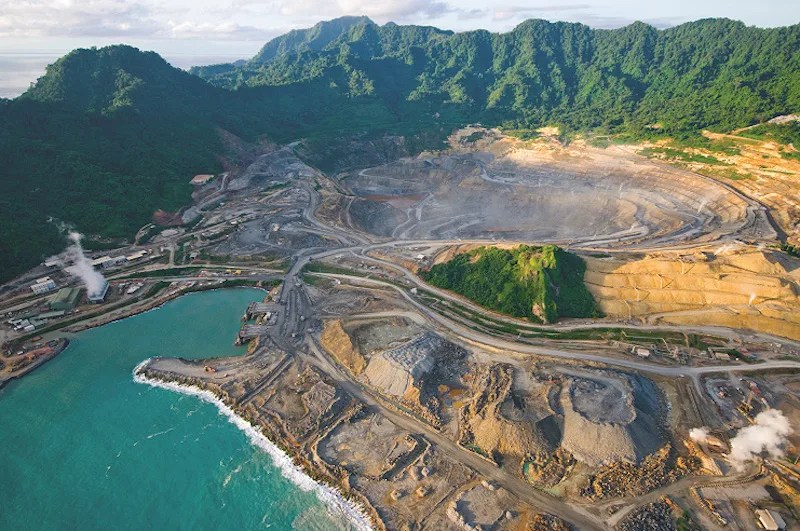
The Lihir gold mine, located on Lihir Island in Papua New Guinea, is one of the world’s largest known gold deposits and a prime example of an alkaline volcanic-hosted epithermal gold system. This unique geological setting has not only produced a world-class gold deposit but also provides valuable insights into the formation of mineral deposits in volcanic island environments.
Lihir Island is part of the Tabar-Lihir-Tanga-Feni island chain, which formed as a result of subduction-related volcanism along the Pacific Ring of Fire. The island itself is actually the exposed portion of a large stratovolcano that rises from the seafloor. What makes Lihir particularly interesting from a geological perspective is its association with a large alkaline volcanic caldera.
The gold mineralization at Lihir is intimately linked to the volcanic and hydrothermal history of the island. The deposit formed approximately 1 million years ago as part of a still-active geothermal system. This ongoing geothermal activity presents both challenges and opportunities for mining operations, as it contributes to the richness of the deposit but also requires careful management during extraction.
The gold at Lihir is primarily found within steep, northward-dipping zones of hydrothermal breccias and altered volcanic rocks. These breccias formed as a result of explosive hydrothermal activity, where superheated fluids fractured the surrounding rock, creating pathways for gold-bearing solutions to circulate and deposit their mineral content. The gold mineralization is associated with a suite of alteration minerals, including adularia, quartz, and carbonate minerals, which are characteristic of epithermal systems.
One of the unique aspects of the Lihir deposit is its association with alkaline magmatism. Alkaline magmas are typically enriched in elements such as potassium, sodium, and certain rare earth elements. This enrichment can create favorable conditions for the transport and deposition of gold and other precious metals. The alkaline nature of the system at Lihir is believed to have played a crucial role in the formation of such a large and high-grade gold deposit.
Mining operations at Lihir involve open-pit methods, with the pit extending below sea level. This presents unique challenges, including the management of seawater intrusion and the need for extensive dewatering systems. The scale of the operation is impressive, with the mine processing millions of tonnes of ore annually.
The extraction and processing of ore from Lihir involve a series of complex operations. The ore is typically processed through crushing and grinding circuits, followed by pressure oxidation in autoclaves. This step is crucial for breaking down the sulfide minerals that encapsulate much of the gold, making it accessible for recovery. After oxidation, the ore undergoes conventional cyanide leaching and carbon-in-leach processes to recover the gold.
Environmental management is a critical aspect of operations at Lihir, given its island setting and the active geothermal system. The mine operators have implemented extensive environmental protection measures, including a deep-sea tailings placement system to manage mine waste. This system, while controversial, is designed to minimize the environmental impact on the island’s limited land area. Ongoing monitoring of marine ecosystems is conducted to assess and mitigate potential environmental effects.
The study of the Lihir deposit has significantly advanced our understanding of epithermal gold systems in volcanic island settings. Geologists analyze the deposit’s characteristics, including its alteration patterns, fluid inclusions, and isotopic signatures, to refine models for similar deposits worldwide. The insights gained from Lihir have implications not only for future gold discoveries but also for our comprehension of the interplay between magmatism, hydrothermal activity, and ore formation in island arc environments.
Lihir’s impact extends beyond geology and mining. The mine is a major contributor to Papua New Guinea’s economy, providing significant employment, tax revenues, and infrastructure development. However, like many large-scale mining operations in remote areas, it also faces challenges in balancing economic benefits with environmental and social responsibilities. The mine operators have implemented various community development initiatives, including health, education, and local business development programs.
As we look to the future, Lihir continues to be a focal point for geological research and mining innovation. The ongoing development of this extraordinary deposit will undoubtedly contribute to our evolving understanding of epithermal gold systems and the complex interplay between volcanic activity, hydrothermal processes, and mineral formation. Moreover, Lihir serves as a case study in the development of large-scale mining operations in challenging island environments, demonstrating how modern mining practices can address unique geological and environmental challenges while creating economic opportunities.
The Lihir gold mine stands as a testament to the mineral potential of the Pacific Ring of Fire and the technical expertise required to successfully exploit complex ore bodies in remote locations. As global demand for gold continues, operations like Lihir will play a crucial role in meeting this demand while also serving as laboratories for advancing our understanding of Earth’s geological processes and improving sustainable mining practices in sensitive environments.
10. Boddington (Australia)
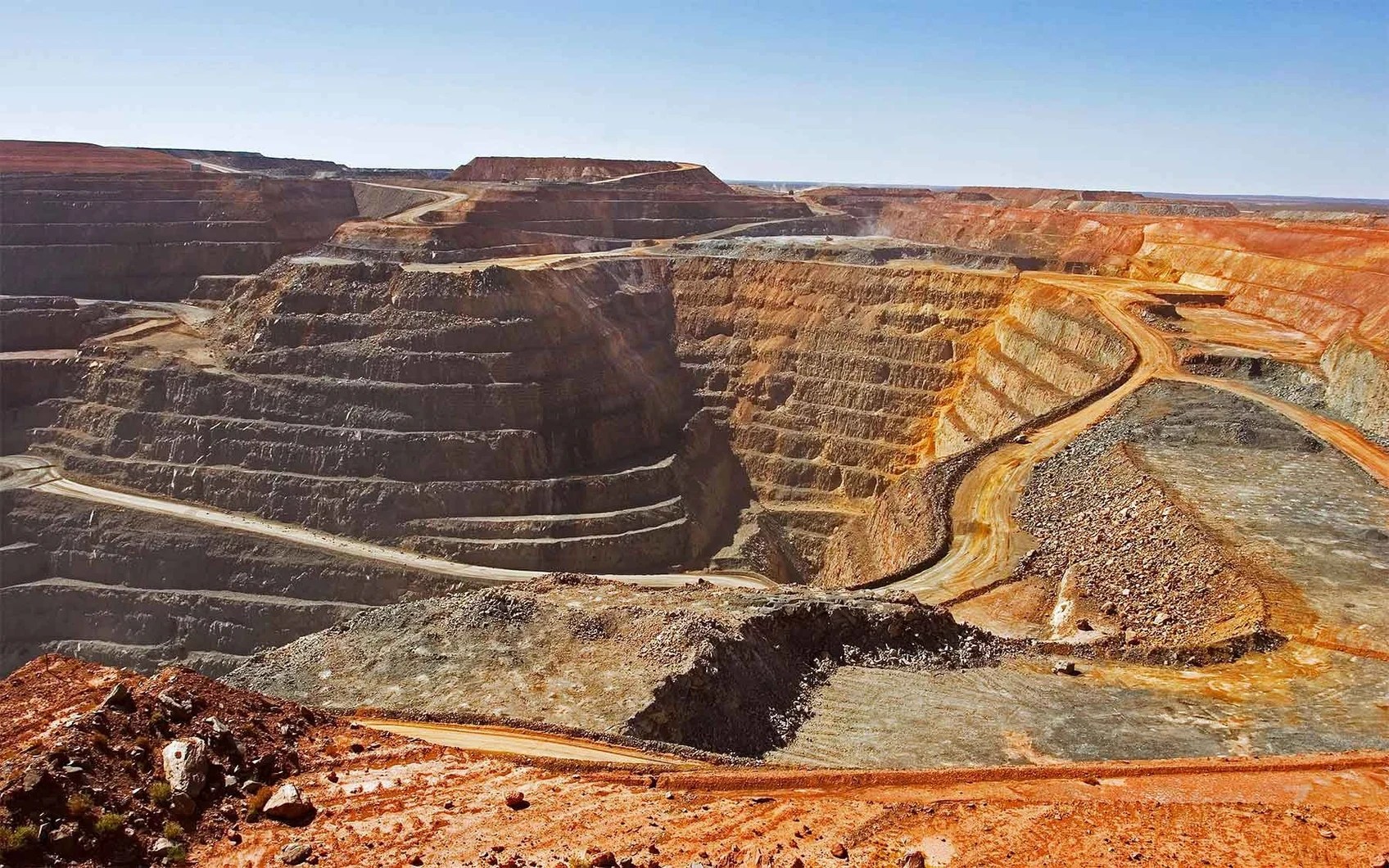
The Boddington gold mine, located in Western Australia, is one of the largest gold mines in the country and a significant contributor to global gold production. Situated in the Saddleback Greenstone Belt, Boddington represents a complex geological system that combines elements of both Archaean lode-gold and porphyry-style mineralization, making it a unique and fascinating subject for geological study.
The Saddleback Greenstone Belt, where Boddington is located, is part of the larger Yilgarn Craton, one of the world’s oldest and most stable continental blocks. This geological setting is characterized by a complex assemblage of metamorphosed volcanic and sedimentary rocks, intruded by various igneous bodies. The gold mineralization at Boddington is primarily associated with these intrusive bodies and the surrounding altered host rocks.
What sets Boddington apart from many other gold deposits in the Yilgarn Craton is its association with a large, low-grade porphyry-style system. While most gold deposits in the region are typically high-grade, narrow vein systems, Boddington presents as a large tonnage, low-grade deposit. This unique characteristic has led to extensive research into the genesis of the deposit and its implications for understanding the diversity of gold mineralization styles in Archaean terranes.
The gold mineralization at Boddington is believed to have formed through multiple mineralizing events. The primary gold mineralization is associated with a series of diorite intrusions that were emplaced into the surrounding metamorphic rocks approximately 2.7 billion years ago. These intrusions brought with them gold-bearing fluids that permeated the surrounding rocks, depositing gold along fractures and within altered zones.
A key feature of the Boddington deposit is the presence of both primary bedrock mineralization and secondary laterite mineralization. The laterite deposits, formed through weathering processes over millions of years, have concentrated gold near the surface, creating a valuable resource that was the focus of initial mining operations. As mining progressed, operations transitioned to the deeper, primary bedrock mineralization.
The ore at Boddington is complex, containing not only gold but also significant amounts of copper and silver. The gold occurs in various forms, including free gold and gold associated with sulfide minerals such as pyrite and chalcopyrite. This diversity in gold occurrence necessitates a multi-faceted approach to ore processing to ensure maximum metal recovery.
Mining operations at Boddington involve both open-pit and underground methods. The open-pit operation is particularly impressive, with the pit measuring several kilometers across and hundreds of meters deep. The scale of the operation allows for the economic extraction of the low-grade ore, with millions of tonnes of material processed annually.
The extraction and processing of ore from Boddington involve a series of complex operations. The ore is typically processed through crushing and grinding circuits, followed by flotation to produce a gold-copper concentrate. This concentrate then undergoes further processing, including pressure oxidation and cyanide leaching, to recover the gold and copper. The use of these advanced processing techniques allows for the efficient recovery of metals from the complex, low-grade ore.
Environmental management is a critical aspect of operations at Boddington. The mine operators have implemented extensive environmental protection measures, including water management systems, tailings storage facilities, and ongoing rehabilitation efforts. The mine’s location in a region with significant biodiversity also necessitates careful consideration of ecosystem impacts and conservation efforts.
The study of the Boddington deposit has significantly advanced our understanding of gold mineralization in Archaean terranes. Geologists analyze the structural controls on mineralization, alteration patterns, and geochemical signatures to refine exploration models for similar deposits worldwide. The insights gained from Boddington have implications not only for future gold discoveries in Australia but also for our comprehension of the formation and evolution of large-scale gold systems in ancient crustal blocks.
Boddington’s impact extends beyond geology and mining. The mine is a major contributor to Western Australia’s economy, providing significant employment, tax revenues, and infrastructure development. However, like many large-scale mining operations, it also faces challenges in balancing economic benefits with environmental and social responsibilities. The mine operators have implemented various community engagement programs and sustainable development initiatives to address these challenges.
As we look to the future, Boddington continues to be a focal point for geological research and mining innovation. The ongoing development of this extraordinary deposit will undoubtedly contribute to our evolving understanding of gold mineralization processes in Archaean terranes and drive advancements in sustainable mining practices. The lessons learned from Boddington will play a crucial role in shaping the future of gold mining, not only in Australia but around the world.
The Boddington gold mine stands as a testament to the mineral wealth of the Yilgarn Craton and the technical expertise required to successfully exploit large, low-grade ore bodies. As global demand for gold and copper continues, operations like Boddington will play a crucial role in meeting this demand while also serving as laboratories for advancing our understanding of Earth’s geological processes and improving mining practices.