
51. Remove Dead Flowers and Stalks
Materials Needed: None
Cost to Make: $0*
“Deadheading” is the process of removing dead stalks and flowers from an otherwise healthy plant. Deadheading is easy. Just gently pluck any browned or dried flowers and stalks from the plant, leaving only what is green and colorful intact. You’ll not only have a better-looking plant, but you’ll also have a longer flowering season.
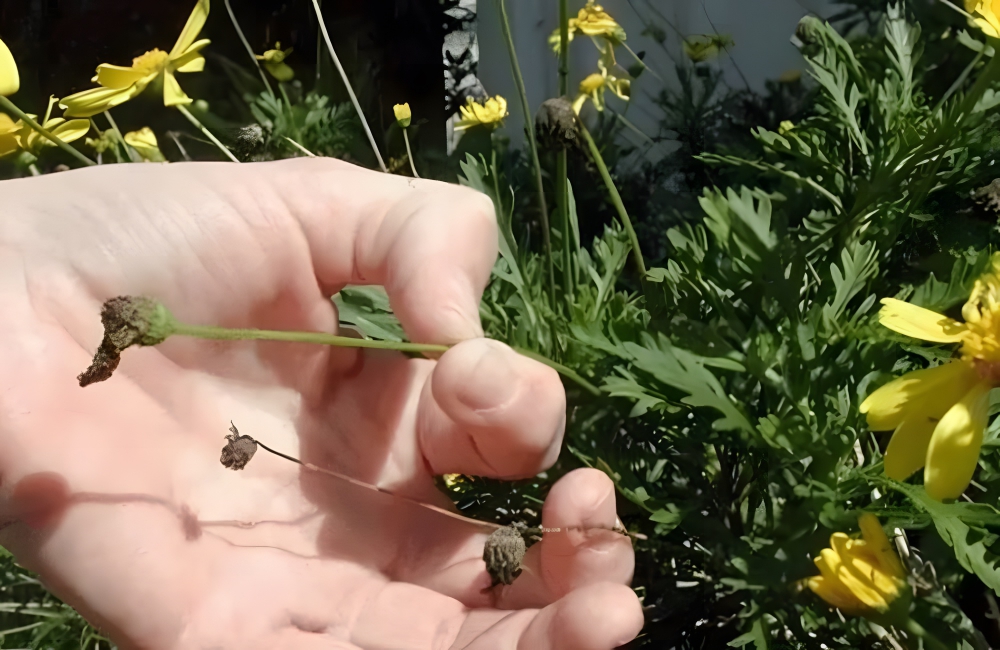
Remove Dead Flowers and Stalks @balconygardenwe / Pinterest
Once deadheaded, the plant will spend its energy developing seed heads, not more flowers. Note that not all plants require deadheading. Plants like lantana, nemesia, New Guinea Impatiens, begonias, astilbe, baptisia, vinca, and sedum don’t require this process. However, cosmos and geraniums need to be deadheaded regularly.
52. Repurpose Ladder into Plant Stand
Materials Needed: Old ladder
Cost to Make: $0* (If you have the ladder already)
If you have an old, rickety wooden ladder that you definitely don’t want to climb up on anymore, don’t throw it out. Instead, repurpose it into a plant stand. you can add a trough at the base of the ladder for extra décor. Fill the bottom slate with decorative stones or shells and attach it to the ladder securely.
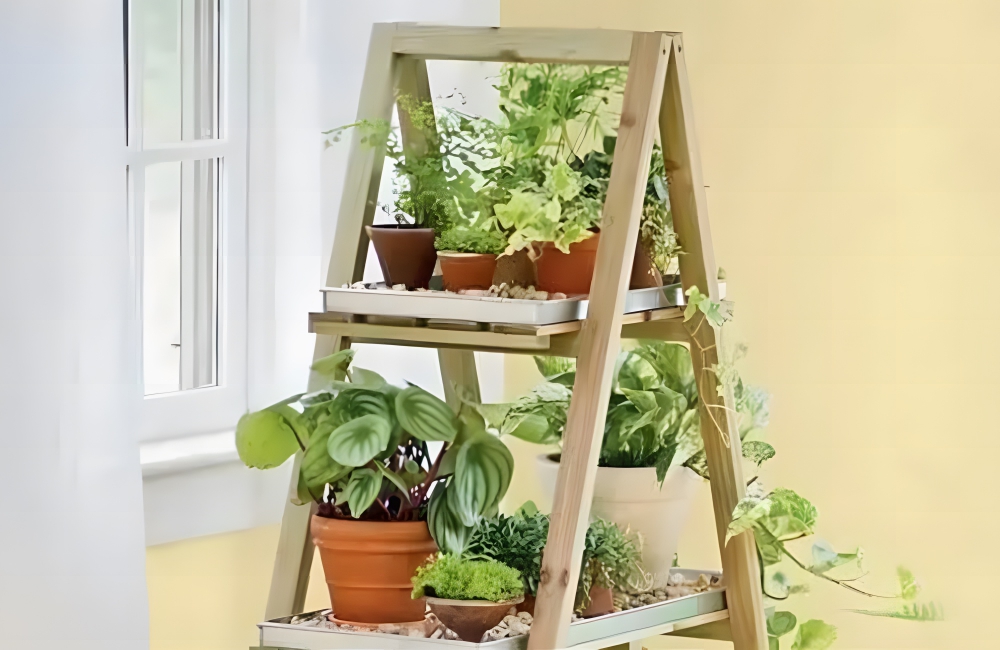
Repurpose Ladder into Plant Stand @karovond / Pinterest
The old ladder will provide a perfect, boho, rustic plant stand that will save you money. Shopping for a plant stand at IKEA will cost you $40, while a plant stand from Home Depot will cost even more. If you already have an old ladder, you won’t need to spend a dime.
53. Save Soil with Old Cans
Materials Needed: Empty cans, old pots
Cost to Make: $0* (If you already have them)
If you have old cans and planters that you’re not using, your first instinct might be to throw them in the recycling bin. However, you can actually use those old cans and pots to help save your soil. If you have a deep planter, fill the bottom of it with old plant pots and cans.
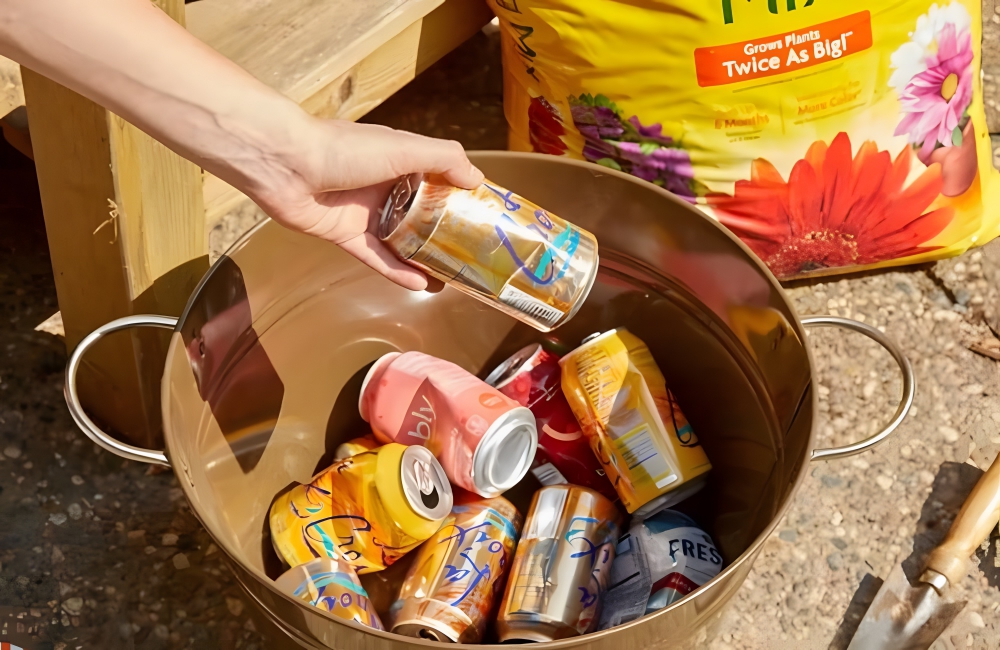
Save Soil with Old Cans @family_handyman / Pinterest
These cans and pots will improve drainage. They will also create air pockets in the planter, which helps with aeration, thus leading to healthier soil. Though soil aeration is usually done with a spike or plug aerator, this DIY hack is much cheaper, as you likely already have cans lying around.
54. Coffee Filter Dirt Stopper
Materials Needed: Coffee filters
Cost to Make: $4.40/100-pack* (Bunn)
We all love potting seedlings and growing plants, admiring our hard work after the plant has grown. However, planting can be a bit messy. Dirt often flows out from the bottom of potted plants whenever you water them, leading to a time-consuming cleanup.
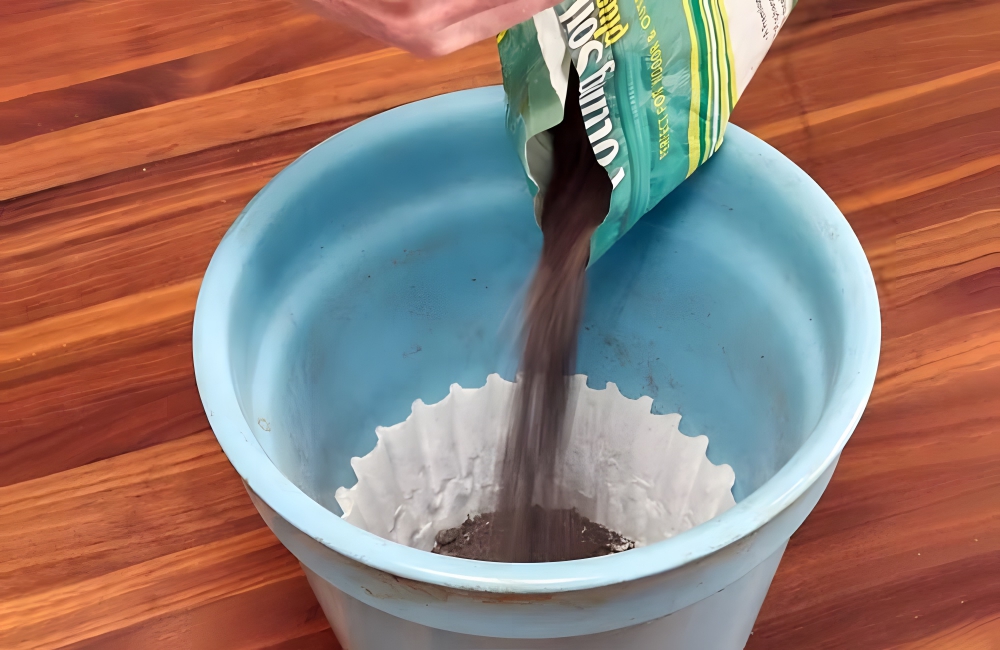
Coffee Filter Dirt Stopper @1smartwife / Pinterest
One way to stop this leakage is to place a coffee filter at the base of the pot before you fill it with dirt. The filter stops the dirt from leaking, while still letting water flow through (avoiding waterlogging the plant). Now, instead of a soil-filled pool of water, just clean water will flow from the bottom of the pot when you water your plant.
55. Make Garden Markers out of Painted Bricks
Materials Needed: Bricks, waterproof paint, stencils (optional)
Cost to Make: $50* (Including Paint)
If you’re artistic and have some bricks on hand, you can make a cute labeling system for your garden. Paint bricks or pieces of concrete white, and then paint the vegetable or fruit shape that matches what you planted. The bricks not only will look nice, but they will also be a handy reminder of where everything is, as plants often look alike before they sprout fruit or vegetables.
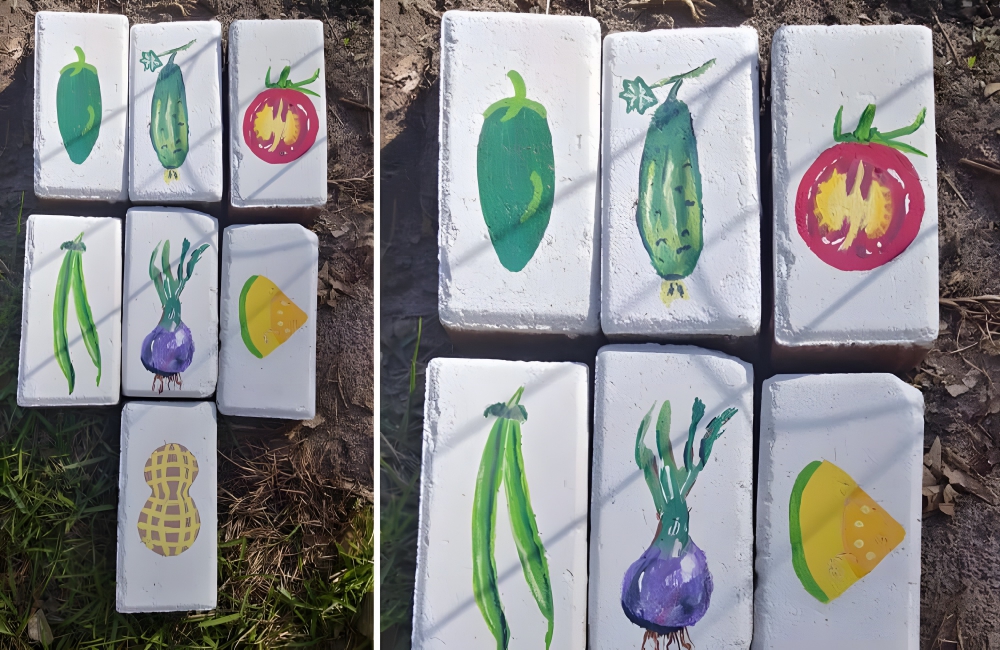
Make Garden Markers out of Painted Bricks @vanessacrafting / Pinterest
If you’re not much of an artist, you can buy stencils of vegetable shapes on Amazon for $12.99. Make sure that you paint with waterproof colors, as you don’t want them to fade when the rain hits your garden.
56. Deter Birds with Bright Red in Your Garden
Materials Needed: Red ornaments, fake strawberries, or rocks and paint
Cost to Make: $10-$20*
It’s not that birds hate the color red (they actually quite like bright colors, according to Wide Open Pets), it’s that they hate being fooled. If you’re planting strawberries or tomatoes, birds might swoop in and peck at them. Deter them by painting strawberries onto rocks and placing the rocks near your berries.
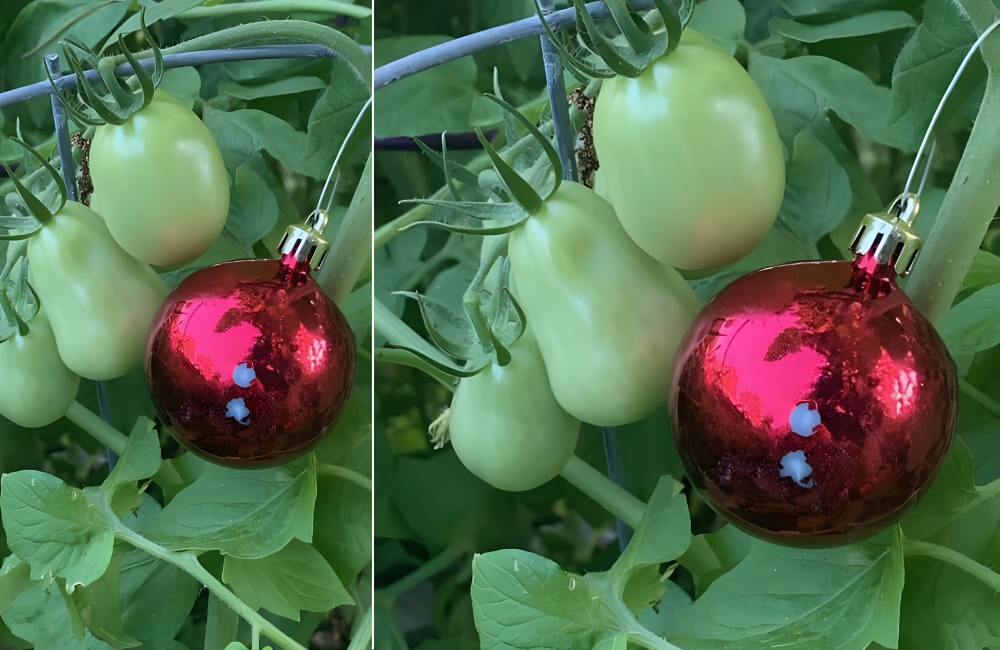
Deter Birds with Bright Red in Your Garden @vanessacrafting / Pinterest
You can also take a red ornament and place it near your tomatoes or other red fruits or vegetables. When birds take a peck at the ornament or rock, they’ll get an unpleasant, though not too harmful, surprise. This will keep them from coming back to the area.
57. Micro Greenhouse
Materials Needed: 2-liter soda bottle (empty, clean)
Cost to Make: $1.38 per 2-liter soda bottle*
Consider this gardening trick if you have a hard time starting cuttings or seeds. You can make a “micro-greenhouse” from a two-liter bottle. Take a two liter-soda bottle and remove the label. It should be empty and thoroughly cleaned, so that the plastic is perfectly clear.
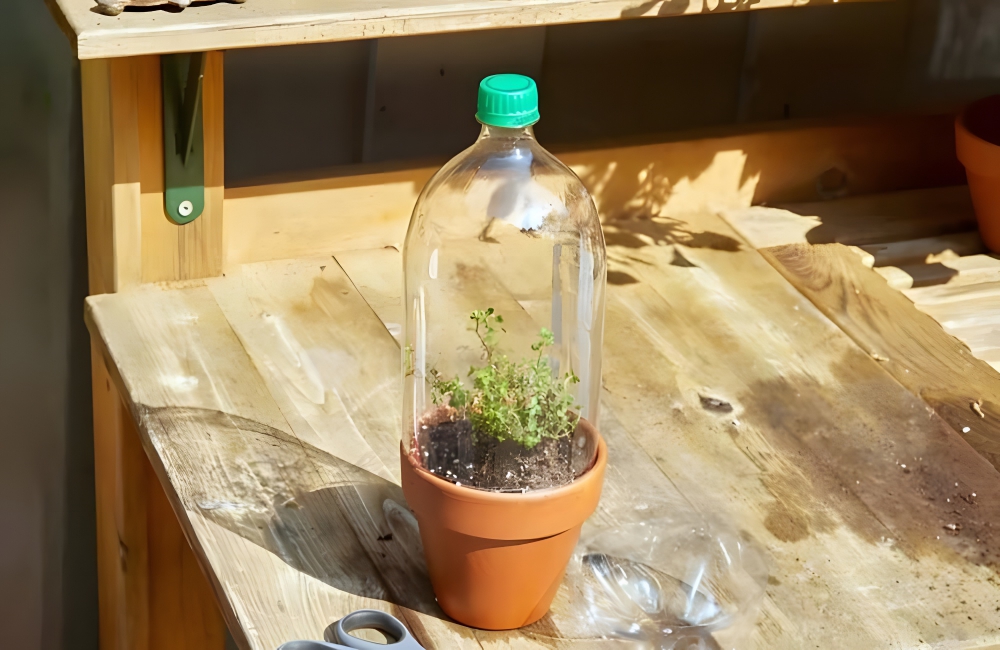
Micro Greenhouse @dianakincaid123 / Pinterest
Cut the bottom off of the bottle, and attach the bottle to the top of a pot with seedlings planted in soil. The plastic casing will create a greenhouse effect. Once your seeds have germinated or cuttings are rooted, you can remove the micro-greenhouse. Clean it and place it into your recycling bin.
58. Grass Clippings Fertilizer Trick
Materials Needed: Grass clippings
Cost to Make: $0*
Grass clippings are everywhere in the spring and summer, as you have to keep your lawn neatly trimmed. Though you might think about tossing them in the trash or blowing them into the street, consider using this leftover vegetation for fertilizer. Like Epsom salt, grass clippings are a surprising source of nutrients.
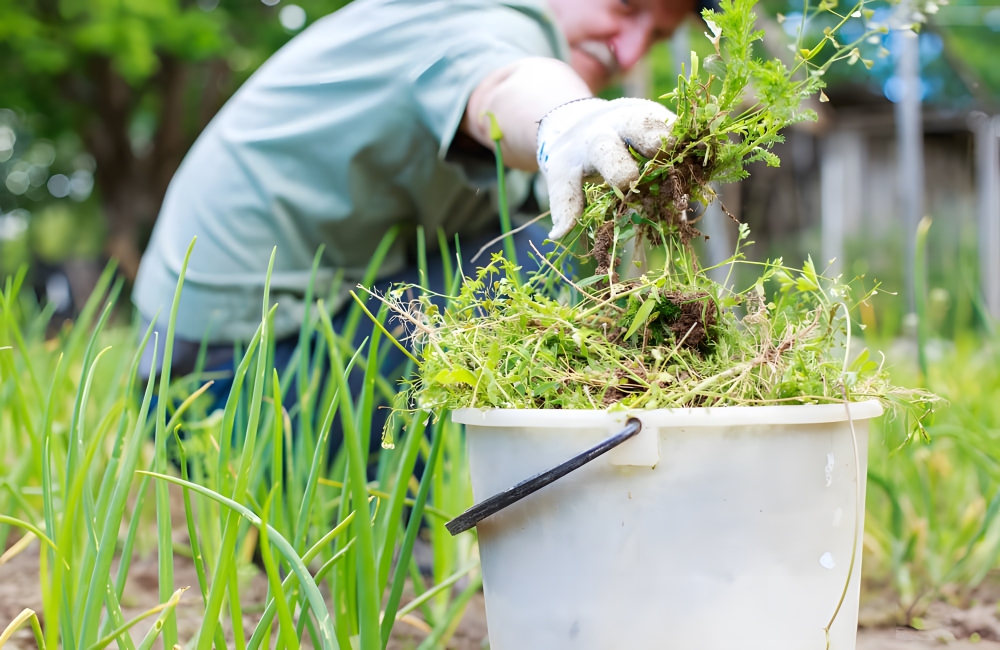
Grass Clippings Fertilizer Trick © stopabox / Shutterstock.com
Gardeners.com says that clippings can provide up to 40% of your garden’s nutrient needs. If you add grass clippings to your soil, you can use a fertilizer with less nitrogen in it. Grass clippings will especially help your soil if it doesn’t have much organic matter, or if it is sandy or consists of heavy clay.
59. Use Mineral Oil and a Pot of Sand for Your Tools
Materials Needed: Pot, sand, mineral oil
Cost to Make: $30*
Keeping your gardening tools clean and at the ready is a necessity for any gardener. However, it’s not always easy to scrape the dirt and grime off your tools. For this gardening hack, you’ll first want to find a small bucket or pot. Fill the bucket or pot with clean sand.
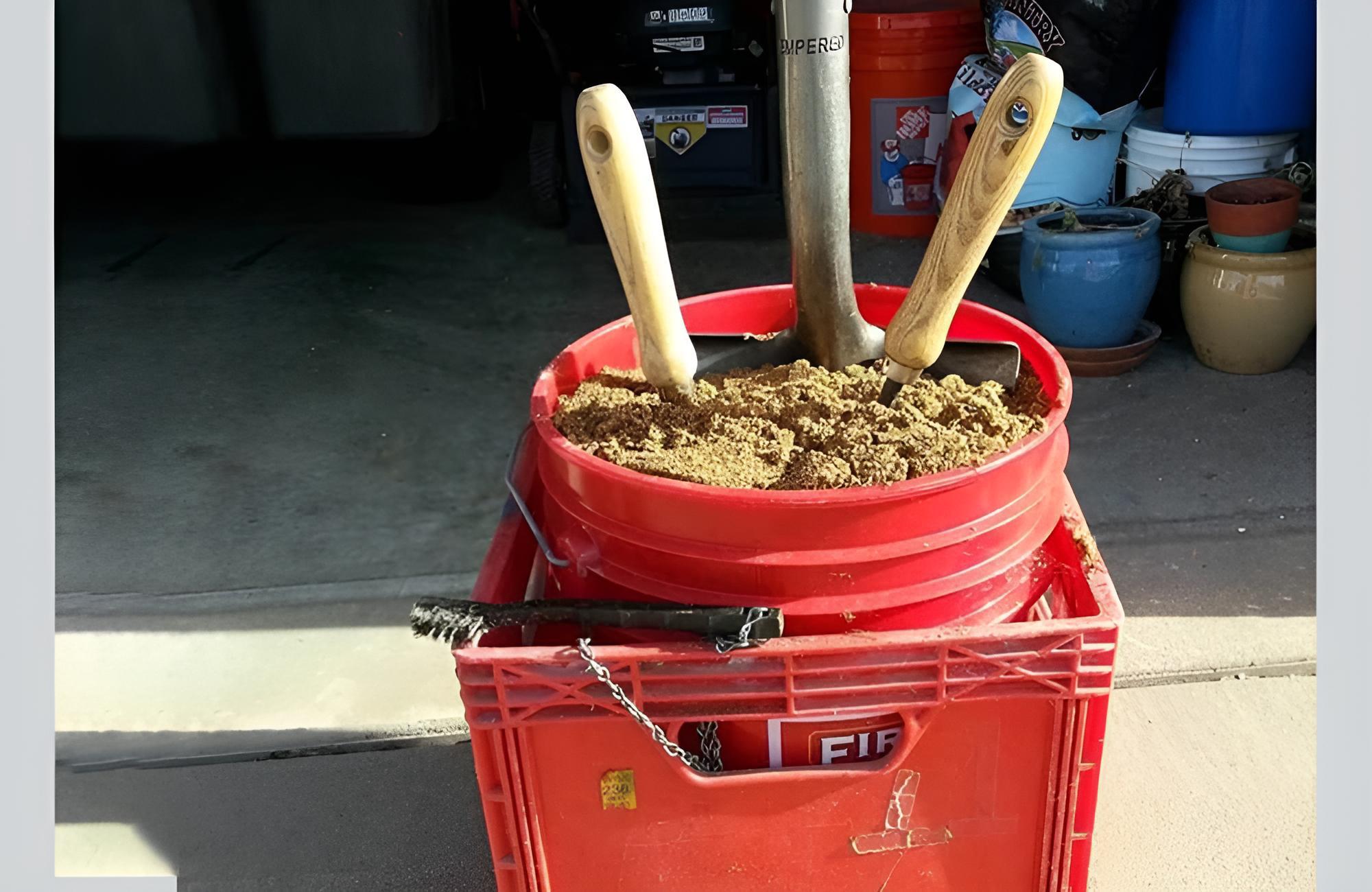
Use Mineral Oil and a Pot of Sand for Your Tools @family_handyman / Pinterest
Take your most-used tools and stick them in the sand. The sand will keep them upright and easy to grab while you work. After you’re done for the day, spray the tools with a coating of mineral oil, and place them back in the sand. The combination of sand and mineral oil will not only clean your landscaping tools, it will keep them from dulling.
60. Rinse Vegetables in the Garden
Materials Needed: Bucket of water, small laundry basket or strainer
Cost to Make: $10*
There’s nothing a gardener loves more than to pick vegetables straight from the garden, wash them, and eat them without having to spend a dime at the store. But, it’s not exactly the cleanest thing in the world to bring dirty, soil-covered vegetables into your kitchen.
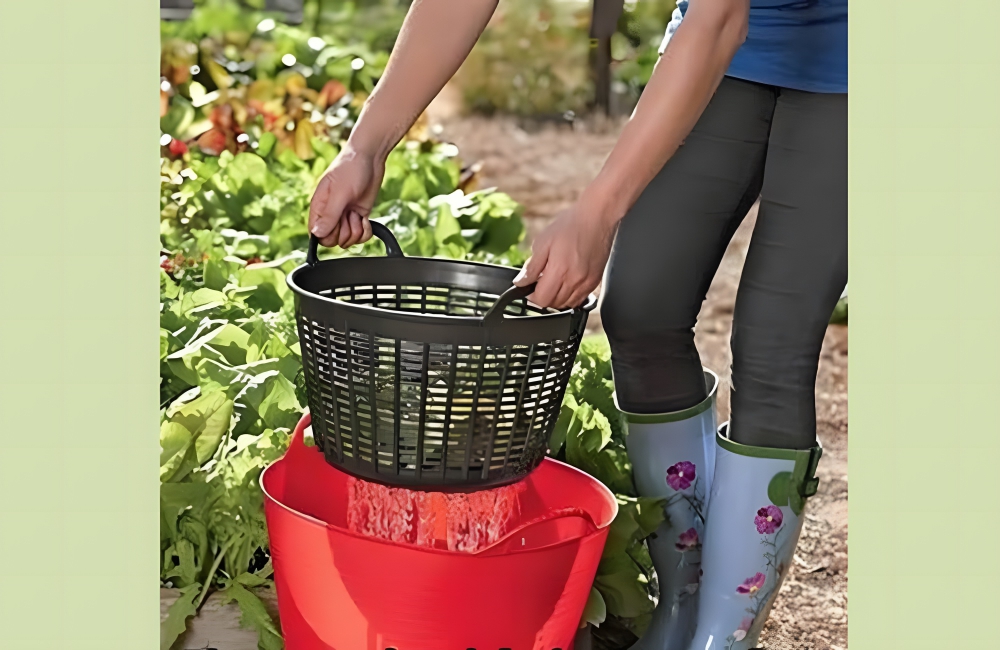
Rinse Vegetables in the Garden @ginamarie2013 / Pinterest
Save time and mess by cleaning your vegetables in your garden. Take a bucket of water and a small laundry basket or strainer out with you when you go to pick vegetables. Place the veggies into the basket and dunk them into the bucket of water. This will get the loose dirt and grime off of them, letting you carry clean vegetables into the kitchen.