
11. The Christmas Pickle
Where: Germany, U.S.
Cost: $10-$20 for pickle ornament*
The Christmas Pickle is an Old World German tradition (its name there is Weihnachtsgurke), but it is American, too. The Christmas Pickle dates back to the 1500s in Germany, and it involves a tradition of hiding a pickle inside your Christmas tree every year.
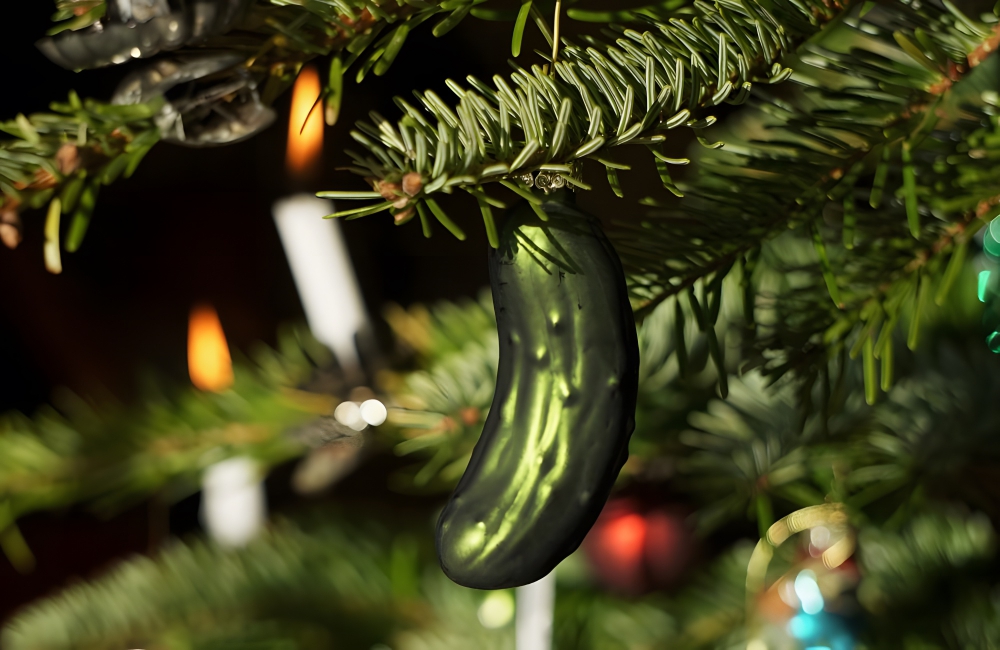
The Christmas Pickle ©Julija Ogrodowski/Shutterstock
Now, a pickle ornament is hung, rather than a salty pickle from Kroger or another grocery store. The first child who locates the pickle in the tree wins a prize—they get to unwrap a special gift from beneath the tree.
12. The Yule Cat
Where: Iceland
Cost: Your life, maybe
The Yule Cat, also called Jolakotturinn, is a gigantic, vicious cat who can’t be swayed with toys and treats from Chewy or Petco. The Yule Cat is sad to roam the snowy countryside during Christmastime, looking for people to eat.
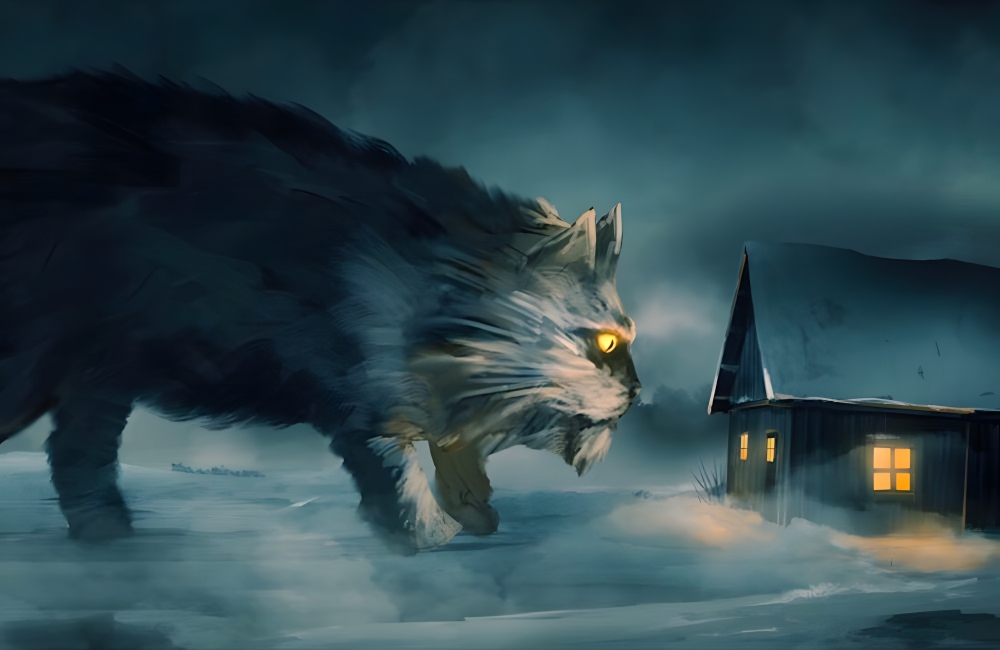
The Yule Cat @Google/Pinterest
Its choice of victims are those who didn’t receive new clothing to wear before Christmas Eve. This kitty comes from Icelandic folklore, and it originated in the country from farmers, who would use it as an incentive to finish processing autumn wool before Christmas.
13. Lion Dances
Where: China
Cost: $599 to book a lion dance from Kungfu Dragon USA*
This Chinese Lion Dance is an important ritual in the country, said to ward off evil spirits and ghosts on Chinese New Year and other important cultural occasions. The masked dance performance is incredible, according to those who have witnessed it.
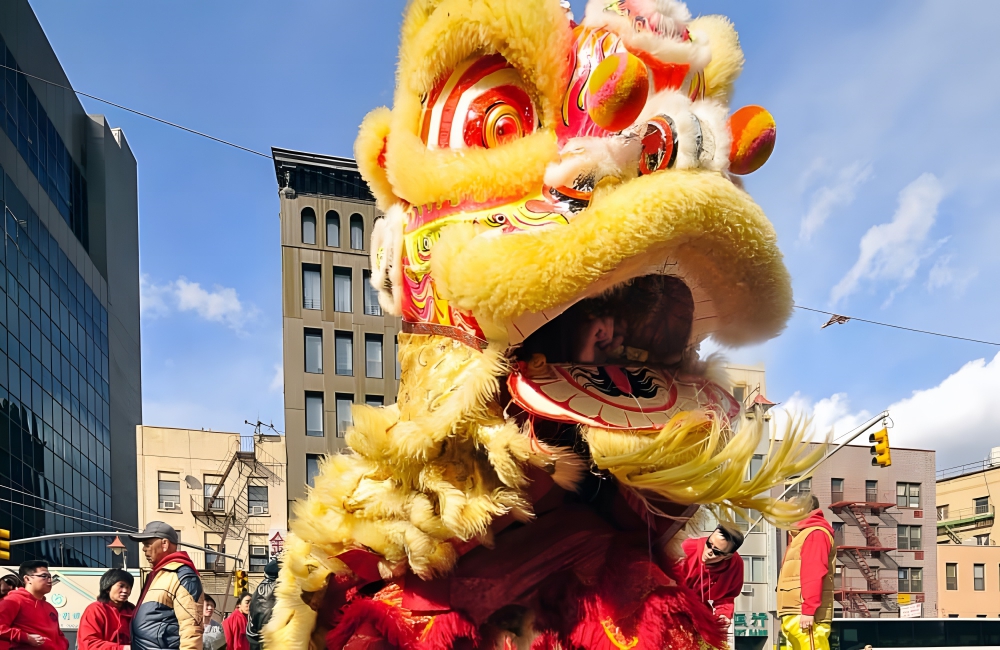
Lion Dances ©Bob Jagendorf/Wikimedia
Performers dance and mimic lion-like movements in intricate, colorful lion costumes. Traditional Chinese beliefs say that lions are symbols of stability, superiority, and courage, able to chase away any ne’er-do-well spirits who would do people harm.
14. The Christmas Log
Where: Spain
Cost: Spain
In Catalonia, Spain, Caga Tio pops up in markets around the beginning of the Christmas season. He’s easy to recognize, thanks to his drawn-on face, jaunty red hat, and big smile. But, this Christmas Log has a very special secret.
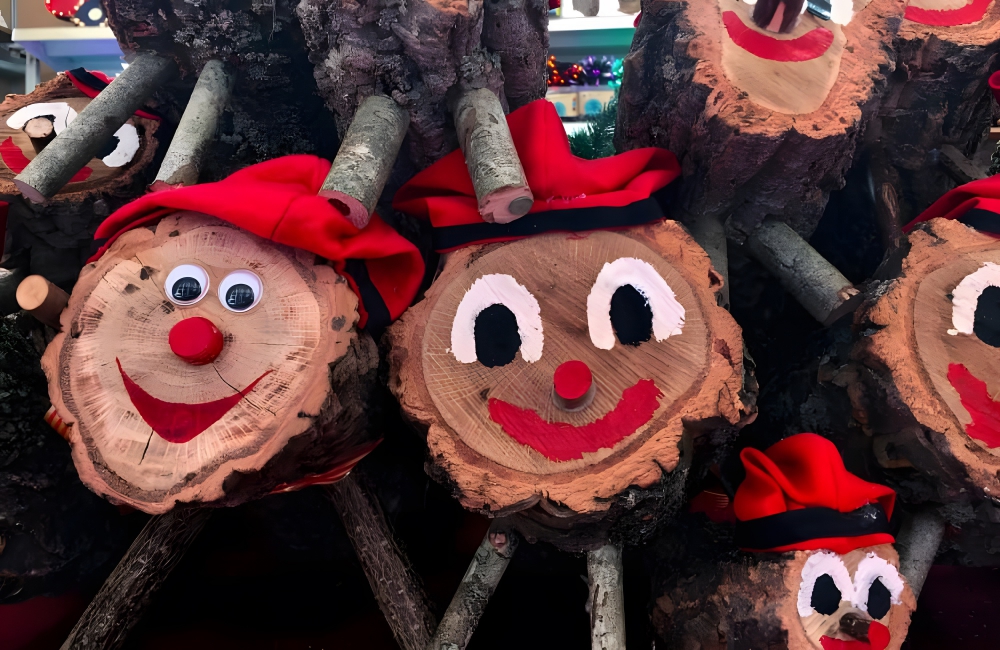
The Christmas Log @nprpins/Pinterest
He poops nougats. From December 8th through 24th, children feed the log candies and sweets, leaving food in front of him at night. When they wake in the morning, the food is gone, and the log “grows.” Come Christmas Eve, Caga Tio “poops” out the candies he was given, delighting the kids who “fed” him all month.
15. Burning Snowmen
Where: Switzerland
Cost: $0 to attend*
What better way to celebrate the end of winter than by blowing up a snowman? That’s how they do it in Switzerland, thanks to the tradition of Sechselauten. This traditional holiday takes place when the flowers bloom. A Boogg (snowman) is hoisted atop a stake and filled with explosives.
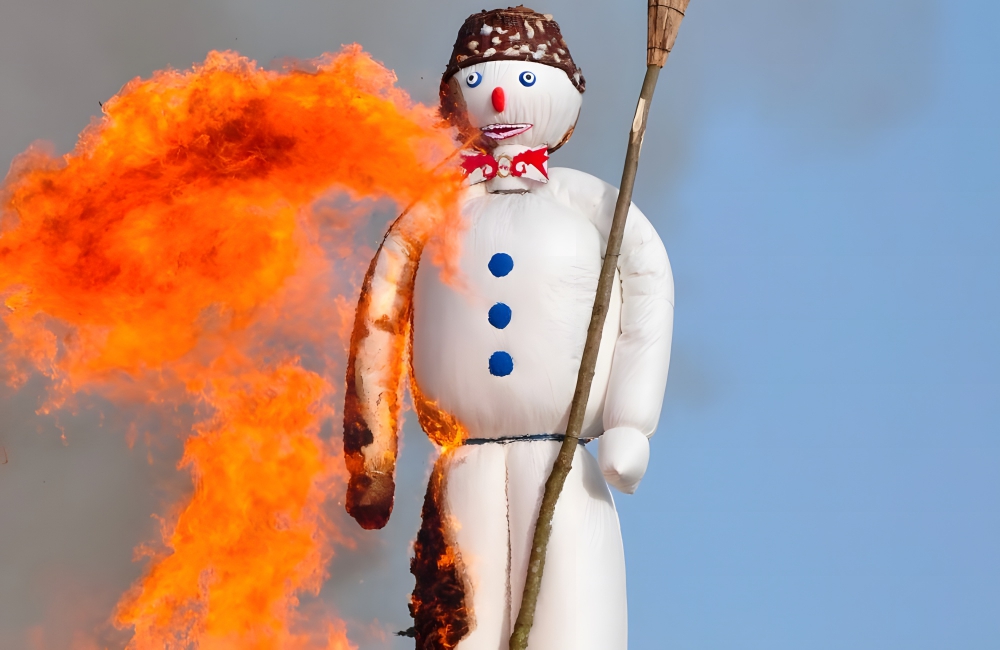
Burning Snowmen ©Roland zh/Wikimedia
He’s lit up, and, if an explosion happens quickly, it means summer will be dry and sunny. But, if the explosion doesn’t happen quickly, the summer will be wet. This is basically a far more exciting version of America’s “Groundhog Day.”
16. Throwing Buckets Of Water On New Year’s Eve
Where: Cuba
Cost: $0*
On Saint Sylvester’s Day (New Year’s Eve, as we might know it), Cuban families have an important tradition. At midnight exactly, they throw out a bucket of water, tossing it out the door to wash away the bad of last year.

Throwing Buckets Of Water On New Year’s Eve @Nickking/Twitter
This cleans the air for the New Year to approach. The tradition is thought to bring luck to those who participate…unless you happen to be walking by around that time and accidentally get hit with a bucket of freezing water, that is.
17. Fireworks Wars In Greece
Where: Greece
Cost: A bell tower, maybe
Vrontados, located on the island of Chios, Greece, is famous for its noisy fireworks wars tradition, known as Rouketopolemos. When the clock strikes midnight on Easter Sunday (the Orthodox one), it’s go-time for two rival church congregations.

Fireworks Wars In Greece ©Dimitris Tachynakos/Wikimedia
These hilltop congregations fire tens of thousands of homemade fireworks at each other to try to hit the other’s bell tower. The fireworks wars date back to the Ottoman Empire, and, though rather unsafe, they are a lot of fun.
18. Tradition Of The Catherinettes
Where: France
Cost: $10-$50 for a stylish hat*
On November 25th in France, Catherinettes (women who are twenty-five and unmarried) have a very special tradition. On that date, they wear yellow and green hats all day. The hats are made by colleagues or friends, and they include items that symbolize the women’s jobs and hobbies.
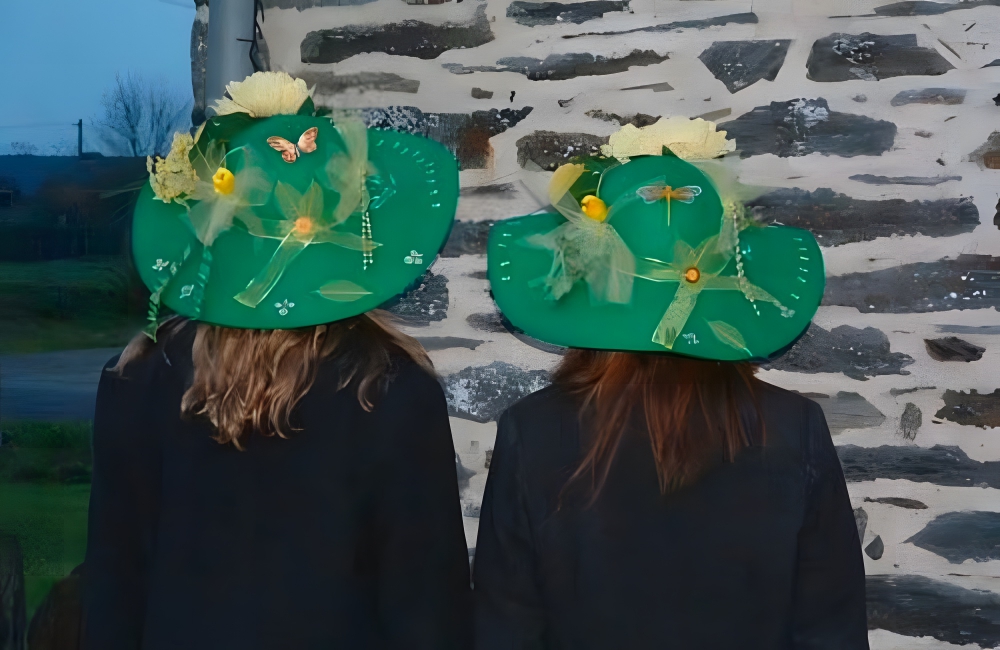
Tradition Of The Catherinettes @accentfrancais/Pinterest
These Catherinettes in their novelty hats are supposed to “pray all day for a husband,” but, nowadays, it’s more of an excuse to wear a fun hat and stroll about town. The green of the hat symbolizes wisdom, while yellow symbolizes faith.
19. The Yule Lads
Where: Iceland
Cost: Gifts or a potato
From December 12th through the 23rd, children in Iceland always remember to leave a shoe atop their windowsill. While they sleep, “Yule Lads,” magical beings from Icelandic mythology, come down from the mountains to leave gifts in their shoes.
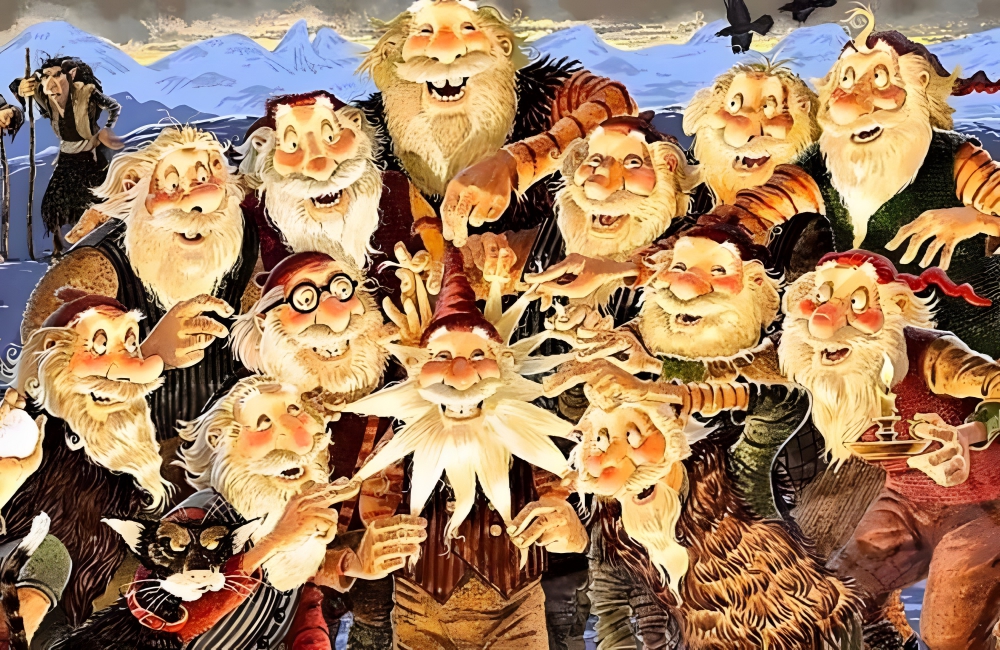
The Yule Lads @buzzfeed/Pinterest
Only if you’re well-behaved, that is. Naughty kids get a potato when they wake up in the morning (traditionally, naughty kids got worse punishments, but the mythology has been toned down over the years).
20. Morris Dancing In England
Where: England
Cost: $0 to attend festivals, usually*
In England, Morris Dancing is a rural celebration consisting of dance, music, and festivals, so as to banish dark winter, celebrate the warm seasons, and bring in the golden harvest of autumn. The star attraction of Morris Fests are the Morris Men.
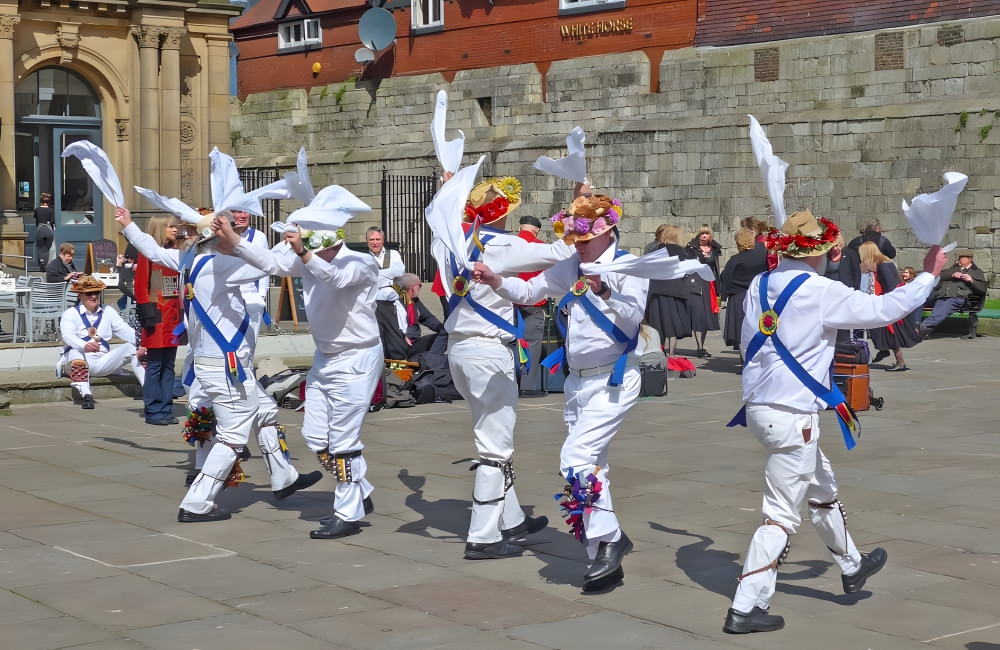
Morris Dancing In England ©Tim Green/Wikimedia
These specially chosen, trained dancers perform ritualistic folk dances at festivals that bring in thousands of locals and tourists to watch. Morris dancing originated in the 1400s in a courtly setting, but it then became known as a common folk performance by the late 1500s.