
11. Citrus Rind Seed Starter
Materials Needed: Citrus rinds, soil, seeds, water
Cost to Make: $10*
After snacking on an orange, you might be tempted to throw the orange peels away. However, did you know that citrus rinds from fruits like oranges, grapefruits, pomelos, and tangerines make great seed starters? You can even use lime and lemon rinds in a pinch, though they aren’t quite as effective.
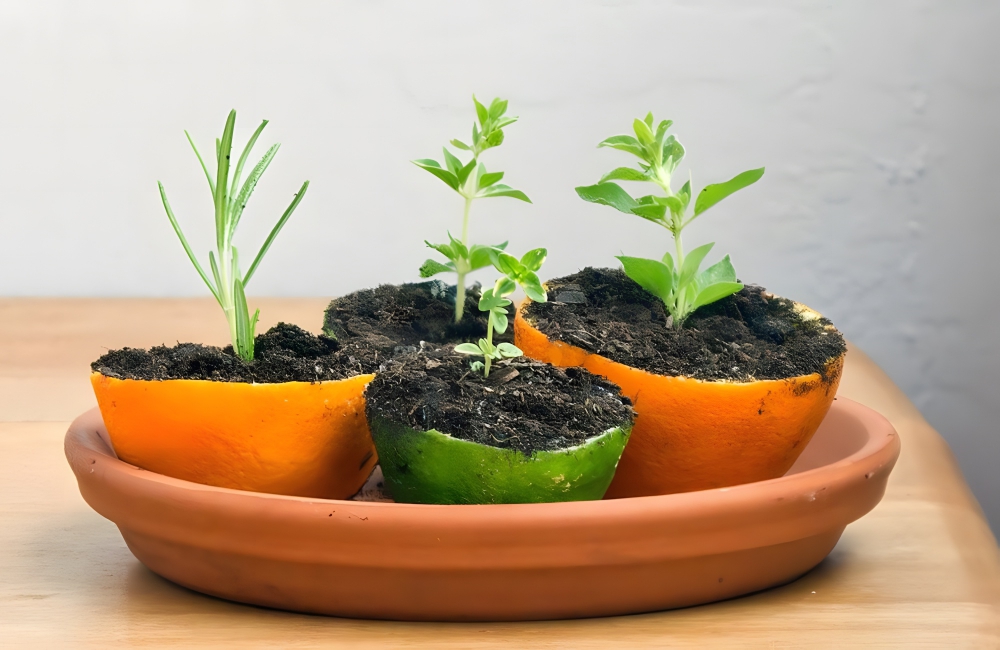
Citrus Rind Seed Starter @vkennedy123 / Pinterest.com
After the rind is hollowed out, just fill it with potting soil. Then, add two of your preferred seeds and water them. After your seeds grow a little, thin them to one plant per rind. After they’ve matured, transplant the rind into a garden plot or planter. The rinds will compost into the soil, nourishing the still-growing plants.
12. Cinnamon Powder Prevents Plant Disease
Materials Needed: Cinnamon powder
Cost to Make: $8.59* (McCormick, 8oz. bottle of cinnamon powder)
Cinnamon isn’t just a delicious topping on a latte from Starbucks. It also has strong anti-fungal properties. Cinnamon can be used for fungicide control in both seedlings and old plants. Sprinkling cinnamon onto the surface of the soil when the seeds are young can prevent damping-off disease, which is a soil-borne fungus that rots the stem and root of new plants.
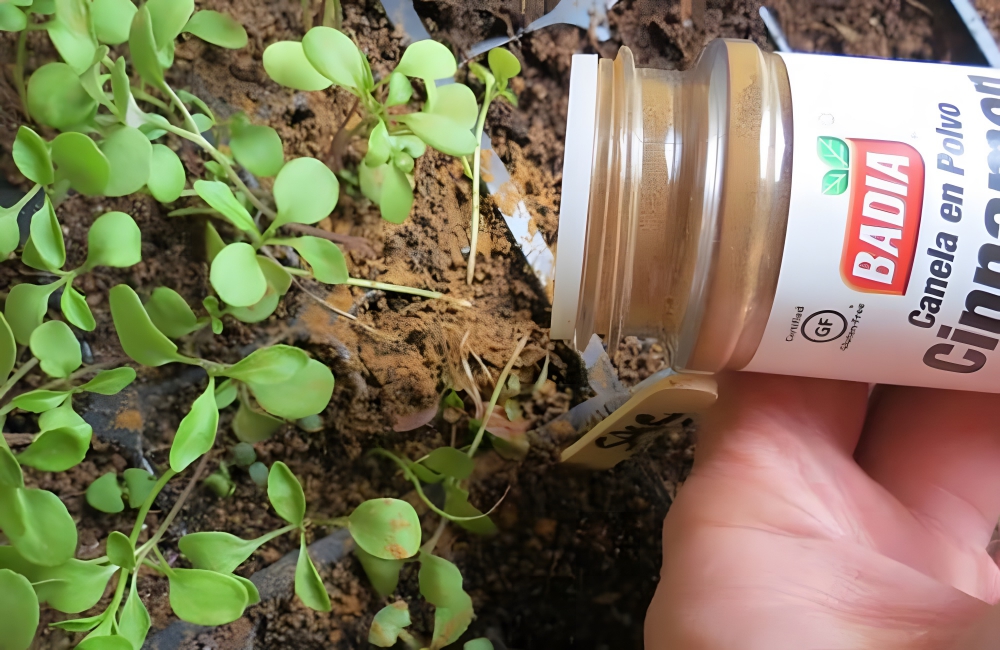
Cinnamon Powder Prevents Plant Disease @likemagfeed / Pinterest.com
Cinnamon kills these fungal spores. It can also work to stop fungal problems on older plants, deterring mushrooms from growing inside planters and preventing slime mold from growing. Cinnamon is a great way to give your new (and old) plants a fighting chance.
13. Baking Soda for Sweet Tomatoes
Materials Needed: Baking soda
Cost to Make: $0.65*
Growing vegetables can be a sure-fire way to live a more sustainable and independent life, but no one ever said it was simple. Some crops never come to anything, while others end up tasting bitter and inedible. However, if you’re trying to grow tomatoes, there’s an age-old trick that could help.
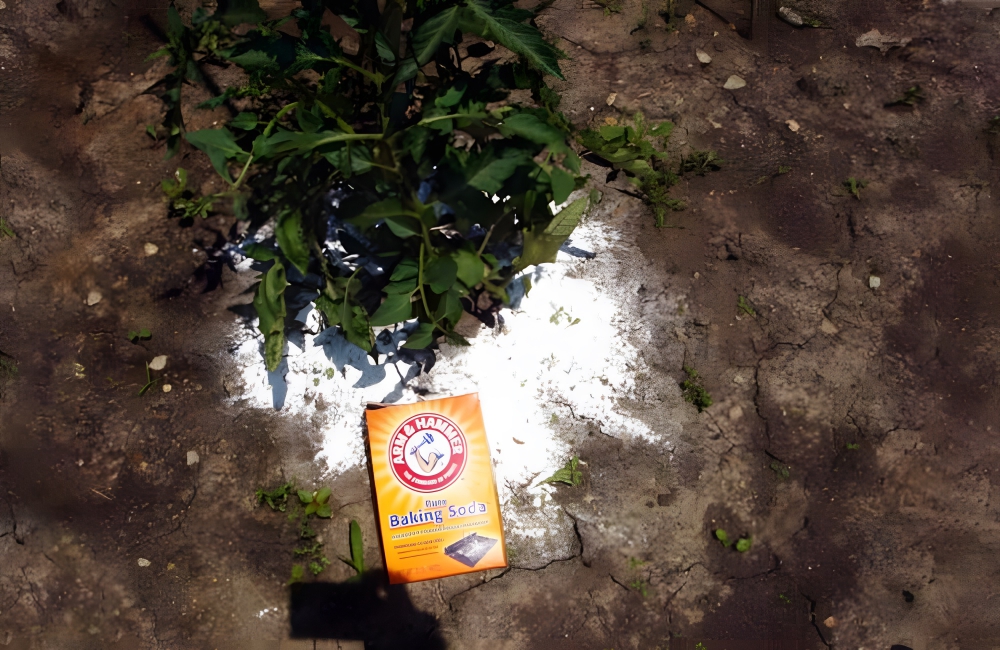
Baking Soda for Sweet Tomatoes @krazycouponlady / Pinterest.com
You can pick up a bag of Kroger’s own baking soda for just 65 cents. According to experts, sprinkling it over the soil around the tomatoes makes for a bigger, sweeter yield when the fruit starts to grow!
14. Potato Rose Bushes
Materials Needed: Potatoes, rose bush clippings
Cost to Make: $3*
Beautiful rose bushes are the crowning glory of every garden that’s well-tended and looked after, but growing them from scratch isn’t for the faint of heart. If you’ve always liked the idea of planting cuttings but the idea of propagating scares you, look no further.
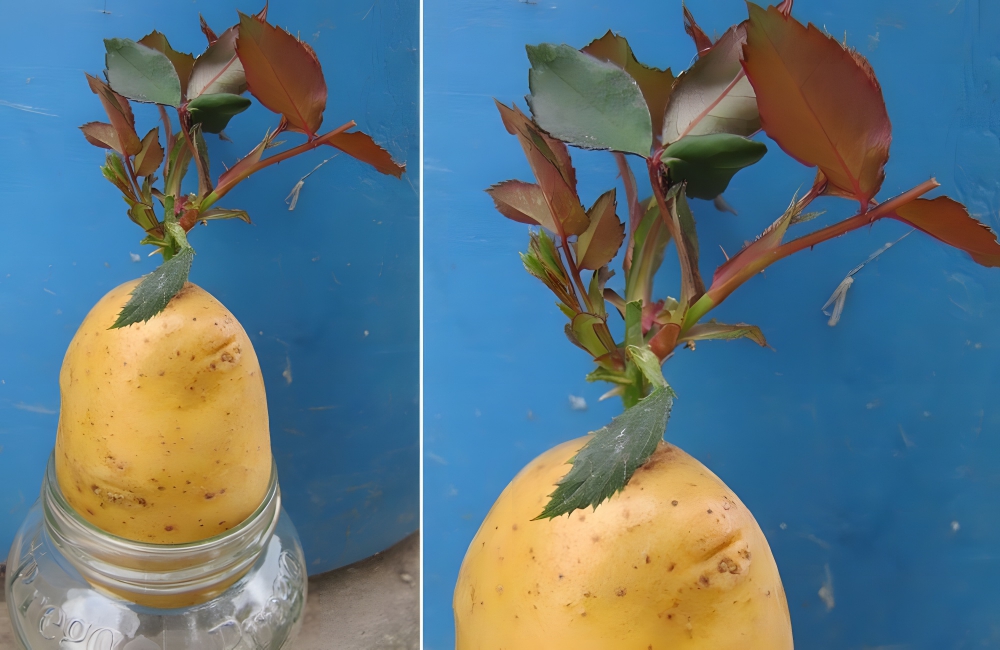
Potatoes for Rose Bushes @freshideen / Pinterest.com
All you need to do is take a trip to Kroger and pick up a pack of spuds for just $2.99. Wash them, stick the rose bush cutting your mom gave you in the top, and plant them in the ground. Not only does the potato hold the cutting in place, but they supposedly grow wonderful bushes. Who knew?
15. Muffin Tray Plant Spacer
Materials Needed: Muffin tray
Cost to Make: $4/free*
Some gardeners like to scatter seeds willy nilly and see what pops up to create a beautiful cottage garden. There’s a lot to be said for that technique, but that’s not to everyone’s taste. Others like a more organized outdoor space, but creating perfectly spaced-out plants can be time-consuming.
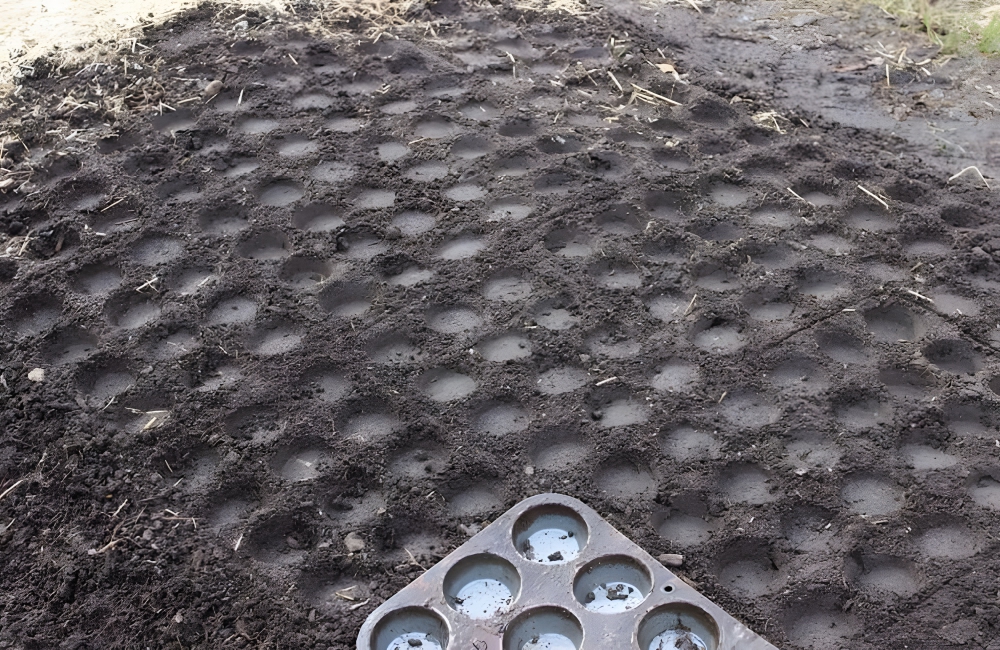
Muffin Tray Plant Spacer @obsessedwithdirt / Pinterest.com
But, if you nip into the kitchen and take out a muffin tray, you could save yourself precious hours. Using the tray to imprint the soil gives you a perfect guide on where to plant. If you’ve already got a tray it’s a totally free hack – if you need to buy one, Amazon sell them for just a couple of bucks.
16. Self-Watering Shoe Planter
Materials Needed: An old shoe, compost, plant, waterproof liner
Cost to Make: $10*
Let’s face it, we’ve all got at least one pair of old shoes lying around in the closet that we don’t use. While sending them to Goodwill is one option, you could actually turn it into an interesting garden feature.
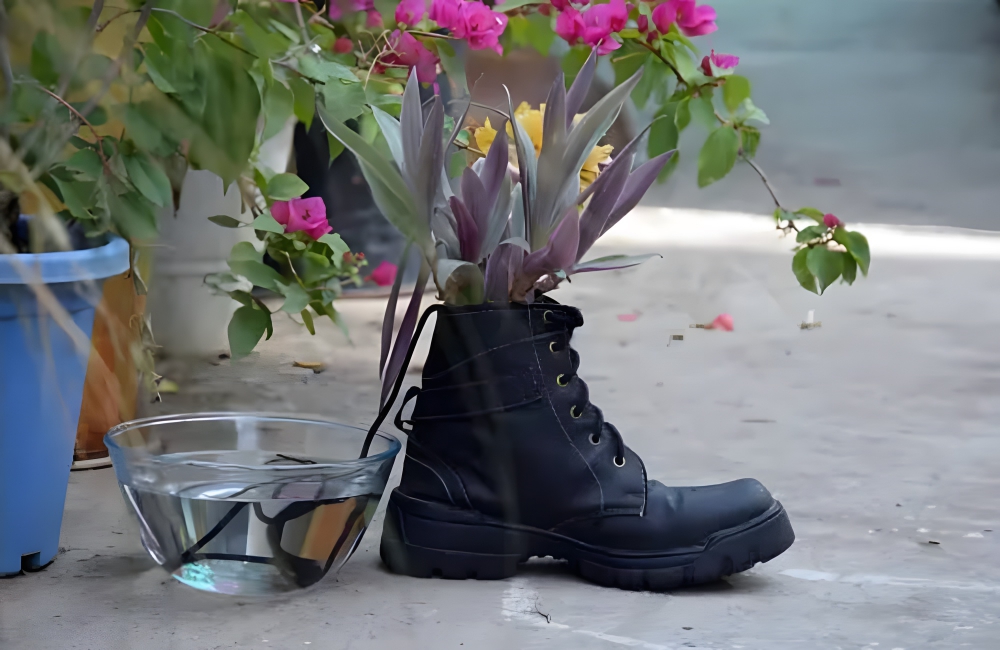
Self Watering Shoe Planter @Plantsbank / Pinterest.com
Lining an old boot with a waterproof liner, filling it with compost, and sticking a plant inside it may not seem like a “normal” thing to do, but these sole-ful planters can actually look great if given half the chance. What’s more, if you take the lace and dip it into water, it acts as self-watering. Can you get more eco-friendly than that?
17. Vinegar Weed Killer
Materials Needed: White vinegar
Cost to Make: $3.39*
It’s easy to get sucked in by big weed killer brands when we’re keen to keep our pathways looking perfect. However, some of these products are over $15 a pop. That’s a lot of money for a bottle that really isn’t that big.
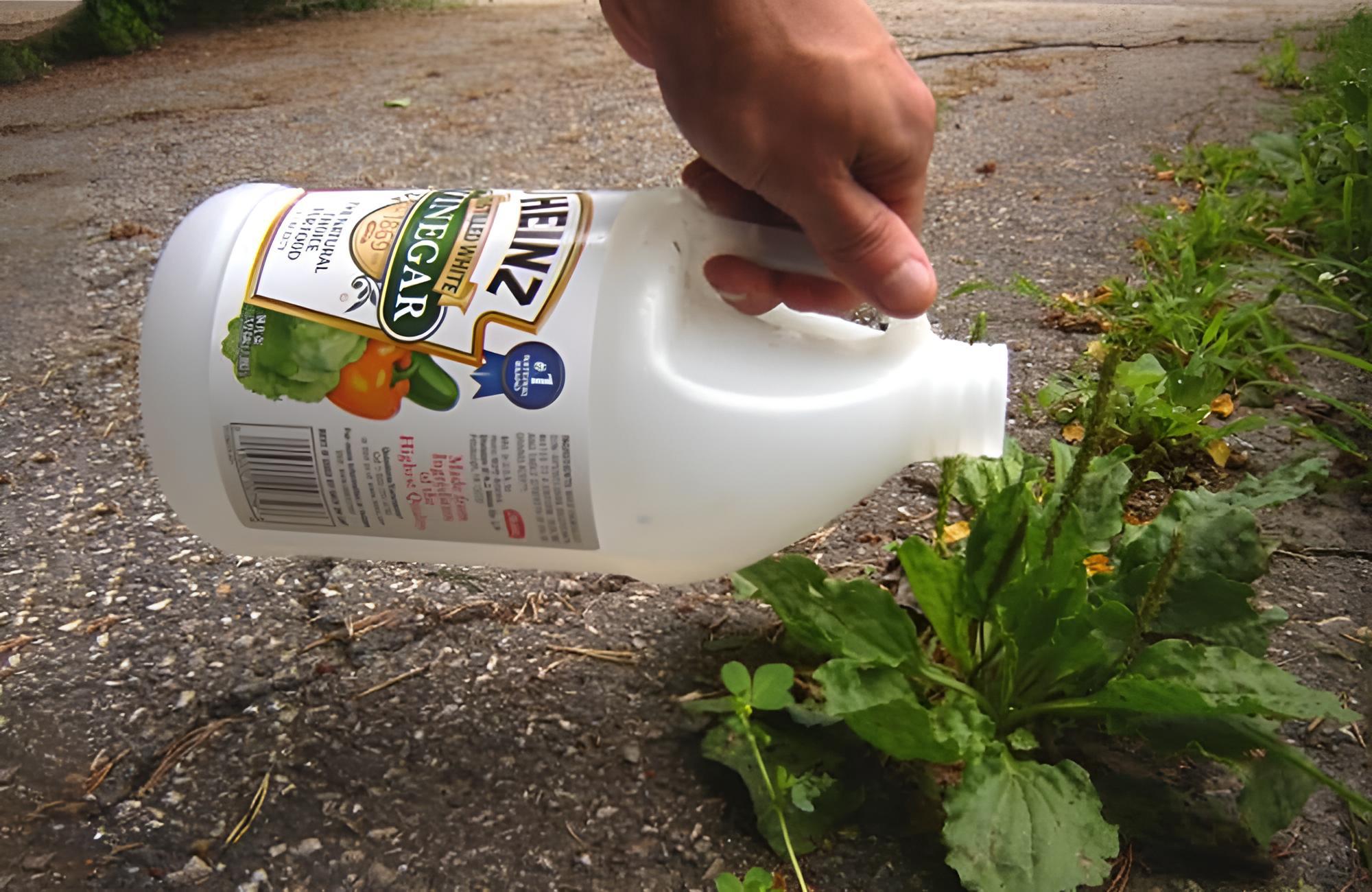
Vinegar Weed Killer @ilsenan33 / Pinterest.com
Instead, pop to Costco and grab a 1.32-gallon bottle of Heinz White Vinegar and pour it directly onto the growing green nuisance. The vinegar works just as well as any commercial weed killer. Some even say that mixing it with gin helps speed up the process.
18. Use Ice Cream Cones for Seed Starters
Materials Needed: Pack of ice cream cones, compost, seeds
Cost to Make: $5*
There are many ways to start seeds, but this one might be one of the best ideas we’ve seen. Ice cream cones are great to have in the house around spring/summer for obvious reasons, but did you know you can use them to kickstart the growing process?
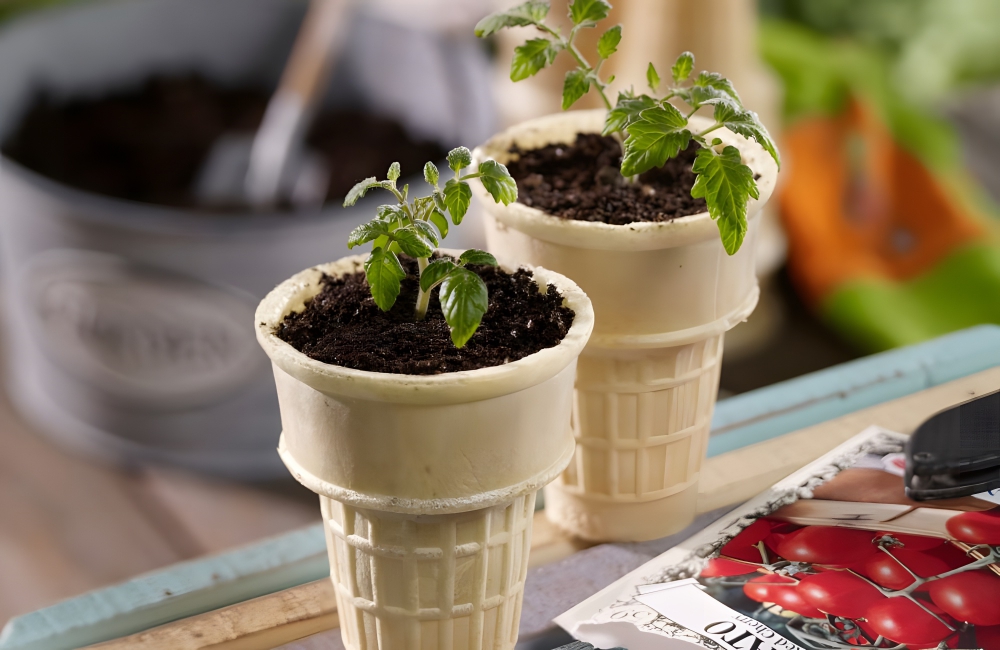
Cone seed starter @Joy Cone/Pinterest
The wafer cones can be picked up for as little as $1. All you need to do is fill them up with soil, put the seeds in, and you can then transfer them straight to the ground (cone included) later on, as they’re biodegradable.
19. Use A Bar Of Soap To Scare Away The Birds And Rodents
Materials needed: A bar of soap
Cost To Make: $0.97
This hack may seem a bit unconventional, but once you try it out, you won’t look back. You’ll only need a bar of strongly scented soap that you’ll cut into small pieces with a knife or a peeler and then scatter over your garden. But what will you achieve by doing this?
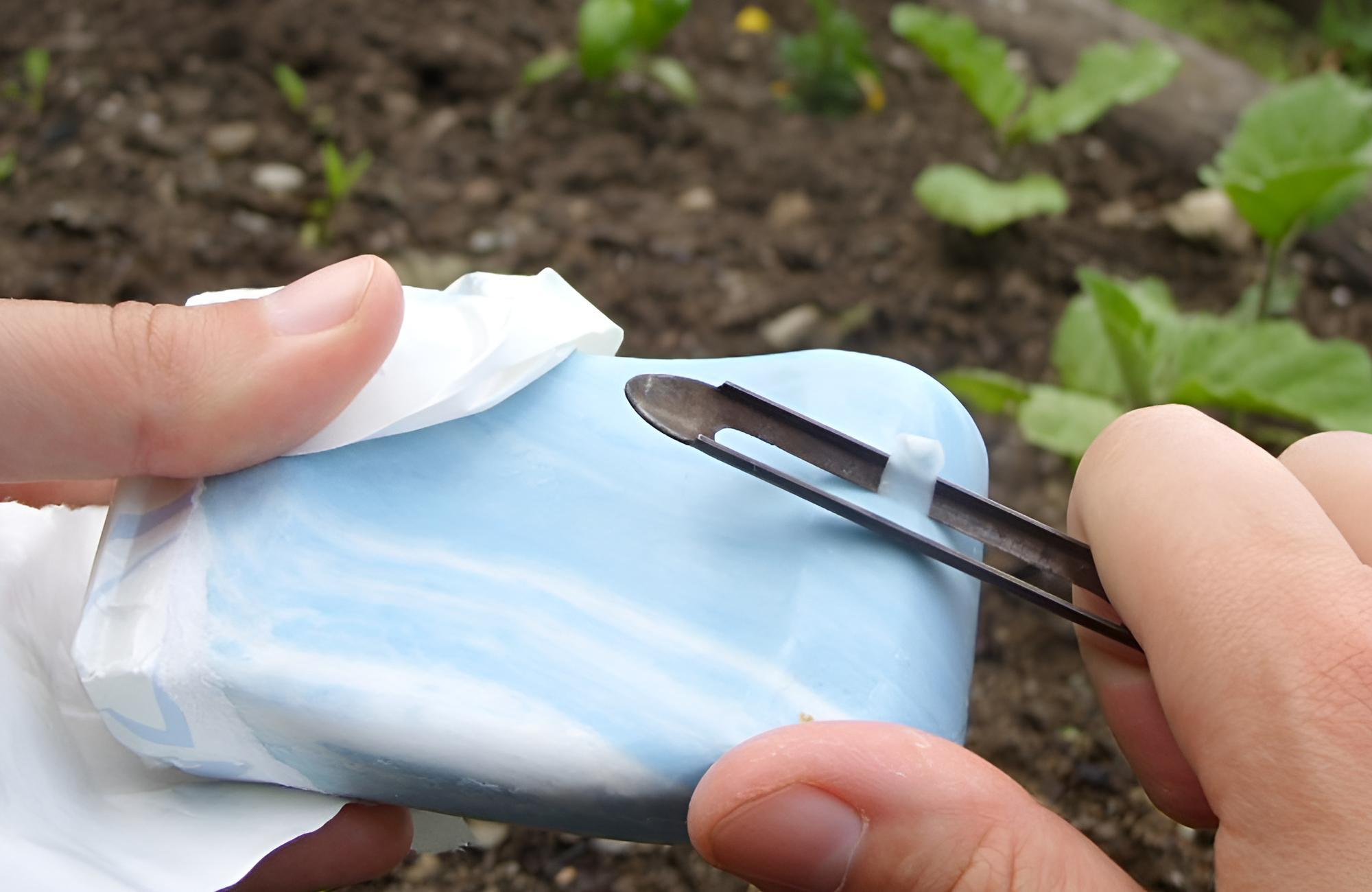
@bonneaumj / Pinterest.com
The scent of the soap will keep animals away from your plants, so they will be safe from any harm caused by rodents or birds. And don’t worry: the soap won’t interfere with the growth of your plants because it will stay on the surface, far from the roots.
20. Succulent Water Bottle Propagator
Materials Needed: Old plastic water bottle, water, succulent clippings
Cost to Make: $1/free*
Succulents are often hailed as some of the easiest plants to keep in the house as they don’t need much care. However, overwatering them can lead to a whole host of problems, and eventually, much-dreaded plant death.
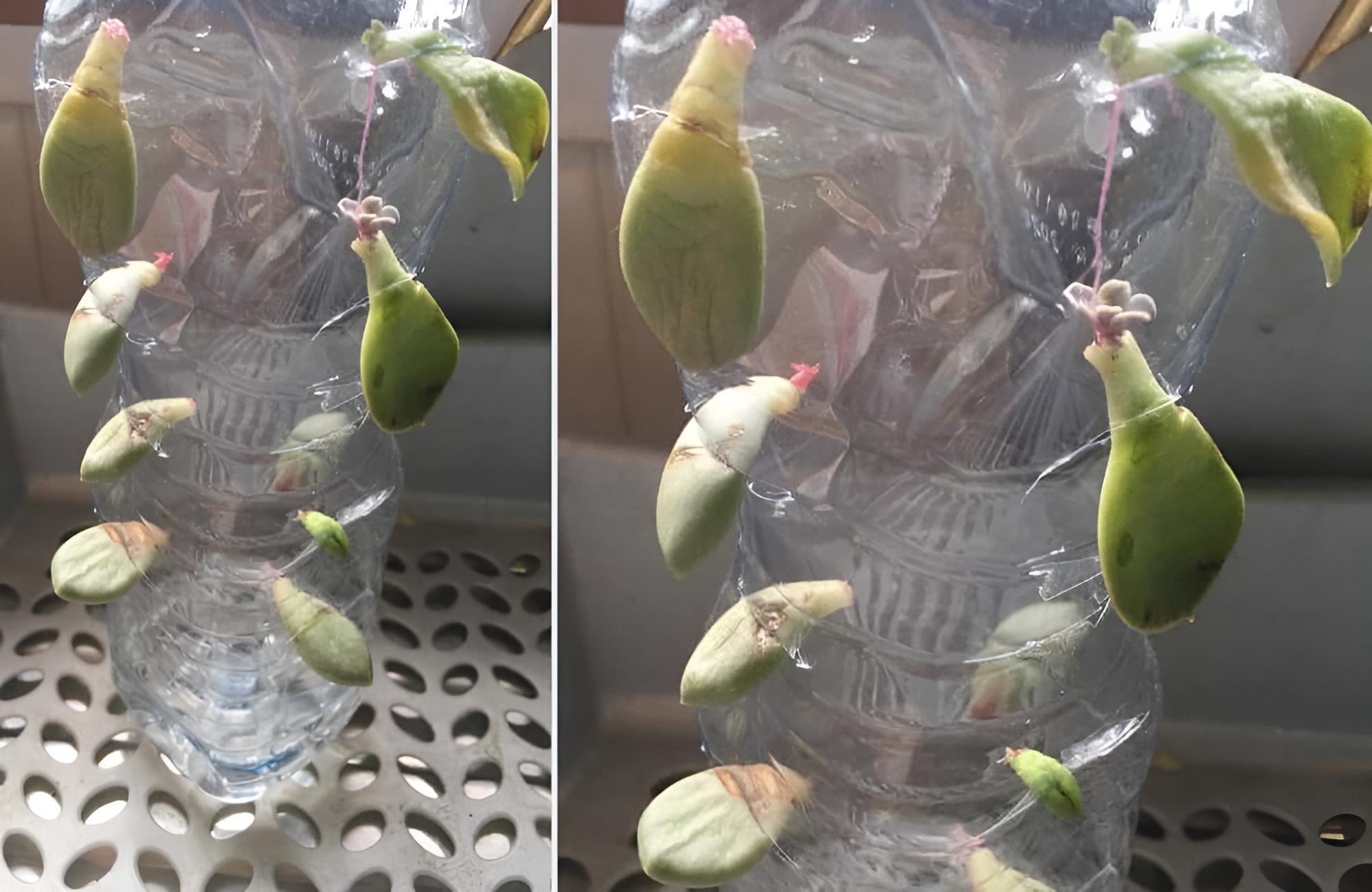
Succulent Water Bottle Propagation @marypajaresv / Pinterest.com
Instead of writing it off as a complete failure if this ever happens to you, grab a plastic bottle, pour some water in it, and make slits in the sides. Clip the (living) leaves from the succulent and insert them into the holes. Hey presto, you have your very own succulent propagator!