
161. Golan Armored Vehicle IFV/MRAP – Israel
Manufacturers: Rafael Advanced Defense Systems, Protected Vehicles Incorporated
Primary Users: Israel Defense Forces
Program Cost: $30 million-$60 million*
Unit Cost: $500,000-$1 million*
The Golan Wheeled Armored Vehicle is an MRAP mobility vehicle that is made by Rafael Advanced Defense Systems and Protected Vehicles Incorporated. The mission of this vehicle is to protect the crew and passengers to the highest degree possible.
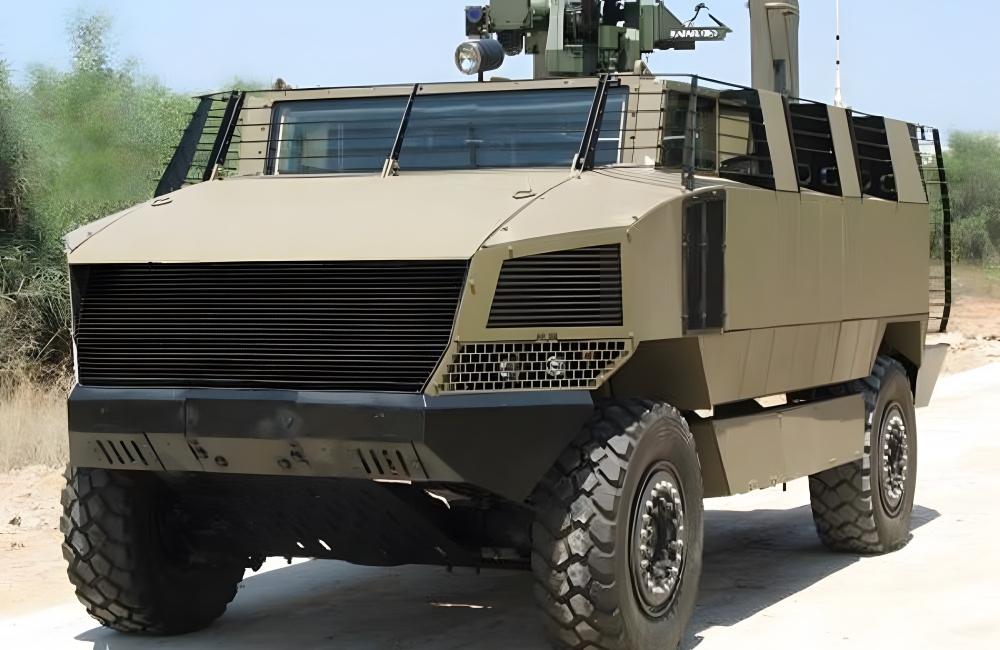
Golan Armored Vehicle IFV/MRAP /armyrecognition.com
The Golan’s platform can carry as many as ten soldiers, and it can be reconfigured to become an ambulatory, recon, command, or intelligence collection vehicle. The V-shaped vehicle body and hull can withstand IED blasts and mines, and the Golan can carry all types of armor, from light passive to heavy reactive that can deflect even RPGs. When equipped with its reactive armor, the Golan can deflect even EFPs, the most powerful type of IED.
162. M18 Hellcat – USA
Manufacturers: Buick Motor Division of General Motors
Primary Users: U.S. Army
Program Cost: $2.13 billion*
Unit Cost: $850,166*
When discussing American military history, one cannot forget the contributions of the Buick-designed M18 Hellcat. The tank destroyer was used by the U.S. Army in the Korean War and World War II. The Hellcat could hit a top speed of 55MPH, assuming armor was kept at a minimum.
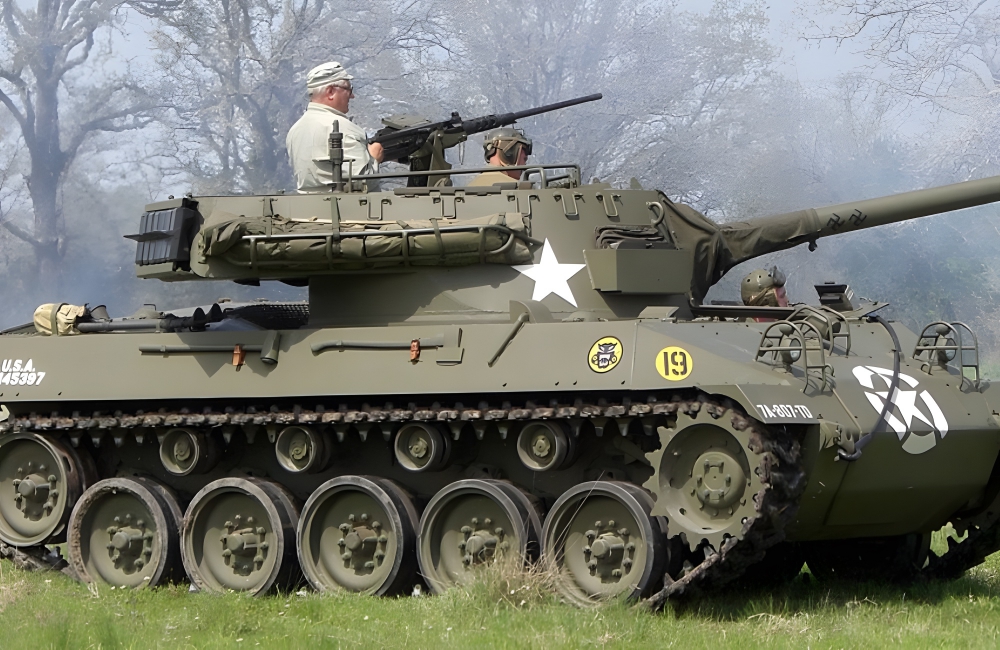
M18 Hellcat (U.S.) Benzene at English Wikipedia/commons.wikimedia.org
Of all the tank destroyers used by the U.S. in WWII, the Hellcat was the most effective, with the highest kill-to-loss ratio. M18s were great not only for fighting but also for direct fire support and other improvised roles. Though the Hellcat has since been retired, no one has forgotten its legacy.
163. EE-3 Jararaca – Brazil
Manufacturers: Engesa
Primary Users: Brazilian Army
Program Cost: $1-$5 million*
Unit Cost: $82,000*
This scout car was a jack of all trades for the Brazilian Army, and it was built by Engesa as a reply to the Brazilian Army’s requirement for a lightly-armored car that could replace its other, unarmed utility vehicles. The EE-3 Jararaca has been used for liaison, internal security, and route recon missions.
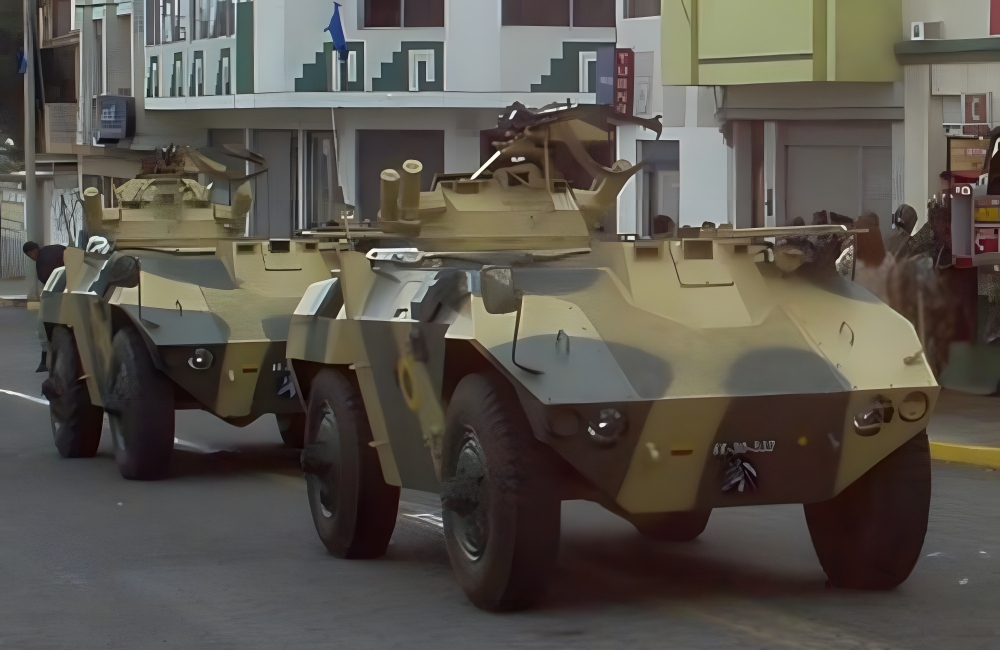
EE-3 Jararaca (Brazil) Sylvain2803/commons.wikimedia.org
It was rejected for the purpose of large-scale service due to limited mobility, though the Jararaca has found some success in the export markets of Libya and Iran. The Jararaca was produced from 1982 until 1990, and it was pretty cheap, costing around $82,000 per unit.
164. K1 Main Battle Tank – Korea
Manufacturers: Hyundai Precision/Rotem, General Dynamics, Chrysler Defense
Primary Users: Republic of Korea Armed Forces
Program Cost: $2.83 billion*
Unit Cost: $1.87 million*
The K1 is a series of battle tanks in use with the Republic of Korea Armed Forces. It was developed by Hyundai Precision in the late 1980s, and the vehicle’s earliest designs were based on the XM1 by Chrysler. There were some differences, such as torsion bars, a river-crossing kit, hydro-pneumatic suspension, and more.
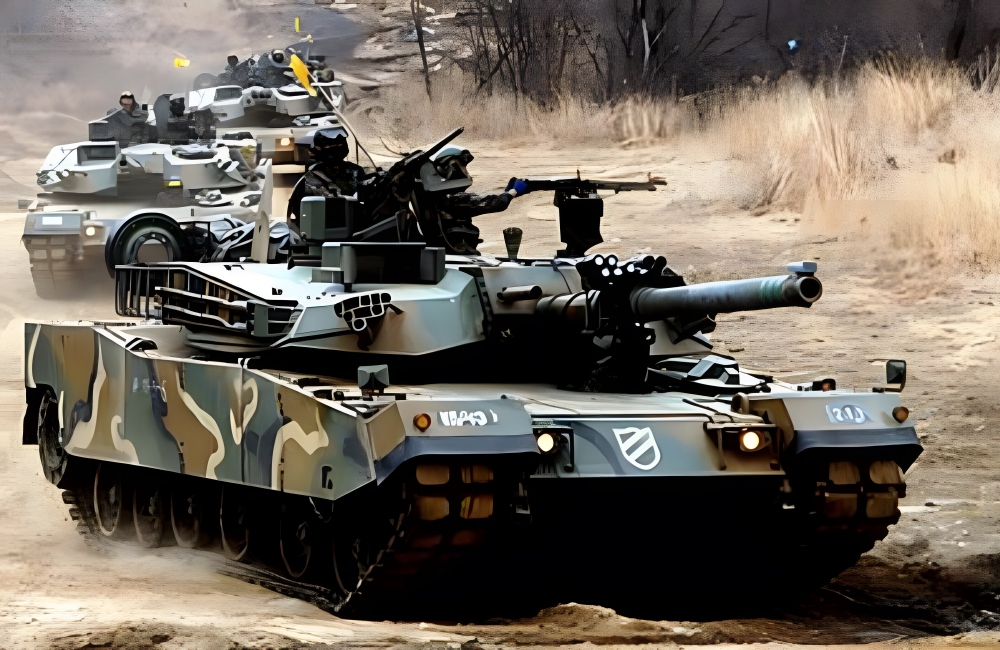
K1 Main Battle Tank (Korea) 대한민국 국군 Republic of Korea Armed Forces/commons.wikimedia.org
There have been several variations of the K1, each growing more expensive over time. The K1E1 is the latest version, and Hyundai Rotem, General Dynamics, and Chrysler Defense have been producing this model since 2014. Overall, 1,027 of these K1E1 vehicles have been produced.
165. M51 Super Sherman – Israel
Manufacturers: Israeli Ordnance Corps
Primary Users: Israeli Defense Forces, Chilean Army
Program Cost: $222 million*
Unit Cost: $1.4 million*
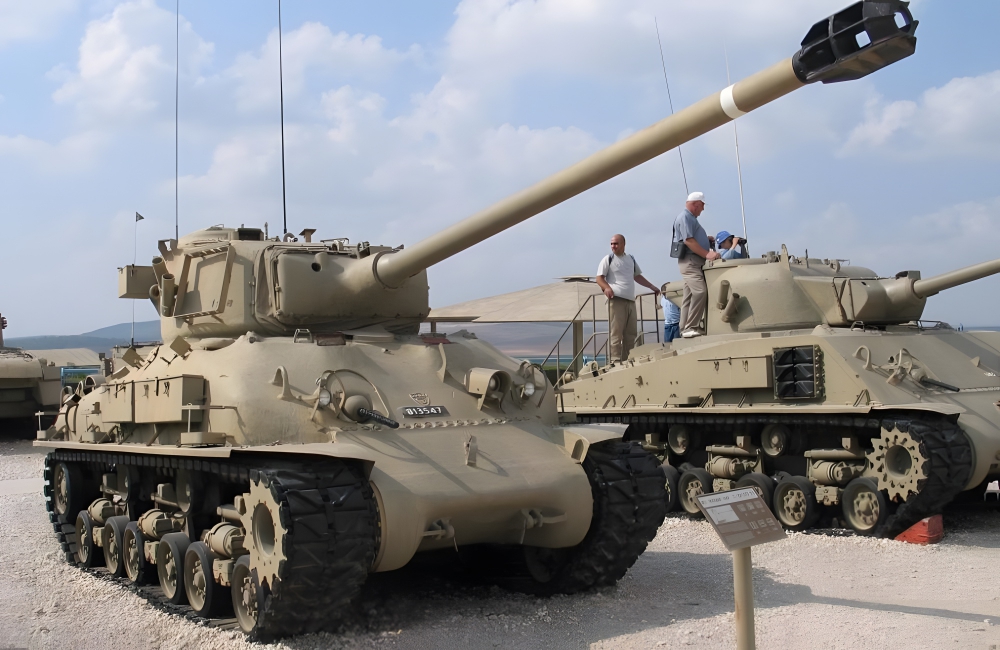
The Sherman M-51, better known as the Super Sherman, was a modified version of the M4 Sherman tank. The IDF used the Super Sherman from the mid-fifties to the early eighties, and it saw action in some of the most well-known conflicts during those three decades.
M51 Super Sherman (Israel) Bukvoed/commons.wikimedia.org
The Israeli Defense Forces were inspired to build the Sherman after traveling to France and seeing tanks similar to the M4. Through the years, around 180 of these vehicles were produced. When the Sherman’s heyday was over, Israel sold around 100 of the remaining Shermans to Chile, who used them until 1999 before replacing them with the Leopard 1.
166. T-55 Battle Tank – Slovenia
Manufacturers: KhPZ, UVZ, Bumar-Labedy, ZTS Martin
Primary Users: Soviet Army
Program Cost: $100-$150 billion*
Unit Cost: $1.42 million*
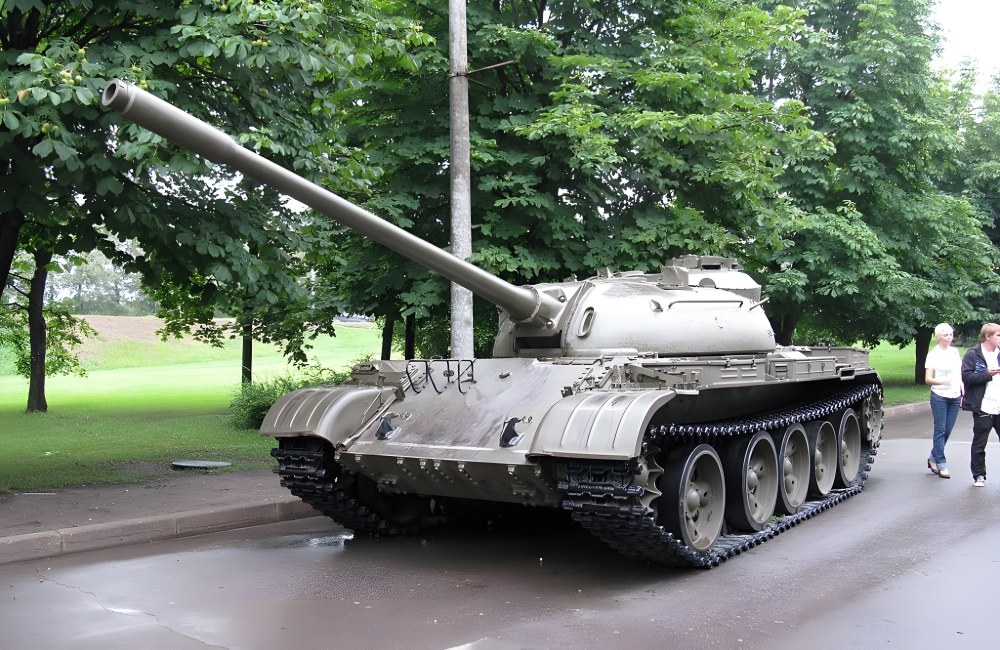
The T-55 was the main battle tank used by then-Soviet countries like Slovenia. The tanks saw use after the Second World War. Since then, the T-54 and T-55 series have been the most-produced tanks in history. Around 100,000, if not more, have been made between 1945 and 1958.
T-55 Battle Tank (Slovenia) Andrew Bossi/commons.wikimedia.org
KhPZ and UVZ in the Soviet Union, Bumar-Labedy in Poland, and ZTS Martin in Czechoslovakia were the T-54/T-55’s main manufacturers. In the Cold War, T-55s never faced NATO adversaries directly in Europe, though the T-55’s high-tech features inspired the U.S. to develop the famous M60 Patton. They also inspired the U.K. to create a tank gun called the Royal Ordnance L7.
167. MLVM Armored Personnel Carrier – Romania
Manufacturers: Uzina Mecanica Mizil/Brașov
Primary Users: Romanian Army’s Vanatori de Munte Division
Program Cost: Unknown
Unit Cost: $500,000-$1.8 million*
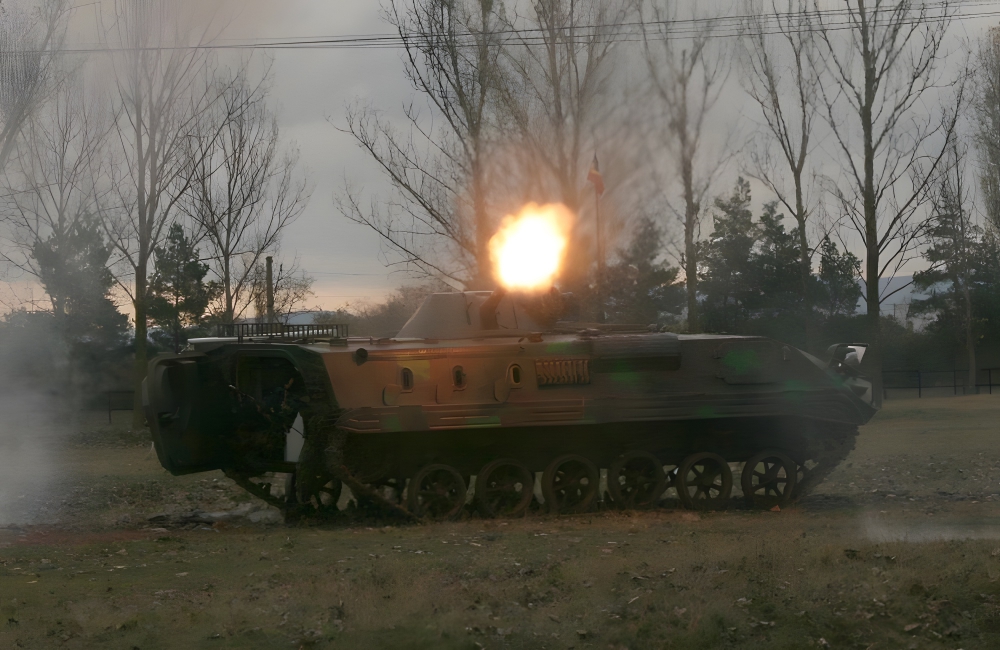
In Romanian, MLVM means Masina de Lupta a Vanatorilor de Munte. This armored personnel carrier is designed as an IFV for the Romanian Army’s vanatori de munte (elite mountain troops) division. Technically, the MLVM is booked as a tracked personnel carrier because of its armament and light armor, but it has been used as an IFV.
MLVM Armored Personnel Carrier (Romania) ircea87/Wikimedia Commons
The MLVM requires two crew members and can protect seven passengers. The tank is armored with protection against 7.62mm rounds. Its main armament is a KPVT machine gun with 600 rounds, while its second armament is a PKT machine gun with 2,500 rounds. The operational range of the MLVM is 430 miles.
168. Mowag Tornado – Switzerland
Manufacturers: Mowag Motor Car Factory (Kreuzlingen)
Primary Users: Switzerland Army (Hypothetically)
Program Cost: N/A
Unit Cost: $250,000-$500,000*
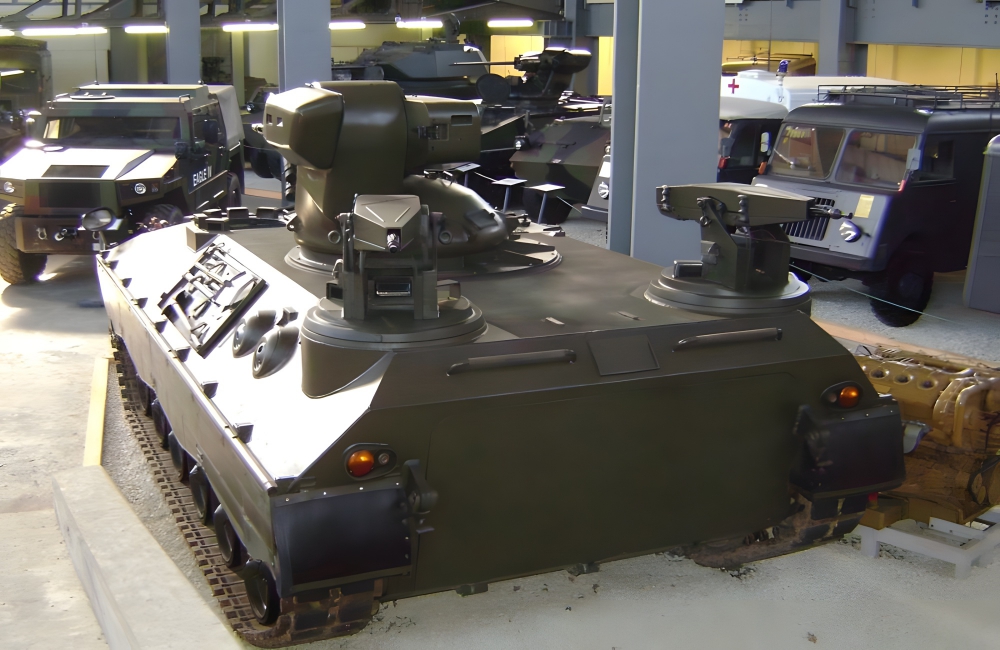
The Mowag Tornado never reached serial production, though it was originally intended for the Army of Switzerland. The Tornado, which is currently displayed at the Schweizerisches Militarmuseum Full, is an armored infantry fighting vehicle made by Mowag Motor Car Factory in Kreuzlingen, Switzerland.
Mowag Tornado (Switzerland) Kobel/commons.wikimedia.org
It was produced in 1980, and just one was built. It slightly resembles the BMP-1, a Soviet vehicle that got a lot more use than the Tornado did. The Tornado’s main armament, not that it ever used it, is the OERLIKON GBD COA. Its secondary armament is a 4 x 76mm rocket launcher and two submachine guns.
169. Guardian Angel Air-Deployable Rescue Vehicle – USA
Manufacturers: HDT Global
Primary Users: U.S. Air Force Pararescue
Program Cost: TBD
Unit Cost: TBD
The Guardian Angel Air-Deployable Rescue Vehicle is also called the SRTV, the Storm Search and Rescue Vehicle. The SRTV was the winner of the Guardian Angel competition, so-named because of the combat rescue and pararescuemen called the Guardian Angel Weapon System. The Storm SRTV will be used by the U.S. Air Force Pararescue.
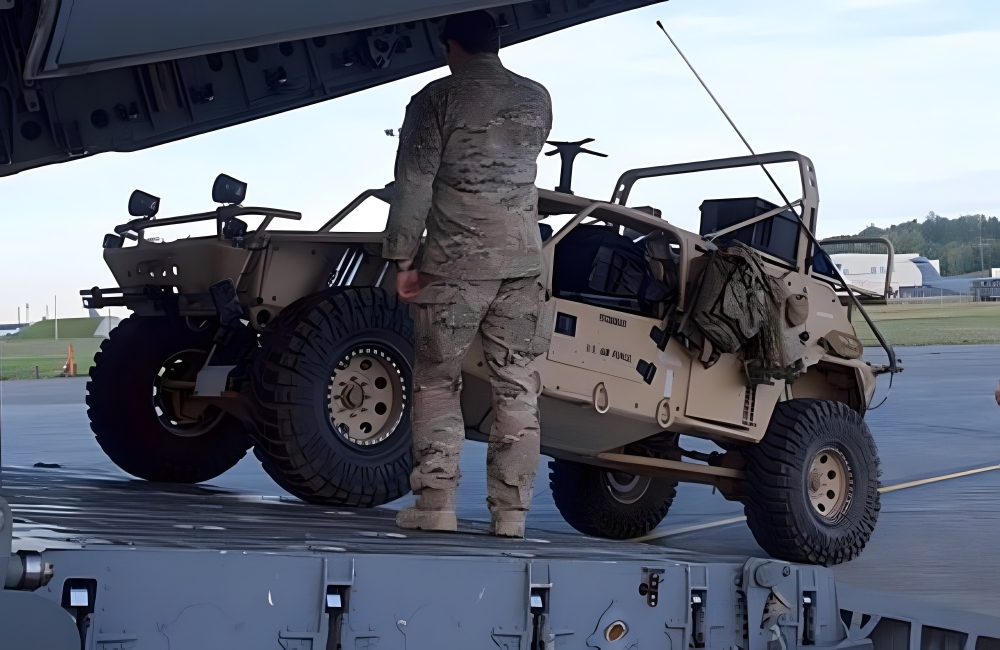
Guardian Angel Air-Deployable Rescue Vehicle (U.S.) 176th Wing Alaska Air National Guard from Anchorage, Alaska, United States/commons.wikimedia.org
Just one test vehicle, built by HDT Global in Geneva, Ohio, has been constructed so far. The vehicle can transport three patients/survivors at a time. The Guardian Angel is still undergoing testing, but it is pretty impressive, thus far, with a top speed of 100MPH and a payload capacity of 3,730 pounds.
170. Nahuel DL 43 – Argentina
Manufacturers: Arsenal Esteban de Luca
Primary Users: Army of Argentina
Program Cost: $1.2 million*
Unit Cost: $100,000*
The Nahuel DL 43 was inspired by the design of the American M4 Sherman. It was designed by Lieutenant Colonel Alfredo Baisi, who hired Arsenal Esteban de Luca, a company in Buenos Aires, to produce twelve tanks and a wooden mock-up. The Argentine Army used them along with surplus Sherman tanks, which were provided to the country by the U.K. and Belgium in the late 1940s.
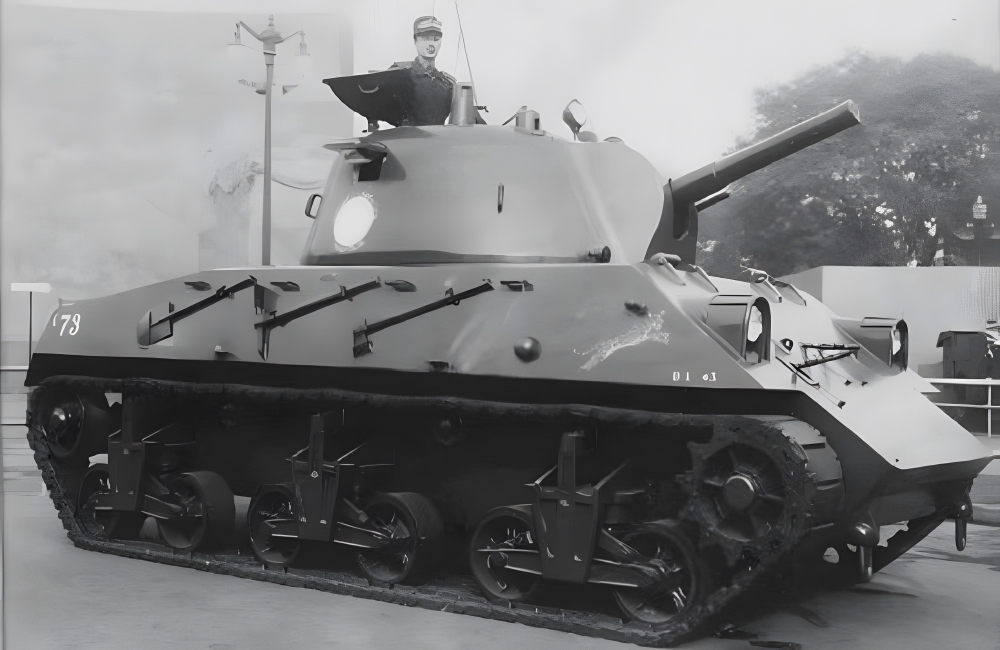
Nahuel DL 43 (Argentina) Public domain/commons.wikimedia.org
The design is akin to that of the early M3 Grant and the M4 Medium, both of which were used by the U.S. Army. But, contrary to popular belief, this WWII vehicle was not a copy of either tank. It had sloped armor and its own design.
171. Olifant MK 1B – South Africa
Manufacturers: Olifant Manufacturing Company, OMC Engineering
Primary Users: South African National Defense Force
Program Cost: $100.6 million*
Unit Cost: $503,000*
The Olifant started out as the Centurion, a primary British tank that is, to this day, one of the most historically-successful tanks in the history of the British military. The Centurion was introduced during WWII, and it remained in production for two decades after. The tank was popular, with good armor, armament capabilities, and maneuverability.
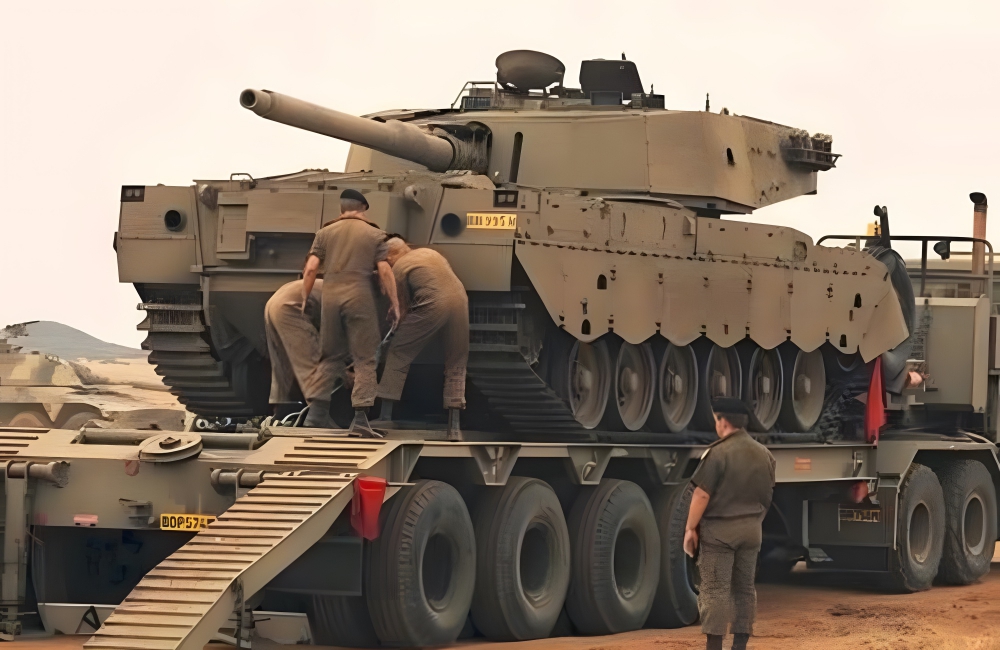
Olifant MK 1B (South Africa) @Centurion88/commons.wikimedia.org
In the 1980s and 2000s, the Centurion was modernized into the Olifant. Two hundred of these vehicles are in use with the South African National Defense Force. Each Olifant costs around $503,000 to produce, and its main armaments include an L7, 20 pdr, and 17 pdr rifle gun.
172. FV106 Samson – UK
Manufacturers: Fabrique Nationale, U.S. Ordnance
Primary Users: British Army
Program Cost: $68-$136 million*
Unit Cost: $500,000-$1 million*
This British armed recovery vehicle is called the FV106 Samson, and it is one of the CVRT group of armored tanks. The 8.7-ton Samson can recover other tracked vehicles, such as lightweight FV430s. The Samson was developed in the early 1970s, and it entered production in 1978.
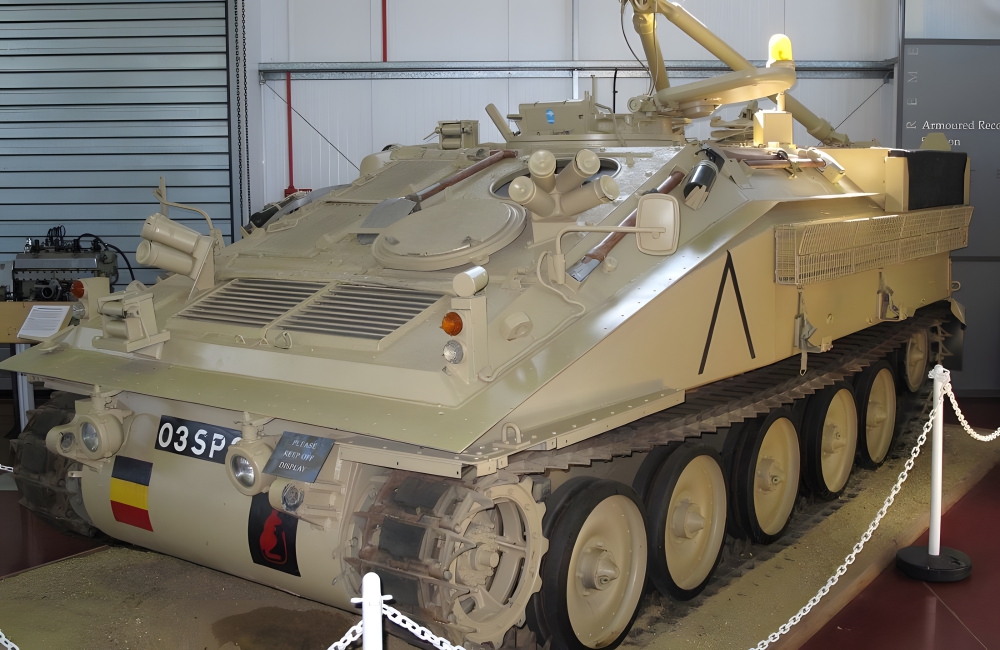
FV106 Samson (UK) Orp20/commons.wikimedia.org
The hull is made from all-welded aluminum, and this armored recovery vehicle can carry a crew of three. Its main armament is a 1 x 7.62mm L7 GPMG, while its second armament is a series of right smoke dischargers. The FV106 can be fitted with a float screen so that soldiers can operate it amphibiously by using its own tracks. It can also be fitted with a propeller kit and an NBC protection unit.
173. Sherman Firefly – UK
Manufacturers: Detroit Tank Arsenal (Chrys. Corp)
Primary Users: British Army
Program Cost: $1.6 billion*
Unit Cost: $765,000*
The U.K. used this powerful tank during WWII. The Sherman Firefly was fitted with a three-inch British 17-pound anti-tank gun as the main weapon, making the Firefly far more powerful than the M4 Sherman. The Firefly was supposed to be a stopgap for another tank design, but the military loved it.
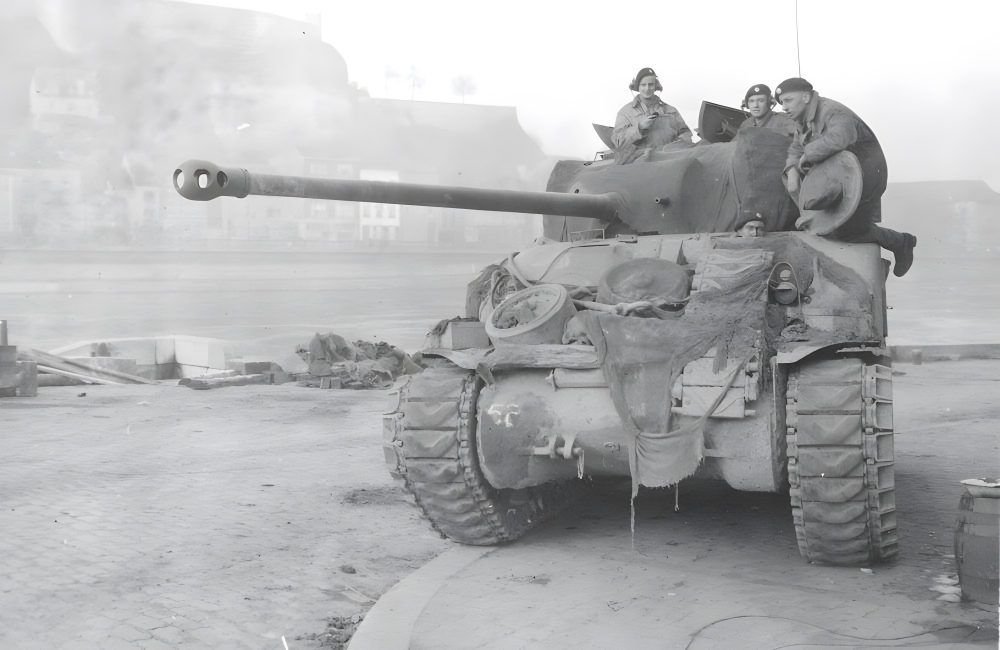
Sherman Firefly (UK) Public domain/commons.wikimedia.org
The Sherman grew to become the most common tank to mount the 17-pounder in combat during WWII. The Firefly could almost always shoot through the armor of the Tiger and Panther tanks it came across in Normandy, something that no other British tank was able to do at the time. Because of this firepower, German soldiers were often instructed to attack the Fireflies first to stand a chance in battle.
174. T17 Deerhound – USA
Manufacturers: Ford Motor Company
Primary Users: U.S. Army
Program Cost: $2 billion*
Unit Cost: $1.12 million*
The T17 Deerhound, as the British call it, was designed and manufactured from 1941 until 1945. Around 250 were built, and this armored car was a stopgap until the U.S. Army’s M8 was available. All 250 of these T17s were supposed to be for the British to use, but the Americans ended up taking these 17-ton vehicles.
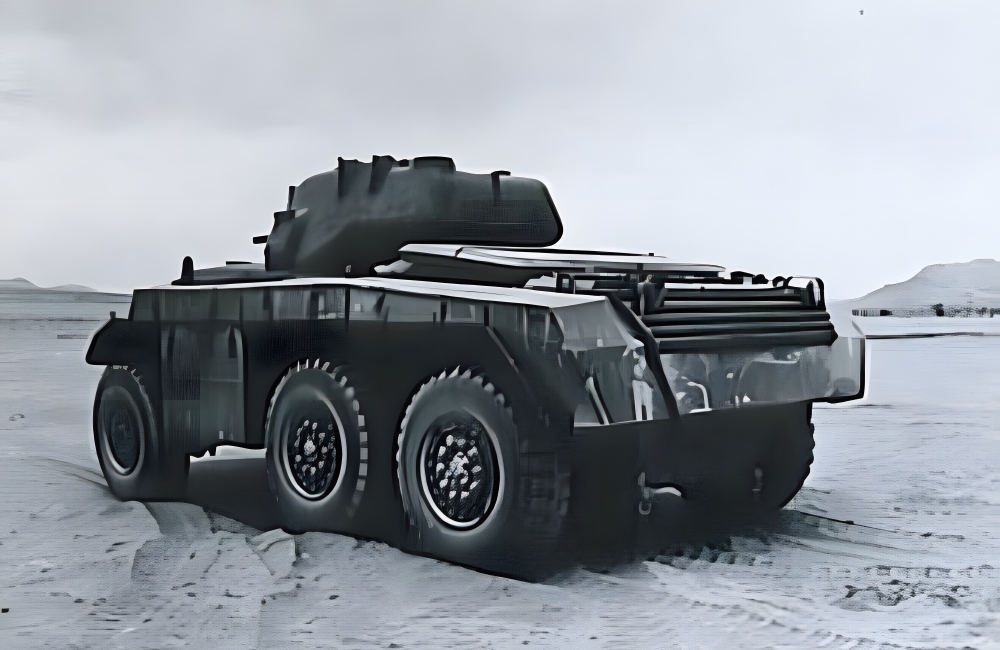
T17 Deerhound (USA) Public domain/commons.wikimedia.org
The Deerhound was a turreted 6×6 that required a crew of five: commander, loader, gunner, co-driver, and driver. The T17 used the same turret that the M3 Lee tank used, and its main armament was a 37mm Gun M6. Its secondary armament was 2 x .30 M1919s.
175. M60A1 AVLB – U.S.
Manufacturers: Anniston Army Depot, General Dynamics Land Systems, U.S. Army Engineer Research and Development Laboratory
Primary Users: U.S. Marines
Program Cost: $50-$75 million*
Unit Cost: $1.49 million*
The M60 AVLB (Armored Vehicle Launched Bridge) is used to launch and retrieve a sixty-foot scissors bridge. The AVLB has three main sections: the launch, hull, and bridge. This vehicle was introduced in the early 1960s, and it was developed by General Dynamics using a design from the U.S. Army Engineer Research and Development Laboratory.
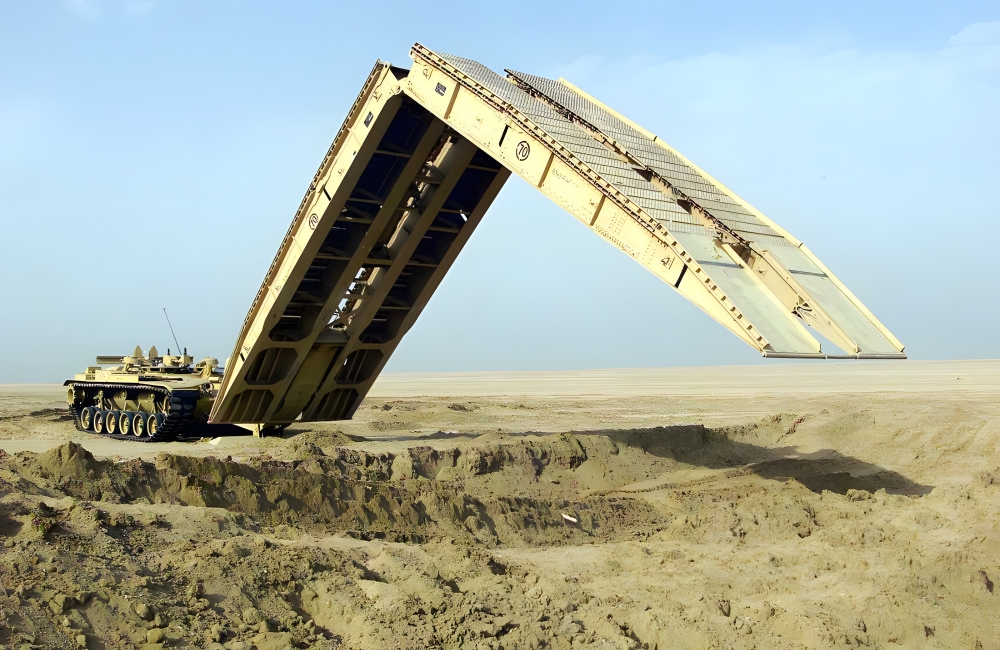
M60A1 AVLB (U.S.) Kevin Quihuis Jr./commons.wikimedia.org
The M60A1 AVLB had a 53.3-ton weight (combat-loaded), and it used the MLC60 bridge. This hull and launcher had a ground clearance of eighteen inches, and it could reach a maximum speed of 30 miles per hour. Each unit cost approximately $1.49 million to make.