
167. Yakult Drinks
What it is: Healthy probiotic
Average Price: $4*
Unlike some other things we’ve discussed, Yakult is available in other countries. However, this healthy drink was born in Japan before it became an overeseas sensation. These tiny little products are packed full of probiotics which can help to maintain gut health.
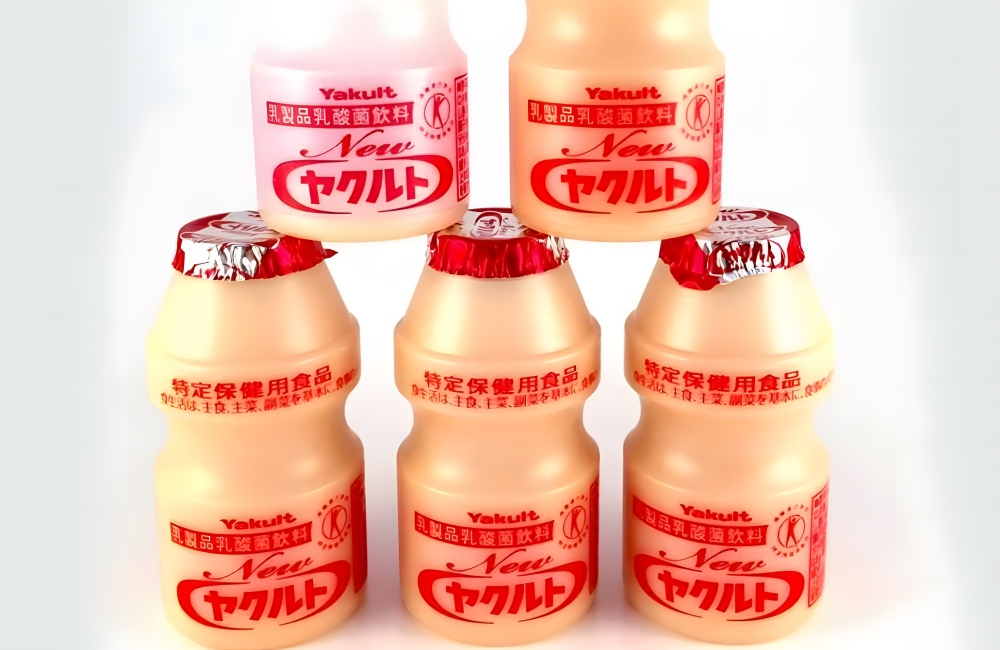
Yakult Drinks @takaski/Pinterest
Drinking just one of these a day can improve digestion and keep nasty illnesses at bay. What’s more, they’re only around $4 a pack at store like Walmart. If Yakult isn’t part of your daily routine yet, it should be.
168. High-end Mangos
What it is: A really expensive piece of fruit
Average Price: $50 a pair*
Most of us might be slightly annoyed when grocery prices go up at the store, but can you imagine paying over $50 for a pair of mangos? Miyazaki mangoes are grown on the island of Kyushu, but what makes them so pricey?
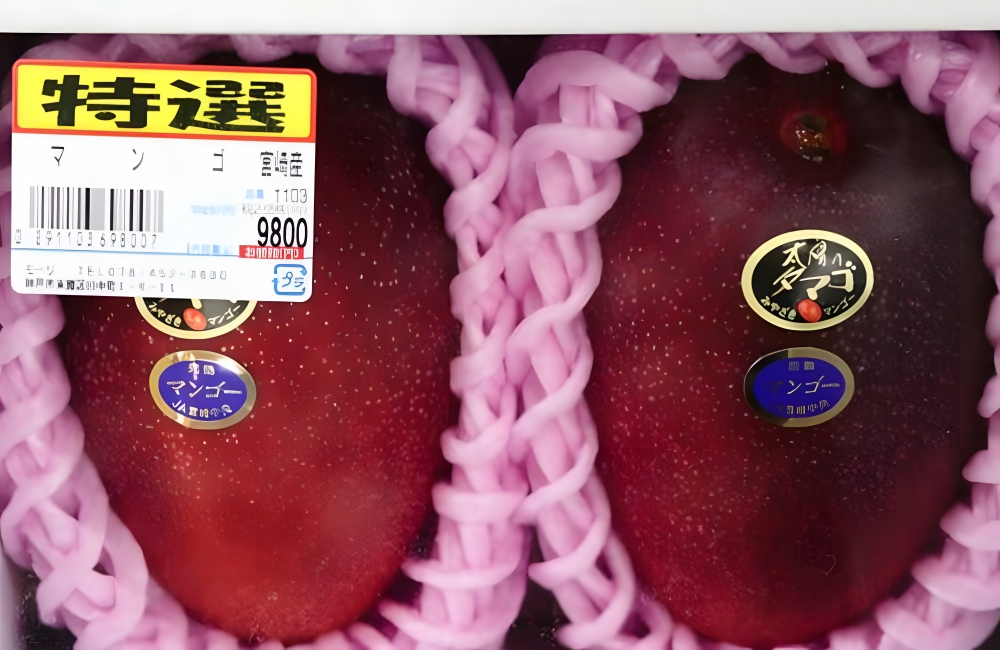
High-end Mangos @atlasobscura/Pinterest
They have a striking red color which sets them apart from the mangos on shelves at Kroger, but they apparently have a superior taste, too. Miyazaki mangoes are sweet and have a sugar content of at least 15%, according to producers. Unless you’ve got a bucket of spare cash, you might want to stick with your current choice.
169. Elevator Girls
What it is: Elevator operators
Average Price: N/A
If you’ve ever been to a fancy hotel, then the chances are you’ve had someone operate the elevator for you. However, this is a dying trend that most places don’t bother with nowadays. After all, why pay someone to press buttons when guests can do it themselves?
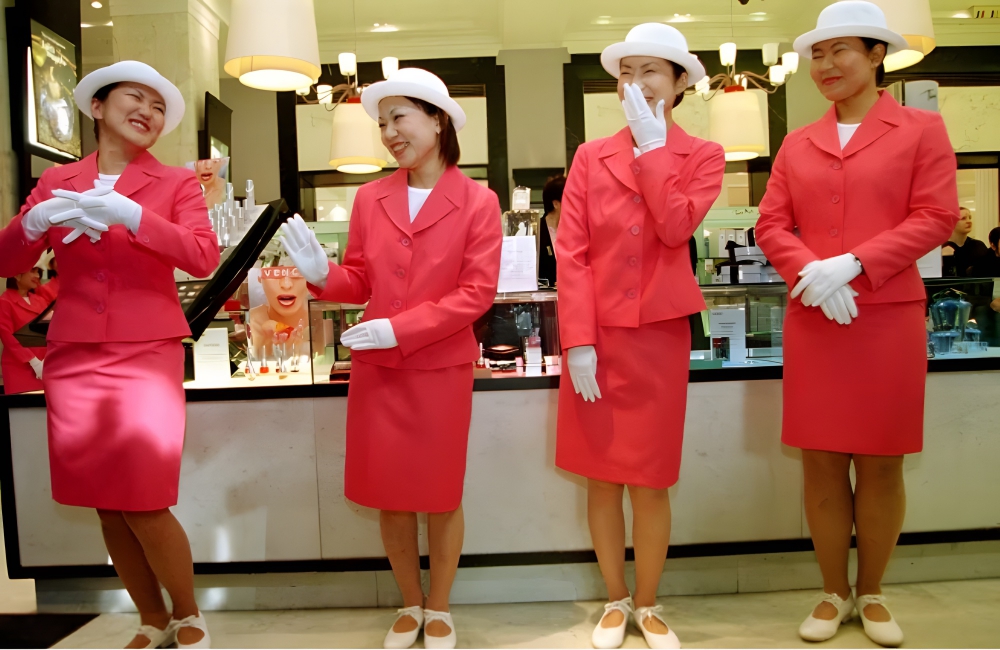
Elevator Girls @Grunge.com
Although, if you travel to Japan, you’ll likely see elevator girls dressed in smart uniforms and ready to greet you with a smile. These professionals are there to brighten your day and make sure you get from one floor to the next in style.
170. Moving Rubber Hair Wax
What it is: Hair wash made from rubber
Average Price: $10*
Any boyband hopeful will tell you just how important it is to get the perfect hairstyle. You don’t get to be worldwide famous by having messy hair – unless it’s supposed to look that way. Moving Rubber hair wax might cost around $10 a pop, but according to reviews, it’s worth it.
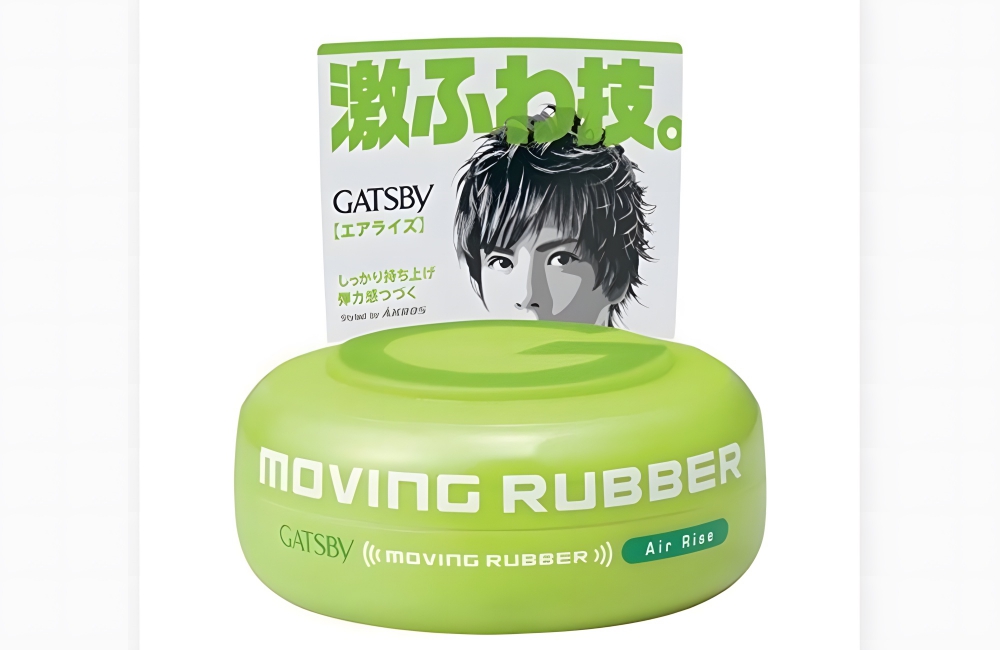
Moving Rubber Hair Wax @ebay/Pinterest
Not only can it give you the perfect hold for your style, but it comes with a mildly fruity fragrance. As far as hair products go, Japan has one up on the rest of the world with this invention. What’s more, it’s paraben-free.
173. Purikura Real-Life Photoshop
What it is: Photobooth that lets you edit
Average Price: $5-$10*
In this day and age, retouching photos has become commonplace. Most famous stars airbrush their photos before posting them on social media, which in turn leads many of their followers to do the same. In Japan, this retouching trend has gone way beyond apps.
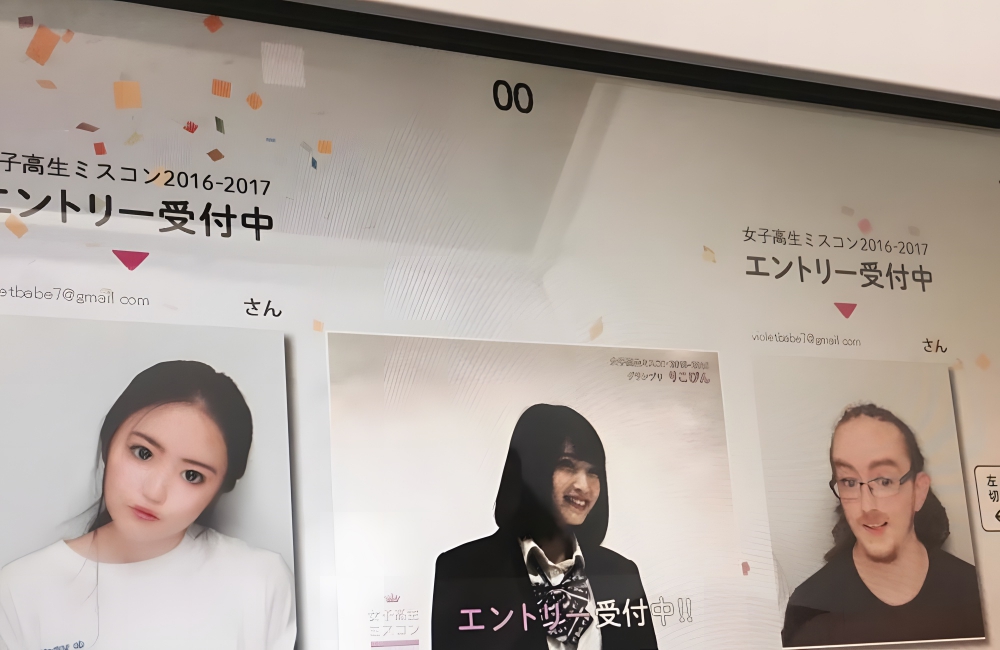
Purikura Real-Life Photoshop @Matthew Dooher/Facebook
Known as purikura, or a photo booth, these booths let people pay to take photos, much like the ones we have all over the world. However, instead of printing out a grainy set of snaps, these booths automatically retouch and airbrush your skin to make you look flawless.
174. Automatic Taxi Doors
What it is: Doors that open automatically
Average Price: N/A
If you’e ever caught a cab in Japan, you’ll likely have been surprised that the door opens up for you. There’s no need to touch the handle, it simply extends out and invites you in. It’s an impressive novelty that actually serves several purposes.

Automatic Taxi Doors @citycostjapan/Twitter
Not only does it mean that you won’t have to touch a handle that multiple other people touch every day, but it acts as a form of hospitality, welcoming you in. It also encourages you to take the back seat and not sit next to the driver, which many people prefer.
176. Blue Traffic Lights
What it is: Blue means go
Average Price: N/A
Driving in Japan certainly isn’t for the faint of heart, but that’s not just because it’s so busy. The rules of the road are different there in many ways, including one often-universal aspect. Japan’s traffic lights don’t turn green when it’s time to go, they turn blue instead.
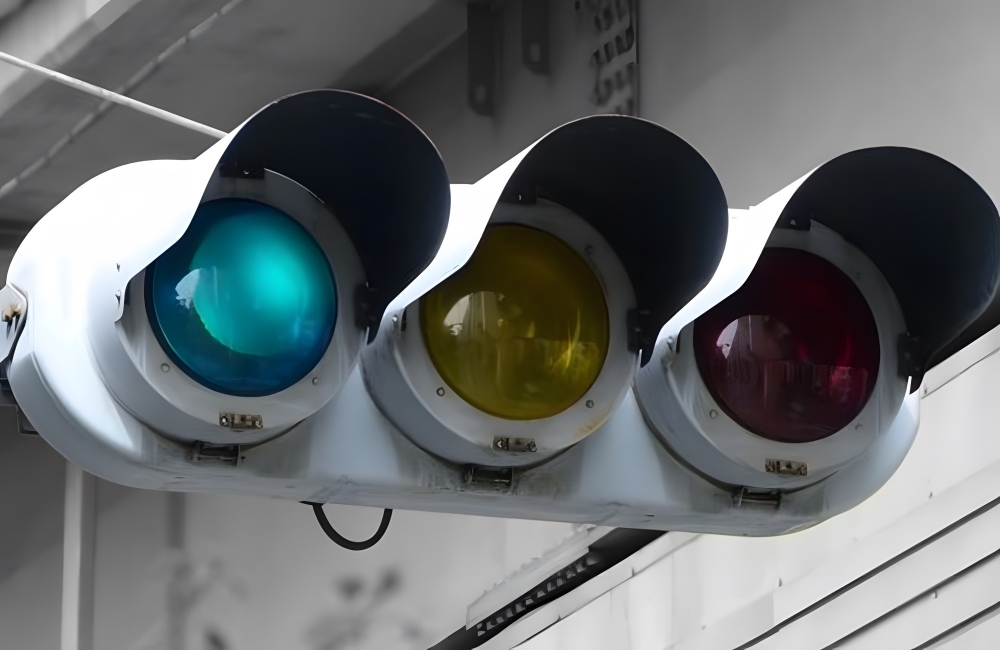
Blue Traffic Lights @turukete/Pinterest
Amazingly, this stems from the development of the Japanese language which originally only included four basic colors. In order to describe the color for green, you would use the word for blue. Traffic lights aren’t the only typically green item to be blue in Japan.
177. Uni
What it is: Edible reproductive glands of the sea urchin
Average Price: $120-$500 per kilogram*
If you’re a seasoned seafood lover who wants to try something new, consider checking out Uni. Uni is a delicacy around the world, and it comes from Japan. Uni is a bit of an unexpected dish. It is sometimes called “sea urchin’s eggs” or “sea urchin’s roe.” It is made from the reproductive glands and edible part of the famously-spiny sea urchin.
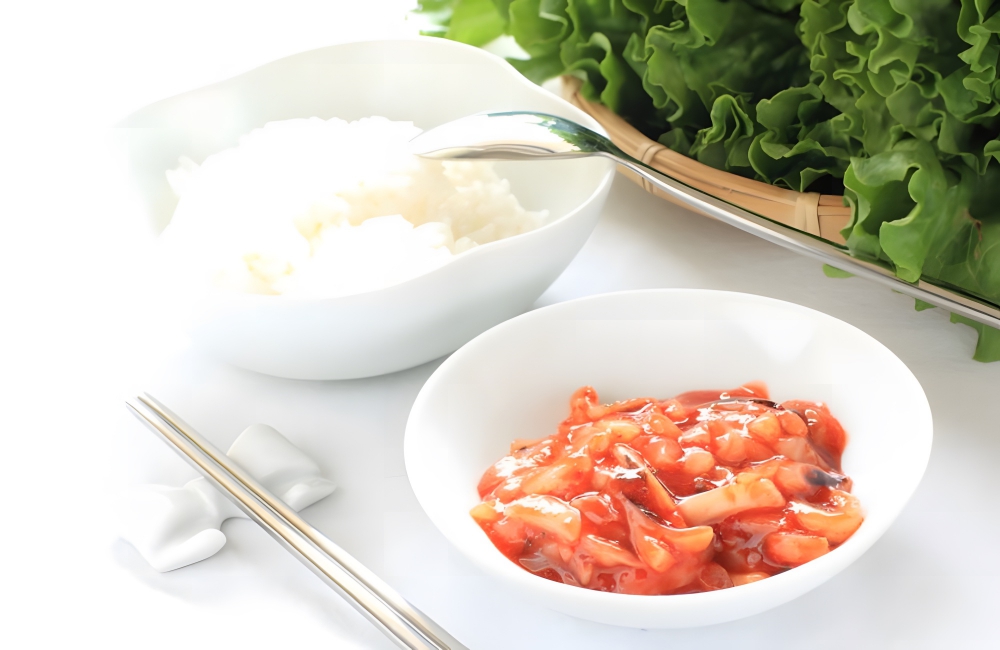
Uni ©jreika/Shutterstock
According to Fulton Fish Market, Uni is “savory,” with a distinct “umami” and “briny” flavor. The texture is “buttery” and “melt-in-the-mouth.” Some Uni have sweet notes, while others have metallic ones. These bright-yellowish-orange lobes are often served with pasta or sushi.
179. Chicken Cartilage
What it is: Skewered chicken cartilage on a stick
Average Price: $0.79-$1.58 per skewer*
Chicken cartilage, also known as Nankotsu, is taken from the keel bone, located between chicken breasts. There is little meat attached to Nankotsu, as the cartilage is super-crunch because it has a lot of collagen. Yakitori restaurants sell Nankotsu skewers, where the cartilage is speared with a wooden stick.
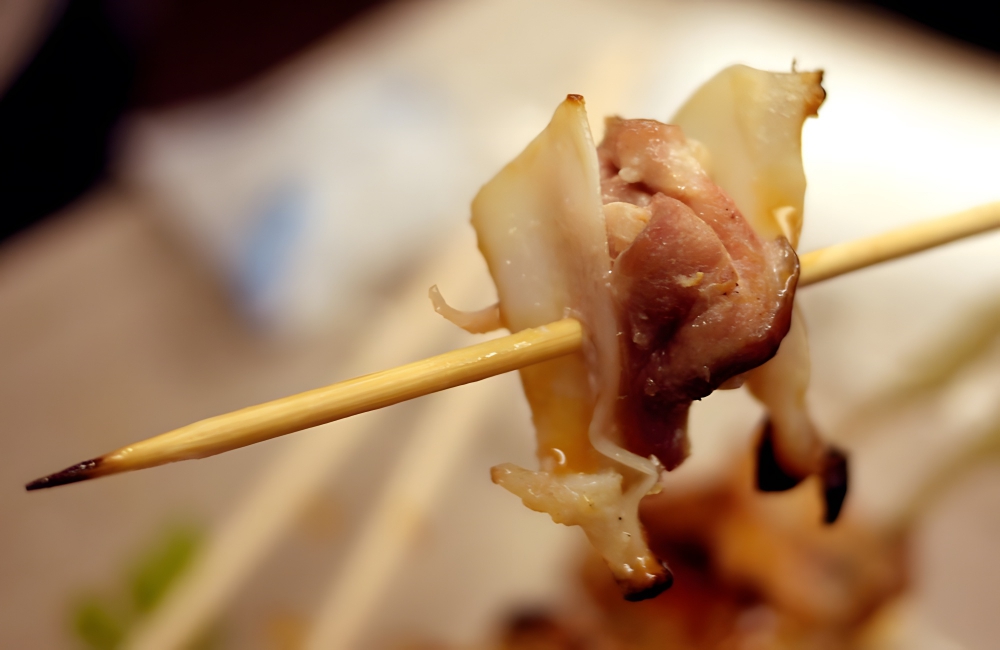
Chicken Cartilage @DoctorJamilAlqudsi/Facebook
This popular street food is quite cheap, only costing 100 to 200 Yen for each skewer. Most Nankotsu are cooked to order right off the grill, and you can choose your sides and what you want the cartilage seasoned with. Yakitori food is meant to be eaten with the hands, though some people use chopsticks to pluck the meat from the stick.
180. Goat Cafes
What it is: Cafe in Shibuya with two goats wandering around it
Average Price: Free to see the goats
There are a lot of unique animal tourist attractions in Japan, and goat cafes are a prime example. You can have coffee and hang out with goats. Japan has taken things past the cat café, and it has rabbit, reptile, and birds of prey cafes. Located in Shibuya in the heart of the city, the goat café is called Sakuraoka.
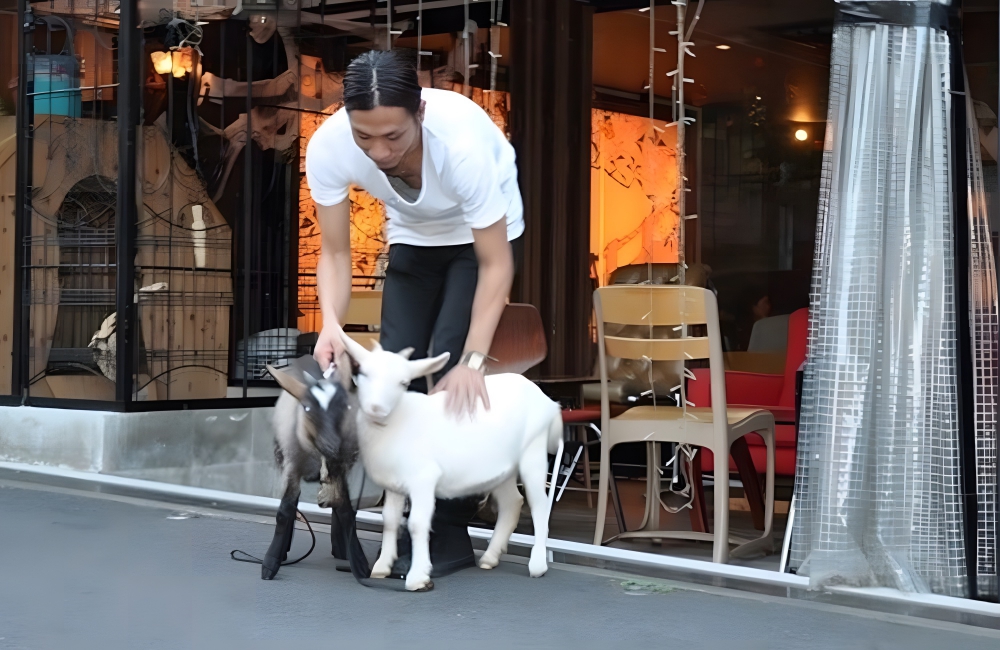
Goat Cafes @jpninfo/Pinterest
Sakuraoka has been around since the 2000s, and its two goats are named Sakura and Chocolat. The goats came to the café that year, and they are very friendly. Sakura is more of a troublemaker than Chocolat, as she isn’t afraid to try to chew on the pant legs of guests, according to one visitor.
182. Instant Ramen Museum
What it is: Museum that shows off Cup Noodles and Instant Noodle displays
Average Price: Free admission
Momofuku Ando founded and created the CupNoodles Museum Osaka. Located in Osaka, Japan, this museum is dedicated to all things instant ramen. It is within walking distance from the Hankyu-Takarazuka Line’s Ikeda Station, and you can walk in for free, as there is no admission charge.
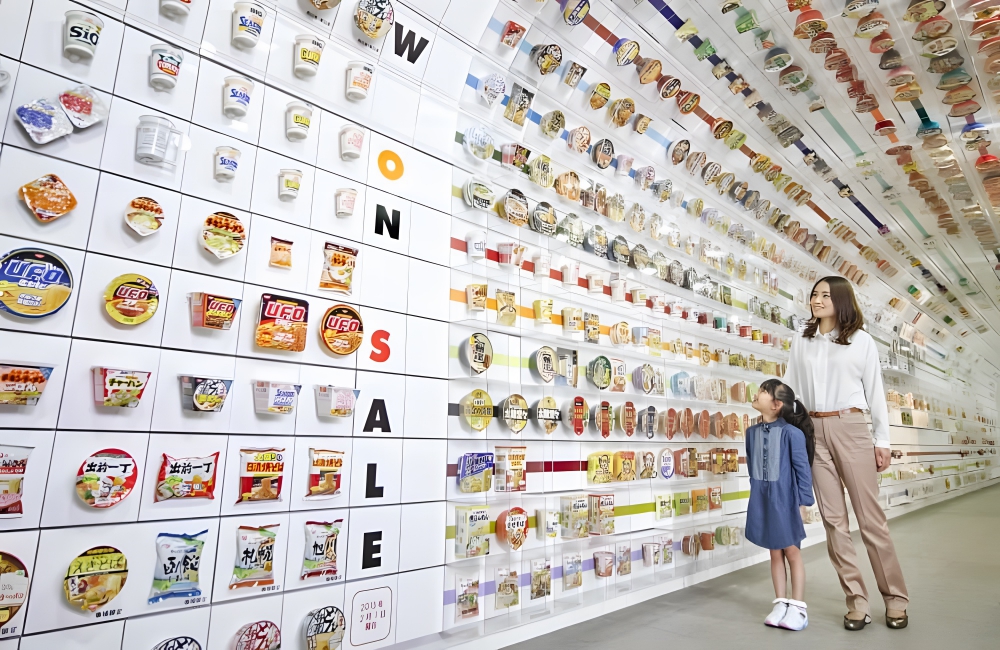
Instant Ramen Museum @presentcorrect/Twitter
The museum opened in 1999, and it has been a huge hit with tourists and locals ever since. The museum has its own workshop, which lets visitors make their own instant noodles. There is even a noodle factory, and visitors can make their own unique Cup Noodles for a fee of $2.37.
183. Yoro Park
What it is: Experience park with unique architectural attractions
Average Price: $6.09 admission fee*
Yoro Park is found in Gifu, Japan in the Yoro Mountains. This theme park is an “experience park,” and its visitors are told to expect “unexpected” attractions. Yoro Park was designed in 1995 by Arakawa and Gins, two NYC artists and architects. Also called the Site of Reversible Destiny, Yoro Park features interesting architectural attractions.
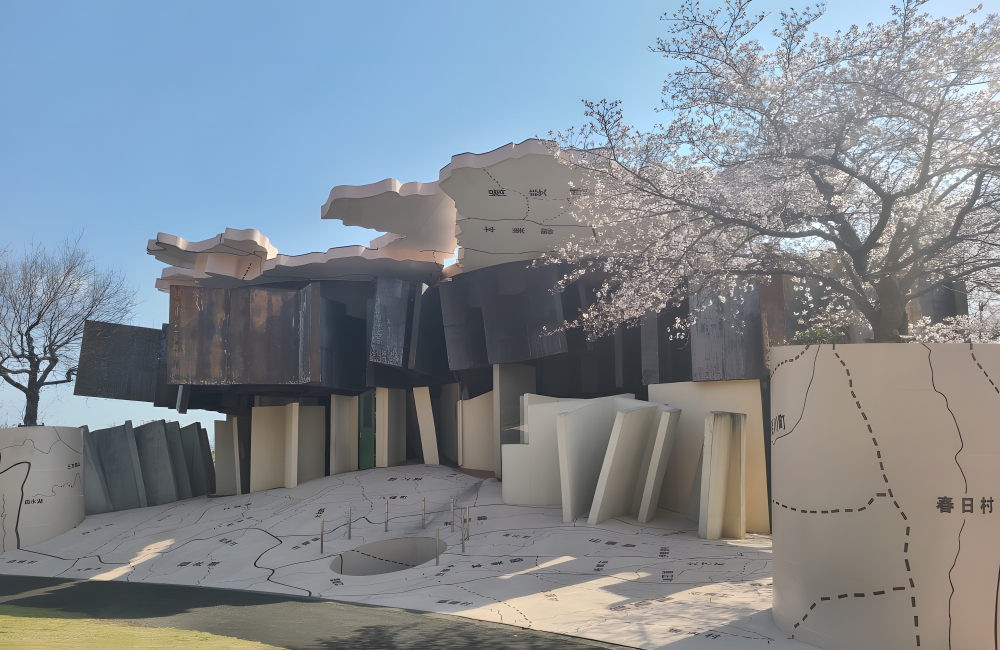
Yoro Park @養老公園/Facebook
The Critical Resemblance House, Elliptical Field, and more are some of the more unique art installations. For example, Elliptical Field consists of nine pavilions joined by a network of 148 intricate pathways. Yoro Park also has tennis courts, golf courses, food courts, and Kid’s World, for those who want a more traditional park experience.
184. Japan’s Easter Island
What it is: Has seven replica moai statues like a miniature version of the Polynesian site
Average Price: $6.32 admission fee*
We’ve all heard of the Polynesian Easter Island, but, apparently, Japan loved that ancient idea so much that it built its own Japanese Easter Island. The replica Easter Island has nearly-identical moai statues. These statues are the only replicas ever allowed in the entire world. You can only find them in this Miyazaki park.
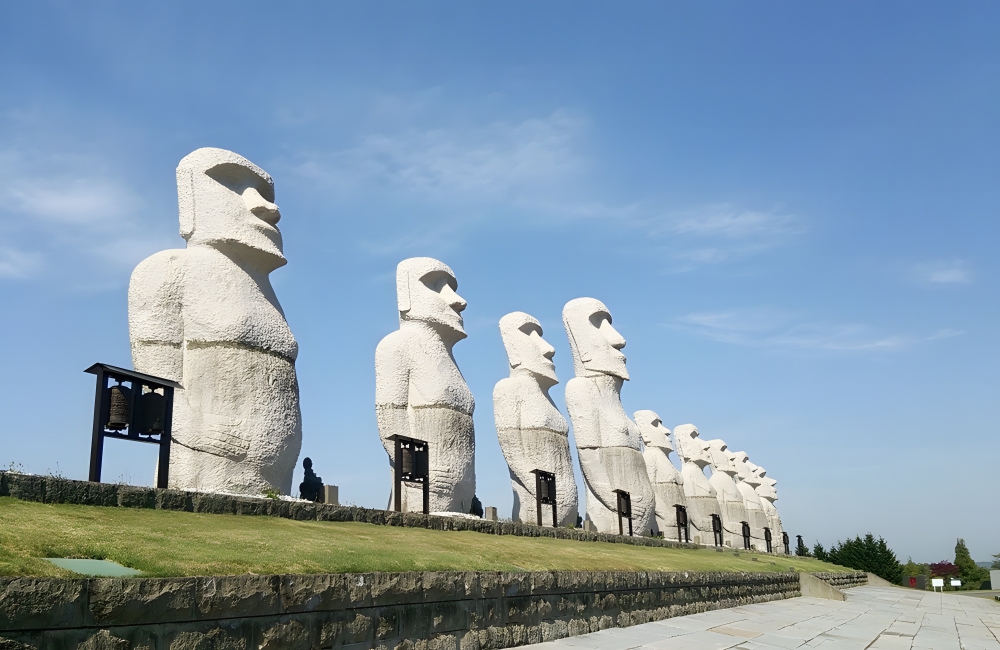
Japan’s Easter Island @tripadvisor/Pinterest
Sun Messe Nichinan, as the park is known, has seven moai instead of the nine hundred you’ll find on the Polynesian island. Each figure, called a Tongariki, has its own blessing (academic study, business, money, marriage, leisure, love, and good health). Each blessing represents the spirit of seven Easter Island explorers.
185. 8 Hells of Beppu
What it is: Eight eerie, otherworldly hot springs
Average Price: $3.16 admission fee*
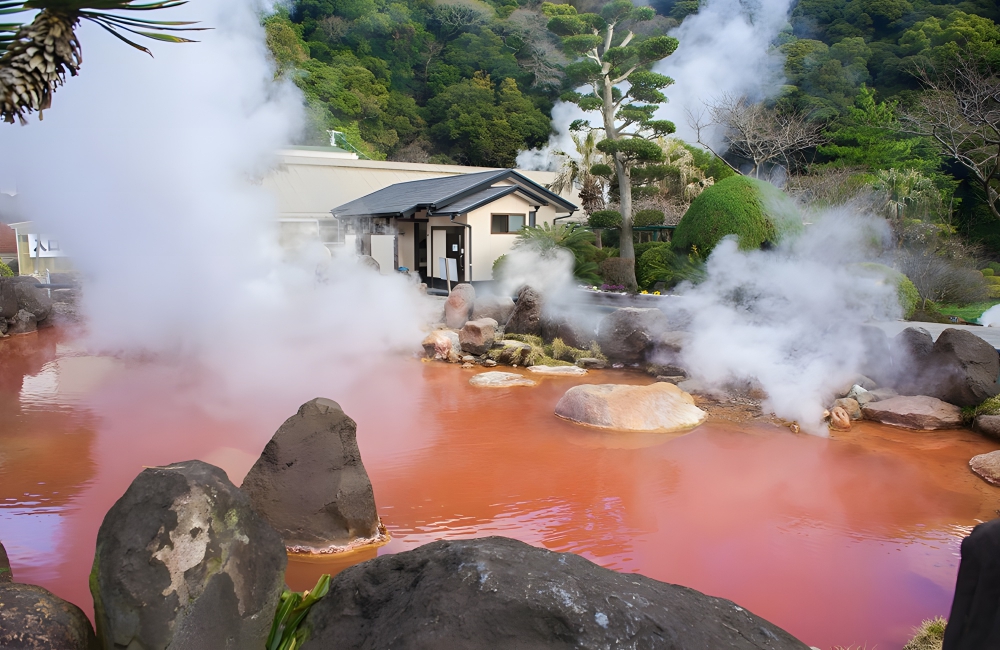
The “Hell Tour” in Beppu is one of the region’s most well-liked, popular activities. The 8 Hells of Beppu are eight otherworldly, eerie hot springs that are more unique in appearance than other hot springs. The 8 Hells, in English, consist of Sea Hell, Onishi Shaven Head Hell, Mountain Hell, Cooking Pot Hell, Devil Mountain Hell, White Pond Hell, Blood Pond Hell, and Tornado Hell.
8 Hells of Beppu ©Orapin Joyphuem/Shutterstock
Each of the Hells has its own attraction. For example, Tornado Hell has a huge geyser that spurts hot water for ten minutes every hour, while Blood Pond Hell, its neighbor, has bright-red water.
187. Robot Restaurants
What it is: A restaurant with a laser light show, dancers, and giant robots
Average Price: $72 per ticket*
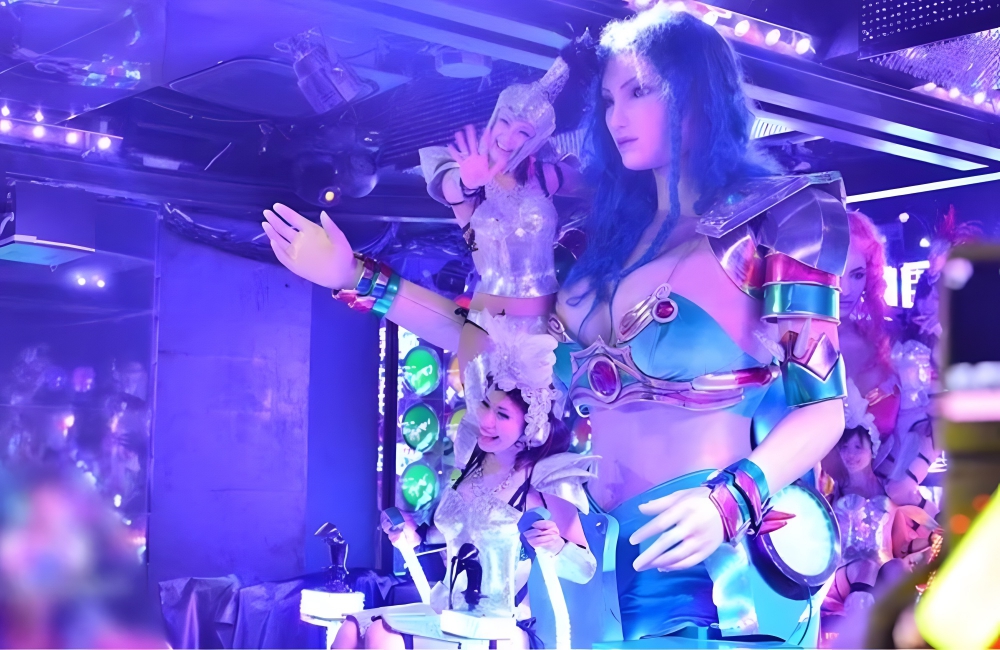
This is one of Tokyo’s weirdest cafes, and Tokyo is the land of weird cafes, so that’s saying something. Robot Restaurant is like an acid trip. Multi-colored lasers, half-naked dancers, giant robots, and more adorn this unique pop culture venue. A ticket to the show is $72, and food is an additional $8-$12.
Robot Restaurants @klooktravel/Pinterest
According to Travel Caffeine, though the restaurant is a bit pricey, it is “totally boners” and “worth the time and money.” You’ll have an “absolute blast,” and it’ll be “unlike anything you’ve ever experienced.” The Robot Restaurant has been a must-see on tourist lists for Tokyo, and it certainly does seem unique.
188. Yuzu
What it is: Citrusy, tart fruit cultivated mainly in East Asia
Average Price: $15-$20 per pound*
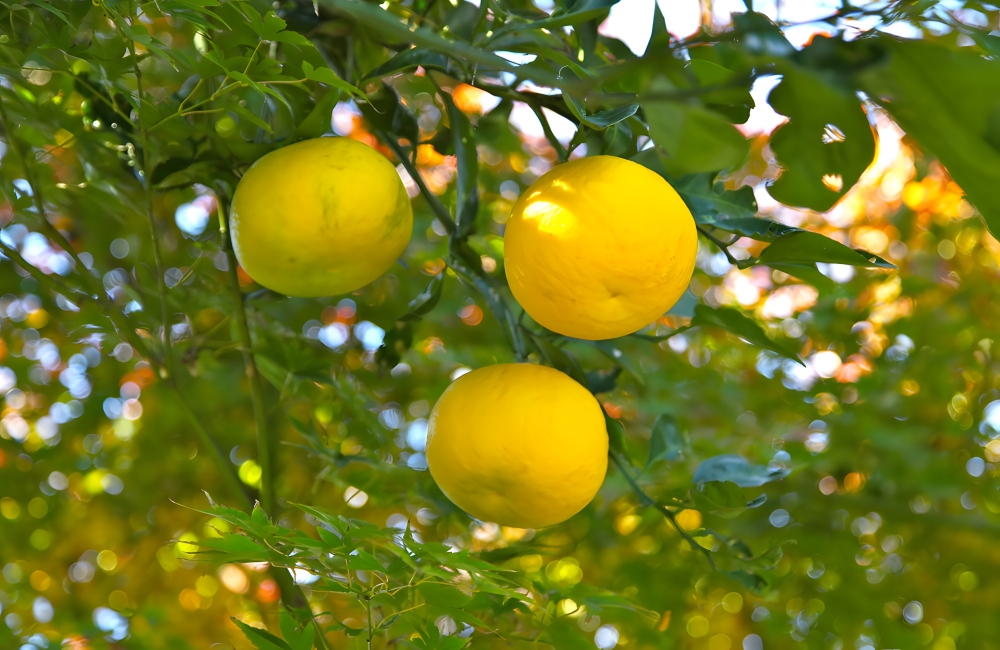
When you think of citrus fruits, your mind probably jumps to oranges and tangerines. However, the Yuzu citrus fruit, which looks like a grapefruit with uneven yellow or green skin, is one you might not have tried before if you live in the West. The Yuzu is cultivated not only in East Asia, but also in France, Spain, Italy, Australia, and New Zealand.
Yuzu ©Nikita/Wikipedia
Yuzu isn’t really eaten as a fruit. It is used in the same way that lemons are in cuisines (you don’t really take a bit out of a lemon). Tastylicious described fresh yuzu’s taste as “citrusy” and “tart,” with a flavor that is a cross of “grapefruit, lemon, and mandarin.”