
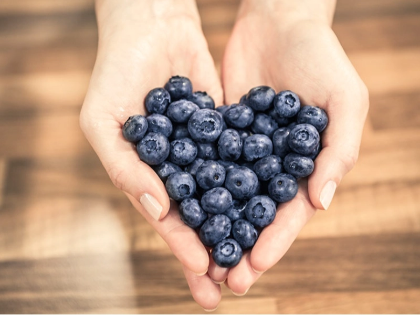
3. Antioxidant Power: The Key to Blueberries’ Superfood Status
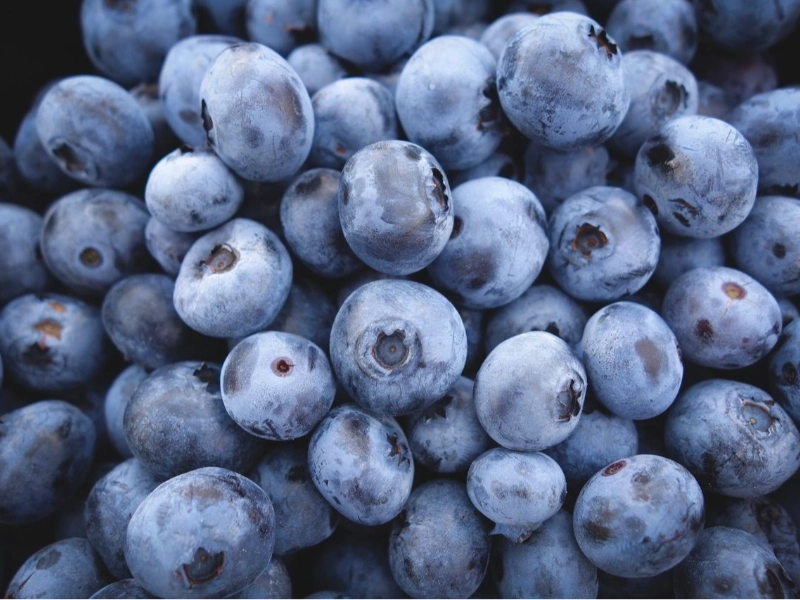
Blueberries’ superfood reputation is based mostly on their remarkable antioxidant load. Compounds known as antioxidants shield our cells from damage brought on by free radicals, unstable chemicals linked to ageing and diseases including cancer, diabetes, and heart disease. Not only are blueberries loaded in antioxidants; they are among the fruits and vegetables with the most antioxidants.
Blueberries contain mostly a family of flavonoids known as anthocyanins, which are the main antioxidants. Blueberries get their rich blue hue from these pigments. Research on the possible health advantages of anthocyanins—which have been well investigated—suggests they could help lower inflammation, boost cardiovascular health, and possibly even improve cognitive ability.
The Oxygen Radical Absorbance Capacity (ORAC) score is one approach to assess food antioxidant capacity. Among common fruits and vegetables, blueberries routinely score close to the top of ORAC ratings. For example, compared to 6,552 for farmed blueberries, which is still rather high, a cup of wild blueberries has an ORAC score of almost 9,621.
Blueberries’ antioxidant strength transcends their anthocyanin concentration. Along with other potent antioxidants such quercetin, kaempferol, and myricetin, they also include These substances cooperate to offer a wide spectrum of antioxidant defence. For instance, quercetin has been related to lower risk of heart disease and less inflammation; kaempferol has demonstrated possible anti-cancer effects in laboratory research.
Blueberries’ antioxidants are very powerful because of their bioavailability, or degree of absorption and usage by the body. Blueberries’ easily absorbed antioxidants have been demonstrated in studies to raise blood antioxidant levels. Blueberries thus immediately increase your body’s capacity to combat oxidative stress.
Blueberry variety, growth circumstances, and ripeness will all affect the antioxidant value of the fruit. Generally speaking, wild blueberries have more antioxidants than cultivated types, probably because of the more demanding growing conditions that boost the synthesis of beneficial chemicals.
Though blueberries have an amazing antioxidant concentration, it’s not only about quantity but also about the variety of antioxidants there are. Blueberries’ several antioxidants cooperate in intricate ways to perhaps provide advantages above their individual components. One of the reasons whole blueberries are sometimes advised over isolated antioxidant pills is their combined action.
Blueberries’ strong antioxidant profile adds much to its superfood classification. These antioxidants might assist to prevent chronic diseases and enhance general health by aiding the body to fight oxidative stress and inflammation. The reputation of blueberries as a superfood is probably going to get even more strong as studies keep revealing the ways in which these molecules improve our health.
4. Blueberries and Cognitive Health: Boosting Brain Power
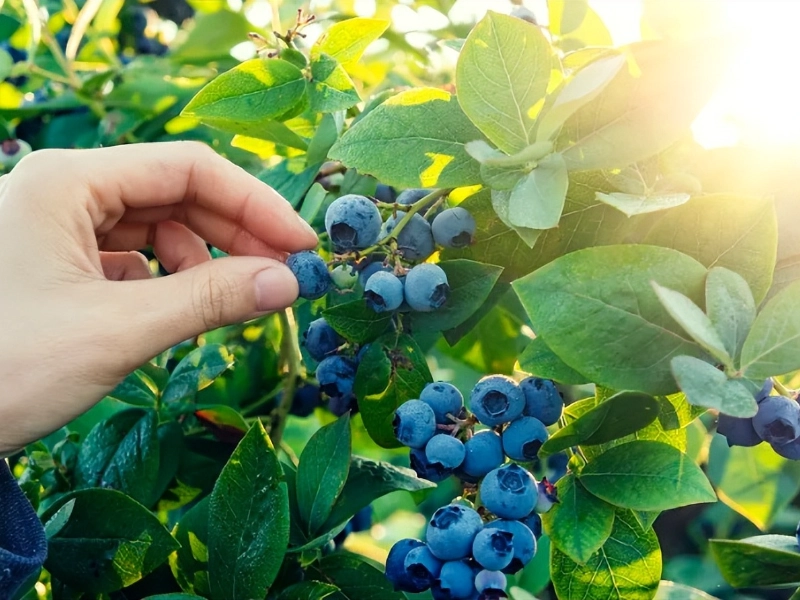
The possible effects of blueberries on cognitive health represent one of the most fascinating directions of study on their health advantages. The hunt for foods that might boost brain health has become more intense as our population ages and neurodegenerative illnesses grow more common. Emerging as a potential candidate in this search are blueberries, whose many studies point to either preservation of or enhancement of cognitive ability.
Blueberries’ great concentration of flavonoids—especially anthocyanins—helps to explain most of their cognitive effects. These substances have been demonstrated to pass the blood-brain barrier and interact directly with brain cells. Once within the brain, these flavonoids can affect several vital mechanisms underlying cognitive ability.
Blueberries might help brain function by enhancing neurone communication, for one thing. Blueberry supplements raised neural signalling in the brain, especially in areas connected to memory, according a study written up in the Journal of Agricultural and Food Chemistry. This better communication might eventually show up as better cognitive functioning.
Blueberries have also been connected to higher neuroplasticity—that is, the brain’s capacity to create new neural connections all lifetime. Learning, memory, and even adjusting to novel situations all depend on this mechanism. Higher consumption of flavonoids, particularly from berries like blueberries, was linked, according to studies reported in the Annals of Neurology, to slower rates of cognitive deterioration in older persons.
Blueberries’ anti-inflammatory and antioxidant qualities might also help shield the brain from aging-related damage. Thought to be contributing to neurological illnesses including Alzheimer’s are chronic inflammation and oxidative stress. Blueberries might help preserve cognitive function as we age by opposing these processes.
Numerous human investigations have found evidence of blueberries’ cognitive enhancing effects. For example, daily blueberry juice intake was linked to enhancements in memory performance according to a 12-week trial including elderly persons with mild cognitive impairment. Another study written up in the European Journal of Nutrition revealed that children’s cognitive function might be enhanced by even one serving of blueberries.
Researchers are interested in not only transient consequences. Additionally showing encouraging effects are long-term research. Higher consumption of blueberries and strawberries was linked, according to the Nurses’ Health Study—which tracked over 16,000 older women over several years—to slower rates of cognitive deterioration. Berries-consuming participants seems to have postponed cognitive ageing by up to 2.5 years.
Although these results are fascinating, much of the study is still in its early years and more extensive, long-term studies are required to completely grasp the link between blueberry consumption and cognitive performance. Nonetheless, the continuous favourable findings of several research imply that including blueberries in one’s diet could be a basic but effective way to support brain function.
Blueberries stand out as a potential friend in preserving brain health as we keep working to understand the complexity of cognitive ability and the elements influencing it. Their ability to support cognitive ability gives their superfood designation still another level of significance and makes them not only a healthy choice but also maybe a brain-boosting one.
 zi ang