
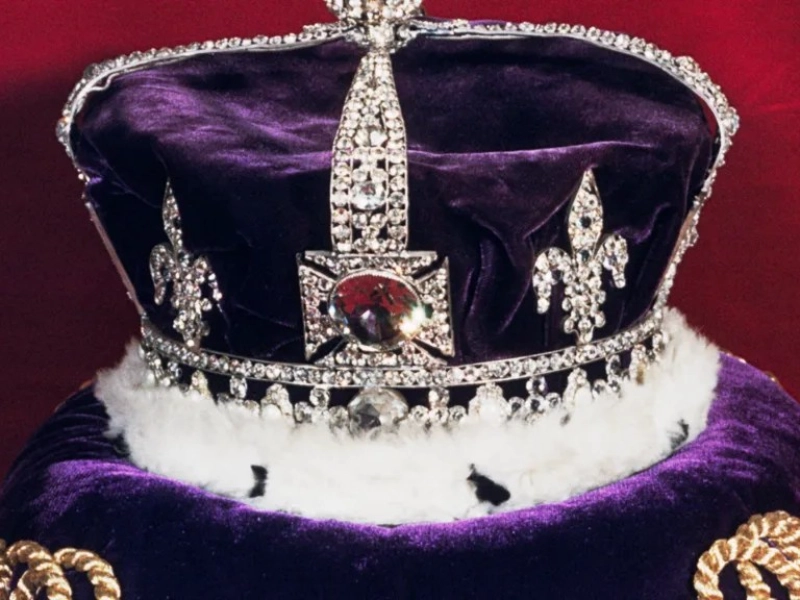
2. The Koh-i-Noor
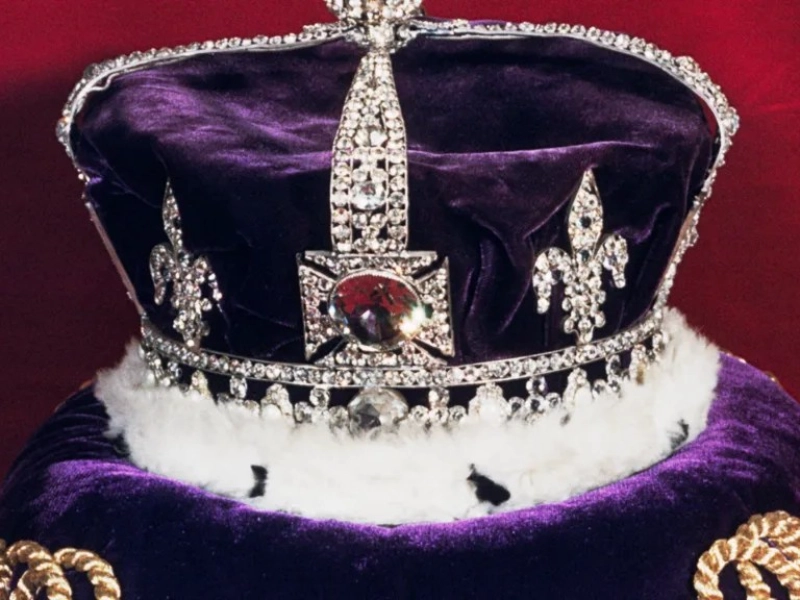
Desired by many reigning dynasties, the Koh-i-Noor has been a symbol of authority and prestige throughout its existence. Originally belonging to the Kakatiya dynasty, it subsequently passed to the Delhi Sultanate. Often as a gift of war, the diamond passed multiple times from the Mughals to the Persians, then to the Afghans and the Sikhs. Every transfer enhanced its legendary reputation and mystique.
Following Punjabi annexation, the Koh-i-Noor came under British rule in the middle of the 19th century. Presented to Queen Victoria in 1850, it became included into the British Crown Jewels. The diamond was recut to improve its brightness, which caused its size to drop somewhat but its brilliant look to increase. Now on show in the Tower of London, the Koh-i-Noor is positioned in front of the Queen Mother’s Crown. The path the diamond travels from Indian mines to the British Crown Jewels is evidence of its historical relevance and ongoing appeal. The Koh-i-Noor is among the most famous and valuable gems in the world despite disputed ownership and controversy around it.
There is mystery and turmoil on the path the Koh-i-Noor follows through history. With demands for its repatriation to India, its purchase by the British has generated discussion and disagreement. The diamond’s significance is made more difficult by its link with colonial history. Millions of people all over still find great beauty and power in the Koh-i-Noor, though. Both historians and gem buffs will find great interest in this valuable item of the British Crown Jewels because of its lengthy history and exceptional brilliance.
 zi ang