
1. The Hope Diamond
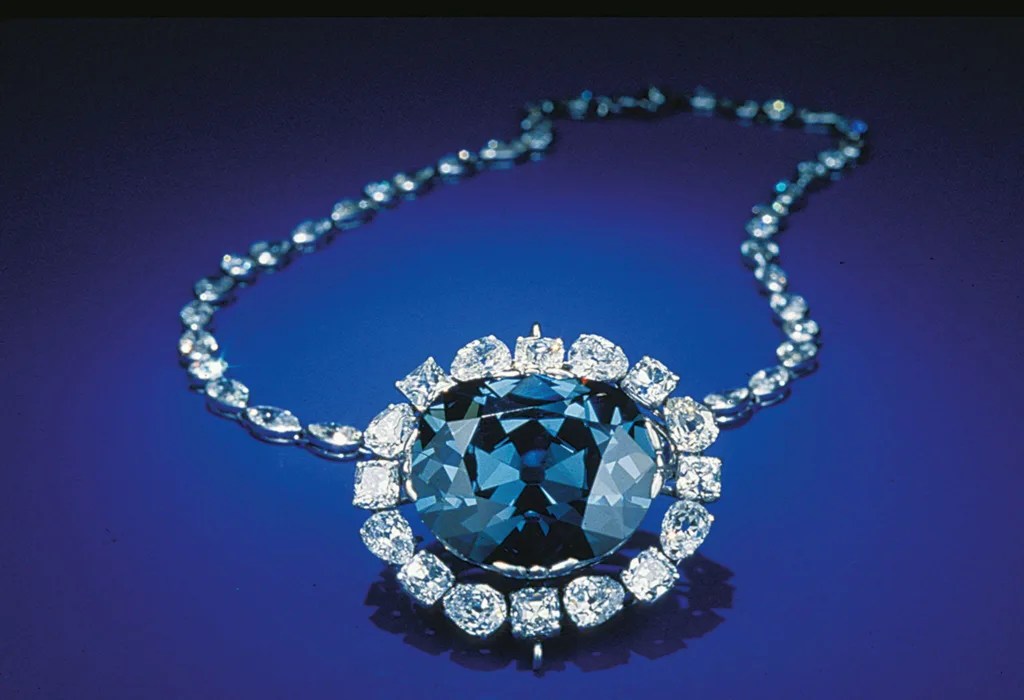
Perhaps the most renowned of all, the Hope Diamond is a deep-blue diamond with a fascinating history. Believed to have originated from the Kollur Mine in India, this diamond has a documented history dating back to the 17th century. The Kollur Mine, located in the Golconda region, was known for producing some of the world’s most famous diamonds. The Hope Diamond, originally larger and known as the Tavernier Blue, was brought to Europe by the French gem merchant Jean-Baptiste Tavernier. It was sold to King Louis XIV of France in 1668 and was recut to enhance its brilliance, becoming part of the French Crown Jewels. Over the years, the diamond changed hands numerous times, each transfer adding layers to its mystique and allure.
The diamond’s journey through history is marked by tales of fortune and misfortune. After being stolen during the French Revolution, it reappeared in London and was eventually acquired by Henry Philip Hope, a wealthy banker, in the early 19th century. It was during Hope’s ownership that the diamond acquired its current name. The Hope family, known for their extensive collection of precious stones, held onto the diamond for several generations. However, financial difficulties eventually forced the sale of the diamond.
In the 20th century, the Hope Diamond continued to attract attention and intrigue. It was purchased by various wealthy owners before being donated to the Smithsonian Institution by the renowned jeweler Harry Winston in 1958. Today, it resides in the Smithsonian National Museum of Natural History in Washington, D.C., where it is one of the most visited and admired exhibits. The diamond’s deep-blue color, caused by trace amounts of boron, and its impeccable cut make it a captivating sight. The Hope Diamond’s storied past, combined with its undeniable beauty, ensures its place as one of the most famous and cherished gemstones in the world.
The legend of the Hope Diamond is further enhanced by the tales of a curse associated with it. According to folklore, the diamond brings misfortune and tragedy to its owners. This myth has been perpetuated by the numerous unfortunate events that have befallen its various owners, although these stories are often exaggerated or unfounded. Despite this, the allure of the Hope Diamond remains undiminished. Its rich history, combined with its stunning appearance, continues to captivate the imagination of people around the world. The Hope Diamond is not just a gemstone; it is a symbol of history, beauty, and mystery, making it an enduring icon in the world of precious stones.
2. The Koh-i-Noor
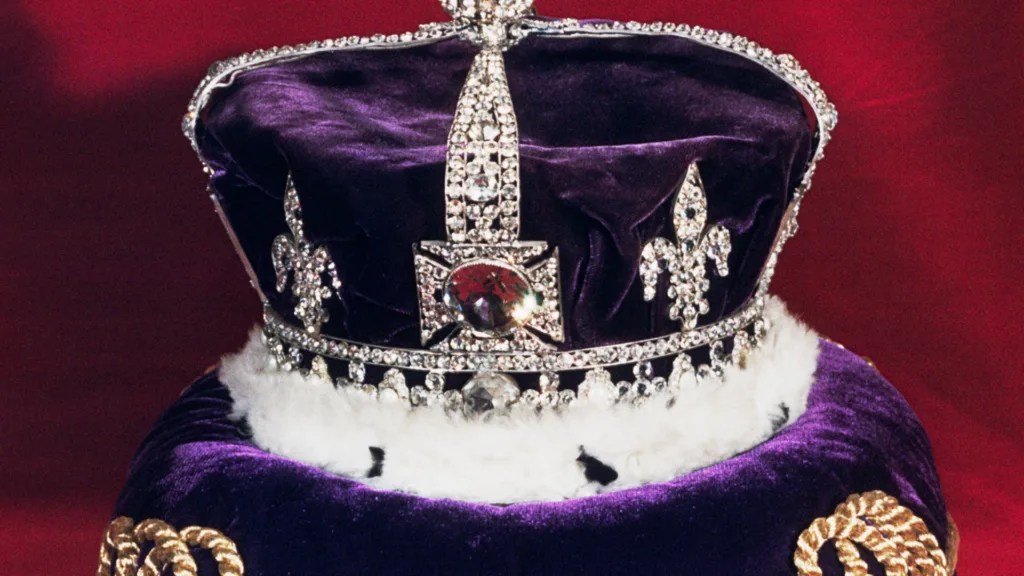
Originating from India, the Koh-i-Noor is one of the largest and most famous diamonds in the world. Its name, meaning “Mountain of Light” in Persian, reflects its extraordinary beauty. The diamond’s history is intertwined with the rich and tumultuous history of the Indian subcontinent. It is believed to have been mined from the Kollur Mine in the Golconda region, much like the Hope Diamond. The Koh-i-Noor has been the subject of numerous legends and myths, with its earliest recorded mention dating back to the 13th century.
Throughout its existence, the Koh-i-Noor has been a symbol of power and prestige, coveted by various ruling dynasties. It was initially owned by the Kakatiya dynasty and later came into the possession of the Delhi Sultanate. The diamond changed hands several times, often as a spoil of war, moving from the Mughals to the Persians, and then to the Afghans and the Sikhs. Each transfer added to its legendary status and mystique.
In the mid-19th century, the Koh-i-Noor came under British control following the annexation of Punjab. It was presented to Queen Victoria in 1850 and became part of the British Crown Jewels. The diamond was recut to enhance its brilliance, resulting in a significant reduction in its size but an increase in its dazzling appearance. Today, the Koh-i-Noor is set in the front of the Queen Mother’s Crown, which is on display in the Tower of London. The diamond’s journey from the mines of India to the British Crown Jewels is a testament to its enduring allure and historical significance. Despite its contested ownership and the controversies surrounding it, the Koh-i-Noor remains one of the most iconic and revered diamonds in the world.
The Koh-i-Noor’s journey through history is marked by intrigue and conflict. Its acquisition by the British has been a subject of controversy and debate, with calls for its return to India. The diamond’s association with colonial history adds a layer of complexity to its legacy. Despite this, the Koh-i-Noor continues to be a symbol of beauty and power, admired by millions around the world. Its rich history and extraordinary brilliance make it a treasured piece of the British Crown Jewels and a fascinating subject of study for historians and gem enthusiasts alike.
3. The Cullinan Diamond
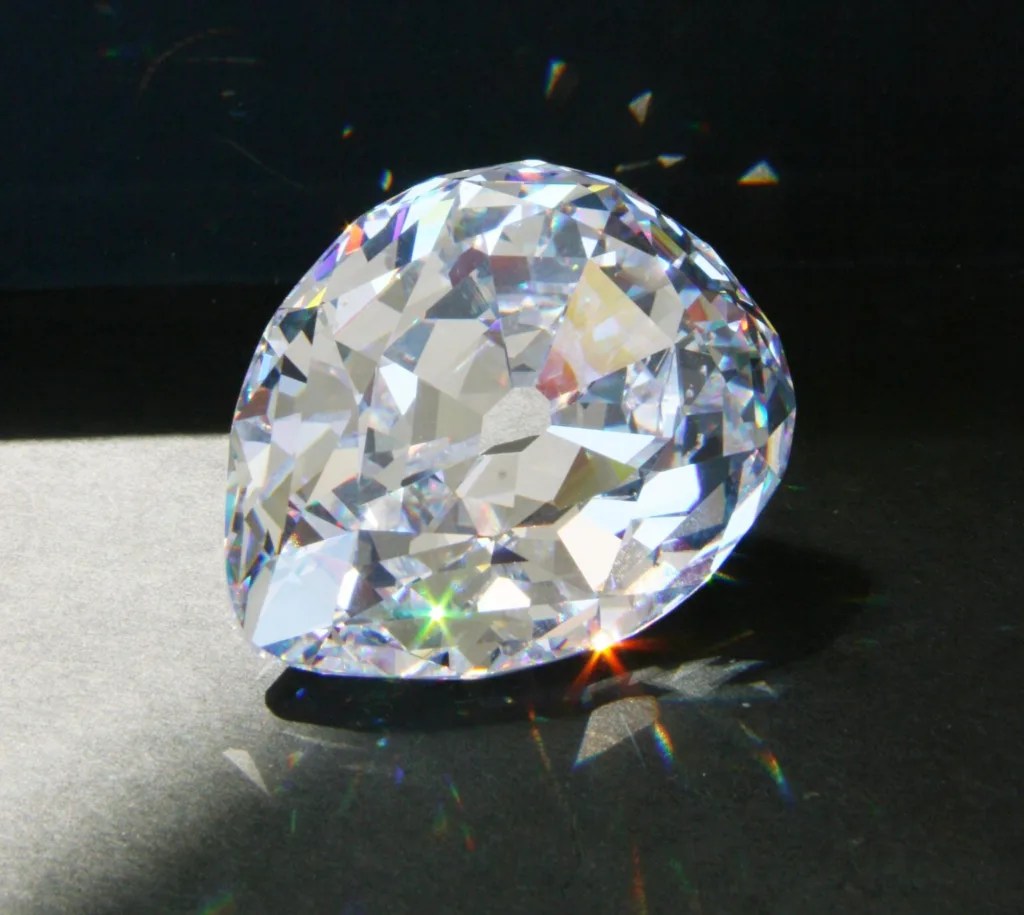
Discovered in South Africa in 1905, the Cullinan Diamond is the largest gem-quality rough diamond ever found, weighing an astonishing 3,106 carats. The discovery of this colossal diamond at the Premier Mine, near Pretoria, marked a significant moment in the history of gemology. Named after Sir Thomas Cullinan, the owner of the mine, the diamond quickly gained international fame. The Cullinan Diamond was presented to King Edward VII of the United Kingdom as a symbolic gesture of goodwill and unity between South Africa and Britain.
The diamond was subsequently sent to Amsterdam for cutting, a process that required the expertise of the renowned Asscher brothers. The cutting of the Cullinan Diamond was a meticulous and challenging task, given its immense size and the need to maximize its potential. After months of careful planning and preparation, the diamond was cleaved into several smaller stones. The largest of these, known as Cullinan I or the Great Star of Africa, weighs 530.4 carats and is the largest clear-cut diamond in the world.
Cullinan I was set in the Sovereign’s Sceptre with Cross, part of the British Crown Jewels. The second-largest stone, Cullinan II or the Lesser Star of Africa, weighs 317.4 carats and is set in the Imperial State Crown. Other smaller stones from the Cullinan were incorporated into various pieces of jewelry for the British royal family. The Cullinan Diamond’s remarkable size and the flawless quality of its cut stones have cemented its place in history as one of the most extraordinary gemstones ever discovered.
The story of the Cullinan Diamond is a testament to the wonders of nature and the skill of human craftsmanship. Its journey from the depths of the Premier Mine to the grandeur of the British Crown Jewels is a narrative of discovery, artistry, and royal heritage. The Cullinan Diamond continues to be a symbol of opulence and magnificence, admired by millions around the world.
The Cullinan Diamond’s legacy extends beyond its physical beauty. It represents a significant chapter in the history of diamond mining and the development of gem-cutting techniques. The diamond’s discovery and subsequent cutting were pivotal moments that showcased the advancements in gemology and the expertise of master craftsmen. The Cullinan Diamond remains a source of inspiration and admiration, celebrated for its unparalleled size, quality, and historical significance.
4. The Centenary Diamond
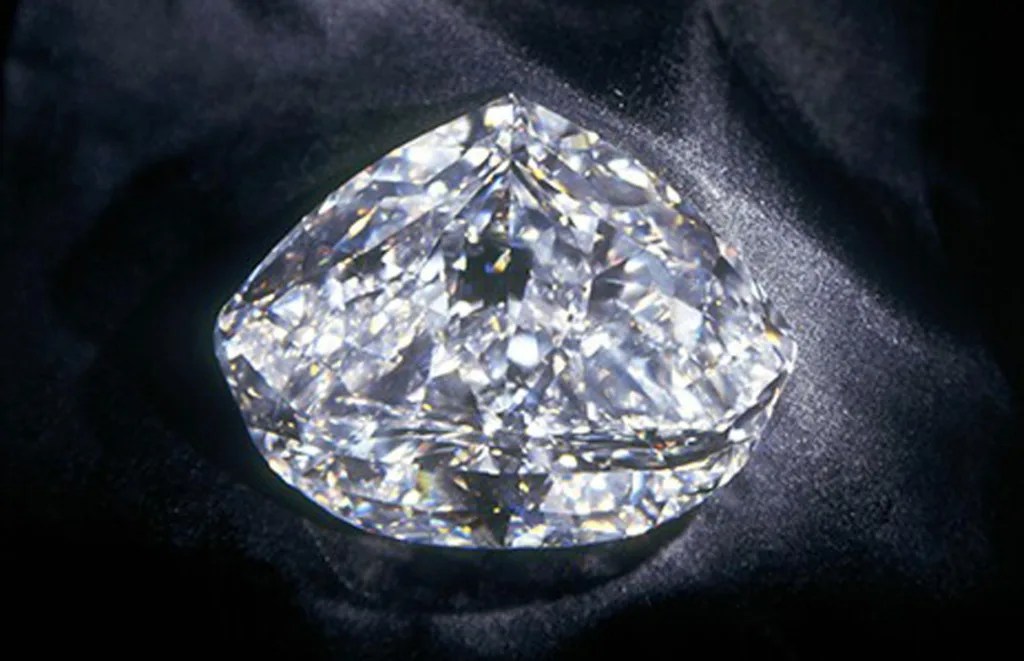
Unearthed in South Africa in 1986, the Centenary Diamond is one of the largest and most flawless diamonds ever discovered. Weighing 273.85 carats in its rough state, this remarkable gemstone was found at the Premier Mine, the same location where the Cullinan Diamond was discovered. The Centenary Diamond’s discovery was a significant event in the world of gemology, given its exceptional size and quality.
The process of cutting the Centenary Diamond was a meticulous and painstaking endeavor. The renowned diamond cutter Gabi Tolkowsky was entrusted with the task of transforming the rough stone into a masterpiece. Over three years, Tolkowsky and his team worked tirelessly to achieve the diamond’s stunning final form. The result was a modified heart-shaped brilliant cut diamond, weighing 273.85 carats, with exceptional clarity and color.
The Centenary Diamond is renowned for its flawless characteristics, both internally and externally. It is classified as a D-color diamond, the highest grade for colorless diamonds, and boasts perfect symmetry and proportions. The diamond’s brilliance and fire are unparalleled, making it one of the most exquisite gemstones in the world.
Despite its fame, the Centenary Diamond has rarely been displayed to the public. It remains privately owned, adding to its mystique and allure. The diamond’s name, Centenary, commemorates the 100th anniversary of the De Beers Consolidated Mines, further enhancing its historical significance. The Centenary Diamond’s journey from the Premier Mine to its current status as a hidden treasure is a narrative of discovery, skill, and unparalleled beauty. Its flawless nature and exceptional craftsmanship continue to captivate gem enthusiasts and connoisseurs worldwide.
The Centenary Diamond’s legacy is not just about its physical attributes but also about the story of its creation. The meticulous planning and cutting process involved in transforming the rough stone into a masterpiece is a testament to the skill and artistry of the craftsmen involved. The diamond’s flawless nature and exceptional clarity make it a symbol of perfection and beauty. The Centenary Diamond continues to inspire awe and admiration, celebrated for its extraordinary characteristics and historical significance.
5. The Regent Diamond
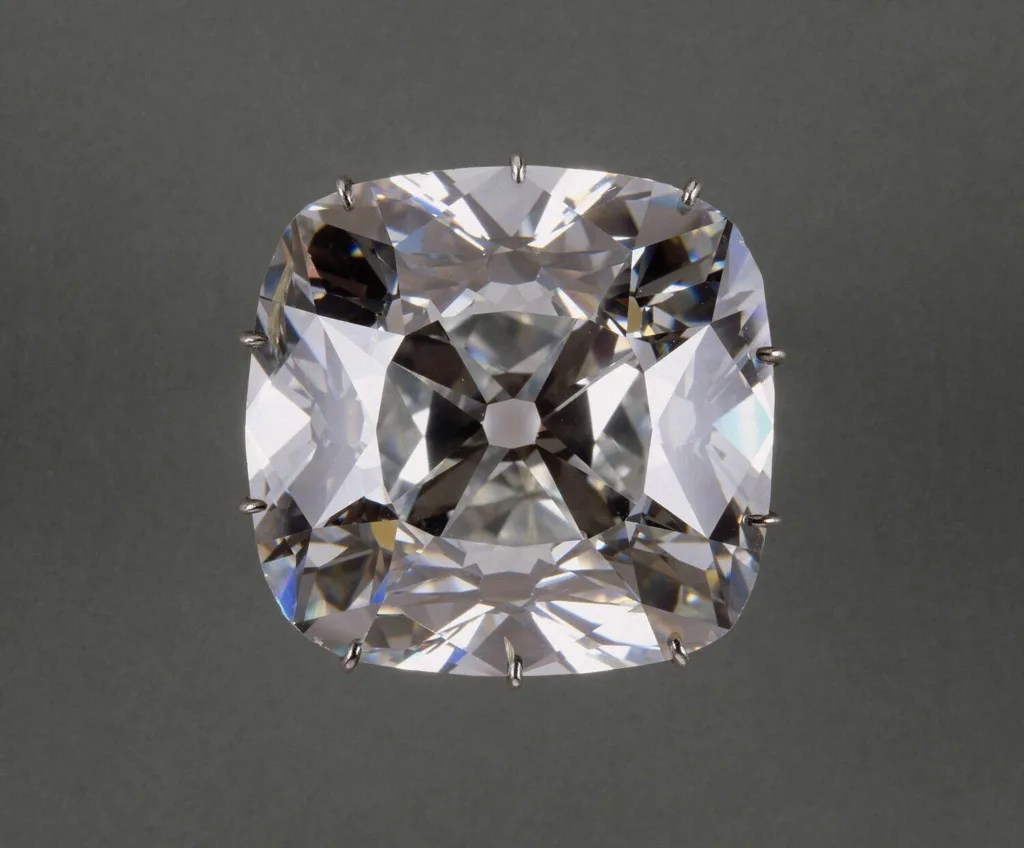
With a history dating back to the 17th century, the Regent Diamond is a remarkable gemstone with a tumultuous past. Originally discovered in India, it was acquired by the French Crown in the 18th century during the colonial era. The diamond’s journey began in the Golconda region, known for producing some of the world’s most famous diamonds. The Regent Diamond, initially weighing 410 carats in its rough state, was acquired by Thomas Pitt, the British Governor of Madras, who later sold it to the French Regent, Philippe II, Duke of Orléans.
The diamond was subsequently cut to enhance its brilliance, resulting in a 141-carat cushion-shaped stone. It was set in the French Crown Jewels and became a symbol of opulence and power. The Regent Diamond adorned the crowns of several French monarchs, including Louis XV and Louis XVI. During the French Revolution, the diamond was stolen, but it was later recovered and returned to the French Crown Jewels.
In the 19th century, the Regent Diamond continued to play a significant role in French history. It was set in the hilt of Napoleon Bonaparte’s sword, symbolizing his imperial power and authority. After Napoleon’s downfall, the diamond was returned to the French Crown Jewels and eventually housed in the Louvre Museum in Paris.
Today, the Regent Diamond is one of the most admired exhibits in the Louvre. Its extraordinary brilliance and size continue to captivate visitors from around the world. The diamond’s journey from the mines of India to the grandeur of the French Crown Jewels is a testament to its enduring allure and historical significance. The Regent Diamond remains a symbol of elegance, power, and timeless beauty, admired by millions for its flawless craftsmanship and storied past.
The Regent Diamond’s legacy extends beyond its physical attributes. It represents a significant chapter in the history of gemology and the development of diamond cutting techniques. The diamond’s journey through history is marked by intrigue, conflict, and admiration. Its association with some of the most prominent figures in French history adds to its allure and significance. The Regent Diamond continues to inspire awe and admiration, celebrated for its extraordinary brilliance, size, and historical significance.
6. The Dresden Green Diamond
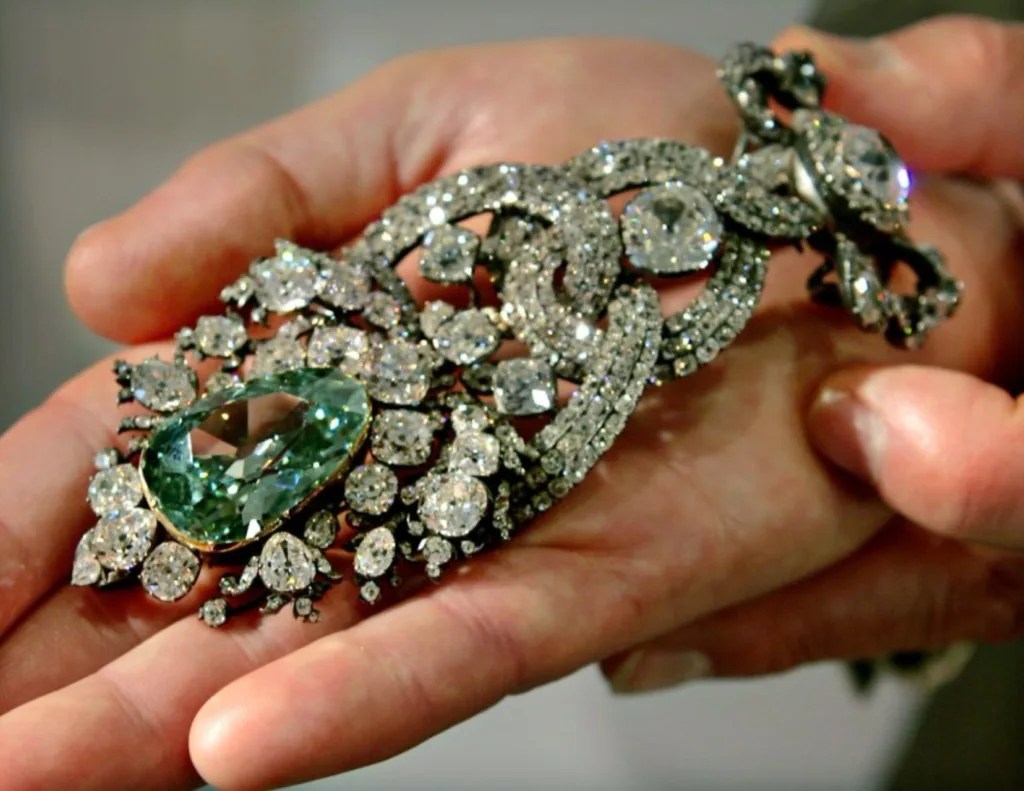
Known for its vivid green hue, the Dresden Green Diamond is one of the largest and finest natural green diamonds ever discovered. Believed to have originated from India, it was acquired by Augustus III of Poland in the 18th century and became part of the Saxon Crown Jewels. The diamond’s unique color, caused by natural radiation exposure, sets it apart from other gemstones and adds to its rarity and value.
The Dresden Green Diamond weighs 41 carats and is renowned for its exceptional clarity and brilliance. Its journey from the mines of India to the European courts is marked by intrigue and fascination. Augustus III, an avid collector of precious stones, acquired the diamond and had it set in various pieces of jewelry. The diamond’s vivid green color and flawless quality made it a prized possession among the Saxon Crown Jewels.
During World War II, the Dresden Green Diamond was hidden to protect it from looting and destruction. After the war, it was recovered and returned to its rightful place in the Dresden State Art Collections. Today, the diamond is on display at the Albertinum Museum in Dresden, Germany, where it continues to enchant visitors with its rare color and exceptional clarity.
The Dresden Green Diamond’s journey through history is a narrative of discovery, preservation, and admiration. Its unique characteristics and historical significance make it one of the most extraordinary gemstones in the world. The diamond’s vivid green hue, combined with its flawless craftsmanship, ensures its place as a symbol of elegance and rarity. The Dresden Green Diamond remains a testament to the wonders of nature and the skill of human craftsmanship, admired by gem enthusiasts and connoisseurs worldwide.
The Dresden Green Diamond’s legacy is not just about its physical attributes but also about its historical journey. The diamond’s association with Augustus III and its role in the Saxon Crown Jewels add to its allure and significance. The diamond’s preservation during World War II and its subsequent recovery highlight its importance and value. The Dresden Green Diamond continues to inspire awe and admiration, celebrated for its extraordinary color, clarity, and historical significance.
7. The Taylor-Burton Diamond
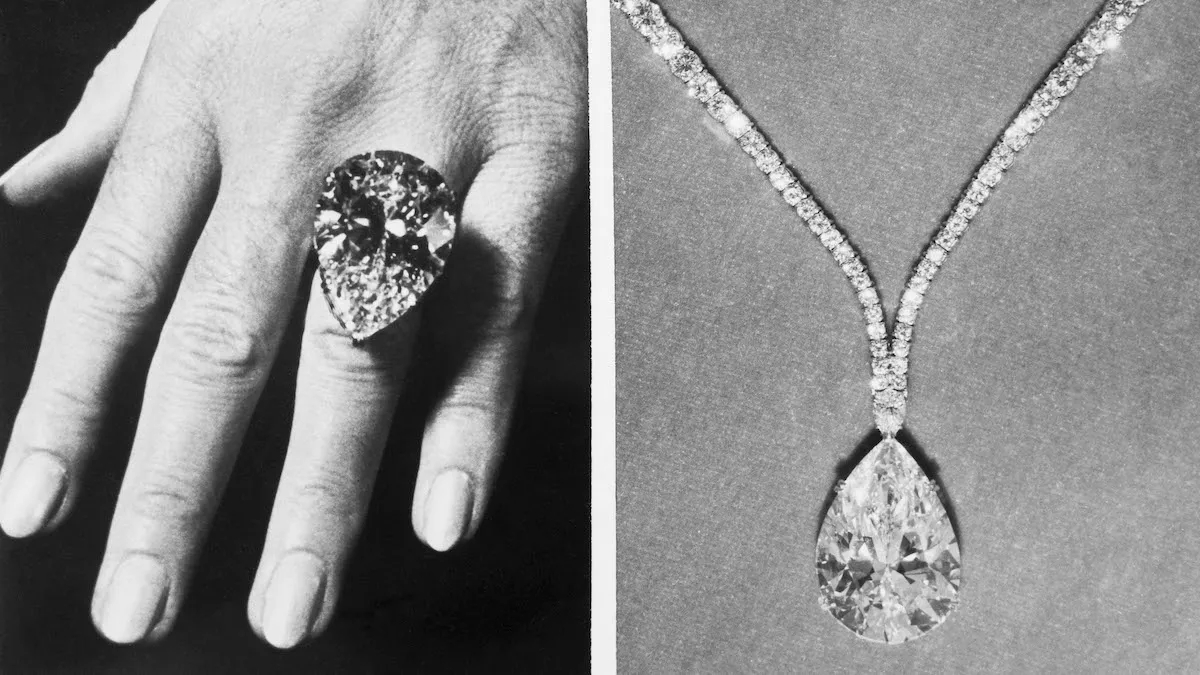
Acquired by actor Richard Burton for his wife, actress Elizabeth Taylor, in 1969, the Taylor-Burton Diamond is a breathtaking gemstone known for its remarkable size and quality. Weighing 69.42 carats, this pear-shaped diamond was originally part of a larger rough diamond discovered in South Africa. The diamond’s journey from the mines to the world of Hollywood glamour is a narrative of love, luxury, and celebrity.
The Taylor-Burton Diamond was initially cut from a 240.80-carat rough diamond found in the Premier Mine in 1966. The rough diamond was meticulously cut and polished to achieve its stunning pear shape, resulting in a 69.42-carat gemstone of exceptional clarity and brilliance. The diamond was first purchased by the renowned jeweler Harry Winston, who showcased it at various events, attracting significant attention and admiration.
In 1969, Richard Burton acquired the diamond for his wife, Elizabeth Taylor, as a symbol of his love and devotion. The diamond quickly became one of the most famous gemstones in the world, often associated with the glamour and opulence of Hollywood. Elizabeth Taylor wore the diamond on numerous occasions, further enhancing its legendary status. The Taylor-Burton Diamond’s association with one of Hollywood’s most iconic couples added to its allure and mystique.
After Elizabeth Taylor and Richard Burton’s divorce, the diamond was sold at auction and changed hands several times. Despite its changing ownership, the Taylor-Burton Diamond remains a symbol of love, luxury, and glamour. Its remarkable size and quality continue to captivate gem enthusiasts and connoisseurs worldwide. The diamond’s journey from the depths of the Premier Mine to the heights of Hollywood stardom is a testament to its enduring allure and significance. The Taylor-Burton Diamond remains one of the most iconic and admired gemstones in the world, celebrated for its beauty and storied past.
The Taylor-Burton Diamond’s legacy is not just about its physical attributes but also about the story of its famous owners. The diamond’s association with Richard Burton and Elizabeth Taylor adds to its allure and significance. The diamond’s journey through Hollywood and its role in the lives of one of the most iconic couples in history highlight its importance and value. The Taylor-Burton Diamond continues to inspire awe and admiration, celebrated for its extraordinary size, quality, and historical significance.
8. The Blue Moon Diamond
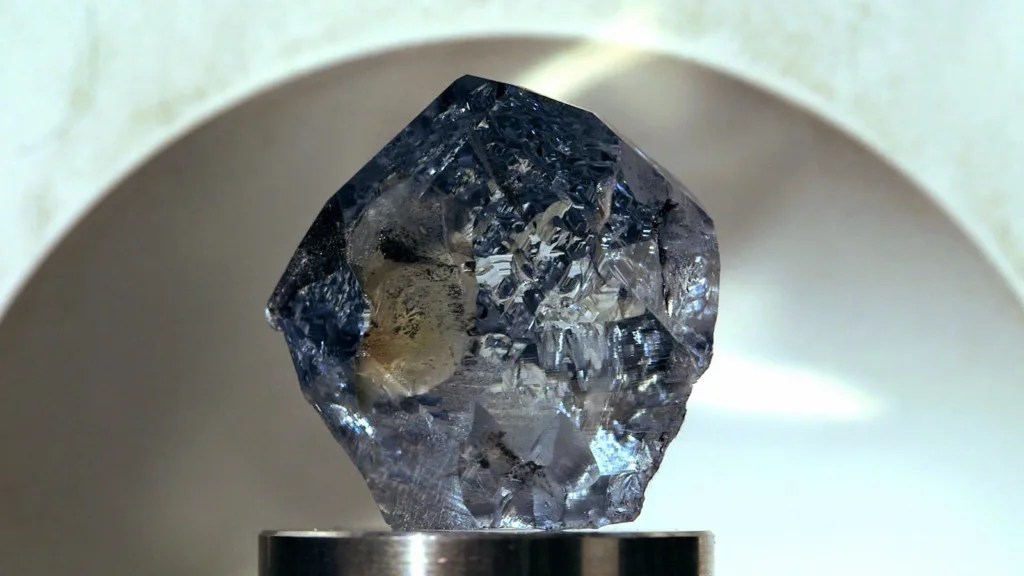
Discovered in South Africa in 2014, the Blue Moon Diamond is a rare and extraordinary gemstone renowned for its stunning blue color and exceptional clarity. Weighing 12.03 carats, this remarkable diamond was found at the Cullinan Mine, known for producing some of the world’s most famous blue diamonds. The Blue Moon Diamond’s discovery was a significant event in the world of gemology, given its exceptional color and quality.
The process of cutting and polishing the Blue Moon Diamond was a meticulous and painstaking endeavor. The diamond was carefully shaped to maximize its brilliance and enhance its natural blue color. The result was a cushion-cut diamond with exceptional clarity and a vivid blue hue. The Blue Moon Diamond’s remarkable characteristics quickly attracted attention and admiration from gem enthusiasts and connoisseurs worldwide.
In 2015, the Blue Moon Diamond was sold at auction for a record-breaking price, making it one of the most valuable diamonds ever sold. The diamond’s stunning blue color, combined with its flawless clarity, set it apart from other gemstones and added to its rarity and value. The Blue Moon Diamond’s journey from the Cullinan Mine to the auction block is a narrative of discovery, skill, and unparalleled beauty.
Today, the Blue Moon Diamond continues to captivate the world with its beauty and rarity. Its exceptional characteristics and historical significance make it one of the most extraordinary gemstones in the world. The diamond’s vivid blue hue, combined with its flawless craftsmanship, ensures its place as a symbol of elegance and rarity. The Blue Moon Diamond remains a testament to the wonders of nature and the skill of human craftsmanship, admired by gem enthusiasts and connoisseurs worldwide.
The Blue Moon Diamond’s legacy is not just about its physical attributes but also about its historical journey. The diamond’s association with the Cullinan Mine and its role in the world of gemology add to its allure and significance. The diamond’s record-breaking auction sale highlights its importance and value. The Blue Moon Diamond continues to inspire awe and admiration, celebrated for its extraordinary color, clarity, and historical significance.
9. The Tiffany Yellow Diamond
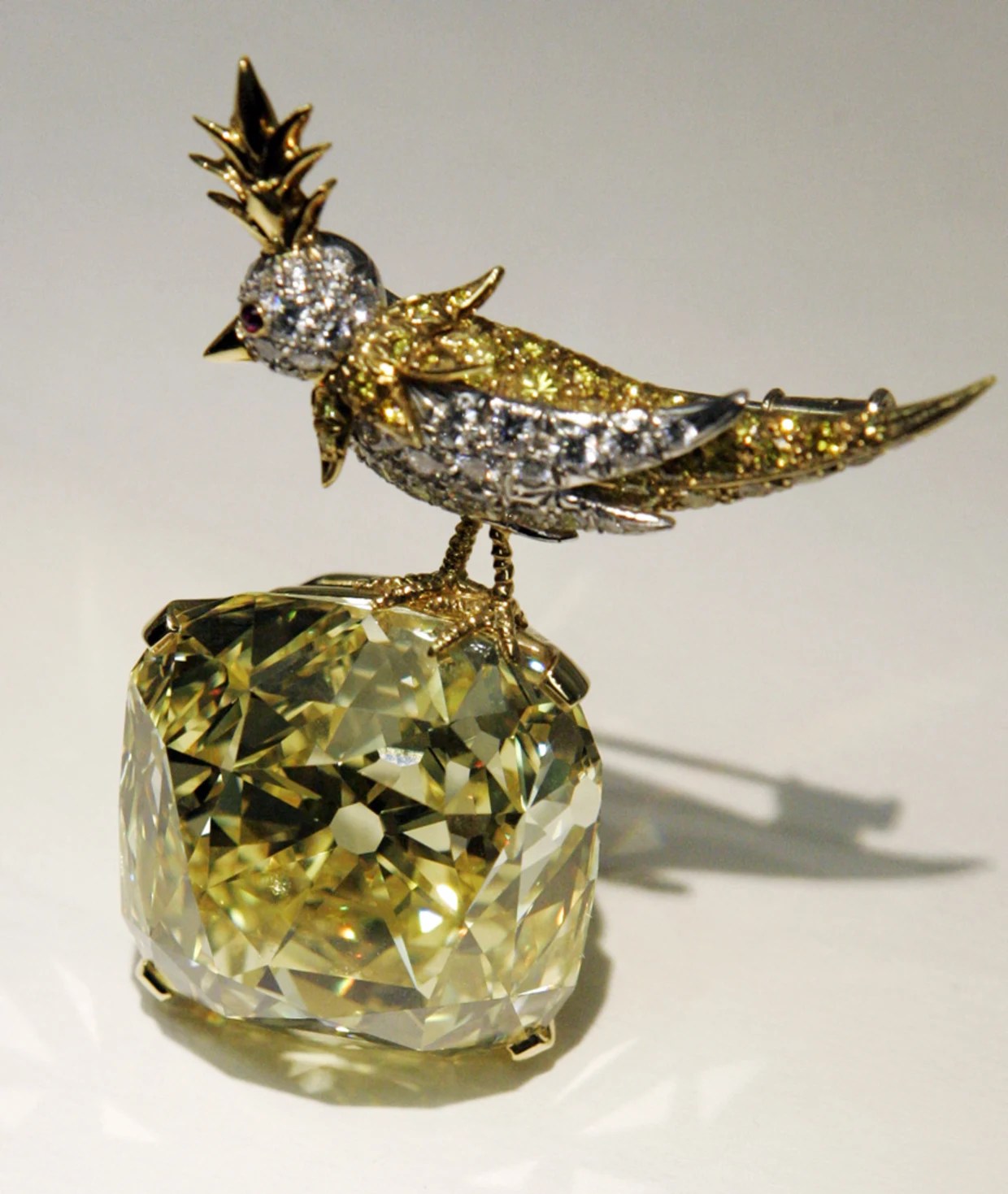
Known for its breathtaking size and intense yellow color, the Tiffany Yellow Diamond is one of the largest yellow diamonds ever discovered. Weighing 128.54 carats, it was unearthed in South Africa in the late 19th century and subsequently acquired by Charles Lewis Tiffany, the founder of Tiffany & Co. The diamond’s journey from the mines to becoming one of the most iconic gemstones in the world is a narrative of discovery, craftsmanship, and elegance.
The Tiffany Yellow Diamond was discovered in the Kimberley Mine in 1877 and was initially a 287.42-carat rough stone. Charles Lewis Tiffany, known as the “King of Diamonds,” acquired the diamond and entrusted it to the renowned gemologist George Frederick Kunz for cutting and polishing. The diamond was meticulously cut to enhance its brilliance and achieve its stunning final form, resulting in a 128.54-carat cushion-shaped gemstone with exceptional clarity and color.
The Tiffany Yellow Diamond quickly became one of the most admired gemstones in the world. It was showcased at various exhibitions and events, attracting significant attention and admiration. The diamond’s intense yellow color, caused by trace amounts of nitrogen, sets it apart from other gemstones and adds to its rarity and value. The Tiffany Yellow Diamond’s association with the prestigious Tiffany & Co. brand further enhances its allure and significance.
Over the years, the Tiffany Yellow Diamond has been worn by several prominent figures, including Audrey Hepburn, who wore it in publicity photographs for the film “Breakfast at Tiffany’s.” The diamond’s association with elegance, luxury, and style has cemented its place as one of the most iconic gemstones in the world. Today, the Tiffany Yellow Diamond is on display at the Tiffany & Co. flagship store in New York City, where it continues to captivate visitors with its breathtaking beauty and brilliance.
The Tiffany Yellow Diamond is not only a testament to the natural wonders of the earth but also to the skill and artistry of human craftsmanship. Its journey from a rough stone to a polished gem involved meticulous planning and expert cutting, reflecting the dedication and expertise of those who worked on it. The diamond’s intense yellow color, a result of nitrogen atoms within its crystal structure, gives it a unique and mesmerizing appearance that sets it apart from other gemstones.
The diamond’s history is also intertwined with the legacy of Tiffany & Co., a brand synonymous with luxury and sophistication. Charles Lewis Tiffany’s acquisition of the diamond and his decision to have it expertly cut and polished were pivotal moments that showcased the brand’s commitment to excellence and innovation. The Tiffany Yellow Diamond has since become a symbol of the brand’s heritage and its enduring commitment to quality and elegance.
In addition to its display at the flagship store, the Tiffany Yellow Diamond has been featured in various exhibitions and events, further enhancing its legendary status. Its appearances in high-profile settings and its association with iconic figures like Audrey Hepburn have solidified its place in popular culture and the world of fine jewelry.
The Tiffany Yellow Diamond’s legacy extends beyond its physical attributes. It represents a significant chapter in the history of gemology and the development of diamond cutting techniques. The diamond’s journey through history is marked by admiration, intrigue, and inspiration. Its association with one of the most prestigious jewelry brands in the world adds to its allure and significance.
The Tiffany Yellow Diamond continues to inspire awe and admiration, celebrated for its extraordinary size, color, and historical significance. Its presence at the Tiffany & Co. flagship store serves as a reminder of the brand’s rich heritage and its enduring commitment to excellence. The diamond remains a symbol of elegance, luxury, and timeless beauty, admired by millions around the world for its flawless craftsmanship and storied past.
10. The Orlov Diamond
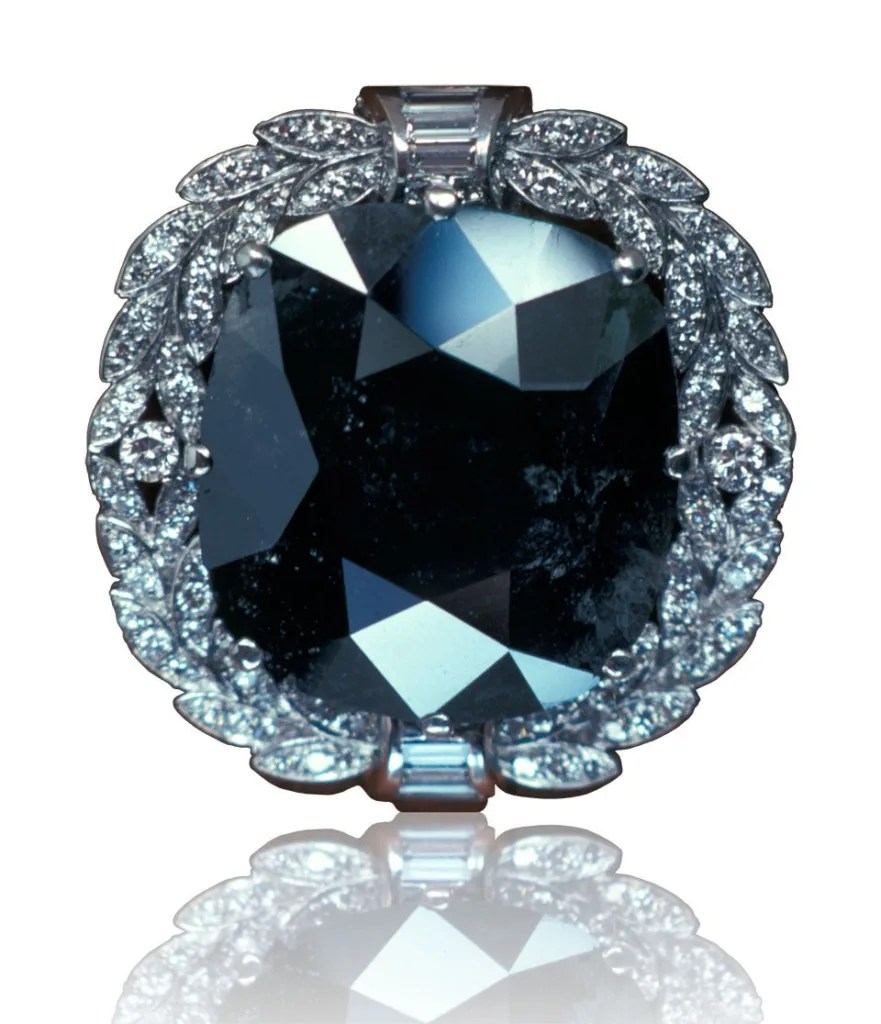
Steeped in legend and history, the Orlov Diamond is a magnificent gemstone with a fascinating backstory. Believed to have been part of the eye of an idol in a Hindu temple, it was stolen and later acquired by Count Grigory Orlov, a lover of Empress Catherine the Great of Russia, in the 18th century. The diamond’s journey from the temples of India to the grandeur of the Russian court is a narrative of intrigue, romance, and historical significance.
The Orlov Diamond is an exceptional rose-cut gemstone, weighing approximately 189.62 carats. Its unique shape and size set it apart from other diamonds, adding to its allure and mystique. According to legend, the diamond was originally part of the idol of a Hindu temple in southern India. It was stolen by a French deserter and eventually found its way to Amsterdam, where it was purchased by Count Grigory Orlov.
Count Orlov, a prominent figure in the Russian court, gifted the diamond to Empress Catherine the Great as a token of his love and devotion. The diamond was subsequently set in the Imperial Sceptre of Russia, symbolizing the power and authority of the Russian monarchy. The Orlov Diamond’s association with one of Russia’s most iconic empresses added to its historical significance and allure.
Today, the Orlov Diamond is housed in the Diamond Fund of the Moscow Kremlin, where it continues to be admired for its beauty and historical significance. The diamond’s journey from the temples of India to the grandeur of the Russian court is a testament to its enduring allure and significance. The Orlov Diamond remains a symbol of elegance, power, and timeless beauty, admired by millions for its flawless craftsmanship and storied past.
The Orlov Diamond’s legacy extends beyond its physical attributes. It represents a significant chapter in the history of gemology and the development of diamond cutting techniques. The diamond’s journey through history is marked by intrigue, conflict, and admiration. Its association with some of the most prominent figures in Russian history adds to its allure and significance. The Orlov Diamond continues to inspire awe and admiration, celebrated for its extraordinary brilliance, size, and historical significance.
The diamond’s story is also a reflection of the cultural and historical exchanges between different regions of the world. Its journey from India to Russia highlights the interconnectedness of global history and the ways in which precious gemstones have been valued and revered across different cultures. The Orlov Diamond continues to be a symbol of this rich and diverse heritage, admired for its beauty and the stories it carries.
In conclusion, the Orlov Diamond remains one of the most iconic and admired gemstones in the world. Its unique characteristics, historical significance, and association with prominent figures make it a treasured piece of the Russian Crown Jewels. The diamond’s journey through history is a testament to its enduring allure and significance, celebrated for its extraordinary brilliance, size, and storied past. The Orlov Diamond continues to captivate and inspire, admired by millions around the world for its flawless craftsmanship and timeless beauty.