
111. Rolling Bridge, United Kingdom
Located in: London, England, United Kingdom
Established: 2004
Cost: $1.6 million*
The Rolling Bridge in London is as functional as it is fascinating. Completed in 2004 at a cost of $1.6 million, this unique bridge spans the Grand Union Canal in Paddington Basin. What sets it apart is its unconventional design, consisting of eight triangular sections that fold upward to form a circular shape, allowing boats to pass beneath.
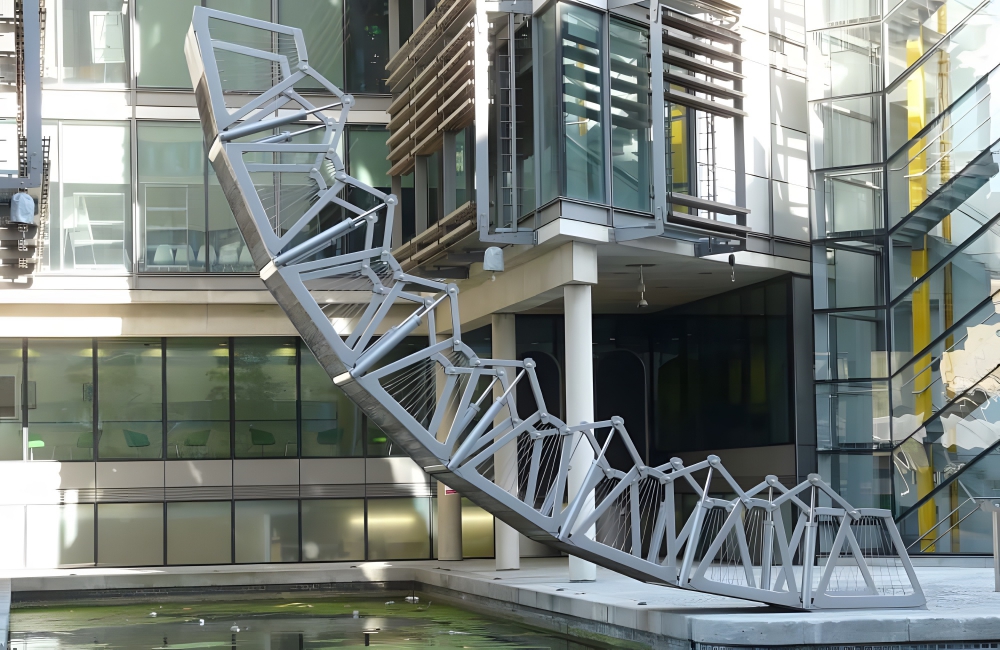
Rolling Bridge, United Kingdom © Loz Pycock /Wikimedia Commons
This mechanism earned it the nickname “the curling bridge” among locals. Moreover, the Rolling Bridge is not only a practical crossing but also a captivating spectacle, attracting onlookers to witness its graceful transformation. The Rolling Bridge operates on hydraulic power, with a complex system of pistons and counterweights enabling its seamless curling motion.
112. Wushan Yangtze River Bridge, China
Located in: Chongqing, China
Established: 2005
Cost: $100 million*
The Wushan Yangtze River Bridge is a monumental feat of engineering. Opened in 2005 at a cost of $100 million, this cable-stayed bridge spans the Yangtze River in Chongqing, connecting Wushan County with the mainland. With a total length of 1,280 meters, it ranks among the longest bridges in the world.
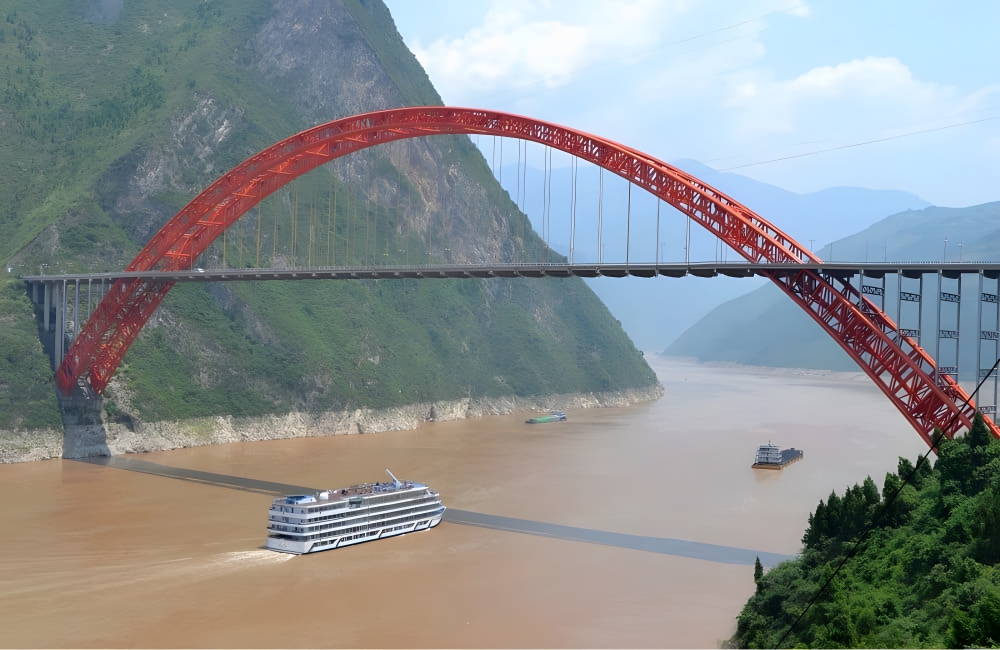
Wushan Yangtze River Bridge, China ©Glabb/Wikimedia Commons
Beyond its impressive dimensions, the Wushan Yangtze River Bridge plays a crucial role in facilitating transportation and commerce in the region, serving as a vital link for residents and businesses alike. The Wushan Yangtze River Bridge was constructed in just three years, a remarkable feat considering its size and complexity.
113. Aizhai Suspension Bridge, China
Located in: Hunan, China
Established: 2012
Cost: $200 million*
The Aizhai Suspension Bridge is a marvel of modern engineering. Completed in 2012 at a cost of $200 million, this breathtaking structure spans the Dehang Canyon, connecting two towering cliffs with its 1,176-meter span. As one of the world’s highest and longest suspension bridges, it offers unparalleled views of the surrounding mountains and valleys, attracting thrill-seekers and nature enthusiasts alike.
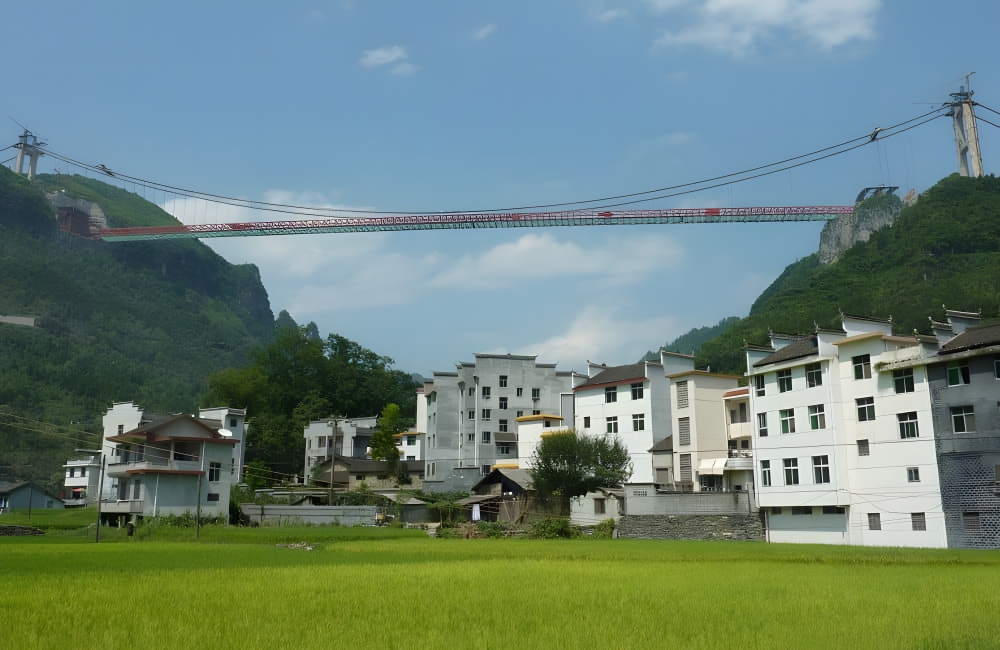
Aizhai Suspension Bridge, China ©Glabb /Wikimedia Commons
Beyond its aesthetic appeal, the Aizhai Suspension Bridge serves as a vital artery for regional transportation, significantly reducing travel times between remote communities. The Aizhai Suspension Bridge boasts a stunning light display at night, illuminating the canyon and providing a dazzling spectacle for nighttime travelers.
114. Europabrücke, Austria
Located in: Tyrol, Austria
Established: 1963
Cost: $50 million*
Opened in 1963 at a cost of $50 million, this iconic bridge spans the Wipp Valley, serving as a crucial link on the Brenner Autobahn, a major European highway connecting Austria and Italy. With a length of 777 meters and soaring towers reaching heights of 190 meters, the Europabrücke held the title of the world’s highest bridge upon its completion.
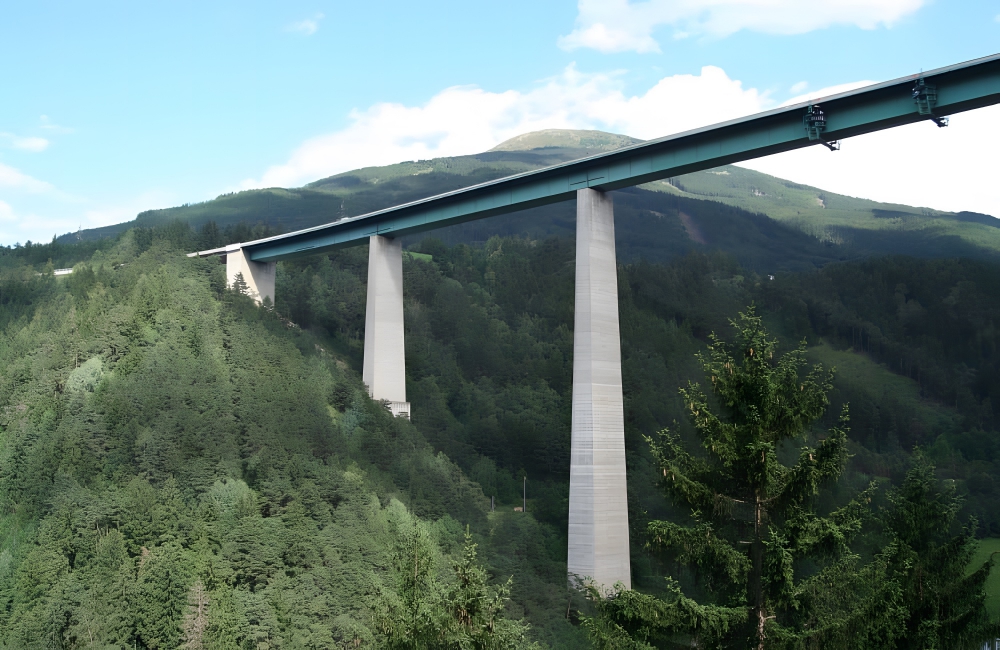
Europabrücke, Austria ©Mimova/Wikimedia Commons
The bridge offers awe-inspiring views of the Tyrolean Alps, captivating travelers with its dramatic setting. The Europabrücke was constructed using a groundbreaking cantilever method, allowing engineers to build the bridge from both ends simultaneously and complete it in record time.
115. Østfold Bridge, Norway
Located in: Østfold, Norway
Established: 1996
Cost: $30 million*
The Østfold Bridge is an engineering prowess. In 1996 at a cost of $30 million, this elegant cable-stayed bridge spans the Glomma River, connecting the city of Sarpsborg with the rural landscapes of Østfold County. With a total length of 1,094 meters, it ranks among Norway’s longest bridges, serving as a vital transportation link for local communities and businesses.
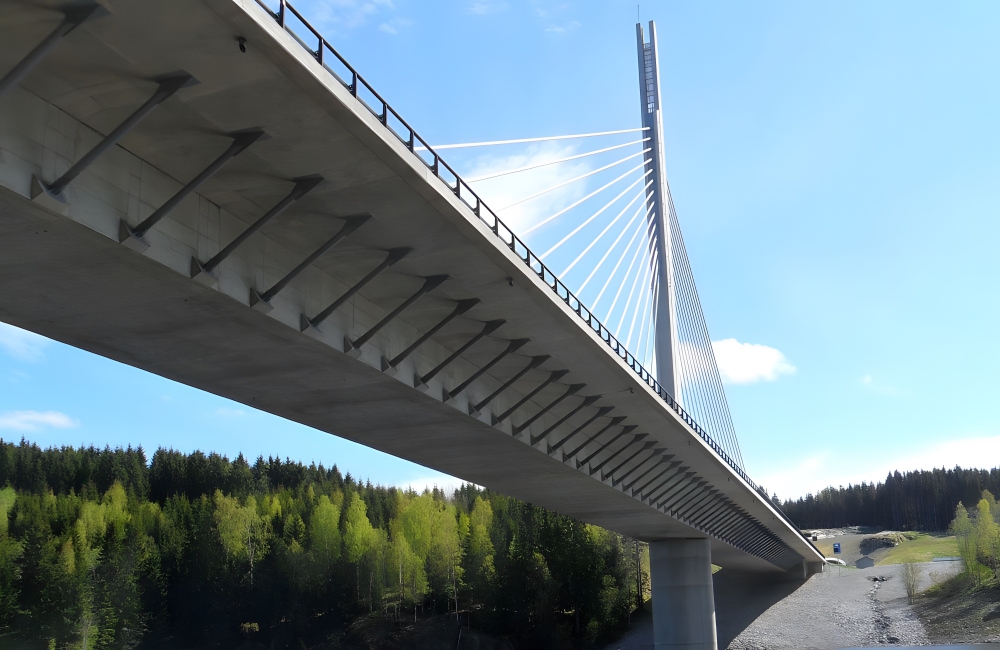
Østfold Bridge, Norway ©Bohuslen /Wikimedia Commons
The Østfold Bridge is celebrated for its sleek and minimalist design, blending seamlessly with the natural beauty of its surroundings. The Østfold Bridge features an innovative design that minimizes its environmental impact, with adjustable pylons that allow the bridge to adapt to changes in temperature and wind conditions.
116. Salginatobel Bridge, Switzerland
Located in: Schiers, Switzerland
Established: 1930
Cost: $1 million*
The Salginatobel Bridge is affectionately known as the “Golden Gate of the Alps” for its striking resemblance to the iconic bridge in San Francisco. Completed in 1930 at a cost of $1 million, this architectural gem spans the Landquart River, connecting the remote villages of Schiers and Schuders. With its graceful concrete arch and slender profile, the Salginatobel Bridge is celebrated as a masterpiece of modernist design, attracting architecture enthusiasts from around the world.
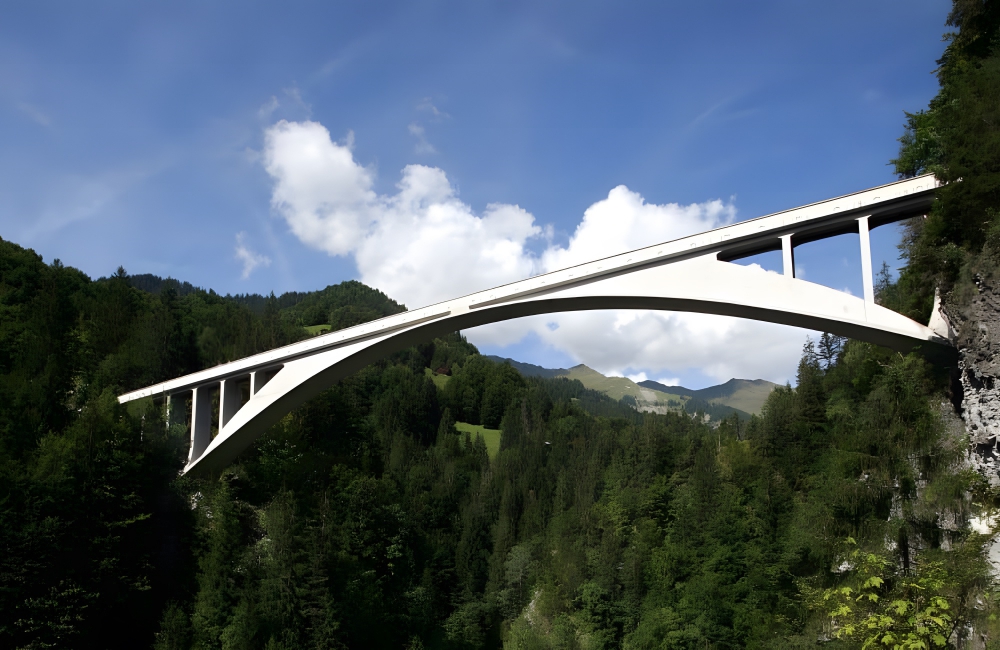
Salginatobel Bridge, Switzerland ©Rama/Wikimedia Commons
It serves as a vital lifeline for local communities, providing a crucial link for transportation and commerce. The Salginatobel Bridge was designed by renowned Swiss engineer Robert Maillart, who pioneered innovative construction techniques that revolutionized bridge design in the early 20th century.
117. Mezcala Bridge, Mexico
Located in: Guerrero, Mexico
Established: 1993
Cost: $70 million*
Built in 1993 at a cost of $70 million, this impressive structure spans the vast expanse of the Balsas River, connecting the towns of Ciudad Altamirano and Arcelia. With a length of 1,128 meters, the Mezcala Bridge serves as a vital artery for commerce and trade, facilitating the movement of goods and people across the region.
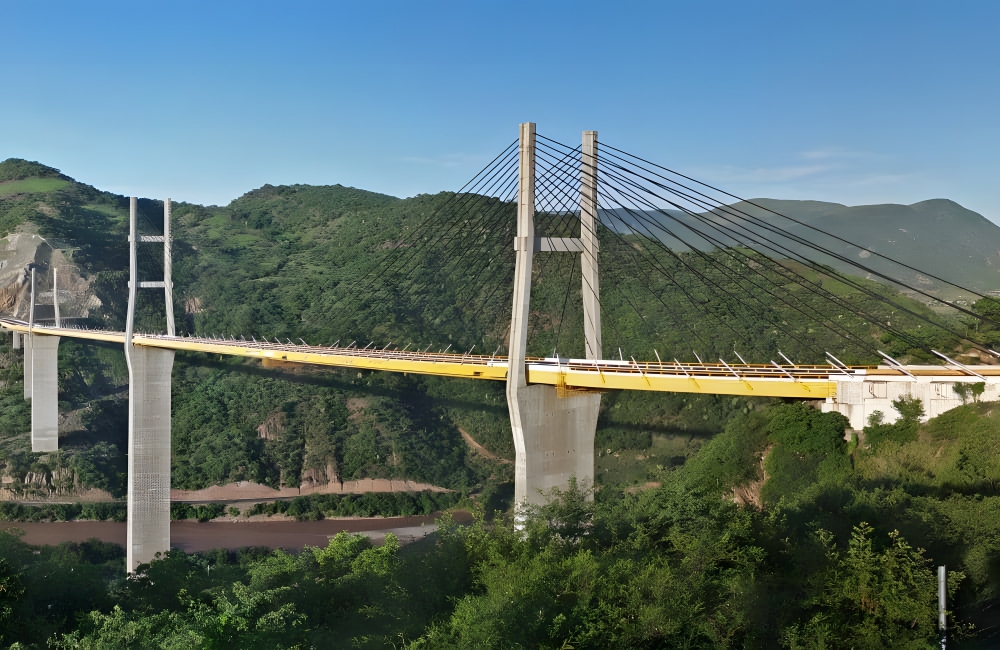
Mezcala Bridge, Mexico ©Jujutacular/Wikimedia Commons
Its towering pillars and graceful arches are not only a marvel of modern engineering but also a symbol of progress and connectivity. The Mezcala Bridge was constructed using a unique cantilever design, which provides enhanced stability and durability, particularly in regions prone to seismic activity.
118. Rande Bridge, Spain
Located in: Galicia, Spain
Established: 1978
Cost: $25 million*
Spanning the serene waters of the Rande Strait in Galicia, Spain, the Rande Bridge is a modern marvel of engineering and design. In 1978 at a cost of $25 million, this cable-stayed bridge connected the cities of Vigo and Redondela, providing a crucial link between the northern and southern regions of Galicia.
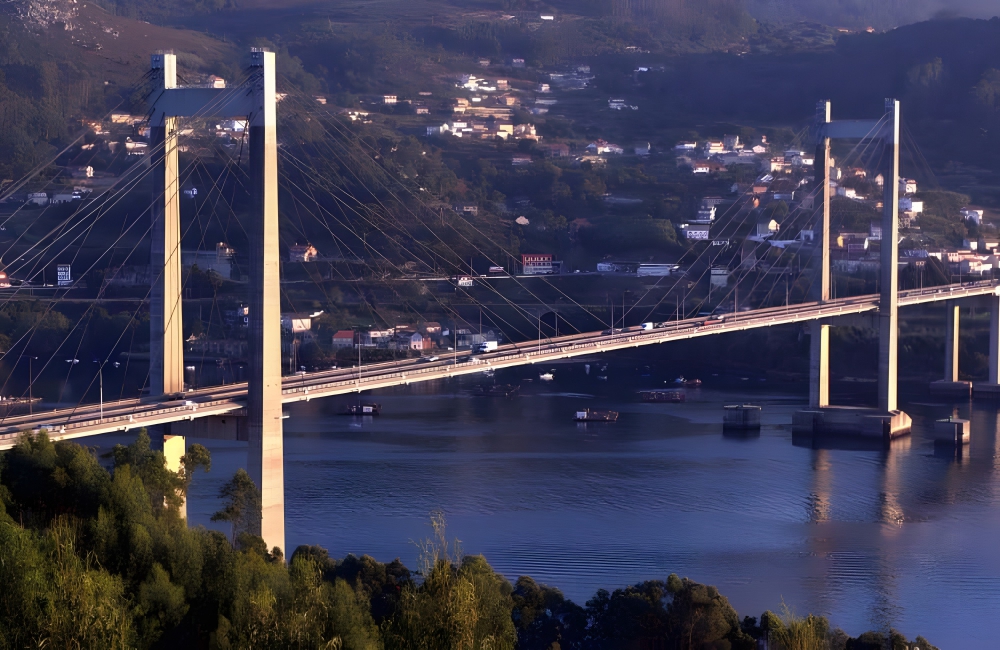
Rande Bridge, Spain ©Aitor 3187/Wikimedia Commons
With a total length of 1,558 meters, the Rande Bridge boasts a distinctive double-harp shape, making it a striking landmark against the backdrop of the Atlantic Ocean. The Rande Bridge underwent a major renovation in 1981 to strengthen its structure and accommodate the increasing traffic demands, ensuring its longevity for generations to come.
119. Perrine Bridge, USA
Located in: Idaho, USA
Established: 1976
Cost: $10 million*
Perched majestically over the Snake River Canyon in Idaho, USA, the Perrine Bridge was constructed in 1976 at a cost of $10 million, this steel arch bridge spans a breathtaking 1,500 feet, linking the city of Twin Falls with Jerome County.
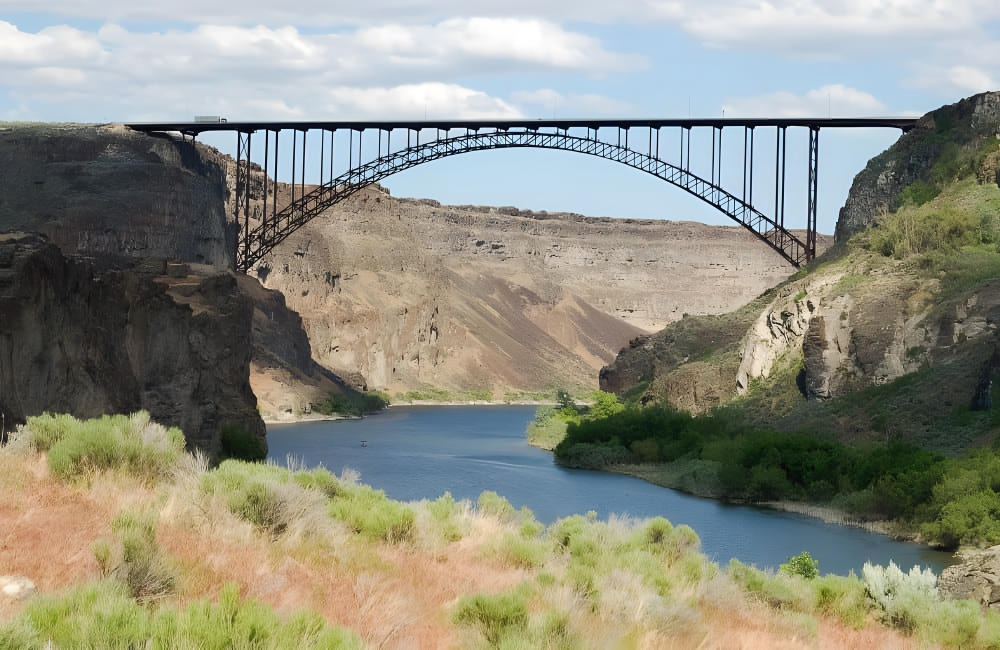
Perrine Bridge, USA ©Shane Cotee/stock.adobe.com
Renowned for its awe-inspiring views and adrenaline-pumping activities like BASE jumping, the Perrine Bridge has become a mecca for thrill-seekers and nature enthusiasts from around the world. The Perrine Bridge is one of the few structures in the world where BASE jumping is legal year-round without a permit, drawing daredevils and adventure seekers to experience the ultimate adrenaline rush.
120. Forth Rail Bridge, Scotland, UK
Located in: Scotland, United Kingdom
Established: 1890
Cost: $3.2 million*
The Forth Rail Bridge is an iconic symbol of Scotland’s industrial heritage and engineering prowess. Completed in 1890 at a cost of $3.2 million, this cantilever bridge spans the Firth of Forth, connecting Edinburgh with the Kingdom of Fife. Stretching over 2,528 meters, it was the world’s longest single cantilever span for over 20 years.
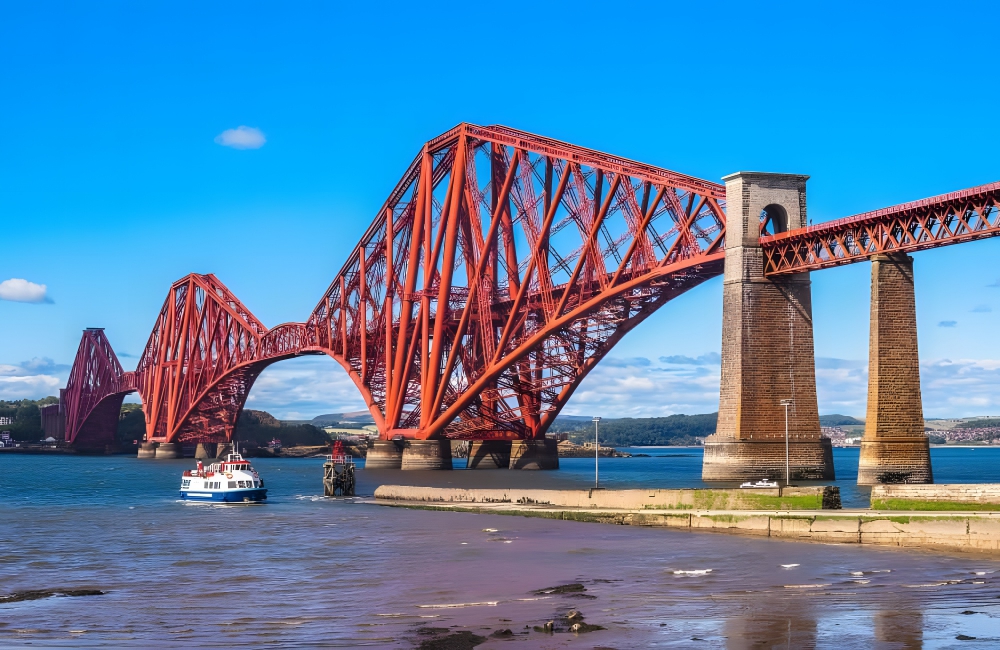
Forth Rail Bridge, Scotland, UK ©Richie Chan/stock.adobe.com
Affectionately known as the “Forth Bridge,” it has been recognized as a UNESCO World Heritage Site since 2015, honoring its cultural significance and enduring legacy. The Forth Bridge was the first major structure in Britain to be constructed of steel, representing a groundbreaking advancement in bridge engineering at the time.
121. Tower Bridge, China
Located in: Suzhou, Jiangsu, China
Established: 2012
Cost: $300 million*
Tower Bridge, located in Suzhou, Jiangsu, China, is a stunning architectural masterpiece that spans the Grand Canal, a vital waterway in the region. Constructed in 2012 at a cost of $300 million, this modern suspension bridge stretches 4,500 feet across the canal, providing a crucial link for transportation and commerce between Suzhou’s bustling districts.
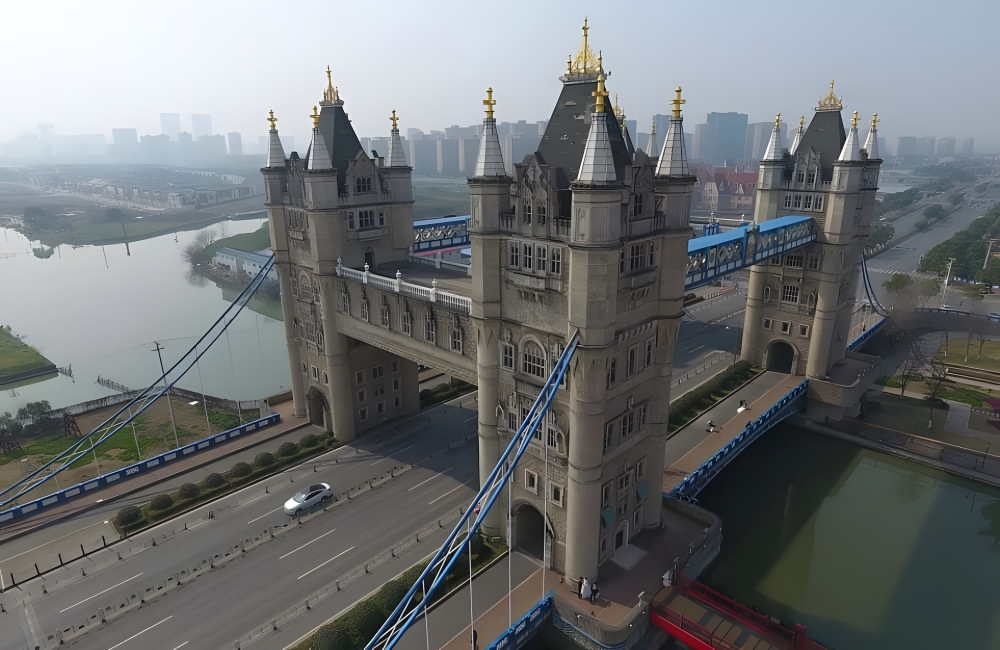
Tower Bridge, China @dailymail/Pinterest
Tower Bridge’s distinctive twin towers and elegant design have earned it the nickname “The Gateway to Suzhou,” symbolizing the city’s welcoming spirit and strategic importance. Tower Bridge features a unique glass-bottomed walkway, allowing pedestrians to admire the canal’s scenic beauty and watch boats pass beneath their feet, offering a truly immersive experience.
122. Bob Kerrey Pedestrian Bridge, USA
Located in: Nebraska/Iowa, USA
Established: 2008
Cost: $22 million*
Spanning the Missouri River between Nebraska and Iowa, the Bob Kerrey Pedestrian Bridge is a testament to cross-state collaboration and urban revitalization efforts. Completed in 2008 at a cost of $22 million, this cable-stayed bridge connects Omaha, Nebraska, with Council Bluffs, Iowa, serving as a scenic pathway for pedestrians and cyclists alike.
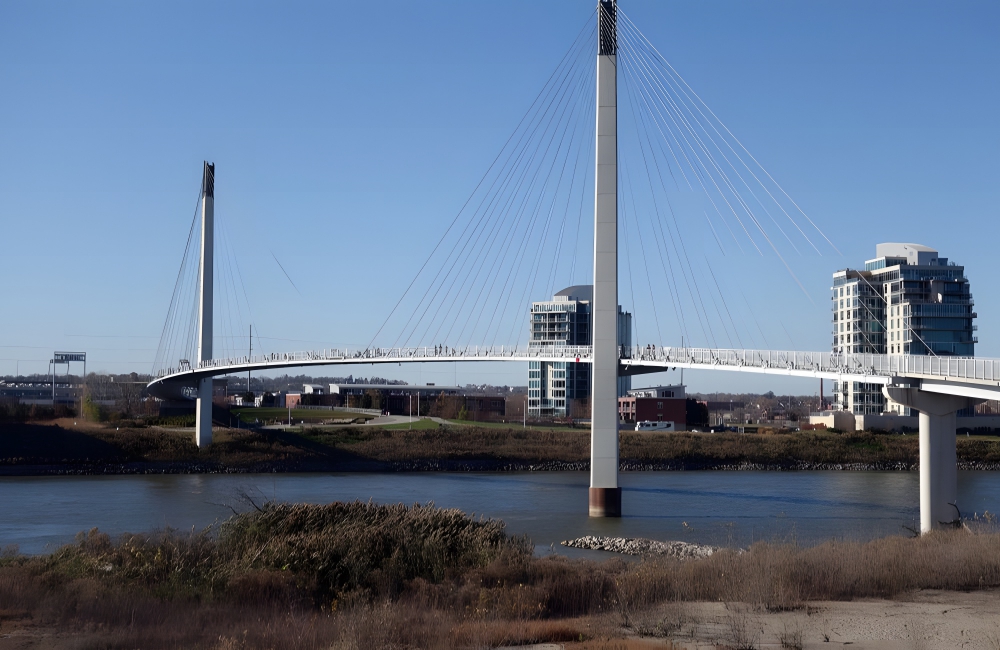
Bob Kerrey Pedestrian Bridge, USA ©BLAZE Pro/Shutterstock
The bridge has become a beloved recreational destination and a focal point for community gatherings and events. The Bob Kerrey Pedestrian Bridge features an interactive lighting system that illuminates the structure with vibrant colors during special occasions and holidays, adding a touch of magic to the nighttime skyline.
123. Alcántara Bridge, Spain
Located in: Extremadura, Spain
Established: AD 104-106
Cost: Historical cost not available
Dating back to the Roman Empire, the Alcántara Bridge in Extremadura, Spain, displays ancient engineering ingenuity and craftsmanship. Originally constructed between AD 104 and 106, this stone arch bridge spans the Tagus River, connecting the modern towns of Alcántara and Alconétar. With a length of 194 meters and a height of 71 meters, it served as a vital link along the historic Roman road known as the Via de la Plata.
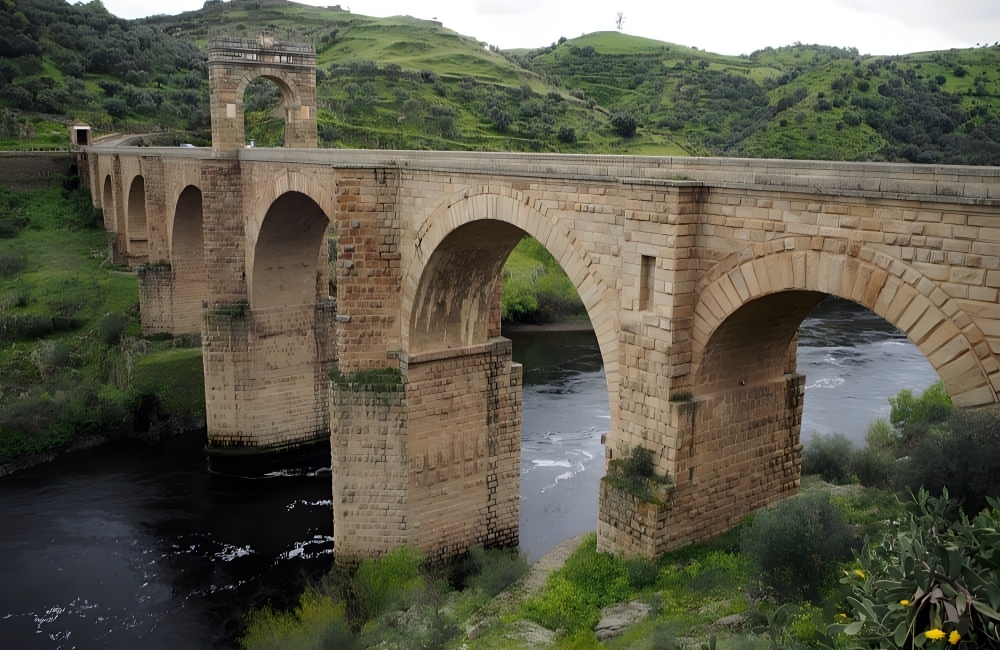
Alcántara Bridge, Spain ©ARK NEYMAN/Shutterstock
The Alcántara Bridge is a lasting legacy of Roman engineering and continues to inspire awe and admiration for its enduring beauty and functionality. Despite being over 1,900 years old, the Alcántara Bridge remains open to pedestrian and vehicular traffic, making it one of the oldest bridges still in use in the world.
124. New River Gorge Bridge, USA
Located in: West Virginia, USA
Established: 1977
Cost: $37 million*
The New River Gorge Bridge in West Virginia, USA, is an engineering marvel that spans the rugged New River Gorge, offering breathtaking views and thrilling experiences. Completed in 1977, this steel arch bridge stretches 924 meters across the gorge, making it one of the longest single-span arch bridges in the world.
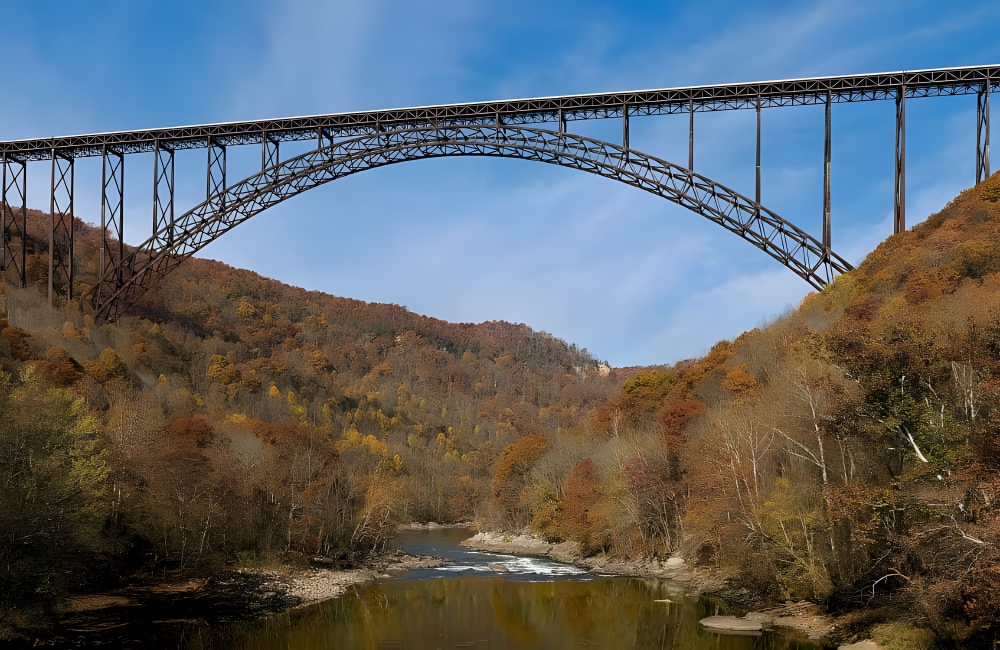
New River Gorge Bridge, USA ©JaGa/Wikimedia Commons
Nicknamed “The Bridge to Prosperity,” it has also become a popular destination for outdoor enthusiasts, attracting thrill-seekers from around the globe to participate in the annual Bridge Day celebration, where they can experience the adrenaline rush of BASE jumping and rappelling from the bridge.
125. Djurdjevica Tara Bridge, Montenegro
Located in: Montenegro
Established: 1940
Cost: $4 million*
The Djurdjevica Tara Bridge shows human ingenuity and natural beauty. Built in 1940 at a cost of $4 million, this arched bridge spans the Tara River Canyon, one of the deepest river canyons in Europe. With a length of 365 meters and a height of 172 meters, it offers awe-inspiring vistas of the turquoise waters below and the lush forests that surround it.
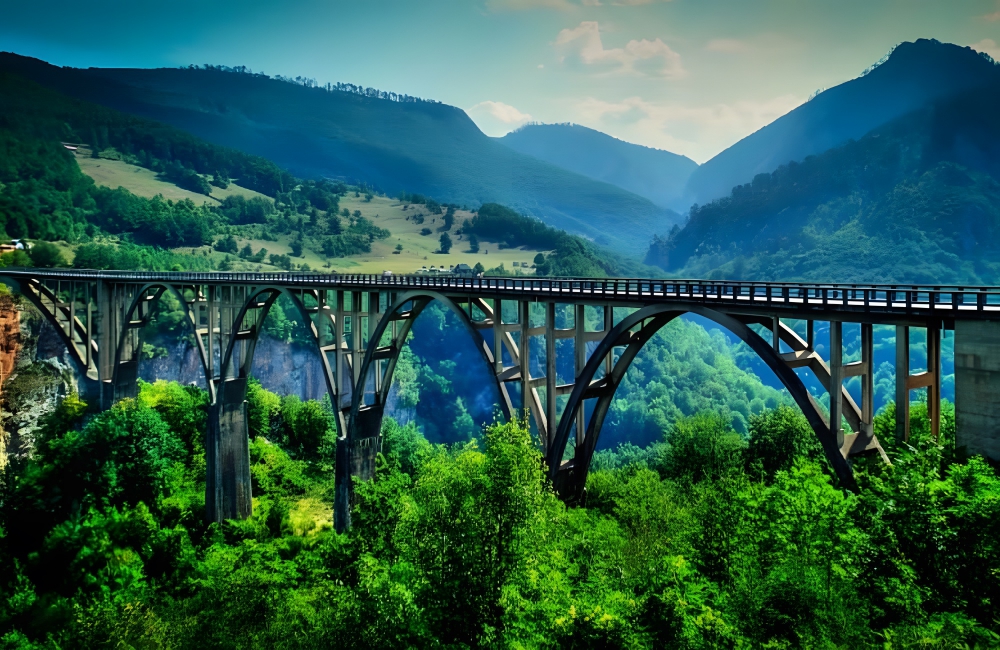
Djurdjevica Tara Bridge, Montenegro ©Daniel Borsos/Wikimedia Commons
During World War II, the Djurdjevica Tara Bridge played a crucial role in providing logistical support for the Yugoslav Partisans, who used it to transport troops and supplies across the canyon, earning it a place in the annals of wartime history.