
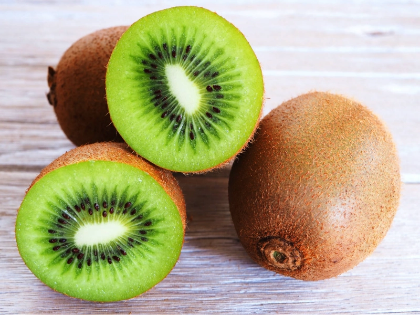
From an uncommon wild berry to a much-loved worldwide fruit, the kiwifruit’s story is one of horticultural creativity and marketing genius. The interesting background, cultivation, nutritional value, and global appeal of the kiwifruit are examined on this page. From a Chinese oddity into an international agricultural sensation, see how this little, fuzzy fruit with emerald-green flesh and tiny black seeds became a standard in fruit bowls and stores all over.
1. The Origins of Kiwifruit: A Wild Chinese Berry
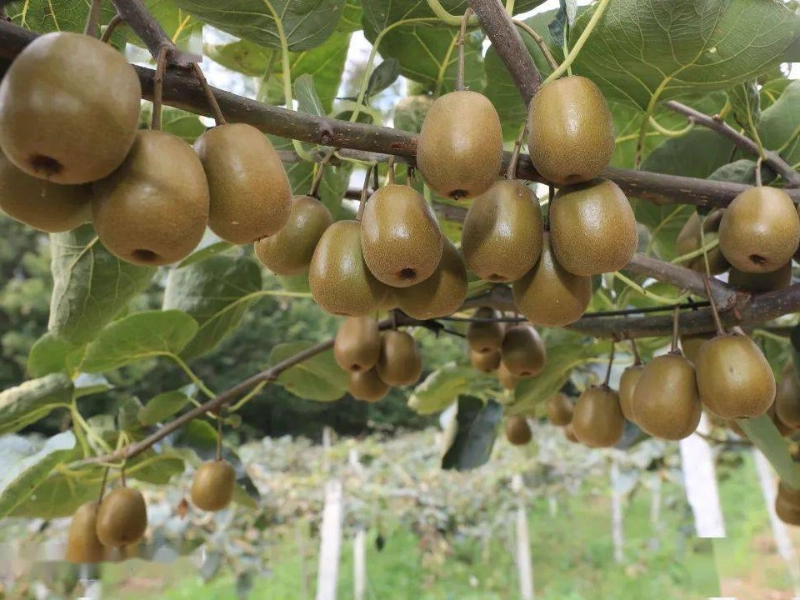
Kiwifruit’s tale starts in China’s verdant valleys, where it grew wild for millennia, its vines entwining through the Yangtze River Valley’s woods. Originally unassuming in look, this little brown fruit—known locally as yang tao or “strawberry peach—was revered for its unusual flavour and therapeutic qualities. Over 700 years, the Chinese have grown these wild vines using the fruit not just for food but also in traditional medicine to help digestion and strengthen the immune system.
Early in the 20th century, the kiwifruit’s path from obscurity to worldwide popularity started when it drew interest from outside guests. This unusual fruit captivated New Zealand missionaries and teachers employed in China especially. Its tangy-sweet taste caught their attention and they chose to transport some seeds back to their native country. This choice will prove to be a turning point in the history of the fruit, enabling its development from a wild Chinese berry to an agricultural staple used worldwide.
Returning from China with kiwifruit seeds in 1904 was New Zealand school administrator Isabel Fraser. She handed them to Alexander Allison, a farmer who in New Zealand raised the first kiwifruit plants with success. This launched kiwifruit farming outside of its natural China. The mild temperature of New Zealand, which matched their natural Yangtze River Valley habitat, was perfect for the plants. The success of these first plantings inspired other farmers to try the fruit, which helped little orchards to grow all throughout the nation.
Originally called the Chinese gooseberry, the fruit’s name mirrored its source but did not adequately convey its distinctive qualities. It became evident that a more appealing name would be required for more general market adoption as farming grew and the fruit gained favour among nearby producers. The amazing journey the fruit went from a wild Chinese berry to a cultivated crop in New Zealand was only beginning. Those early pioneers had no idea, though, that their efforts would set the stage for a worldwide fruit business spanning countries that enthrals people everywhere.
2. The Kiwifruit Makeover: Rebranding for Global Appeal
The amazing story of agricultural marketing and branding genius that is the conversion of the Chinese gooseberry into the kiwifruit we know today is As New Zealand fruit growers started to think about exporting, they discovered in the 1950s that the name “Chinese gooseberry” might not appeal to foreign consumers. Furthermore, political unrest during the Cold War changed the appeal of a fruit connected with China in Western markets. This insight spurred a deliberate attempt to rebrand and orient the fruit for worldwide success.
Following much thought and market study, the fruit was renamed “kiwifruit” in 1959 following the kiwi, New Zealand’s national bird. This name change was a masterwork of marketing. Along with separating the fruit from its Chinese roots, the new name established a strong connection with New Zealand, a nation renowned for its immaculate surroundings and superior agricultural output. Perfectly establishing the fruit as a distinctive and desirable commodity in worldwide marketplaces, the term “kiwifruit” was catchy, easy to remember, and conjured pictures of exotic worlds.
The rebranding transcended mere name change. To guarantee constant quality and look, growers and marketers put out great effort to create uniform farming techniques. They concentrated on choosing and spreading the best cultivars; the Hayward cultivar became the gold standard for its perfect size, taste, and storage qualities. All with an eye towards producing fruit of the best quality, thorough study was done to maximise growing circumstances including soil composition, irrigation strategies, and pruning methods.
Not less crucial were attempts to enhance shipping and storage methods to preserve the freshness of the fruit over vast distances. Although Kiwifruit has a quite long shelf life when compared to many other fruits, success in far-off markets depends on keeping its quality during long storage and transportation times. Perfect condition of kiwifruit could be reached by consumers all around by means of innovations in controlled environment storage and packaging technologies.
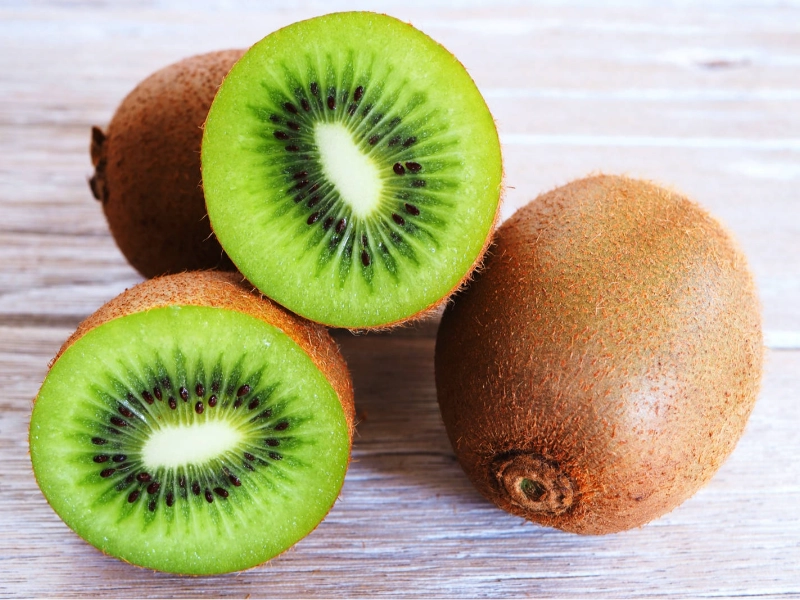
A big part of the kiwifruit’s marketing success was its unusual look. In fruit displays, its brown, fuzzy outside and vivid green flesh with a sunburst pattern of little black seeds caught attention. Using its unique appearance, marketers positioned the kiwifruit as an unusual and intriguing addition to the fruit basket. Point-of-sale tools and creative packaging were designed to highlight the fruit’s distinctive look and inspire customers to test this new product.