
9. Sunflower Seeds: A Nutty and Nutritious Pine Nut Alternative
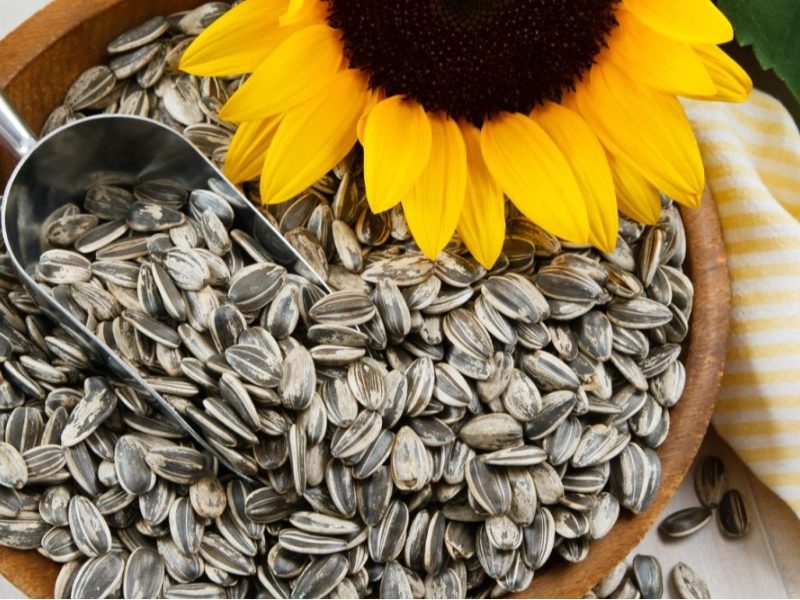
Sunflower seeds, derived from the vibrant sunflower plant, have emerged as an excellent substitute for pine nuts in various culinary applications. These small, grayish-green seeds encased in black and white striped shells offer a subtle nutty flavor and a satisfying crunch that can enhance a wide range of dishes. Their versatility, nutritional benefits, and widespread availability make them an attractive option for those seeking a nut-free alternative to pine nuts.
One of the primary advantages of using sunflower seeds as a pine nut substitute is their mild, nutty flavor profile. This subtle taste allows sunflower seeds to complement a variety of ingredients without overpowering them, similar to how pine nuts function in many recipes. The flavor of sunflower seeds can be further enhanced through roasting or toasting, which brings out a deeper, more complex nuttiness that can add depth to both savory and sweet dishes.
Sunflower seeds excel as a pine nut alternative in a variety of culinary applications, particularly in salads and baked goods. In salads, sunflower seeds provide a pleasant crunch and subtle nutty flavor that can enhance the overall taste and texture of the dish. They can be used whole or chopped, depending on the desired texture and presentation. Roasted sunflower seeds are particularly effective in adding a savory element to salads, complementing both leafy greens and heartier vegetable combinations.
In baked goods, sunflower seeds can be incorporated into bread dough, muffin batters, or used as a topping for various pastries. Their mild flavor allows them to blend seamlessly with other ingredients while adding a nutritional boost and textural interest. Sunflower seed butter, made from ground sunflower seeds, can also serve as an excellent substitute for pine nut-based spreads or as an ingredient in baked goods and sauces.
When it comes to using sunflower seeds in pesto, however, some considerations should be taken into account. While sunflower seeds can provide a similar nutty flavor to pine nuts, their grayish color may alter the vibrant green appearance that is characteristic of traditional pesto. For this reason, in recipes where the visual appeal of pesto is important, it may be preferable to use other alternatives such as hemp seeds or apricot seeds, which can maintain the bright green color of the sauce.
When substituting sunflower seeds for pine nuts in recipes, a 1:1 ratio is generally recommended. This means that for every tablespoon of pine nuts called for in a recipe, one can use one tablespoon of sunflower seeds. However, it’s important to consider the specific requirements of each recipe and adjust the quantity as needed to achieve the desired flavor and texture.
From a nutritional standpoint, sunflower seeds offer significant benefits that make them an attractive alternative to pine nuts. They are rich in healthy fats, particularly polyunsaturated fats, which are important for heart health. Sunflower seeds are also an excellent source of vitamin E, a powerful antioxidant that supports immune function and skin health. Additionally, they provide a good amount of protein, fiber, and essential minerals such as magnesium, phosphorus, and selenium.
The nutritional profile of sunflower seeds has been associated with various potential health benefits. Regular consumption of sunflower seeds may contribute to improved heart health, better blood sugar control, and reduced inflammation in the body. The high vitamin E content of sunflower seeds is particularly noteworthy, as this nutrient plays a crucial role in protecting cells from oxidative stress and supporting overall health.
As a nut-free alternative, sunflower seeds are particularly valuable for individuals with nut allergies or those following nut-free diets. They provide a safe and nutritious option for adding flavor, texture, and nutrients to a wide range of dishes without the risk of allergic reactions associated with tree nuts.
In conclusion, sunflower seeds offer a versatile, nutritious, and nut-free alternative to pine nuts that can enhance a wide range of culinary creations. Their mild nutty flavor, satisfying crunch, and impressive nutritional profile make them an excellent choice for those looking to substitute pine nuts in their recipes. By understanding the proper substitution ratios and preparation methods, cooks can successfully incorporate sunflower seeds into their dishes, potentially adding depth, texture, and nutritional value to their meals while catering to various dietary needs and preferences.
The adaptability of sunflower seeds extends beyond their use as a direct substitute for pine nuts. They can be incorporated into a variety of recipes to add nutritional value and texture. For instance, sunflower seeds can be ground into a flour-like consistency and used as a partial replacement for wheat flour in baked goods, providing a boost of protein and healthy fats. They can also be sprinkled on top of yogurt, oatmeal, or smoothie bowls for added crunch and nutrition.
In savory dishes, sunflower seeds can be used to create a crust for fish or chicken, offering a nut-free alternative to traditional nut-crusted recipes. They can also be incorporated into homemade energy bars or granola, providing a source of sustained energy and essential nutrients.
It’s worth noting that while sunflower seeds are generally well-tolerated, some individuals may be allergic to them. Although sunflower seed allergies are less common than nut allergies, it’s always important to be aware of any potential allergies or sensitivities when introducing new ingredients into one’s diet.
In summary, sunflower seeds stand out as a valuable alternative to pine nuts, offering a combination of flavor, texture, and nutritional benefits that can enhance a wide range of dishes. Their versatility in both sweet and savory applications, coupled with their accessibility and affordability, makes them an excellent option for home cooks and professional chefs alike. By exploring the culinary possibilities of sunflower seeds, one can discover new and exciting ways to add flavor, nutrition, and texture to their meals while accommodating various dietary restrictions and preferences.
Conclusion:
Throughout this comprehensive exploration of pine nut alternatives, we have delved into the unique characteristics, culinary applications, and nutritional benefits of various substitutes. From the buttery richness of cashews and almonds to the distinctive flavors of walnuts and pecans, each alternative offers its own set of advantages in different culinary contexts.
We’ve also examined nut-free options such as pumpkin seeds, sesame seeds, and sunflower seeds, which provide excellent alternatives for those with nut allergies or dietary restrictions. These seed-based substitutes not only mimic the texture and flavor of pine nuts in many recipes but also bring their own nutritional profiles to the table, often offering impressive amounts of vitamins, minerals, and healthy fats.
The versatility of these alternatives is evident in their ability to enhance a wide range of dishes, from salads and pestos to baked goods and confections. By understanding the unique properties of each substitute and applying appropriate substitution ratios, cooks can successfully adapt recipes that traditionally call for pine nuts, often with delicious and innovative results.
Moreover, the exploration of these alternatives highlights the importance of culinary creativity and adaptability. As global food trends evolve and dietary needs diversify, the ability to find suitable substitutes for traditional ingredients becomes increasingly valuable. This not only allows for greater inclusivity in cooking but also opens up new possibilities for flavor combinations and nutritional enhancements.
It’s important to remember that while these alternatives can often successfully replace pine nuts in many recipes, they each bring their own unique flavors and properties to a dish. Experimenting with different substitutes can lead to exciting culinary discoveries and may even result in new favorite recipes.
In conclusion, whether driven by dietary restrictions, cost considerations, or simply a desire to explore new flavors, the world of pine nut alternatives offers a rich tapestry of options for culinary enthusiasts. By embracing these diverse ingredients, cooks can continue to create delicious, nutritious, and inclusive meals that cater to a wide range of tastes and dietary needs.
 zi ang