
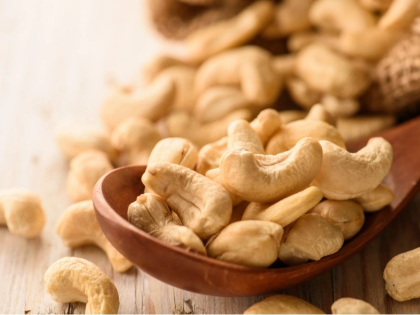
8. Sesame Seeds: A Tiny Powerhouse Alternative to Pine Nuts
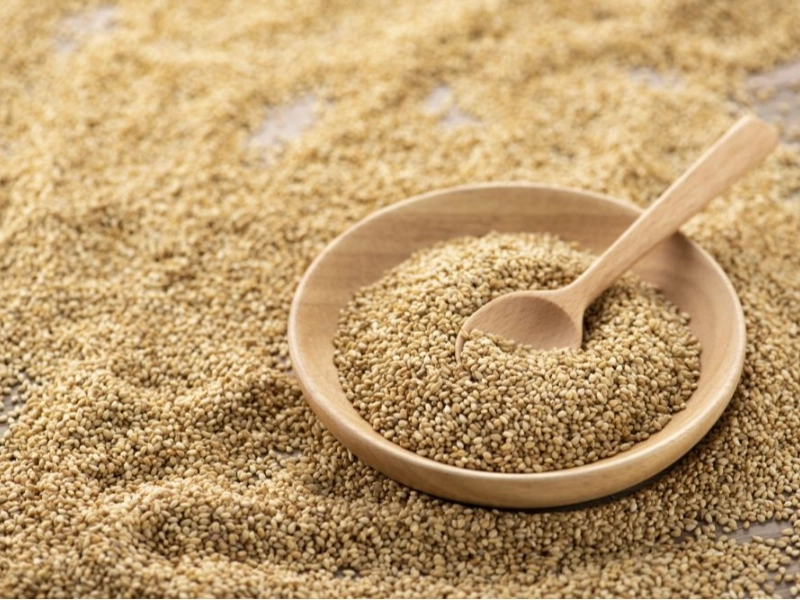
Sesame seeds, despite their small size, pack a powerful punch in terms of flavor and nutritional value, making them an excellent substitute for pine nuts in various culinary applications. These tiny, oil-rich seeds have been cultivated for thousands of years and are a staple in many cuisines around the world. Their versatility, distinctive nutty flavor, and impressive nutritional profile make them a compelling alternative to pine nuts in both savory and sweet dishes.
One of the primary advantages of using sesame seeds as a pine nut substitute is their mild, sweet, and nutty flavor profile. In their raw form, sesame seeds offer a subtle taste that can complement a wide range of ingredients without overpowering them. This characteristic makes them particularly suitable for use in delicate dishes where a gentle nutty flavor is desired. The flavor of sesame seeds can be further enhanced through toasting or baking, which brings out a more pronounced almond-like aroma and intensifies their nutty taste.
The versatility of sesame seeds is evident in their wide range of culinary applications. They can be used whole, ground into a paste, or pressed for their oil, each form offering unique properties that can enhance various dishes. Whole sesame seeds are excellent for adding texture and visual appeal to baked goods, salads, and savory dishes. When ground, sesame seeds create a creamy paste known as tahini, which is a key ingredient in many Middle Eastern and Mediterranean recipes.
In desserts, sesame seeds can be used as a flavorful and textural element in cookies, cakes, and confections. Their subtle sweetness pairs well with both chocolate and fruit-based desserts, offering a nutty counterpoint to sweeter flavors. Sesame seed brittle, for example, provides a delicious alternative to pine nut brittle, with a unique flavor profile and satisfying crunch.
Salads benefit from the addition of sesame seeds, which can provide a pleasant crunch and nutty flavor that complements fresh greens and vegetables. Toasted sesame seeds are particularly effective in adding depth to salad dressings, where their intensified flavor can enhance the overall taste of the dish.
Sauces and dips also benefit from the inclusion of sesame seeds or sesame paste. The creamy texture of ground sesame seeds can add body and richness to sauces, while their nutty flavor can provide depth and complexity. In Asian cuisines, sesame seeds are often used as a garnish or flavor enhancer in stir-fries, noodle dishes, and sushi, where they can serve as an excellent substitute for pine nuts.
When using sesame seeds as a substitute for pine nuts, it’s important to consider the appropriate ratio to ensure the best results. Due to their smaller size and more intense flavor, a general guideline is to use a 2:1 ratio of sesame seeds to pine nuts. This means that for every tablespoon of pine nuts called for in a recipe, one should use two tablespoons of sesame seeds. This adjustment helps to balance the flavor and ensure that the sesame seeds provide a similar textural element to pine nuts in the dish.
It’s worth noting that while sesame seeds can be an excellent substitute in many recipes, they may not be suitable for all applications where pine nuts are traditionally used. For example, in pesto, the grainy texture of ground sesame seeds can significantly alter the consistency of the sauce. In such cases, it may be better to use other alternatives that can provide a smoother texture.
From a nutritional standpoint, sesame seeds offer an impressive array of benefits that make them a valuable addition to a healthy diet. They are rich in healthy fats, protein, fiber, vitamins, and minerals. Sesame seeds are particularly high in calcium, iron, magnesium, and zinc. They also contain significant amounts of antioxidants, including sesamin and sesamolin, which have been associated with various health benefits.
Research has suggested that regular consumption of sesame seeds may have several positive health effects, including improved heart health, better blood sugar control, and potential anti-inflammatory properties. The high calcium and zinc content of sesame seeds may also contribute to better bone health and immune function.
In conclusion, sesame seeds offer a flavorful, versatile, and nutrient-dense alternative to pine nuts that can enhance a wide range of culinary creations. Their ability to be used in various forms, combined with their unique flavor profile and impressive nutritional benefits, makes them an excellent choice for those looking to substitute pine nuts in their recipes. By understanding the proper substitution ratios and preparation methods, cooks can successfully incorporate sesame seeds into their dishes, potentially adding depth, texture, and nutritional value to their meals while exploring new flavor combinations.
 zi ang