
7. Pumpkin Seeds: A Nutrient-Dense Nut-Free Alternative to Pine Nuts
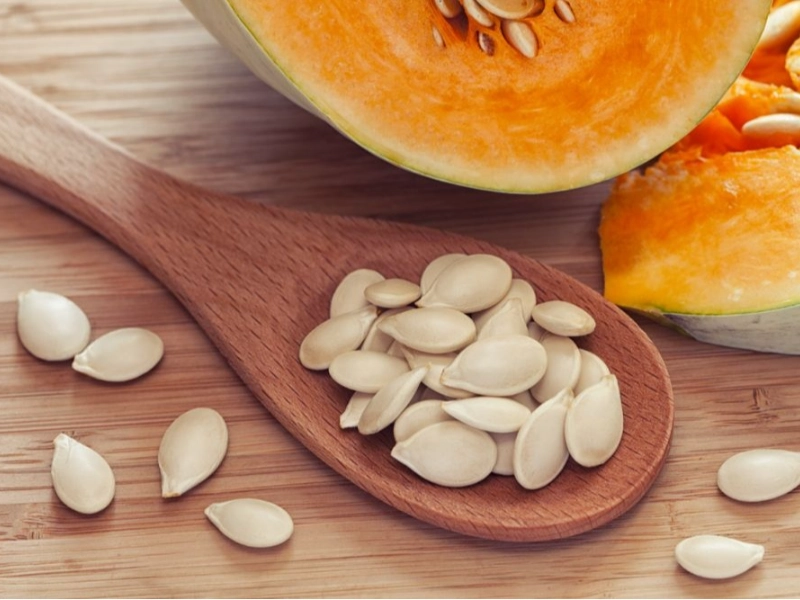
Pumpkin seeds, also known as pepitas, stand out as an excellent nut-free substitute for pine nuts, offering a unique combination of flavor, texture, and nutritional benefits. These flat, oval-shaped seeds, derived from pumpkins and other squash varieties, have gained popularity in recent years due to their versatility in culinary applications and their impressive nutritional profile. As a pine nut alternative, pumpkin seeds excel in a wide range of dishes, from savory to sweet, making them a valuable ingredient in both traditional and innovative recipes.
One of the primary advantages of using pumpkin seeds as a pine nut substitute is their versatility. These seeds can be used raw, roasted, salted, or unsalted, allowing for a variety of flavor profiles and textures to suit different culinary needs. In their raw form, pumpkin seeds have a very mild flavor and a somewhat chewy texture. This subtle taste makes them an excellent blank canvas for absorbing and complementing other flavors in a dish, similar to how pine nuts function in many recipes.
Roasting pumpkin seeds significantly transforms their flavor and texture, bringing out a warm, nutty, and savory taste that closely mimics the flavor profile of pine nuts. The roasting process also enhances the seeds’ natural crunchiness, making them an ideal substitute in recipes where texture is a key component. To roast pumpkin seeds, simply spread them on a baking sheet and toast in a preheated oven at 325°F (165°C) for about 45 minutes, stirring occasionally, until they turn golden brown and become fragrant.
Pumpkin seeds excel as a pine nut substitute in a variety of culinary applications, with pesto being one of the most notable. When used in pesto, pumpkin seeds provide a similar nutty flavor and creamy texture to pine nuts, while also contributing their unique nutritional benefits. However, it’s important to note that pumpkin seeds have a higher oil content than pine nuts, which may affect the consistency of the pesto. To account for this, it’s advisable to reduce the amount of olive oil called for in the recipe when using pumpkin seeds.
In salads, pumpkin seeds offer a delightful crunch and subtle nutty flavor that can enhance the overall taste and texture of the dish. They can be used whole or chopped, depending on the desired texture and presentation. Roasted pumpkin seeds are particularly effective in adding a savory element to salads, complementing both leafy greens and heartier vegetable combinations.
Baked goods also benefit from the inclusion of pumpkin seeds as a pine nut substitute. In bread recipes, pumpkin seeds can be incorporated into the dough or used as a topping, adding both flavor and visual appeal. Cookies, muffins, and granola bars can all be enhanced with the addition of pumpkin seeds, which provide a pleasant crunch and nutty taste without the use of tree nuts.
When using pumpkin seeds in place of pine nuts, it’s important to consider the appropriate substitution ratio. A general guideline is to use a 1:2 ratio of pumpkin seeds to pine nuts. This means that for every tablespoon of pine nuts called for in a recipe, one should use half a tablespoon of pumpkin seeds. This adjustment accounts for the differences in size and oil content between the two ingredients, ensuring that the overall balance of the dish is maintained.
From a nutritional standpoint, pumpkin seeds offer an impressive array of benefits that make them a valuable addition to a healthy diet. They are rich in essential nutrients, including protein, healthy fats, fiber, vitamins, and minerals. Pumpkin seeds are particularly high in magnesium, zinc, and iron, making them an excellent source of these important minerals. They also contain significant amounts of antioxidants, including vitamin E and carotenoids, which may contribute to their potential health-promoting properties.
Research has suggested that regular consumption of pumpkin seeds may have several health benefits, including improved heart health, better prostate and bladder function, and potential anti-inflammatory effects. The high zinc content of pumpkin seeds may also support immune function and skin health, while their magnesium content could contribute to better bone health and blood sugar regulation.
As a nut-free alternative, pumpkin seeds are particularly valuable for individuals with nut allergies or those following nut-free diets. They provide a safe and nutritious option for adding flavor, texture, and nutrients to a wide range of dishes without the risk of allergic reactions associated with tree nuts.
In conclusion, pumpkin seeds offer a versatile, nutrient-dense, and nut-free alternative to pine nuts that can enhance a wide range of culinary creations. Their ability to be used in both raw and roasted forms, combined with their unique flavor profile and impressive nutritional benefits, makes them an excellent choice for those looking to substitute pine nuts in their recipes. By understanding the proper substitution ratios and preparation methods, cooks can successfully incorporate pumpkin seeds into their dishes, potentially adding depth, texture, and nutritional value to their meals while catering to various dietary needs and preferences.
 zi ang