
6. Peanuts: A Versatile and Economical Pine Nut Alternative
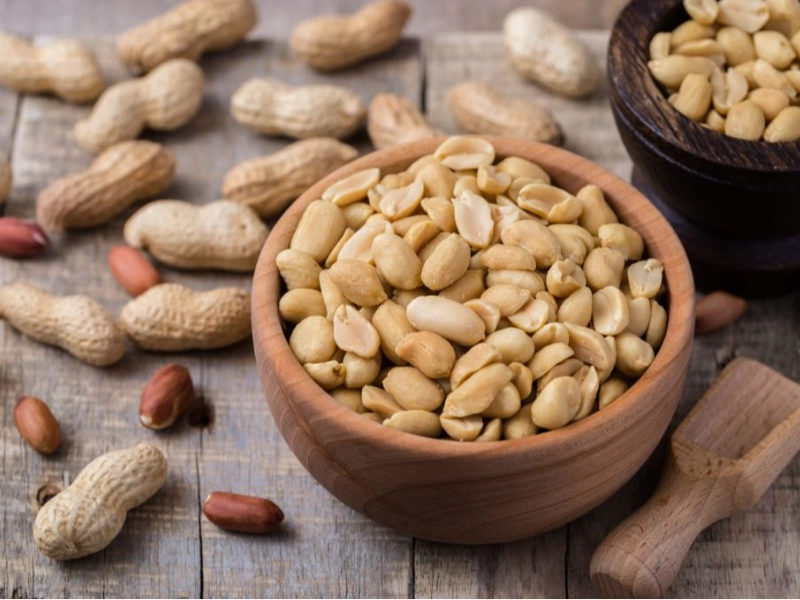
Peanuts, despite being legumes rather than true nuts, have emerged as a popular and accessible substitute for pine nuts in various culinary applications. Known for their smooth, buttery flavor and widespread availability, peanuts offer a cost-effective alternative that can be easily incorporated into a wide range of dishes. Their versatility and familiar taste profile make them an appealing option for those seeking to replace pine nuts in both savory and sweet recipes.
The flavor of peanuts is characterized by a rich, nutty taste with subtle sweet and salty notes. This flavor profile, while distinct from pine nuts, can complement many dishes in a similar way. The smooth, buttery quality of peanuts makes them particularly suitable for use in sauces, dressings, and baked goods, where they can provide a creamy texture and depth of flavor that enhances the overall taste of the dish.
One of the primary advantages of using peanuts as a pine nut substitute is their widespread availability and affordability. Peanuts are cultivated in many parts of the world and are often more readily accessible and less expensive than pine nuts. This makes them an attractive option for home cooks and professional chefs alike, particularly when working with budget constraints or in regions where pine nuts may be scarce or prohib. Peanuts can be used in both raw and toasted forms, each offering distinct advantages in different culinary applications. Raw peanuts provide a milder flavor and softer texture, which can be desirable in certain recipes, particularly in baked goods or when a subtle nutty taste is preferred. Toasting peanuts, on the other hand, enhances their flavor and aroma, bringing out a deeper, more complex taste profile that can add richness to a variety of dishes.
In salads, peanuts can serve as an excellent substitute for pine nuts, providing a satisfying crunch and nutty flavor that complements fresh greens and vegetables. Their robust texture makes them particularly suitable for use in Asian-inspired salads, where they can withstand the bold flavors of dressings and sauces while adding a pleasant textural contrast.
Stir-fries are another area where peanuts excel as a pine nut alternative. Their ability to maintain their crunch even when exposed to high heat makes them an ideal addition to these quick-cooked dishes. The nutty flavor of peanuts can enhance the overall taste profile of stir-fries, particularly in recipes that feature sweet and savory sauces.
In baked goods, peanuts can be used to replace pine nuts in a variety of recipes, including cookies, cakes, and bread. Their natural oils contribute to a moist texture in baked products, while their flavor adds depth and complexity to sweet treats. Peanut brittle, for example, offers a delicious alternative to pine nut brittle, providing a similar crunchy texture with a distinctive peanut flavor.
However, it’s worth noting that peanuts may not be the best substitute for pine nuts in all applications. For instance, when making pesto, it’s generally recommended to use other alternatives such as walnuts, almonds, or cashews, which can provide a flavor profile more similar to pine nuts. The strong, distinctive taste of peanuts can significantly alter the traditional flavor of pesto, potentially overpowering the other ingredients.
When substituting peanuts for pine nuts in recipes, it’s important to consider the appropriate ratio to ensure the best results. Due to their stronger flavor profile, a general guideline is to use a 1:2 ratio of peanuts to pine nuts. This means that for every tablespoon of pine nuts called for in a recipe, one should use half a tablespoon of peanuts. This adjustment helps to balance the more intense flavor of peanuts and prevents them from dominating the dish.
From a nutritional standpoint, peanuts offer several benefits that make them an attractive alternative to pine nuts. They are rich in protein, healthy fats, fiber, and various vitamins and minerals. Peanuts are particularly high in monounsaturated fats, which have been associated with heart health benefits. They also contain significant amounts of vitamin E, niacin, and manganese, as well as antioxidants such as resveratrol.
The nutritional profile of peanuts has been linked to various potential health benefits, including improved cardiovascular health, better blood sugar control, and potential weight management advantages. Their high protein and fiber content can contribute to feelings of fullness and satiety, making them a satisfying snack or ingredient in meals.
In conclusion, while peanuts may not be an exact match for the delicate flavor of pine nuts, they offer a versatile, economical, and nutritious alternative that can enhance a wide range of dishes. Their widespread availability, familiar taste, and nutritional benefits make them a valuable ingredient in both home cooking and professional culinary settings. By understanding the proper preparation methods and substitution ratios, cooks can successfully incorporate peanuts into their recipes, potentially adding flavor, texture, and nutritional value to their culinary creations.
 zi ang