
5. Pecans: A Sweet and Buttery Pine Nut Substitute
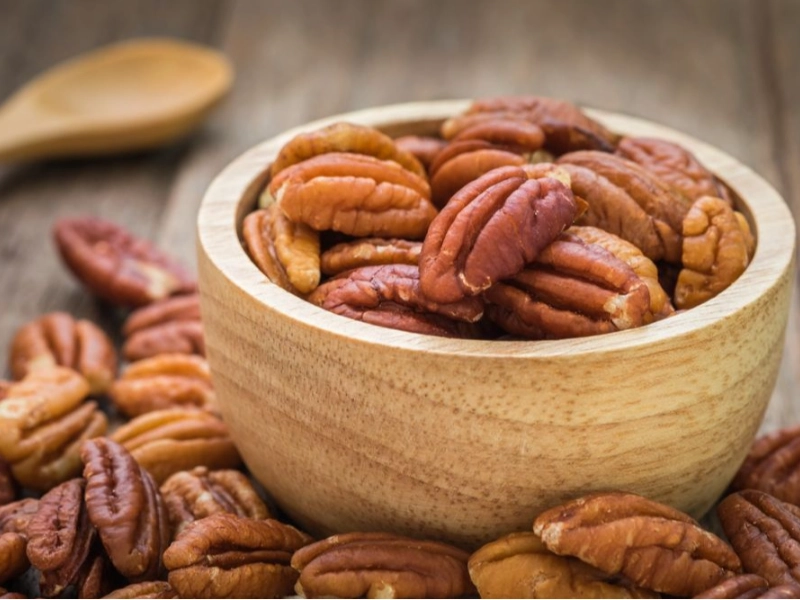
Pecans, native to North America, have gained recognition as an excellent substitute for pine nuts in various culinary applications. These rich, buttery nuts offer a unique combination of sweetness and texture that makes them a versatile alternative in both savory and sweet dishes. The distinctive flavor profile and nutritional benefits of pecans have contributed to their growing popularity as a pine nut replacement in modern cuisine.
One of the primary attributes that make pecans an outstanding substitute for pine nuts is their buttery consistency. This creamy texture closely mimics the mouthfeel of pine nuts, allowing pecans to seamlessly integrate into recipes that traditionally call for pine nuts. The natural sweetness of pecans adds another layer of complexity to dishes, often enhancing the overall flavor profile in a way that complements a wide range of ingredients.
Pecans excel in a variety of culinary applications, particularly in desserts and baked goods. Their rich, sweet flavor makes them an ideal choice for cookies, cakes, and pies, where they can replace pine nuts without significantly altering the intended taste of the recipe. In fact, the natural sweetness of pecans can often enhance the flavor of these desserts, adding depth and complexity to the overall taste experience.
Ice cream is another area where pecans shine as a pine nut substitute. Their buttery texture and sweet flavor complement the creamy base of ice cream, creating a delightful contrast in both taste and texture. Pecan brittle offers a satisfying crunch and rich flavor that rivals traditional pine nut versions, often becoming a favorite among those who enjoy nutty confections.
In savory applications, pecans can be used to great effect in dishes such as salads, where they provide a pleasant crunch and subtle sweetness that pairs well with a variety of greens and dressings. Tarts and bread recipes also benefit from the inclusion of pecans, which can add both texture and flavor to these baked goods. The versatility of pecans extends to snack bars and granola, where they can serve as a nutritious and flavorful alternative to pine nuts.
When using pecans as a substitute for pine nuts, it’s important to consider their higher oil content. Pecans naturally contain more oils than pine nuts, which can affect the texture and consistency of certain recipes. To account for this, it may be necessary to adjust the amount of additional fats or oils called for in the recipe. A general guideline is to use a 3:4 ratio of pecans to pine nuts, meaning that for every tablespoon of pine nuts called for in a recipe, one should use ¾ tablespoon of pecans.
Pecans can be used either raw or toasted, depending on the specific requirements of the recipe and personal preference. Raw pecans offer a milder flavor and softer texture, which can be desirable in certain applications, particularly in baked goods where a subtle nutty taste is preferred. However, toasting pecans before use can significantly enhance their flavor and aroma, bringing out their natural oils and creating a more complex taste profile. To toast pecans, spread them on a baking sheet and roast in a preheated oven at 350°F (175°C) for about 8-10 minutes, stirring occasionally, until they become fragrant and slightly darker in color.
The nutritional profile of pecans adds to their appeal as a pine nut substitute. They are rich in heart-healthy monounsaturated fats, particularly oleic acid, which has been associated with various health benefits. Pecans are also a good source of protein, fiber, and essential minerals such as manganese, copper, and zinc. Additionally, they contain significant amounts of antioxidants, including flavonoids and phenolic compounds, which may contribute to their potential health-promoting properties.
Research has suggested that regular consumption of pecans may have several health benefits, including improved cardiovascular health, better blood sugar control, and potential neuroprotective effects. The high antioxidant content of pecans may also contribute to their anti-inflammatory properties, making them a valuable addition to a balanced diet.
In conclusion, pecans offer a sweet and buttery alternative to pine nuts that can enhance a wide range of culinary creations. Their versatility in both sweet and savory applications, combined with their unique flavor profile and nutritional benefits, makes them an excellent choice for those looking to substitute pine nuts in their recipes. By understanding the proper substitution ratios and preparation methods, cooks can successfully incorporate pecans into their dishes, potentially adding depth, texture, and nutritional value to their meals while creating new and exciting flavor combinations.
 zi ang