
4. Walnuts: A Distinctive and Nutrient-Rich Pine Nut Alternative
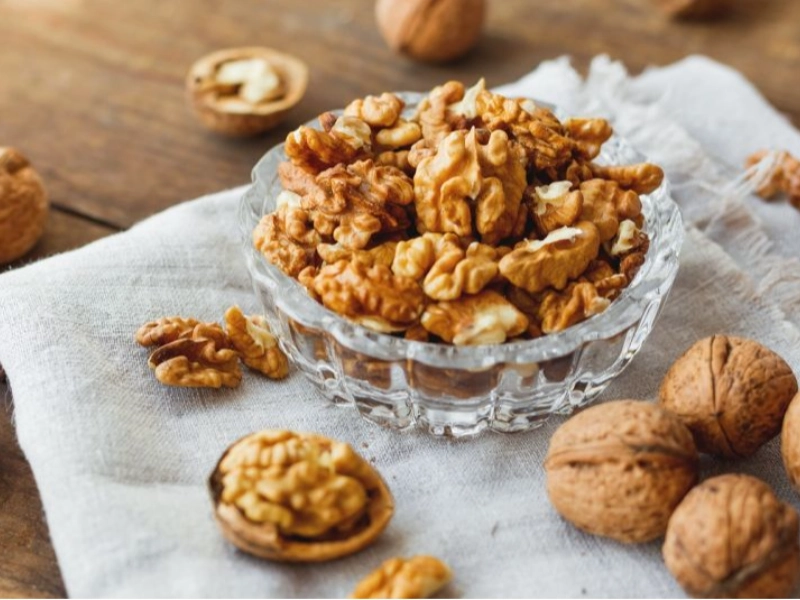
Walnuts, with their distinctive flavor profile and impressive nutritional benefits, have emerged as a compelling substitute for pine nuts in various culinary applications. Native to regions spanning from Southeast Europe to Japan, walnuts have been cultivated for thousands of years and have become an integral part of many cuisines worldwide. Their unique taste, texture, and versatility make them an interesting alternative to pine nuts, capable of adding depth and complexity to a wide range of dishes.
One of the most notable characteristics of walnuts as a pine nut substitute is their distinctive flavor profile. Unlike the subtle sweetness of pine nuts, walnuts possess a more robust, slightly bitter taste that sets them apart. This bitterness is primarily attributed to the brown skin that encases the nut, which contains tannins, naturally occurring compounds known for their astringent properties. Additionally, walnuts exhibit tangy and sharp notes that are not typically found in pine nuts, contributing to their unique flavor signature.
The pronounced flavor of walnuts can be both an advantage and a challenge when using them as a pine nut substitute. In dishes where a stronger nutty taste is desired, walnuts can add a depth of flavor that elevates the overall profile of the recipe. However, due to these flavor differences, it’s generally recommended to use walnuts in dishes where pine nuts are not the primary ingredient. This approach allows the walnuts to complement other flavors rather than dominate the dish.
Walnuts excel as a pine nut alternative in a variety of culinary applications, particularly in desserts, pasta dishes, and salads. In desserts, the rich, slightly bitter flavor of walnuts can provide an interesting contrast to sweet ingredients, adding complexity to cakes, cookies, and other baked goods. When incorporated into pasta dishes, chopped walnuts can offer a satisfying crunch and a nutty flavor that complements both cream-based and tomato-based sauces. In salads, walnuts provide not only a textural element but also a robust flavor that can stand up to strong dressings and bold ingredients.
To maximize the potential of walnuts as a pine nut substitute, proper preparation is key. Walnuts can be used either raw or toasted, each method offering distinct advantages. Raw walnuts maintain their full nutritional profile and provide a milder flavor, which can be desirable in certain recipes. To create a taste and texture closer to that of pine nuts when using raw walnuts, it’s recommended to soak them overnight and remove the skin. This process not only softens the walnuts but also reduces their bitterness, making them more palatable and versatile in various dishes.
Toasting walnuts, on the other hand, can significantly enhance their flavor and aroma. The heat brings out the natural oils in the nuts, intensifying their nutty taste and creating a more complex flavor profile. Toasted walnuts can add depth to both savory and sweet dishes, making them particularly suitable for use in salads, pasta, and baked goods. To toast walnuts, simply spread them on a baking sheet and roast in a preheated oven at 350°F (175°C) for about 8-10 minutes, stirring occasionally, until they become fragrant and slightly darker in color.
When substituting walnuts for pine nuts in recipes, it’s important to consider the appropriate ratio to ensure the best results. Due to their stronger flavor profile, a general guideline is to use a 1:2 ratio of walnuts to pine nuts. This means that for every tablespoon of pine nuts called for in a recipe, one should use half a tablespoon of walnuts. This adjustment helps to balance the more intense flavor of walnuts and prevents them from overpowering other ingredients in the dish.
From a nutritional standpoint, walnuts offer significant benefits that make them an attractive alternative to pine nuts. They are rich in omega-3 fatty acids, particularly alpha-linolenic acid (ALA), which is essential for heart health and brain function. Walnuts also contain high levels of antioxidants, including polyphenols and vitamin E, which can help protect against oxidative stress and inflammation. Additionally, they are a good source of protein, fiber, and minerals such as magnesium, phosphorus, and copper.
The unique nutritional profile of walnuts has been associated with various health benefits, including improved cardiovascular health, better cognitive function, and potential anti-inflammatory effects. These health-promoting properties make walnuts not just a culinary substitute but also a nutritious addition to a balanced diet.
In conclusion, while walnuts may not be an exact match for the subtle flavor of pine nuts, they offer a distinctive and nutrient-rich alternative that can enhance a wide range of dishes. Their robust flavor, versatility, and impressive nutritional profile make them a valuable ingredient in both savory and sweet applications. By understanding the proper preparation methods and substitution ratios, cooks can successfully incorporate walnuts into their culinary creations, potentially adding depth, texture, and nutritional value to their meals.
 zi ang