
3. Hazelnuts: A Flavorful and Aromatic Pine Nut Alternative
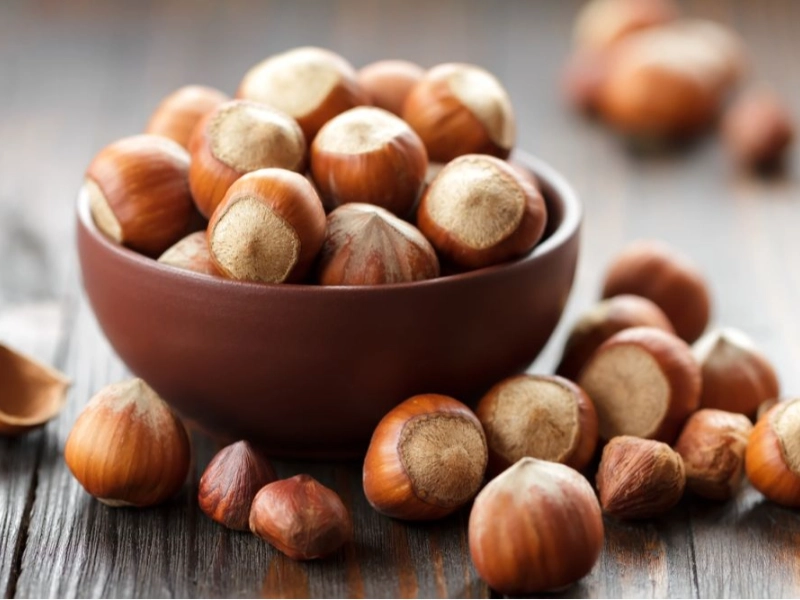
Hazelnuts, also known as filberts, have emerged as an excellent substitute for pine nuts in various culinary applications, offering a unique combination of sweet taste and robust flavor that can elevate a wide range of dishes. Native to Europe and parts of Asia, hazelnuts have been cultivated for thousands of years and have become an integral part of many cuisines, particularly in Mediterranean and Italian cooking. Their distinctive taste profile and versatile nature make them a compelling alternative to pine nuts in both savory and sweet recipes.
One of the primary attributes that make hazelnuts an outstanding substitute for pine nuts is their sweet taste. While hazelnuts have a more pronounced flavor compared to the subtle sweetness of pine nuts, this intensity can be advantageous in many recipes, adding depth and complexity to dishes. The natural sweetness of hazelnuts complements a variety of ingredients, making them suitable for use in both savory and dessert preparations. This versatility allows cooks to experiment with hazelnuts in recipes that traditionally call for pine nuts, often resulting in exciting and flavorful variations of classic dishes.
The aroma of hazelnuts is another factor that contributes to their success as a pine nut alternative. When toasted, hazelnuts release a rich, nutty fragrance that can enhance the overall sensory experience of a dish. This aromatic quality is particularly beneficial in recipes where the nuts play a prominent role, such as in pestos, salads, or baked goods. The toasting process not only intensifies the flavor of hazelnuts but also brings out their natural oils, resulting in a more complex taste profile that can add depth to various culinary creations.
In Mediterranean and Italian cuisine, hazelnuts have long been a staple ingredient, making them a natural choice for dishes that traditionally incorporate pine nuts. Their prevalence in these culinary traditions means that hazelnuts can seamlessly integrate into recipes without significantly altering the authentic flavor profiles of regional specialties. This makes hazelnuts an ideal substitute in dishes such as pesto alla Genovese, where pine nuts are a key component. The rich, sweet flavor of hazelnuts can complement the basil and Parmesan cheese in pesto, creating a delicious variation on the classic sauce.
The versatility of hazelnuts extends beyond savory applications to encompass a wide range of desserts and baked goods. In cheesecakes, hazelnuts can be used in the crust or as a topping, providing a delightful crunch and nutty flavor that pairs well with the creamy texture of the cheese filling. Pasta dishes benefit from the addition of chopped hazelnuts, which can add texture and a rich, nutty taste to both cream-based and tomato-based sauces. In brittle, hazelnuts create a satisfying crunch and deep flavor that rivals traditional pine nut versions.
Cakes and brownies made with hazelnuts offer a luxurious twist on classic recipes, with the nuts adding both texture and a complex flavor profile. Cookies, particularly biscotti, are another area where hazelnuts excel as a pine nut substitute. The robust flavor of hazelnuts complements the crisp texture of biscotti, creating a delightful accompaniment to coffee or tea. In quiches and tarts, chopped hazelnuts can be incorporated into the filling or used as a topping, adding a pleasant crunch and nutty flavor that enhances the overall taste of the dish.
Soups can also benefit from the addition of hazelnuts, either as a garnish or blended into the base for a creamy, nutty flavor. The rich taste of hazelnuts can add depth to pureed vegetable soups or provide a textural contrast when used as a crunchy topping. In stuffings for poultry or vegetables, chopped hazelnuts offer a flavorful alternative to pine nuts, contributing both taste and texture to the dish.
When using hazelnuts as a substitute for pine nuts, it’s important to consider the appropriate ratio to ensure the best results. Due to their stronger flavor profile, a general guideline is to use a 1:2 ratio of hazelnuts to pine nuts. This means that for every tablespoon of pine nuts called for in a recipe, one should use half a tablespoon of hazelnuts. This adjustment helps to balance the more intense flavor of hazelnuts and prevents them from overpowering other ingredients in the dish.
Hazelnuts can be used either raw or toasted, depending on the specific requirements of the recipe and personal preference. Raw hazelnuts offer a milder flavor and slightly softer texture, which can be desirable in certain applications. However, toasting hazelnuts before use can significantly enhance their flavor and aroma, bringing out their nutty qualities and creating a more complex taste profile. To toast hazelnuts, simply spread them on a baking sheet and roast in a preheated oven at 350°F (175°C) for about 10-15 minutes, stirring occasionally, until they become fragrant and their skins begin to crack.
From a nutritional standpoint, hazelnuts offer several benefits that make them an attractive alternative to pine nuts. They are rich in heart-healthy monounsaturated fats, protein, fiber, vitamin E, and minerals such as magnesium and potassium. Hazelnuts also contain significant amounts of antioxidants, particularly in their skin, which can contribute to overall health and well-being when consumed as part of a balanced diet.
In conclusion, hazelnuts stand out as a flavorful and aromatic substitute for pine nuts in a wide range of culinary applications. Their sweet taste, robust flavor, and versatility make them an excellent choice for both savory and sweet dishes. Whether used raw or toasted, hazelnuts can add depth, texture, and nutritional value to recipes, often creating exciting variations on traditional dishes. By understanding the proper substitution ratios and preparation methods, cooks can successfully incorporate hazelnuts into their culinary creations, potentially enhancing both the flavor and nutritional profile of their meals.
 zi ang