
2. Almonds: A Nutritious and Flavorful Pine Nut Replacement
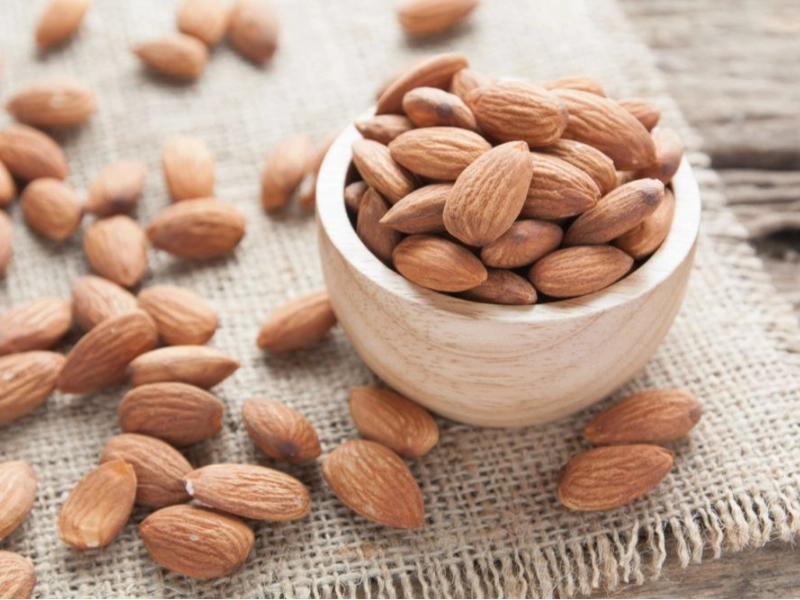
Almonds have long been celebrated for their nutritional value and versatility in culinary applications, making them an excellent substitute for pine nuts in various recipes. These oval-shaped nuts, native to the Middle East but now cultivated worldwide, offer a unique combination of buttery texture and sweet taste that closely resembles the qualities of pine nuts. The popularity of almonds as a pine nut alternative has grown significantly in recent years, driven by their wide availability, nutritional benefits, and adaptability in both sweet and savory dishes.
One of the key advantages of using almonds as a substitute for pine nuts is their similar texture profile. Almonds possess a firm yet creamy consistency that, when properly prepared, can closely mimic the texture of pine nuts in various dishes. This textural similarity allows almonds to seamlessly integrate into recipes that traditionally call for pine nuts, maintaining the desired mouthfeel and overall eating experience. The natural sweetness of almonds also contributes to their success as a pine nut replacement, as it complements a wide range of flavors in both savory and sweet applications.
When considering almonds as a pine nut substitute, it’s important to note that they can be used in either raw or toasted form, each offering distinct characteristics. Raw almonds provide a milder flavor compared to pine nuts, which can be advantageous in recipes where a subtle nutty taste is desired. To enhance the flavor of raw almonds and bring them closer to the taste profile of pine nuts, it is recommended to soak them overnight and remove the skin. This process not only softens the almonds, making their texture more similar to pine nuts, but also enhances their buttery quality and improves digestibility.
Toasted almonds, on the other hand, offer a more pronounced flavor that can be particularly beneficial in dishes where a stronger nutty taste is desired. The toasting process brings out the natural oils in almonds, intensifying their flavor and aroma. However, it’s worth noting that while toasting enhances taste, it can also reduce some of the nutritional benefits of raw almonds. Additionally, toasting at high temperatures (over 265°F or 130°C) can lead to the formation of acrylamide, a compound classified as a probable human carcinogen. Therefore, when opting for toasted almonds, it’s advisable to use moderate temperatures and shorter toasting times to minimize the formation of potentially harmful compounds while still enhancing flavor.
The versatility of almonds as a pine nut substitute is evident in the wide range of dishes in which they can be successfully employed. In savory applications, almonds excel in pesto recipes, providing a rich, nutty base that closely mimics the traditional pine nut version. They also serve as an excellent crunchy topping for salads and pasta dishes, adding texture and flavor that complements other ingredients. In baked goods, almonds can be incorporated into cookies, crackers, and granola, offering a delightful crunch and subtle sweetness that enhances the overall flavor profile.
Almonds also shine in sweet applications, making them a versatile substitute in dessert recipes that typically call for pine nuts. They can be used in the preparation of brittle, providing a satisfying crunch and rich flavor. Almond butter serves as an excellent alternative to pine nut butter in various recipes, offering a creamy texture and nutty taste. In cakes, quiches, and ice creams, chopped or ground almonds can replace pine nuts, contributing to both texture and flavor. Brownies and snack bars benefit from the addition of almonds, which provide a pleasant crunch and nutritional boost.
When substituting almonds for pine nuts in recipes, a 1:1 ratio is generally recommended. This means that for every tablespoon of pine nuts called for in a recipe, one tablespoon of almonds can be used. However, it’s important to consider the specific requirements of each recipe and adjust the quantity as needed to achieve the desired flavor and texture.
From a nutritional standpoint, almonds offer significant benefits that make them an attractive alternative to pine nuts. They are rich in healthy monounsaturated fats, protein, fiber, vitamin E, and minerals such as magnesium and potassium. Regular consumption of almonds has been associated with various health benefits, including improved heart health, better blood sugar control, and potential weight management advantages. These nutritional attributes make almonds not just a culinary substitute but also a health-conscious choice for those looking to enhance the nutritional profile of their meals.
In conclusion, almonds stand out as a highly effective and nutritious substitute for pine nuts across a wide range of culinary applications. Their versatility, combined with their similar texture and flavor profile to pine nuts, makes them an excellent choice for both savory and sweet dishes. Whether used raw or toasted, almonds can be easily incorporated into recipes, offering a delightful nutty flavor and satisfying texture. By understanding the proper preparation methods and substitution ratios, cooks can successfully use almonds to replace pine nuts, potentially enhancing both the flavor and nutritional value of their culinary creations.
 zi ang