
12. Edamame Beans: A Nutritious and Versatile Pine Nut Alternative
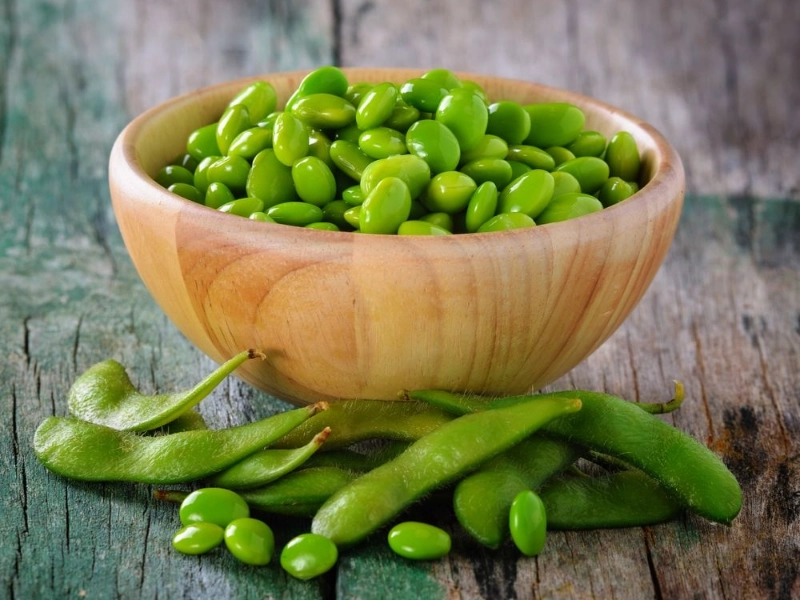
Edamame beans, the immature soybeans harvested before the beans have hardened, have gained popularity in recent years as a nutritious snack and versatile ingredient in various cuisines. As a substitute for pine nuts, edamame beans offer a unique combination of nutty flavor, subtle sweetness, and a satisfying texture that can enhance a wide range of dishes. This green legume, traditionally associated with Japanese cuisine, has found its way into kitchens worldwide, offering a fresh and healthy alternative to traditional nuts in many recipes.
The flavor profile of edamame beans is characterized by a mild, slightly sweet taste with a subtle nutty undertone. This flavor combination makes them an excellent substitute for pine nuts in many applications, as they can provide a similar depth of flavor without overpowering other ingredients in a dish. The texture of edamame beans is another key factor in their suitability as a pine nut alternative. When cooked, they offer a tender yet firm consistency that can add a pleasant bite to salads, pasta dishes, and other recipes where pine nuts are typically used.
From a nutritional standpoint, edamame beans are a powerhouse of essential nutrients, making them not just a flavorful substitute but also a health-conscious choice. They are an excellent source of plant-based protein, containing all nine essential amino acids, which is particularly valuable for vegetarians and vegans. Edamame beans are also rich in fiber, which aids in digestion and promotes a feeling of fullness. Additionally, they are packed with vitamins and minerals, including vitamin K, folate, and manganese, contributing to overall health and well-being.
The versatility of edamame beans in culinary applications is truly remarkable. While they are often enjoyed as a simple snack when steamed and lightly salted, their potential as a pine nut substitute extends far beyond this traditional preparation. In salads, edamame beans can add a pop of color, a boost of protein, and a pleasant texture contrast. When incorporated into baked goods, such as breads or muffins, they can provide moisture and a subtle nutty flavor, similar to the role pine nuts might play in such recipes.
One of the most interesting applications of edamame beans as a pine nut substitute is in pesto. While traditional pesto recipes call for pine nuts, using edamame beans can create a unique and nutritious variation. The mild flavor of edamame allows the basil and garlic to shine through, while its creamy texture when blended contributes to the smooth consistency characteristic of a good pesto. This edamame pesto can be used in the same way as traditional pesto – tossed with pasta, spread on sandwiches, or used as a dip for vegetables.
When substituting edamame beans for pine nuts in recipes, a 1:1 ratio is generally recommended. This means that for every tablespoon of pine nuts called for in a recipe, an equal amount of edamame beans can be used. However, it’s important to note that the texture and moisture content of edamame beans differ from pine nuts, so some adjustments may be necessary depending on the specific recipe. For instance, in baked goods, you might need to reduce the liquid content slightly to account for the moisture in the edamame beans.
Preparation of edamame beans for use as a pine nut substitute is relatively simple. For most applications, the beans should be cooked before use. The most common method is to boil or steam the pods for a few minutes until the beans are tender but still firm. Once cooked, the beans can be easily removed from the pods. For use in recipes, the outer skin can be left on or removed, depending on personal preference and the specific dish. Some recipes may call for roasted edamame, which can be achieved by tossing the cooked beans with a little oil and roasting them in the oven until they’re lightly browned and crispy.
Beyond their use as a direct substitute for pine nuts, edamame beans offer numerous additional culinary applications that can expand one’s cooking repertoire. They can be pureed to create a creamy base for dips or spreads, similar to hummus. Edamame can also be incorporated into grain bowls, stir-fries, or used as a topping for soups and stews. Their vibrant green color makes them an attractive addition to many dishes, adding visual appeal as well as nutritional value.
It’s worth noting that while edamame beans are generally well-tolerated by most people, they are a soy product and may not be suitable for individuals with soy allergies or those following certain dietary restrictions. Additionally, as with any soy product, it’s advisable to choose organic edamame when possible to avoid genetically modified organisms (GMOs), which are common in soy crops.
The growing popularity of edamame beans as a versatile ingredient has led to increased availability in many grocery stores. They can typically be found in the frozen vegetable section, either in their pods or already shelled. This convenience factor makes them an accessible option for home cooks looking to experiment with new ingredients or find healthier alternatives to traditional nuts.
In conclusion, edamame beans stand out as a nutritious, versatile, and flavorful alternative to pine nuts. Their mild, nutty taste and satisfying texture make them suitable for a wide range of culinary applications, from salads and pestos to baked goods and beyond. The impressive nutritional profile of edamame beans, including their high protein and fiber content, adds an extra layer of appeal for health-conscious consumers. As more people discover the potential of edamame beans in cooking, it’s likely that we’ll see even more creative uses for this versatile legume in both traditional and innovative recipes. Whether used as a direct substitute for pine nuts or as a unique ingredient in their own right, edamame beans offer a world of culinary possibilities that can enhance both the flavor and nutritional value of a wide range of dishes.
 zi ang