
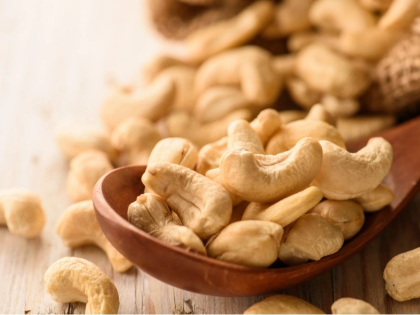
1. Cashew Nuts: A Versatile Pine Nut Alternative
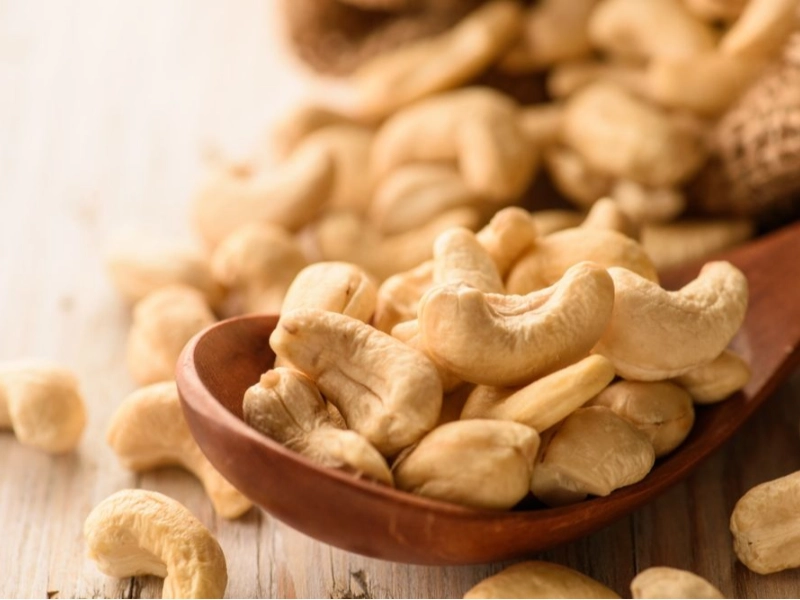
Cashew nuts have emerged as an excellent substitute for pine nuts, offering a remarkable similarity in both texture and flavor profile. These kidney-shaped nuts, native to Brazil but now cultivated in various tropical regions, have gained popularity due to their versatility and nutritional benefits. The subtle sweetness and creamy texture of cashews make them an ideal replacement for pine nuts in a wide array of culinary applications.
One of the primary reasons cashew nuts excel as a pine nut substitute is their comparable texture. Both nuts possess a soft, buttery consistency that adds a delightful mouthfeel to dishes. This similarity allows cashews to seamlessly integrate into recipes that traditionally call for pine nuts without significantly altering the overall texture of the dish. Moreover, the pale color of cashews closely resembles that of pine nuts, ensuring that the visual appeal of the final product remains largely unchanged.
The flavor profile of cashew nuts is another factor that contributes to their success as a pine nut alternative. While cashews have a distinct taste, they share a subtle sweetness with pine nuts that enhances the flavors of various dishes. This characteristic makes cashews particularly suitable for both savory and sweet applications, mirroring the versatility of pine nuts in culinary creations.
To maximize the flavor potential of cashew nuts when using them as a pine nut substitute, it is recommended to chop and toast them before incorporation into recipes. This process not only enhances their natural nuttiness but also brings out a deeper, more complex flavor that closely mimics the richness of pine nuts. The size of the chopped cashews can be adjusted based on the specific requirements of the dish. For instance, when preparing pasta dishes or salads, it is advisable to chop the cashews into half-inch pieces to ensure even distribution and a pleasant textural contrast.
When substituting cashew nuts for pine nuts in recipes, it is important to consider the appropriate ratio. A general guideline is to use a 3:2 ratio of cashews to pine nuts. This means that for every tablespoon of pine nuts called for in a recipe, one should use 1 ½ tablespoons of cashew nuts. This adjustment accounts for the slight differences in size and density between the two nuts, ensuring that the overall balance of the dish is maintained.
Cashew nuts can be successfully employed in a wide range of dishes that traditionally feature pine nuts. They excel in pasta preparations, adding a creamy texture and subtle nutty flavor to sauces and pestos. In salads, cashews provide a satisfying crunch and richness that complements fresh greens and vegetables. When used in chicken dishes, they offer a delightful textural contrast and contribute to a more complex flavor profile. Vegetable-based recipes also benefit from the addition of cashews, which can add depth and nutritional value to the dish.
In the realm of desserts, cashew nuts prove to be equally versatile. They can be incorporated into cheesecakes, lending a creamy texture and subtle sweetness that enhances the overall flavor. Cookies made with cashews instead of pine nuts offer a delightful twist on traditional recipes, providing a unique taste and texture. Brittle made with cashews creates a satisfying crunch and rich flavor that rivals traditional pine nut versions.
It is worth noting that cashew nuts not only serve as an excellent culinary substitute for pine nuts but also offer significant nutritional benefits. They are rich in heart-healthy monounsaturated fats, protein, and essential minerals such as copper, magnesium, and manganese. This nutritional profile makes cashews a valuable addition to a balanced diet, offering health benefits alongside their culinary versatility.
In conclusion, cashew nuts stand out as a superior alternative to pine nuts in a wide range of culinary applications. Their similar texture, subtle sweetness, and versatility make them an ideal substitute in both savory and sweet dishes. By following the recommended preparation methods and substitution ratios, cooks can successfully incorporate cashews into their recipes, achieving results that closely mimic the taste and texture of pine nuts while potentially adding unique flavors and nutritional benefits to their culinary creations.
 zi ang