
1. Jwaneng Diamond Mine (Botswana)
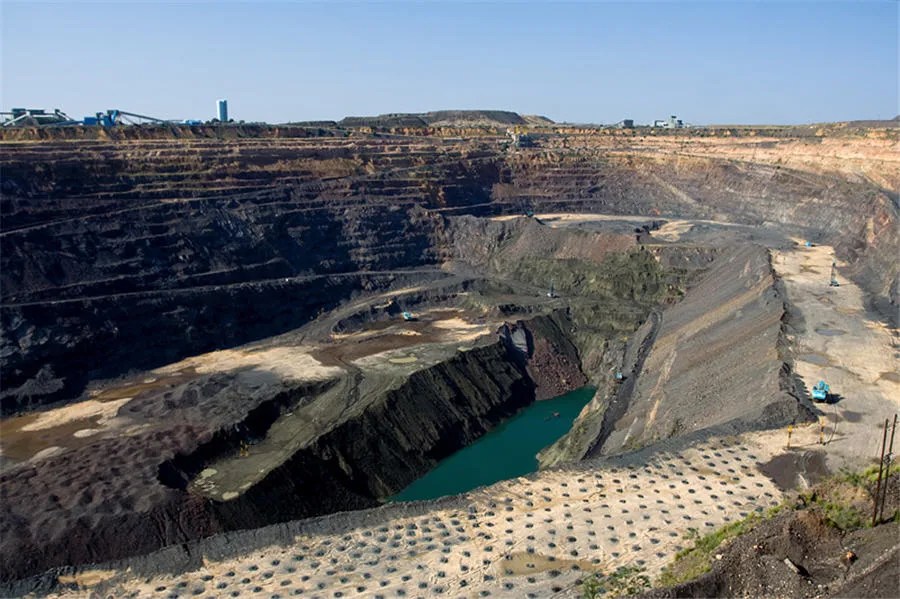
The Jwaneng Diamond Mine, often referred to as the “Prince of Mines,” is a crown jewel in Botswana’s diamond industry and one of the world’s most valuable diamond mines. Located in south-central Botswana, approximately 160 kilometers west of the capital city Gaborone, Jwaneng has been in operation since 1982. The mine is operated by Debswana, a unique 50/50 joint venture between the De Beers Group and the Government of Botswana, exemplifying a successful partnership between a private corporation and a national government.
Jwaneng’s significance in the global diamond market cannot be overstated. Despite being the youngest of Debswana’s four mines, it is by far the richest, contributing about 70% of Debswana’s total revenue. The mine produces high-quality diamonds, with a remarkable average of 1.3 carats per ton of ore, significantly higher than most diamond mines worldwide. This exceptional yield has earned Jwaneng the reputation of being the world’s richest diamond mine by value.
The impact of Jwaneng on Botswana’s economy is profound. Diamond mining, with Jwaneng at its heart, has transformed Botswana from one of the poorest countries in Africa at independence in 1966 to an upper-middle-income country. The revenue generated from Jwaneng has funded significant infrastructure development, education initiatives, and healthcare programs across the nation.
Environmentally, Jwaneng has implemented various sustainability measures. The mine operates a game park that serves as a haven for local wildlife, demonstrating a commitment to biodiversity conservation. Additionally, Debswana has invested in water recycling systems and renewable energy projects to minimize the environmental impact of its operations.
The future of Jwaneng looks promising with the Cut-9 project, a $2 billion expansion initiative that aims to extend the life of the mine until 2035. This project involves pushing back one of the pit walls and deepening the mine from 400 to 650 meters, potentially yielding an additional 50 million carats of diamonds. Such expansion not only secures the mine’s future but also continues to support Botswana’s economic growth and development for years to come.
2. Orapa Diamond Mine (Botswana)
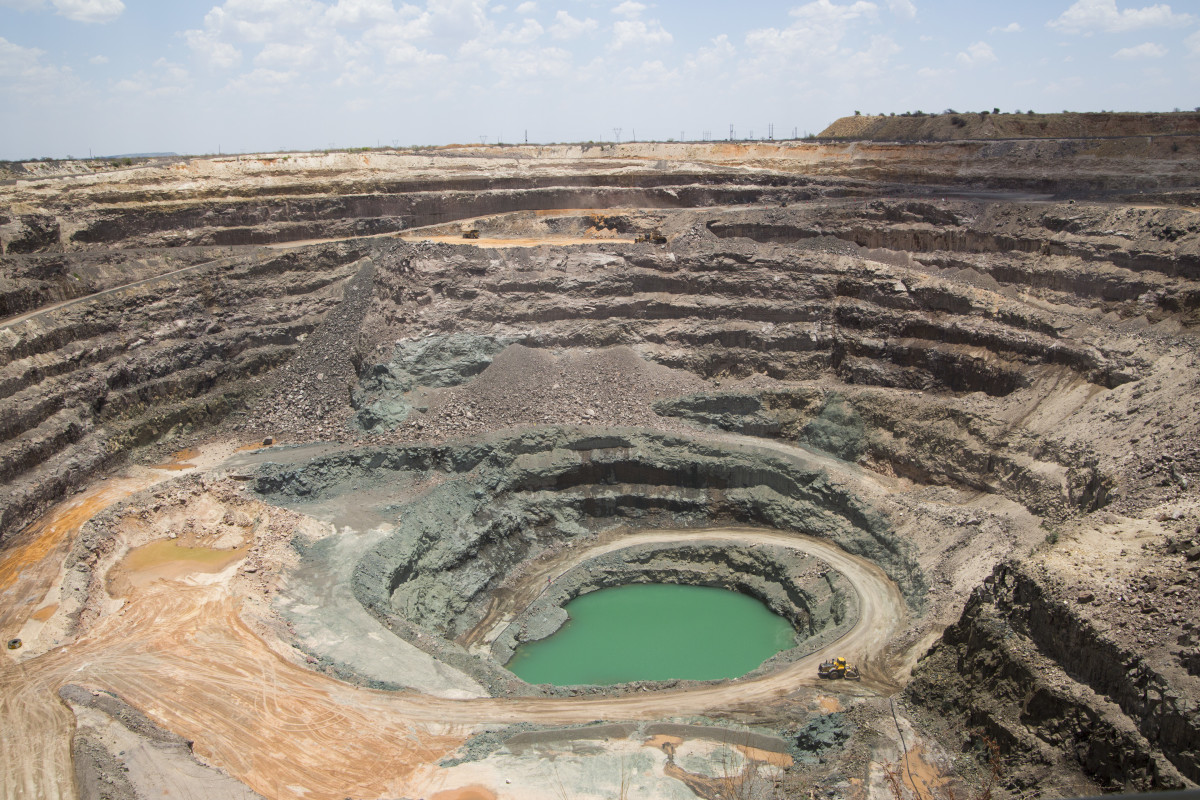
The Orapa Diamond Mine, whose name means “resting place of lions” in Setswana, is another cornerstone of Botswana’s diamond industry. Located in east-central Botswana, about 240 kilometers west of Francistown, Orapa is the world’s largest diamond mine by area. Like Jwaneng, it is operated by Debswana, the joint venture between De Beers and the Botswana government.
Orapa’s history dates back to 1967 when a team of De Beers geologists discovered the kimberlite pipe that would become the mine. Production began in 1971, making Orapa Debswana’s oldest operating mine. The mine’s open-pit operation is vast, covering 118 hectares and reaching a depth of nearly 250 meters. This expansive operation allows for the annual processing of approximately 12 million tons of ore, yielding over 11 million carats of diamonds.
The significance of Orapa extends far beyond its impressive production figures. As part of Debswana’s operations, Orapa plays a crucial role in Botswana’s economy. The diamond industry, powered by mines like Orapa and Jwaneng, contributes to about one-third of Botswana’s GDP and 80% of its export earnings. This economic contribution has been instrumental in funding the country’s development, including improvements in education, healthcare, and infrastructure.
Orapa’s impact on local communities is substantial. The mine has spurred the development of the Orapa township, which has grown into a thriving community with modern amenities. Debswana provides housing, schools, and a hospital that serves both mine employees and the wider community. This approach to community development has set a standard for corporate social responsibility in the mining industry.
Environmental stewardship is also a key focus at Orapa. The mine operates the Orapa Game Park, a 48,000-hectare wildlife reserve that protects various species, including rhinos, giraffes, and numerous bird species. This initiative demonstrates the mine’s commitment to biodiversity conservation alongside its mining operations.
Looking to the future, Orapa continues to invest in technological advancements to improve efficiency and sustainability. The implementation of automated drilling systems and advanced ore sorting technologies aims to reduce energy consumption and increase diamond recovery rates. These innovations not only enhance the mine’s productivity but also contribute to its long-term sustainability, ensuring that Orapa remains a vital asset in Botswana’s diamond industry for years to come.
3. Venetia Diamond Mine (South Africa)
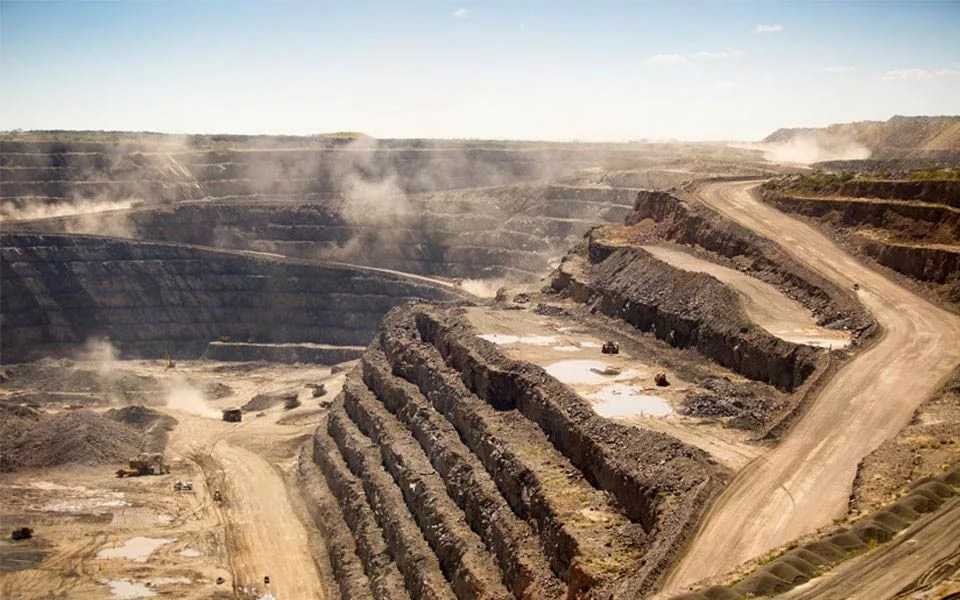
The Venetia Diamond Mine, located in the Limpopo Province of South Africa, stands as a testament to the country’s enduring legacy in the global diamond industry. Situated approximately 80 kilometers from Musina, near the Zimbabwe border, Venetia is South Africa’s largest diamond mine and one of the most significant in the world. Owned and operated by De Beers Consolidated Mines, a subsidiary of Anglo American, Venetia has been a cornerstone of South African diamond production since its opening in 1992.
Venetia’s importance to South Africa’s diamond industry cannot be overstated. The mine accounts for about 40% of the country’s annual diamond production, making it a crucial contributor to the national economy. Its high-quality diamonds, known for their exceptional clarity and color, have helped maintain South Africa’s position as a leading player in the global diamond market.
The mine’s operations are impressive in scale. Initially an open-pit mine, Venetia processes about 5.5 million tons of ore annually, yielding approximately 4 million carats of diamonds. The open-pit operation has reached a depth of 450 meters, but the future of Venetia lies underground. In 2013, De Beers embarked on an ambitious $2 billion project to transition Venetia from an open-pit to an underground mine. This transformation, set to be completed in 2023, will extend the mine’s life until 2046, securing its role in South Africa’s diamond industry for decades to come.
Venetia’s impact extends far beyond its economic contributions. The mine has been instrumental in the development of the local area, providing employment and driving infrastructure improvements. De Beers has implemented numerous community development initiatives, including education programs, healthcare services, and small business development schemes. These efforts have significantly improved the quality of life in surrounding communities, demonstrating the positive impact that responsible mining can have on local populations.
Environmental sustainability is a key focus at Venetia. The mine has implemented comprehensive water management systems to minimize its impact on local water resources, a critical consideration in the water-scarce Limpopo region. Additionally, Venetia operates a game farm and nature reserve, contributing to biodiversity conservation in the area.
The transition to underground mining at Venetia represents not just a technical challenge but also an opportunity for innovation in the diamond mining industry. The underground operation will employ cutting-edge technologies, including autonomous vehicles and advanced ventilation systems, setting new standards for efficiency and safety in underground mining.
As Venetia moves into this new phase of its operations, it continues to play a crucial role in South Africa’s diamond industry and the global diamond market. The mine’s longevity and success underscore the enduring importance of diamond mining to South Africa’s economy and highlight the country’s ongoing significance in the world of precious gems.
4. Catoca Diamond Mine (Angola)
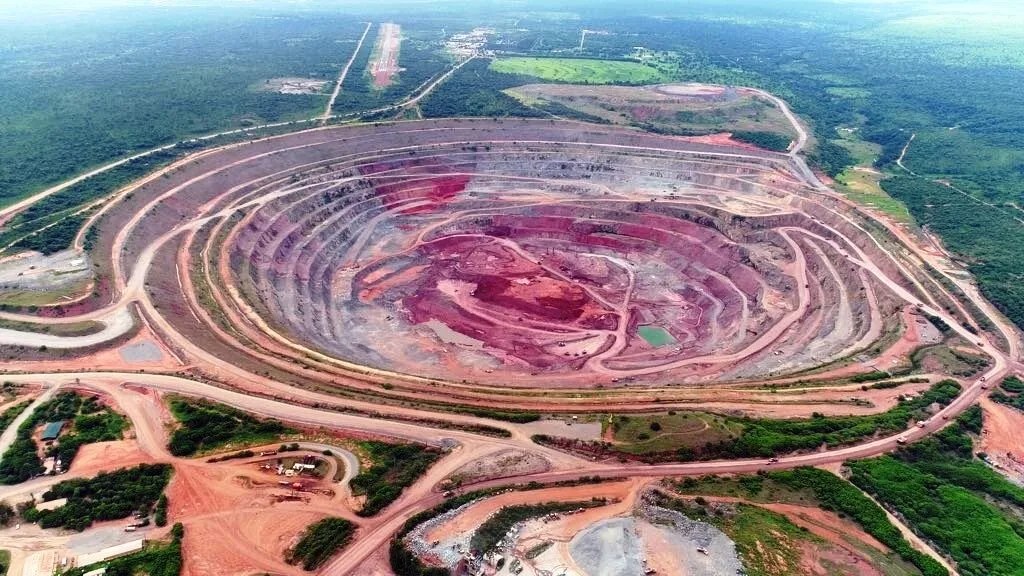
The Catoca Diamond Mine, situated in the Lunda Sul Province of Angola, stands as a beacon of Angola’s resurgent diamond industry and a symbol of the country’s economic potential. Located approximately 840 kilometers east of the capital Luanda, Catoca is the fourth largest diamond mine in the world and the largest in Angola. The mine is operated by Sociedade Mineira de Catoca, a joint venture involving several companies, including Angola’s state diamond company Endiama and Russia’s Alrosa, the world’s largest diamond producer by volume.
Catoca’s history is intertwined with Angola’s tumultuous past and its journey towards peace and economic development. The kimberlite pipe that forms the basis of the mine was discovered in 1965, but the Angolan Civil War delayed its development until the 1990s. Commercial production finally began in 1997, marking a new era for Angola’s diamond industry.
The scale of operations at Catoca is impressive. The mine processes approximately 10 million tons of ore annually, producing around 6.5 million carats of diamonds. This output accounts for about 75% of Angola’s total diamond production, making Catoca a cornerstone of the country’s mining sector. The diamonds from Catoca are primarily industrial-grade, but the sheer volume of production makes it a significant player in the global diamond market.
Catoca’s impact on Angola’s economy is substantial. The diamond industry, with Catoca at its heart, is the country’s second-largest export earner after oil, contributing significantly to foreign exchange earnings and government revenues. The mine’s success has played a crucial role in diversifying Angola’s economy, reducing its dependence on oil exports and providing a stable source of income for the country.
The social impact of Catoca extends far beyond its economic contributions. The mine has been instrumental in developing the local area, transforming what was once a remote region into a thriving community. Sociedade Mineira de Catoca has invested heavily in social infrastructure, building schools, hospitals, and housing for its employees and the local population. These initiatives have significantly improved living standards in the region and serve as a model for corporate social responsibility in the mining sector.
Environmental management is a key focus at Catoca. The mine has implemented comprehensive environmental monitoring programs and rehabilitation initiatives to mitigate its impact on the local ecosystem. These efforts include reforestation projects and water management systems designed to protect the region’s biodiversity and water resources.
Looking to the future, Catoca continues to invest in exploration and technological innovation. The mine is exploring the potential of neighboring kimberlite pipes, which could further extend its productive life. Additionally, Catoca is at the forefront of adopting new technologies in diamond mining, including advanced sorting techniques and automated systems, which promise to increase efficiency and reduce environmental impact.
As Angola continues to emerge as a major player in the global diamond industry, Catoca remains at the forefront of this development. The mine’s success not only contributes to Angola’s economic growth but also sets standards for responsible and sustainable mining practices in the country and beyond.
5. Diavik Diamond Mine (Canada)
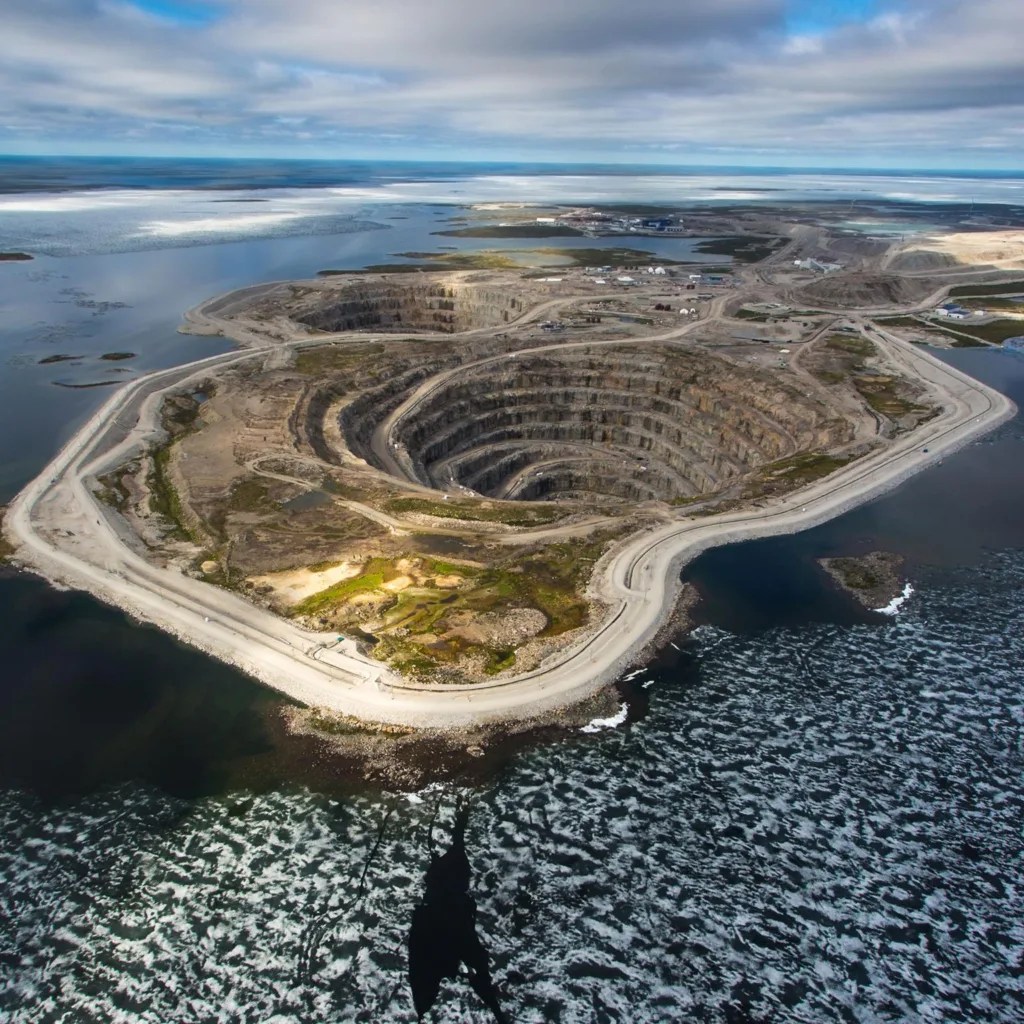
The Diavik Diamond Mine, nestled in the remote and pristine landscape of Canada’s Northwest Territories, represents a remarkable feat of engineering and a testament to Canada’s emergence as a major player in the global diamond industry. Located on a small island in Lac de Gras, approximately 300 kilometers northeast of Yellowknife, Diavik operates in one of the world’s most challenging mining environments, contending with sub-arctic conditions and extreme isolation.
Discovered in 1994, Diavik began production in 2003 as a joint venture between Rio Tinto and Dominion Diamond Corporation. The mine’s development marked a significant milestone in Canada’s diamond industry, solidifying the country’s position as a producer of high-quality, ethically sourced diamonds. Diavik’s diamonds are renowned for their exceptional quality, with a high proportion of large, white, gem-quality stones that command premium prices in the global market.
The mine’s operations are a marvel of modern engineering. Initially an open-pit mine, Diavik transitioned to underground mining in 2012, a move that extended its operational life. The mine processes approximately two million tons of ore annually, producing around 6-7 million carats of diamonds. What makes Diavik particularly unique is its location on an island in a subarctic lake. To access the diamond-bearing kimberlite pipes, massive dikes were constructed to hold back the waters of Lac de Gras, an engineering achievement that has drawn admiration from the global mining community.
Diavik’s impact on the Northwest Territories’ economy is profound. The mine is a major employer in the region, with a strong commitment to local hiring, particularly among Indigenous communities. Through various agreements and partnerships, Diavik has ensured that a significant portion of its economic benefits flow to local and Indigenous businesses and communities. This approach has set a new standard for Indigenous engagement in the mining industry, fostering economic development and skills training in remote northern communities.
Environmental stewardship is a cornerstone of Diavik’s operations. Operating in such a sensitive ecosystem demands the highest standards of environmental management. The mine has implemented comprehensive environmental monitoring programs, focusing on water quality, wildlife protection, and air quality. Diavik’s commitment to sustainability extends to its energy use, with the installation of a wind farm in 2012 – the first large-scale wind power facility in Canada’s Northwest Territories. This initiative significantly reduces the mine’s reliance on diesel fuel, cutting both costs and carbon emissions.
As Diavik approaches the end of its planned mine life, expected around 2025, discussions are ongoing about the mine’s closure and environmental rehabilitation. The mine closure plan, developed in consultation with local communities and regulatory authorities, aims to return the site to a stable condition that will support wildlife and aquatic life. This plan includes the flooding of the open pits to recreate fish habitat and the revegetation of disturbed areas.
The legacy of Diavik extends beyond its economic and environmental impacts. The mine has played a crucial role in establishing Canada as a producer of responsibly sourced diamonds, helping to reshape the global diamond industry’s approach to ethical sourcing and transparency. Diavik’s success has paved the way for other diamond mines in Canada, contributing to the country’s reputation as a source of conflict-free, high-quality diamonds.
As Diavik moves towards the final phase of its operations, its impact on Canada’s North, the global diamond industry, and the standards for responsible mining will continue to resonate. The mine stands as a shining example of how modern mining operations can balance economic development, environmental stewardship, and community engagement in even the most challenging of environments.
6. Ekati Diamond Mine (Canada)
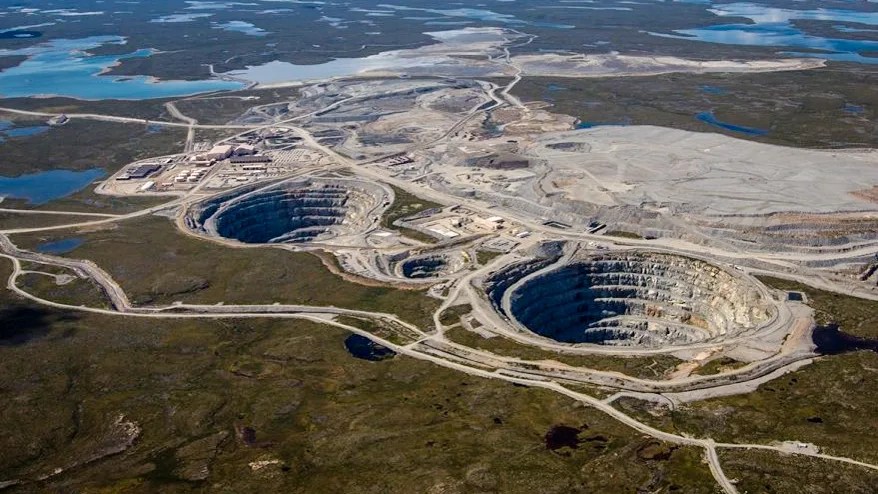
The Ekati Diamond Mine, a pioneering force in Canada’s diamond industry, holds a place of distinction as one of the country’s first diamond mines. Located in the remote and pristine landscape of the Northwest Territories, approximately 300 kilometers northeast of Yellowknife, Ekati has played a pivotal role in establishing Canada as a significant player in the global diamond market. The mine’s name, “Ekati,” means “fat lake” in the Tlicho language, reflecting its location in the Lac de Gras region, an area rich in diamond-bearing kimberlite pipes.
Discovered in 1991 by geologists Chuck Fipke and Stewart Blusson, Ekati marked the beginning of Canada’s diamond rush. This discovery transformed Canada from a non-producer to one of the world’s top diamond-producing nations in just a few years. The mine began commercial production in 1998 under the ownership of BHP Billiton, and it has since changed hands, currently operated by the Arctic Canadian Diamond Company.
Ekati’s significance extends far beyond its role as a trailblazer. The mine has been instrumental in shaping Canada’s diamond industry, setting standards for environmental stewardship, community engagement, and ethical mining practices. Its success paved the way for other Canadian diamond mines, including Diavik and Gahcho Kué, solidifying Canada’s position in the global diamond market.
The mine operates in one of the world’s most challenging environments, contending with subarctic conditions where temperatures can plunge to -50°C in winter. Despite these harsh conditions, Ekati processes approximately 4.5 million tons of ore annually, producing around 3-4 million carats of diamonds. The mine is known for its high-quality diamonds, including a significant proportion of large, high-value white diamonds and fancy yellow diamonds, which are highly sought after in the global market.
Ekati’s impact on the Northwest Territories’ economy has been transformative. As a major employer in the region, the mine has focused strongly on local hiring and skills development, particularly among Indigenous communities. Through various Impact Benefit Agreements with Indigenous groups, Ekati has ensured that a significant portion of its economic benefits, including employment opportunities, business contracts, and royalties, flow to local communities. This approach has set a benchmark for Indigenous engagement in the Canadian mining sector, fostering economic development and capacity building in remote northern communities.
Environmental stewardship has been a key priority at Ekati since its inception. Operating in the sensitive tundra ecosystem requires stringent environmental management practices. The mine has implemented comprehensive programs for wildlife protection, water management, and air quality monitoring. One of Ekati’s notable environmental initiatives is its participation in the Diavik-Ekati Caribou Monitoring Program, which tracks the movements and health of caribou herds in the region, contributing valuable data to wildlife conservation efforts.
As Ekati moves towards the later stages of its mine life, discussions about closure and reclamation have come to the forefront. The mine’s closure plan, developed in consultation with local communities and regulatory authorities, aims to return the site to a stable condition that supports wildlife and traditional land use. This includes plans for the gradual flooding of open pits to create fish habitats and the revegetation of disturbed areas with native plant species.
The legacy of Ekati extends far beyond its economic contributions. The mine has played a crucial role in establishing Canada’s reputation as a source of responsibly mined, conflict-free diamonds. Ekati’s development led to the creation of the CanadaMark™ hallmark, a certification that guarantees a diamond’s Canadian origin and ethical production. This initiative has helped position Canadian diamonds as a premium product in the global market, appealing to consumers increasingly concerned about the ethical sourcing of their jewelry.
Looking to the future, while Ekati’s original mine plan is nearing its end, exploration continues in the surrounding area for additional diamond-bearing kimberlites that could extend the life of the operation. The mine’s success has also spurred further diamond exploration across Canada’s North, potentially leading to new discoveries and maintaining Canada’s position in the global diamond industry for years to come.
In conclusion, the Ekati Diamond Mine stands as a testament to Canada’s emergence as a major diamond producer. Its impact on the country’s economy, its role in setting standards for responsible mining practices, and its contributions to local and Indigenous communities have been profound. As the global diamond industry continues to evolve, Ekati’s legacy will undoubtedly continue to influence the future of diamond mining in Canada and beyond.
7. Mirny Diamond Mine (Russia)
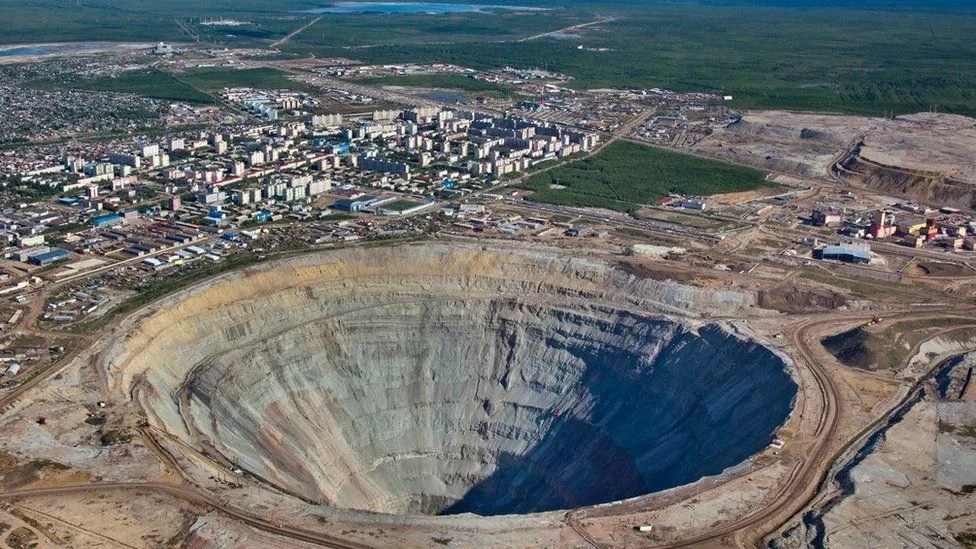
The Mirny Diamond Mine, located in the remote Sakha Republic of eastern Siberia, Russia, stands as a testament to human ingenuity and the relentless pursuit of precious gems. Discovered in 1955, the Mirny mine quickly became one of the largest and most productive diamond mines in the world, playing a crucial role in establishing the Soviet Union, and later Russia, as a major player in the global diamond market.
The mine’s history is as fascinating as its geology. Its discovery was the result of an extensive geological expedition led by Yuri Khabardin, Ekaterina Elagina, and Viktor Avdeenko. The harsh Siberian climate, with temperatures ranging from -60°C in winter to 40°C in summer, presented enormous challenges to the mine’s development. Despite these obstacles, the Soviet government recognized the immense potential of the discovery and rapidly developed the mine and the town of Mirny around it.
Mirny’s open-pit operation, which ceased in 2001, was a marvel of engineering. The pit reached a depth of 525 meters and had a diameter of 1,200 meters, making it the second-largest excavated hole in the world. At its peak, the mine produced 10 million carats of diamonds annually, contributing significantly to the Soviet economy. The sheer scale of the open pit was so large that airspace above the mine had to be closed as it was feared helicopters and small planes could be sucked in by downward air currents.
The transition from open-pit to underground mining in 2009 marked a new chapter in Mirny’s history. This shift required significant technological innovation and investment, showcasing Russia’s continued commitment to its diamond industry. The underground operation extends to depths of up to 1,300 meters, employing advanced mining techniques to extract diamonds from kimberlite pipes formed millions of years ago.
Mirny’s impact on the local community and the broader region of Yakutia has been profound. The town of Mirny, which grew around the mine, has evolved from a small settlement into a modern city of over 35,000 people. The mine has been the economic lifeblood of the region, providing employment and driving infrastructure development in one of the most remote parts of Russia.
Environmental considerations have become increasingly important in Mirny’s operations. The harsh Siberian environment presents unique challenges for environmental management and rehabilitation. Efforts are underway to mitigate the mine’s impact on local ecosystems, including programs to monitor and protect wildlife and initiatives to restore disturbed lands.
The future of Mirny remains closely tied to the global diamond market and technological advancements in mining. As easily accessible diamond deposits become scarcer worldwide, the expertise developed at Mirny in extracting diamonds from deep underground could prove invaluable. The mine continues to be operated by Alrosa, Russia’s largest diamond company, and remains a crucial asset in Russia’s diamond industry.
8. Aikhal Diamond Mine (Russia)
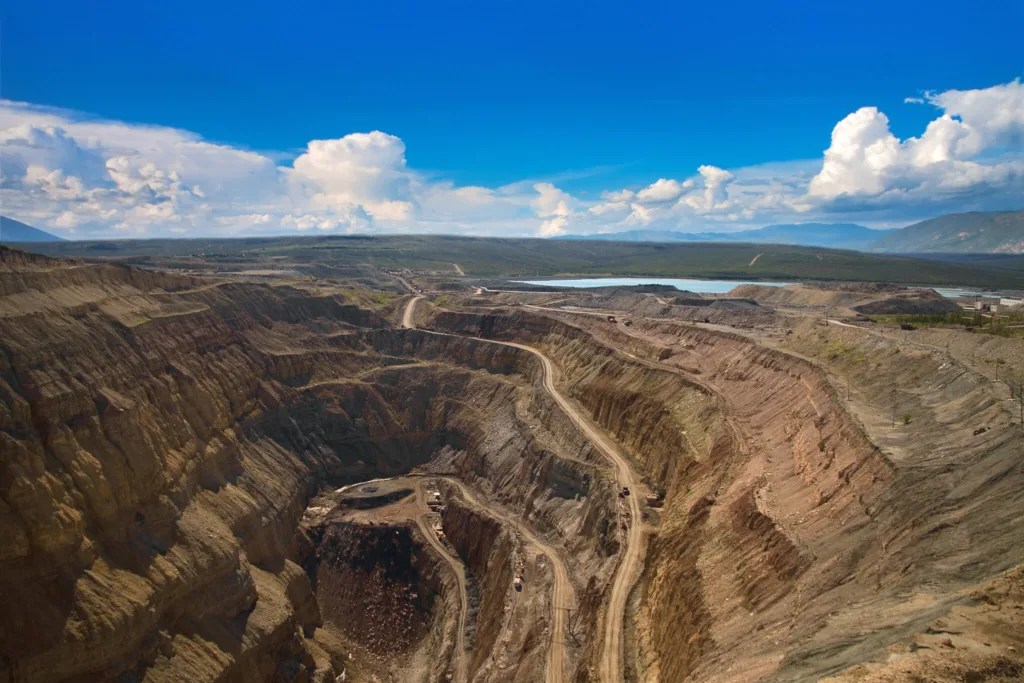
The Aikhal Diamond Mine, situated in the Sakha Republic (Yakutia) of Russia, approximately 450 kilometers north of the Arctic Circle, is another jewel in Russia’s crown of diamond mines. Operated by Alrosa, the world’s largest diamond producer by volume, Aikhal has been a significant contributor to Russia’s diamond output since its discovery in 1960 and the commencement of mining operations in 1961.
The name “Aikhal” means “glory” in the Yakut language, aptly reflecting the mine’s importance to Russia’s diamond industry. The mine is located in one of the most challenging environments for mining operations, with long, harsh winters where temperatures can plummet to -50°C, and short summers with temperatures rarely exceeding 20°C. Despite these extreme conditions, Aikhal has consistently been one of Russia’s most productive diamond mines.
Aikhal’s operations are split between open-pit and underground mining. The open-pit mine, which began operations in 1961, has reached depths of over 300 meters. As surface deposits became depleted, Alrosa transitioned to underground mining, developing advanced techniques to extract diamonds from depths of up to 1,000 meters. This transition showcases the technological advancements and engineering prowess that have kept Russian diamond mining at the forefront of the industry.
The mine is known for producing high-quality diamonds, including a significant proportion of gem-quality stones. Aikhal’s annual production typically exceeds 2 million carats, contributing substantially to Alrosa’s overall diamond output. The diamonds from Aikhal are particularly valued for their size and quality, with the mine occasionally producing exceptional stones weighing over 50 carats.
Like many diamond mines in remote regions, Aikhal has had a transformative effect on its surrounding area. The town of Aikhal, with a population of around 14,000, grew around the mine and depends heavily on its operations. The mine has been crucial in providing employment and driving economic development in this remote part of Siberia. Alrosa has invested significantly in social infrastructure, including schools, hospitals, and cultural facilities, to support the mining community.
Environmental management at Aikhal presents unique challenges due to the fragile Arctic ecosystem. Alrosa has implemented comprehensive environmental monitoring programs, focusing on minimizing the mine’s impact on local wildlife, water resources, and permafrost. The company has also invested in research and development of technologies to reduce its environmental footprint, including efforts to decrease greenhouse gas emissions and improve energy efficiency.
As Aikhal moves into the future, it continues to play a vital role in Russia’s diamond industry. The mine’s reserves are expected to sustain operations for several more decades, ensuring its continued significance. Alrosa is investing in further exploration in the region, hoping to discover new diamond deposits that could extend the life of mining operations in the area.
The Aikhal mine, along with other Russian diamond mines, has been instrumental in establishing Russia as a leader in the global diamond market. The expertise developed at Aikhal in Arctic mining conditions and deep underground extraction has positioned Russia at the forefront of diamond mining technology. As the global diamond industry faces challenges of depleting surface deposits and increasing environmental scrutiny, the experiences and technologies developed at mines like Aikhal may prove invaluable.
9. Argyle Diamond Mine (Australia)
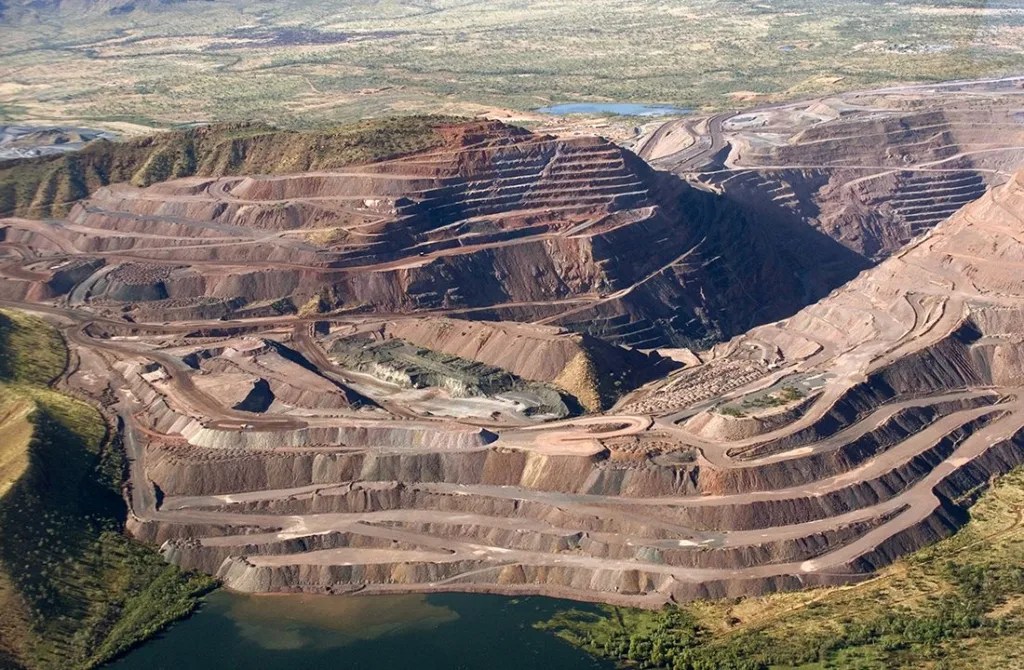
The Argyle Diamond Mine, located in the remote East Kimberley region of Western Australia, holds a unique place in the history of diamond mining. Although it ceased operations in November 2020 after 37 years of production, its impact on the global diamond industry and its legacy continue to resonate. Argyle was renowned for producing some of the world’s rarest and most sought-after diamonds, particularly its famous pink diamonds.
Discovered in 1979, Argyle began operations in 1983 under the ownership of Rio Tinto. The mine’s discovery was a result of an innovative exploration technique that traced indicator minerals to their source, leading geologists to the rich diamond deposits of the Kimberley region. This discovery not only established Australia as a major diamond producer but also challenged traditional notions about where diamonds could be found.
Argyle was unique in many aspects. Unlike most diamond mines that extract gems from kimberlite pipes, Argyle’s diamonds were found in lamproite pipes, a rarer type of volcanic rock. This geological peculiarity contributed to the distinctive characteristics of Argyle diamonds, including their famous pink hues. The mine produced a wide array of diamond colors, including white, champagne, cognac, and the extremely rare blue and violet diamonds. However, it was the pink diamonds that truly set Argyle apart, accounting for more than 90% of the world’s pink diamond production.
At its peak, Argyle was one of the world’s largest diamond producers by volume, yielding approximately 8 million carats annually. However, the majority of these diamonds were of industrial quality. The mine’s true value lay in its production of high-quality colored diamonds, particularly the pinks, which commanded extraordinary prices in the market. The annual Argyle Pink Diamonds Tender became one of the most anticipated events in the diamond industry, showcasing the rarest and most valuable stones produced by the mine.
The impact of Argyle on the local community and the broader Western Australia region was significant. The mine provided employment and economic opportunities in a remote area, contributing to the development of infrastructure and services. Rio Tinto implemented extensive programs to engage with local Indigenous communities, including training, employment, and business development initiatives. The Argyle Land Use Agreement, signed in 2004 with the traditional owners of the land, set new standards for Indigenous engagement in the mining industry.
Environmental management was a key focus throughout Argyle’s operational life. The mine implemented comprehensive programs for water management, biodiversity conservation, and land rehabilitation. As operations wound down, Rio Tinto developed a detailed mine closure plan in consultation with local communities and government authorities. This plan includes extensive environmental rehabilitation efforts and provisions for long-term monitoring of the site.
The closure of Argyle in 2020 marked the end of an era in diamond mining. The cessation of pink diamond production from Argyle has had a significant impact on the global diamond market, with prices for existing Argyle pink diamonds soaring due to their newfound rarity. The mine’s closure has also sparked renewed interest in diamond exploration in Australia and other parts of the world, as the industry seeks to find new sources of rare colored diamonds.
Argyle’s legacy extends beyond its economic and geological significance. The mine played a crucial role in establishing Australia as a major player in the global diamond industry and set new standards for ethical and sustainable mining practices. The technologies and techniques developed at Argyle, particularly in the processing of lower-grade diamond deposits, have influenced mining operations worldwide.
As the diamond industry moves forward, the story of Argyle serves as a reminder of the finite nature of mineral resources and the importance of responsible stewardship. The mine’s success in producing some of the world’s most coveted gems from what was once considered an unlikely source continues to inspire exploration and innovation in the diamond industry.
10. Cullinan Diamond Mine (South Africa)
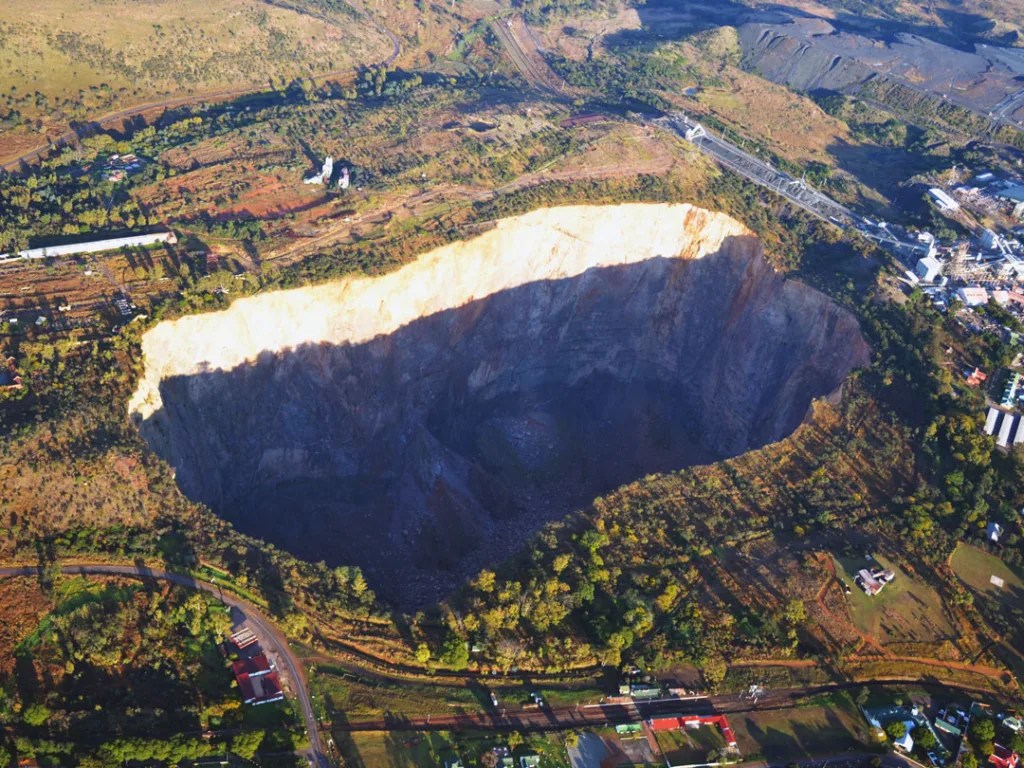
The Cullinan Diamond Mine, located near Pretoria in South Africa’s Gauteng Province, is one of the most famous and historically significant diamond mines in the world. Known for producing some of the largest and most spectacular diamonds ever discovered, Cullinan has been a cornerstone of South Africa’s diamond industry for over a century.
Discovered in 1902 by Sir Thomas Cullinan, the mine began operations in 1903. Its early history is inextricably linked to the discovery of the Cullinan Diamond in 1905, the largest gem-quality rough diamond ever found, weighing an astounding 3,106 carats. This remarkable find not only put the mine on the global map but also played a significant role in British royal history, as the diamond was cut into several stones, including the Great Star of Africa and the Lesser Star of Africa, which are now part of the British Crown Jewels.
The Cullinan mine is renowned for its production of large, high-quality white diamonds, as well as rare blue diamonds. The mine has yielded over 750 stones weighing more than 100 carats each, and more than a quarter of all diamonds weighing over 400 carats. This extraordinary track record has earned Cullinan the nickname “The World’s Most Important Source of Blue Diamonds.”
Initially an open-pit operation, Cullinan transitioned to underground mining in 1946. Today, the mine extends to a depth of over 1,000 meters and consists of a vast network of underground tunnels and shafts. The mining operation employs a block cave mining method, which allows for the efficient extraction of diamonds from the kimberlite pipe.
Throughout its history, Cullinan has played a significant role in South Africa’s economy and the development of the local community. The town of Cullinan, which grew around the mine, has become a tourist destination, attracting visitors interested in the mine’s history and the opportunity to try their hand at diamond digging in the mine’s tourist section.
The mine’s impact extends beyond economics. Petra Diamonds, the current operator of Cullinan, has implemented extensive social and environmental programs. These include initiatives focused on education, healthcare, and local economic development. The company has also invested in water conservation and management programs, recognizing the importance of responsible resource use in a water-scarce region.
Environmental management at Cullinan involves comprehensive strategies for waste management, energy efficiency, and biodiversity conservation. The mine has implemented systems to reduce its carbon footprint and has engaged in projects to protect and restore local ecosystems.
As Cullinan moves into its second century of operations, it continues to play a vital role in the global diamond industry. The mine’s consistent production of exceptional stones ensures its ongoing significance in the market for high-value diamonds. Recent years have seen continued discoveries of remarkable stones, including a 39.34-carat blue diamond found in 2021, which sold for over $40 million.
The future of Cullinan looks promising, with current estimates suggesting that the mine could continue operations for several more decades. Ongoing exploration and technological advancements in diamond recovery methods continue to unlock new potential in this historic mine.
Cullinan’s legacy in the diamond industry is unparalleled. Its history of producing exceptional diamonds has not only contributed to South Africa’s economy but has also captured the world’s imagination, intertwining the mine’s story with tales of royal jewels and record-breaking gems. As the diamond industry evolves, facing challenges of ethical sourcing and changing consumer preferences, Cullinan stands as a reminder of the enduring allure of natural diamonds and the rich history of diamond mining in South Africa.