
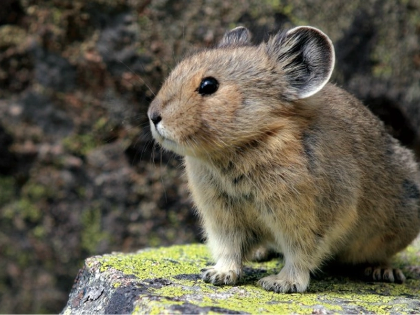
8. Pikas Are in Danger
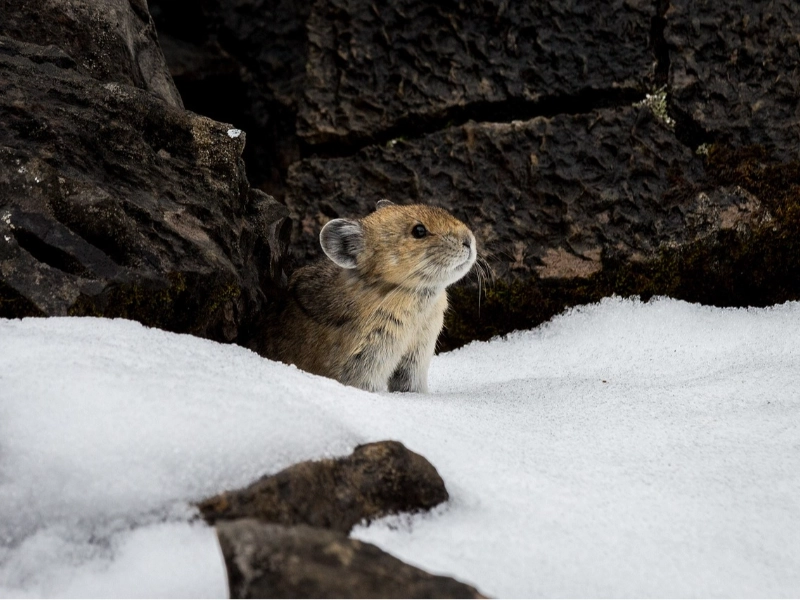
Though resilient and able to survive in difficult mountain conditions, the American pika is seriously threatened in the modern era mostly by effects of climate change. This little, charming mammal has evolved into a significant emblem in the debate about global warming’s consequences for high-altitude habitats. The suffering of the pika reminds us sharply of the weaknesses experienced by specialised species against fast environmental change.
Given their particular ecological needs and physiological restrictions, climate change presents a special and serious threat to pikas. Many species react to rising global temperatures by migrating their ranges towards cooler regions, either to higher latitudes or greater heights. But pikas already live in some of the highest altitude settings within their range, hence their choices for additional retreat are rather restricted. Because both the pika and the polar bear are moving emblems of the direct and physical effects of climate change on animals, some researchers have started to make comparisons between them.
For pikas in a warming planet, their sensitivity to heat presents the main difficulty. These creatures can suffer from heat stress at temperatures many other mammals would find comfortable, yet they are perfectly suited to frigid habitats. Studies have revealed that pikas can perish in a few hours from temperatures exceeding 77°F (25°C). Their thick coats and rapid metabolic rate—adaptations that help them in cold regions but become liabilities when temperatures rise—cause this low heat tolerance.
Pikas are threatened in several ways as average temperatures rise. Directly, they run the danger of heat stress and fatality during exceptionally warm years. Climate change influences the flora in their habitats indirectly, therefore changing the availability and quality of their food supplies. Changes in snowfall level and length can also affect pikas since snow provide necessary insulating for their dens in the winter.
On the Red List, the International Union for Conservation of Nature and Natural Resources (IUCN) presently notes the American pika as a species of Least Concern. This classification might not, however, adequately reflect the subtle and localised hazards pikas encounter. While some populations are steady, others—especially those in lower elevations or in more southern portions of their range—have already suffered notable losses or local extinctions.
The pika’s situation’s one most alarming feature is the little possibility for recovery if populations are destroyed. Pikas have poor dispersal capacity, hence they find it difficult to recolonise places they left behind because of bad conditions. Their vulnerability to the consequences of habitat fragmentation and climate change stems especially from this feature. Even if conditions momentarily improve, it is doubtful that a local pikas population vanished from a mountain range will be spontaneously restored.
Efforts at pikas’ conservation present numerous difficulties. For a species already inhabiting some of the most distant and undisturbed environments, conventional conservation techniques include establishing protected areas or corridors may have limited impact. Rather, tackling the underlying cause of their decline—climate change—requires world cooperation to lower greenhouse gas emissions and lessen the effects of global warming.
Understanding and maybe minimising the effects of climate change on high-altitude ecosystems depends on ongoing pikas research. Researchers are looking at several facets of pika ecology, including their capacity to adjust to changing conditions, their potential for evolutionary reactions to rising temperatures, and their possibilities of assisted migration to better fit environments.
The narrative of the American pika and its fight against climate change reminds us strongly of the interdependence of ecosystems and the broad effects of human activity on even the most far-off and apparently unaltered surroundings. The fate of the pika is evidence of the pressing need of thorough and forceful action to save biodiversity and preserve the fragile equilibrium of our planet’s ecosystems as we negotiate the worldwide threat of climate change.
 zi ang