
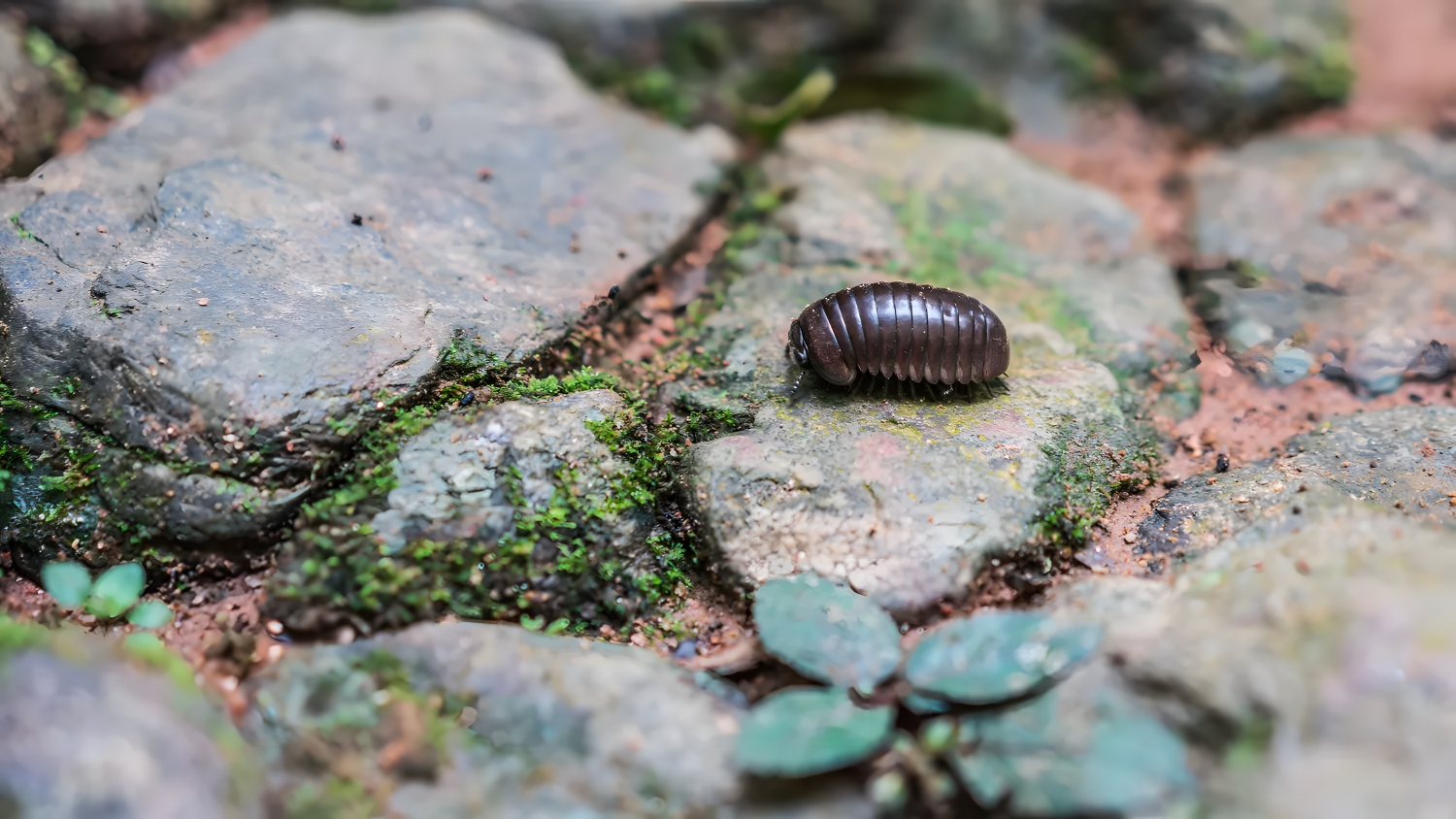
The roly-poly, or pill bug, is a terrestrial crustacean that looks just like an insect. Oval-shaped, with seven sets of legs and a hard outer shell, these creatures are best known for their ability to roll themselves into a perfectly shaped ball when threatened.
Native to the Mediterranean, roly-polies can be found in nearly all temperate terrestrial ecosystems worldwide. From superb composting skills to unusual bodily functions, discover the most fascinating facts about the roly-poly—including their most common names and whether they’re even insects at all.
Fast Facts
- Common Name: Roly-poly or pill bug
- Scientific Name: Armadillidium vulgare
- Average Lifespan in the Wild: 1.5 years
- IUCN Red List Status: Not evaluated
- Current Population: Unknown
1. Roly-Poly Is Just One of Their Names
For one small bug, they go by a lot of different names. The scientific name of the most common species is Armadillidium vulgare, and they are officially called pill bugs, but they’re also known as doodlebugs, wood shrimp, and woodlice. People in the United Kingdom refer to them as chiggypigs, penny sows, and cheesybugs. Whatever name you use, keep in mind that while these gentle critters may eat a few of your plants, they are not harmful to humans.
2. They’re Not Really Bugs
Even though they’re called pill bugs, and they have a buglike appearance, they’re not insects at all; they are actually terrestrial crustaceans. They’re more closely related to lobsters, crabs, and shrimp than to beetles or butterflies. Roly-polies are the only crustaceans that have adapted to living completely on land. These creatures range from one-quarter of an inch to a half-inch in length and have segmented bodies and seven sets of legs.
3. They Have Gills
Pill bugs breathe with gills, like their ancestors. While gills are great in the water, they are not ideal on land because they can dry out. To preserve moisture and avoid desiccation, pill bugs are active at night and spend the daylight hours in wet, damp areas under things like logs, mulch, and stones, where they can roll into a ball to protect any moisture they have on their gills.
4. They Roll Into a Ball When Disturbed
Konrad Wothe / Getty Images
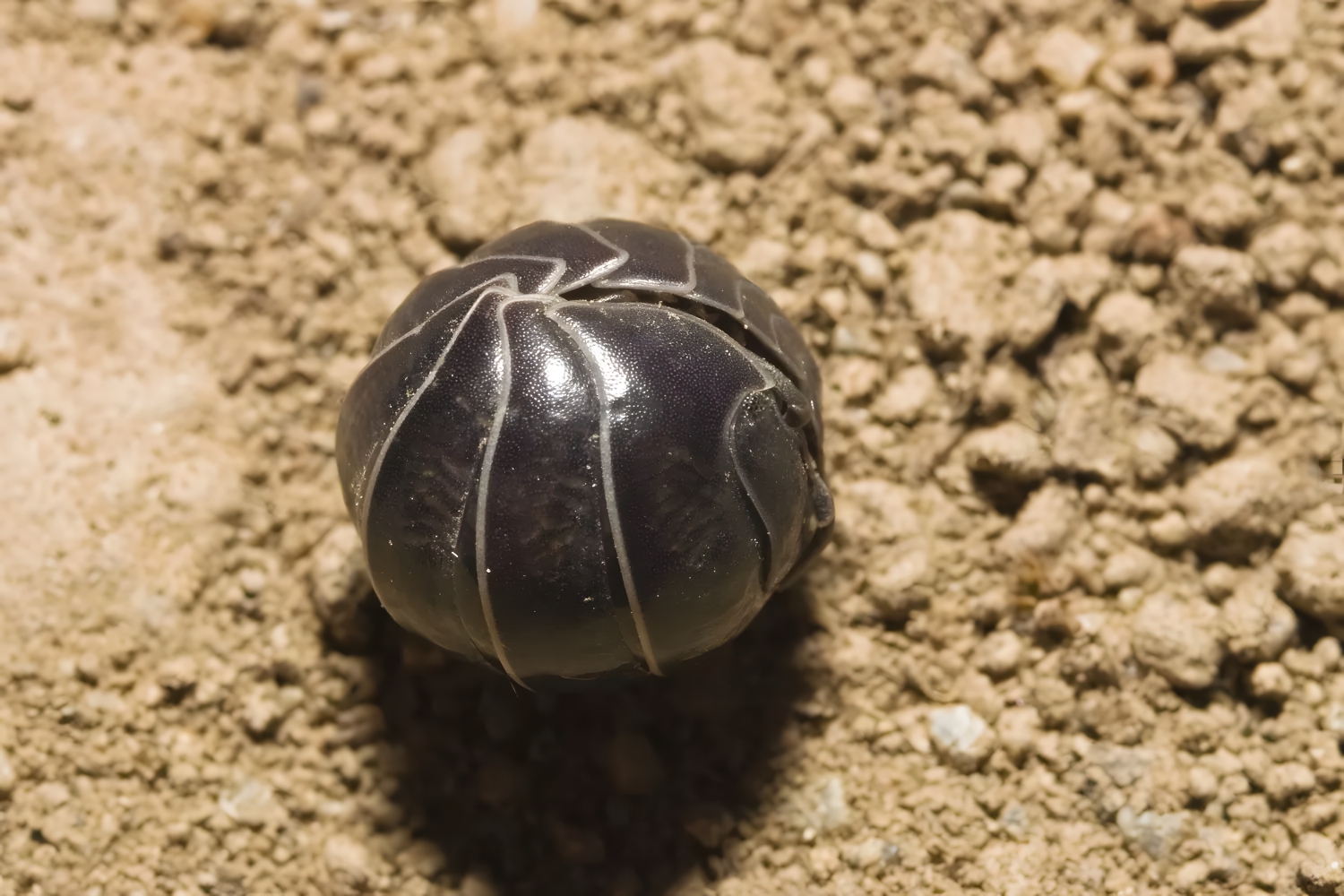
The reason they are called roly-polies is also one of their most visually delightful qualities. When these critters are disturbed or frightened, they roll into a tight little ball, a process known as conglobation. It’s a defense mechanism that is hypothesized to have evolved to protect the pill bugs’ soft underparts from predators and to allow them to retain moisture on their gills.
5. They Have Unusual Bodily Functions
Pill bugs have a high tolerance for ammonia gas, so they don’t urinate. Instead, they excrete waste fluids through their shells. As for solid waste, their diet includes self-coprophagy (eating their own feces), which allows them to obtain nutrients they may have missed in the first digestive cycle. When it comes to drinking, roly-polies have two choices: They can drink from their mouths like most creatures, or they can use tube-shaped structures that jut out of their rear ends
6. They Compost Soil
Joao Paulo Burini / Getty Images
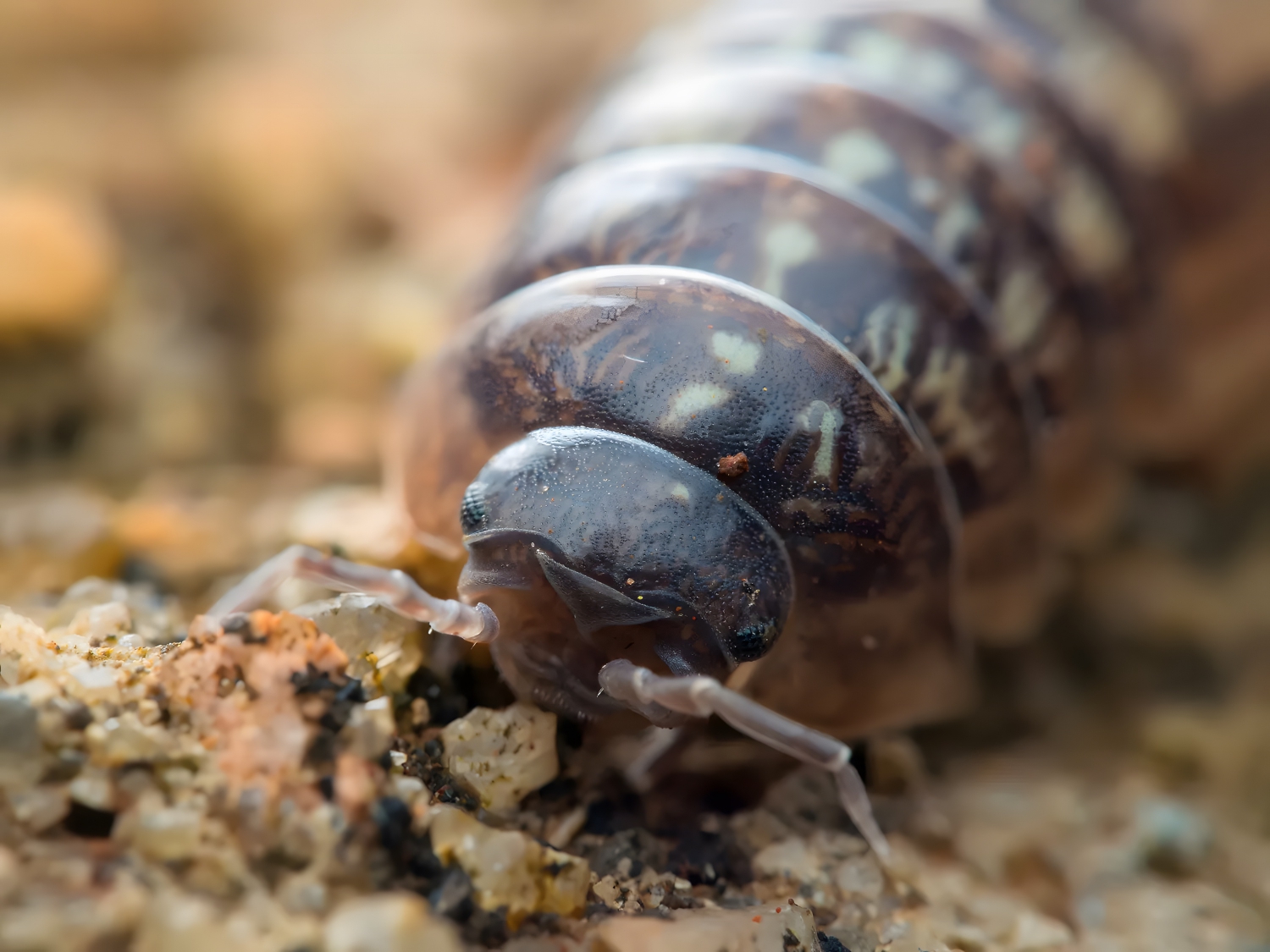
Pill bugs’ preferred food is dead organic plant matter, so if you’re looking for a great composting partner, look no further. By chewing up rotting vegetation and returning it to the soil, they help speed up decomposition and provide an incredible free service to gardeners. Thanks to bacteria in their guts, they can process dead fruits, leaves, and other vegetation and return it to the earth or compost heap to be digested by more fungi and bacteria.
7. They Eat Metals
Roly-polies play important roles in the environment. They can take in heavy metals such as copper, zinc, and lead, and then crystallize them in their bodies. This has made them an ideal test subject in studies of pollution and related environmental research. The pill bugs’ unique ability to remove heavy metal ions from contaminated soil allows them to thrive in polluted locations where other species cannot.
8. They Carry Their Eggs in a Pouch
Just like other crustaceans, female pill bugs have a brood pouch—called a marsupium—on their underside. The females carry their eggs in the pouch for two to three months until they hatch. Even after hatching, young pill bugs may return to the pouch and continue to grow and be nourished through their mother’s marsupial fluid before heading out into the world.