
Up to 30% of people suffer from chronic insomnia, and the number of those who use sleeping pills increases with age and education. You might wonder why you still don’t get enough sleep after setting up a bedtime ritual. The problem might lie in the smallest things that you haven’t even thought about.
Bright Side is pointing out possible obstacles standing in the way of having a perfect night’s rest.
1. Synthetic bedding
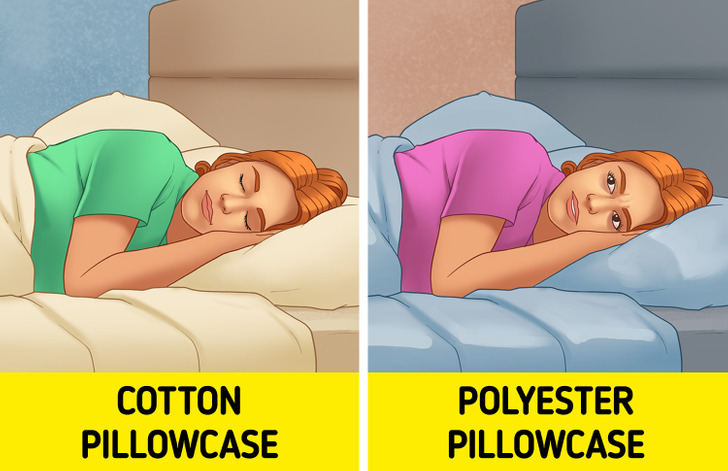
Bedding made from natural materials is cooler and provides better breathability. It also absorbs moisture better. On the contrary, synthetic bedding traps heat and can be the reason for night sweats. Because of this, you end up tossing and turning all night and possibly suffering from the irritation that some synthetic fabrics cause.
2. Essential oils
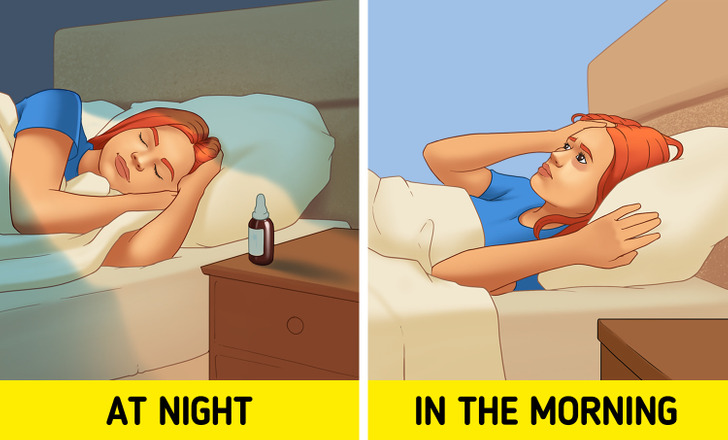
Although some essential oils help us calm down, like lavender, many of them do the reverse. Citrus essential oils can keep you awake. Additionally, if you’re one of those people who spray essential oils right on your pillow, remember that some oils can cause chemical burns. Your hormones might also get affected, so a disrupted sleep cycle can be blamed on a hormonal imbalance.
3. Thyroid problems
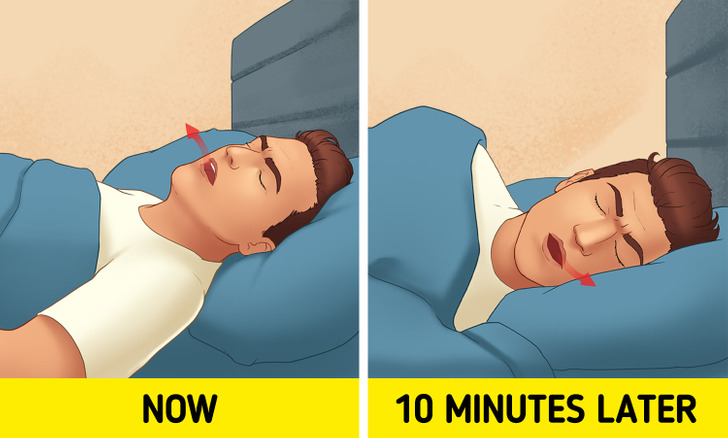
Those who have thyroid problems tend to suffer from sleep apnea (pauses in breathing). It can cause regular awakenings, so after a night’s sleep, you might feel fatigued instead of energized. Thyroid dysfunction often leads to the disruption of circadian rhythms as well.
4. Magnesium deficiency
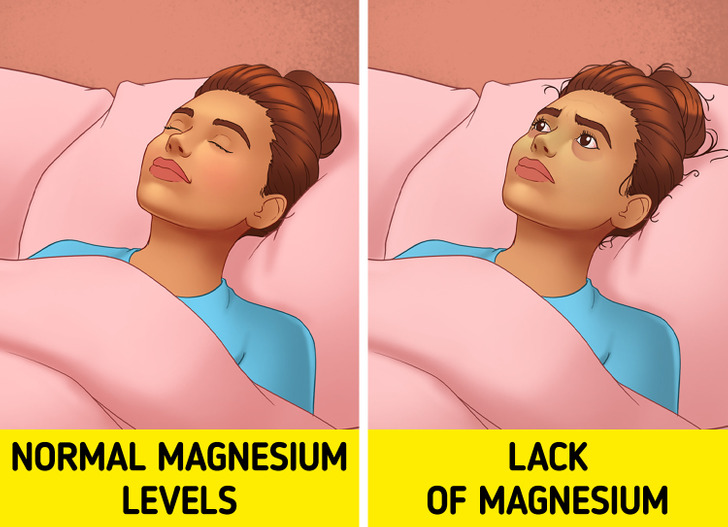
Magnesium is an essential element that affects your ability to sleep. If your body lacks this nutrient, you might find it difficult to relax. Besides, muscle twitching or restless leg syndrome are also brought about by low magnesium levels. That’s why supplements are often used to treat insomniacs.
5. Plants
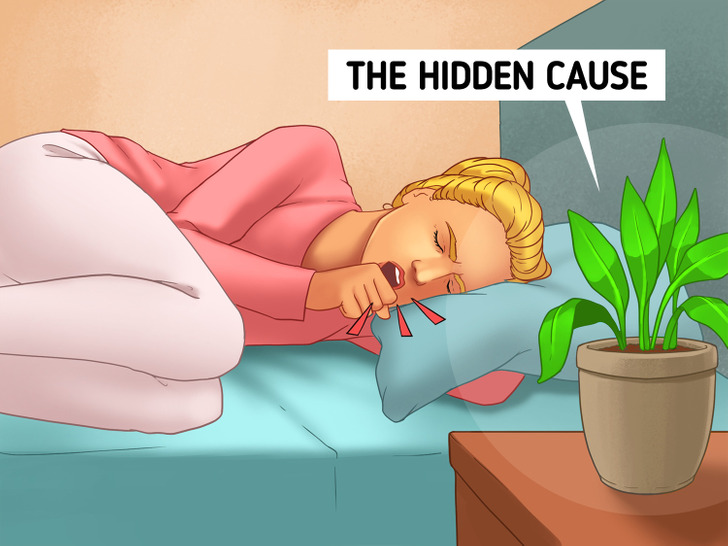
You have to be careful when putting plants in your bedroom. Some household plants can be toxic to humans. If you suffer from asthma, some plants might trigger the condition if you’re allergic to them. In addition, mold or other bacteria in the soil can cause harm and, as a result, worsen your sleep quality.
6. Restless leg syndrome
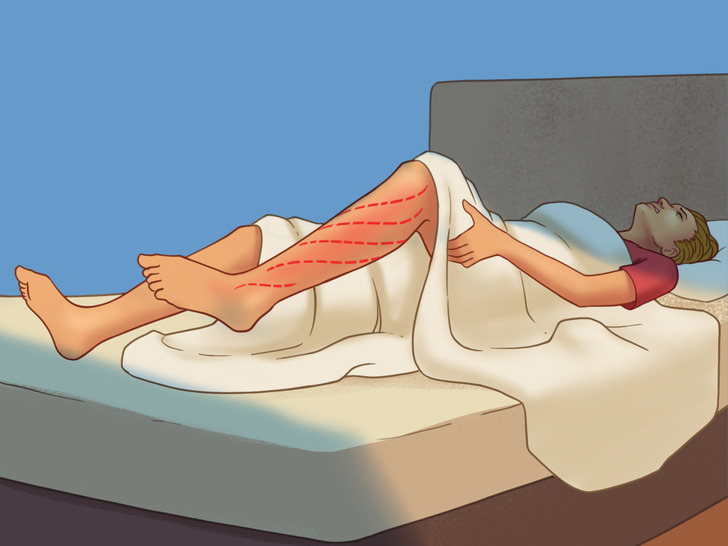
The syndrome is usually characterized by the urge to move your limbs due to the unpleasant sensations in your legs. You’re forced to wake up to stop crawling, tingling, or burning feelings in the legs. It varies in intensity and is more common in people in their fifties. The syndrome can be either the cause of disrupted sleep or a side effect of it.
7. Sleeping with the heater on
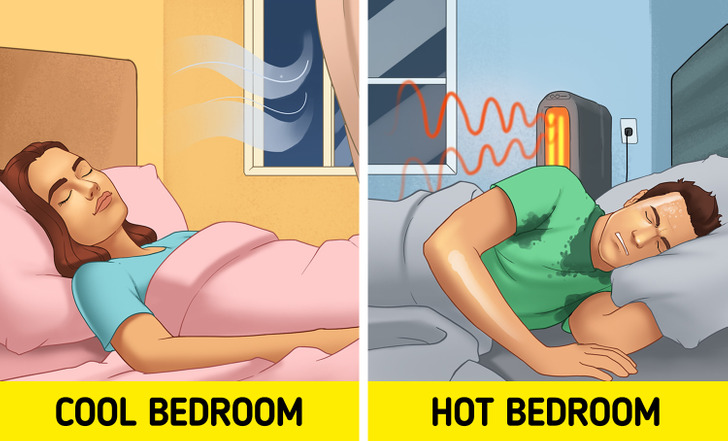
At night, our body temperature drops slightly to give the signal that it’s time to fall asleep. However, if there’s a heater on in the bedroom, your body might fail to recognize that it’s time for bed. What’s more, heaters produce a lot of carbon monoxide, which can be detrimental to our health in large quantities.
In your experience, are there any other things that can disrupt your sleep? How do you deal with them?
 zi ang