
It may sound funny but we’re really lucky that these animals lived in another era without us. Dragonflies with a wingspan of 2.5 feet, gigantic 600-pound primates, and human-sized turtles — nope, these aren’t characters from a horror movie, they were once a reality.
We at Bright Side learned a lot about the biggest relatives of modern animals that existed a long time ago. And now we’re ready to share them with you!
Phorusrhacidae (closely related to modern parrots and falcons)
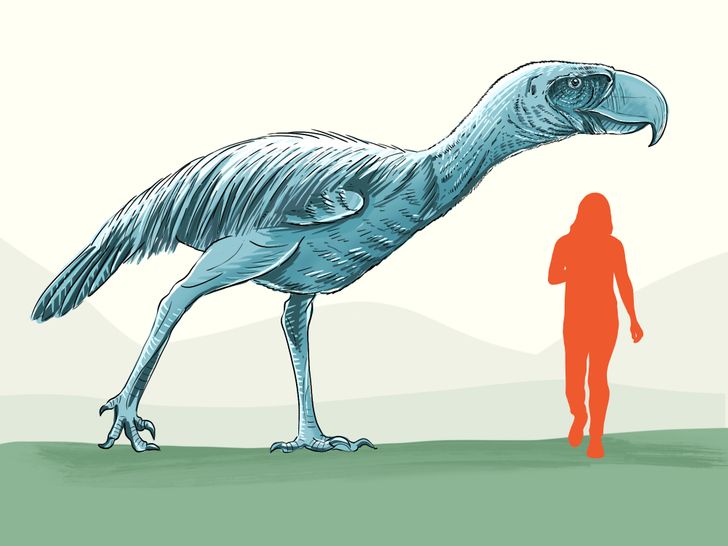
Phorusrhacidae, also known as “terror-birds”, reached around 10 feet in height and were amongst the largest birds that ever walked the Earth! They lived in South America 60 million years ago and got their name because of their huge skulls, powerful hooked beaks, big curved claws, and significant running abilities. The remains of their bones are preserved to this day and from them, scientists were able to establish the features of these birds.
Meganeura (closely related to modern dragonflies and damselflies)
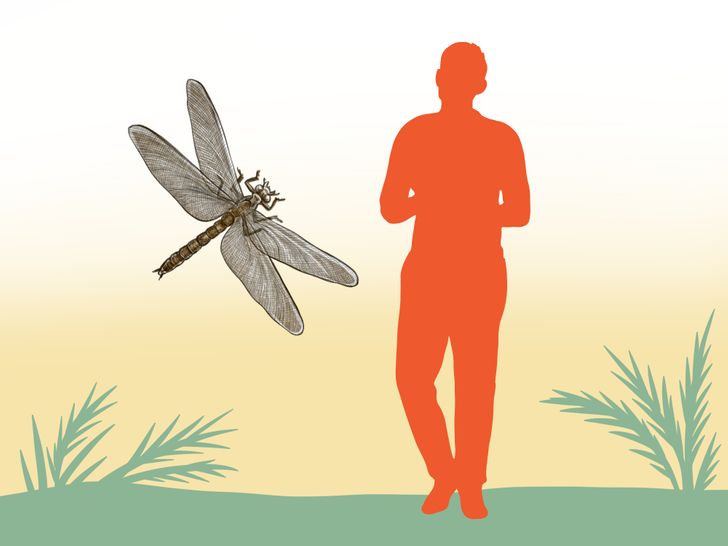
If you think you’ve ever seen a big dragonfly, forget about it. Meganeura, which lived 300 million years ago, had a wingspan of over 2.3 feet! The remains of one of the largest known flying insects to ever exist were found in France in the 19th century. Scientists believe that the insect reached this size because of the significantly higher oxygen levels in the air.
Megalodon (closely related to modern great white sharks)
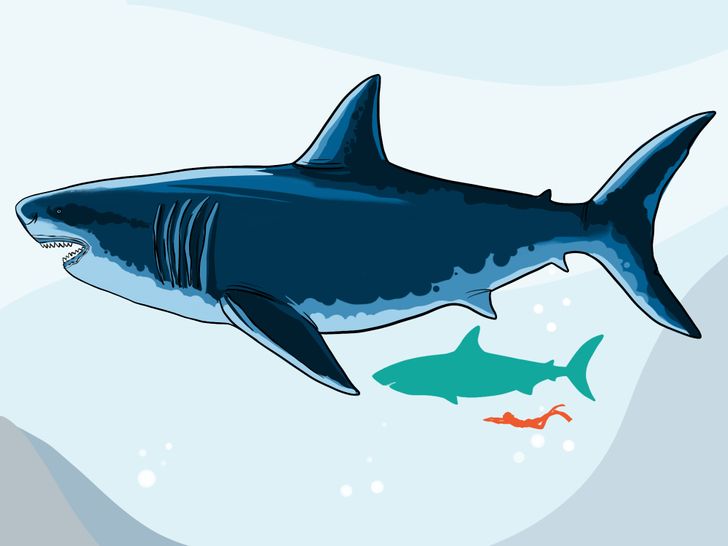
To describe how large Megalodon sharks were, we can say that, besides fish, they ate seals, dolphins, and even large whales. We’re lucky that they lived between 145 million to 66 million years ago. Scientists believe that these fish became extinct due to a shift in the food chain.
Gigantopithecus (closely related to modern orangutans)
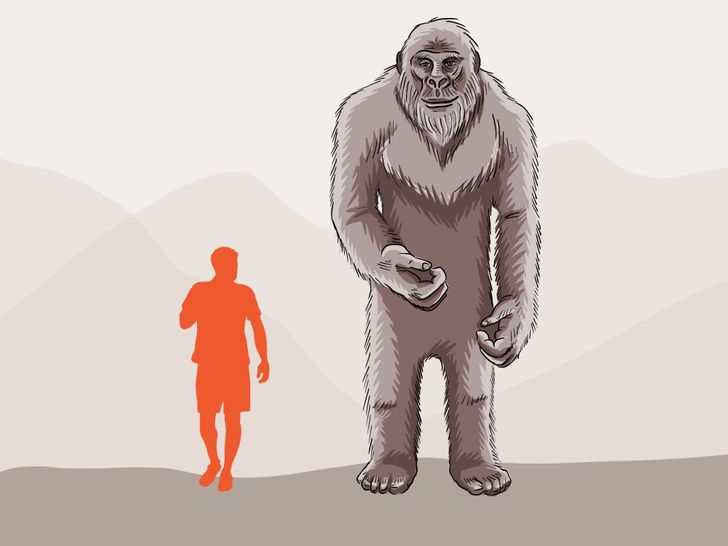
Being big is not always good. The Gigantopithecus stood from 6 to 10 ft tall and weighed from 440 to 1,100 lbs. Because of its large size, it required a huge amount of food. About 100,000 years ago, forested areas turned into savanna landscapes. There was simply not enough food left for the largest ape that ever lived on the planet.
Carbonemys (closely related to modern side-necked turtles)
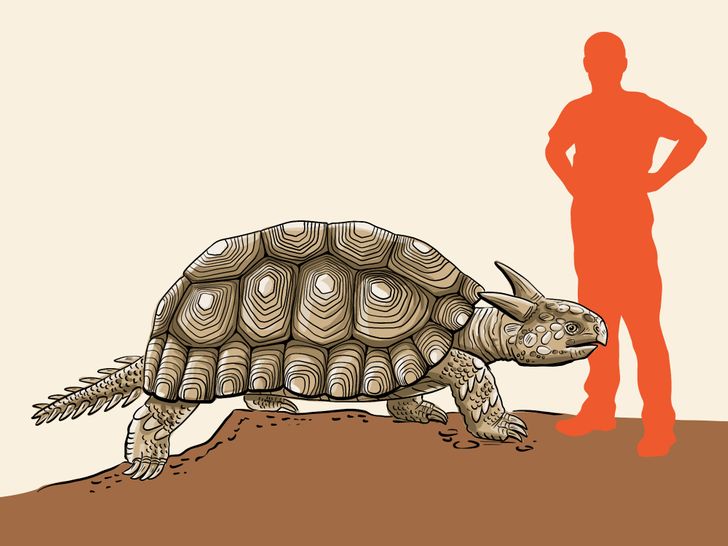
Maybe it’s no coincidence that the name of this turtle begins with the word “car.” The dimensions of this 60-million-year-old South American giant were comparable to a small sedan. Its shell alone was 5 ft 7 in long! This turtle’s huge jaws made it even more dangerous — it even helped them chow down on crocodiles.
Deinosuchus (closely related to modern alligators)
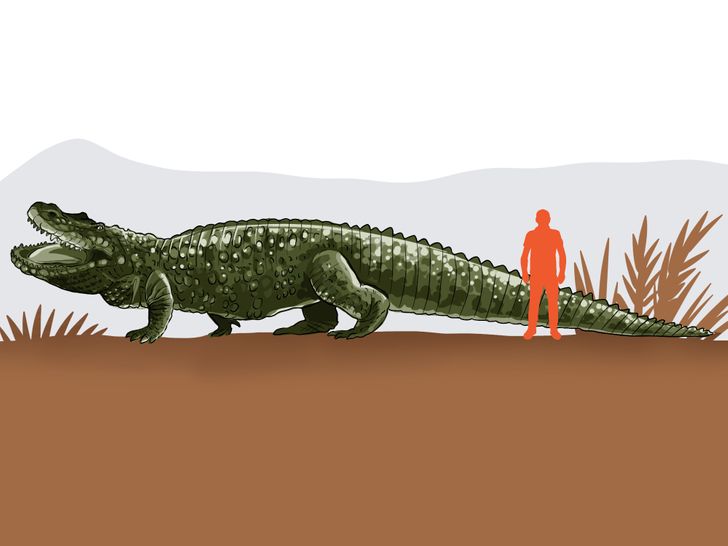
But Deinosuchus, a relative of alligators, would hardly be afraid of the largest turtle. Its size is unthinkable! Scientists have learned that crocodiles were 36 feet in length and weighed around 6 to 7 tons. You may become even more surprised to learn that the Deinosuchus preyed on dinosaurs. It was the largest predator in North America between 72 and 83 million years ago.
Titanoboa (closely related to modern boas and anacondas)
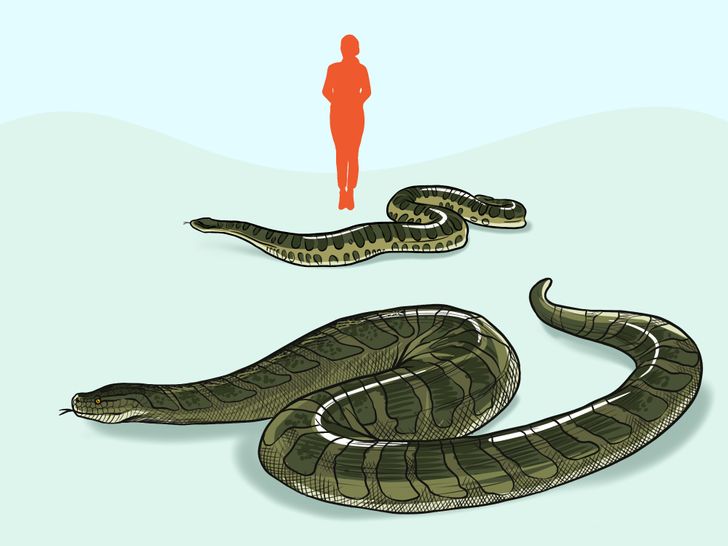
This extinct snake was twice as long as the anaconda, weighed more than a ton, and had 250 vertebrae. The Titanoboa lived from 56 to 66 million years ago and spent much of its time in the water. Scientists say that the hot climate of that period helped maintain the enormous growth of the snake.
Which of these giant animals would you like to see in real life?
1
 zi ang