
It’s quite common to notice strange behavior in our pets. But sometimes habits that look harmless and adorable may be a sign of a bigger health issue. One example is “head-pressing” which may not appear to be dangerous at first glance but could indicate a more serious health problem in your pet.
We at Bright Side care about your pets’ well-being and we want to give you more information about this condition, the reasons why it may occur, and what you can do to help your 4-legged companions.
The definition of “head-pressing”
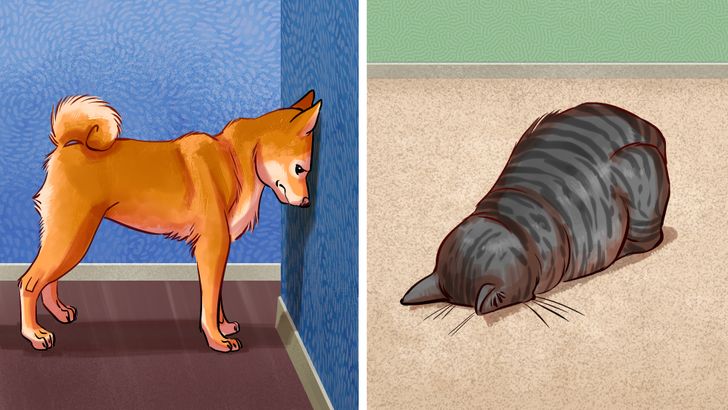
It’s a compulsive act of pressing the head against a wall or other flat surface for no apparent reason. This behavior is usually ignored but behind this condition, there are different causes which we will talk about later. One of the most notable effects of this behavior is an injury, either on the feet, face or head of the animal.
1. Brain disorders
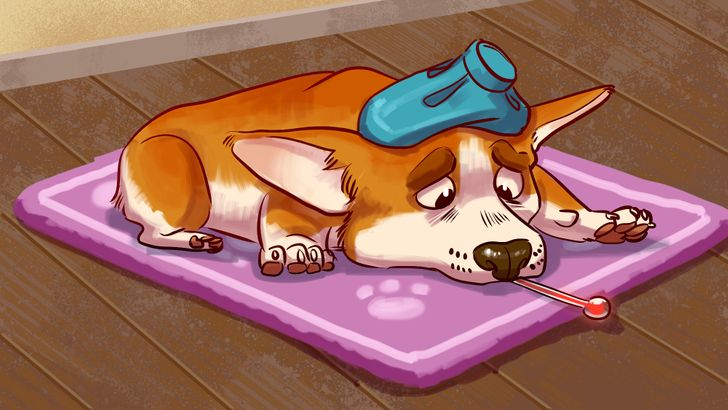
This means that your pet may be having inflammation in the brain. Young and middle-aged dogs tend to be diagnosed with this disease more than older dogs do. The condition is less common in cats. Some of the symptoms consist of seizures, disorientation, unusual behavior, low energy, loss of balance, and sometimes fever.
2. Metabolic disorder
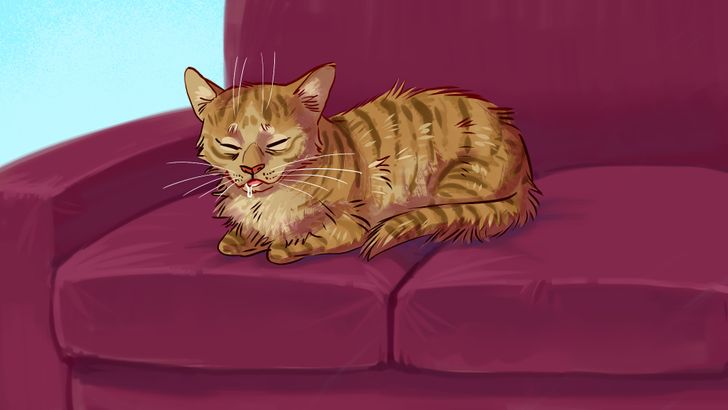
A metabolic disorder may be present in some specific organ or it may be a systematic disease that is affecting the health of your little 4-legged companion. Such problems can be hereditary, due to the breed or age. In both dogs and cats, the most common side effects are diabetes and hypothyroidism.
3. Head injury
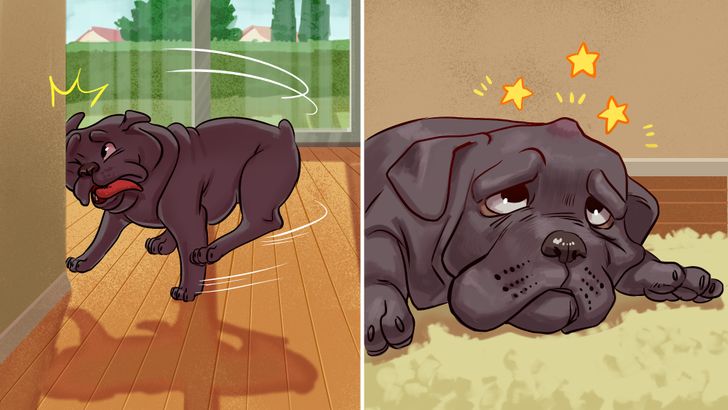
Head trauma can occur in your pets when they receive a blow to the head or go through a car accident. These problems are divided into 2 categories: primary and secondary. The primary occurs at the same time as the trauma, leaving direct and irreversible damage to the animal’s brain. On the other hand, the latter occurs minutes after the trauma, due to the physical and biochemical combination that leads to intracranial hypertension.
4. Liver problems
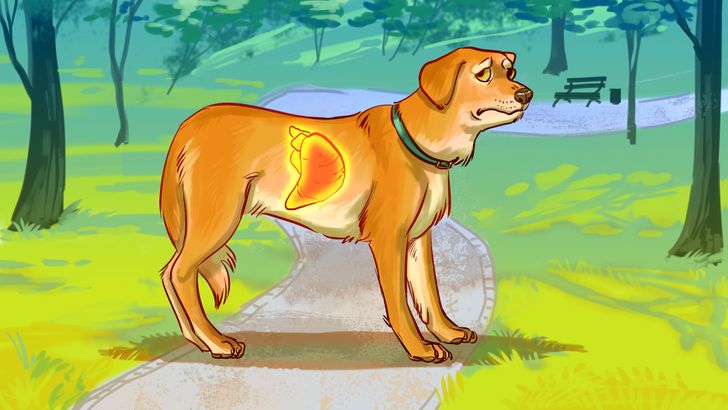
The main function of the liver is to remove any substance from the blood that’s harmful to the body. When it comes to your pet, a problem with this organ can be very dangerous. There are different diseases, infections, medications, and chemicals that can harm the liver. In dogs, the most common effects are hepatitis, diabetes, or Cushing’s syndrome. And in cats, fatty liver disease, infectious peritonitis, and feline leukemia can also be associated with liver disease.
5. Nervous system disorder
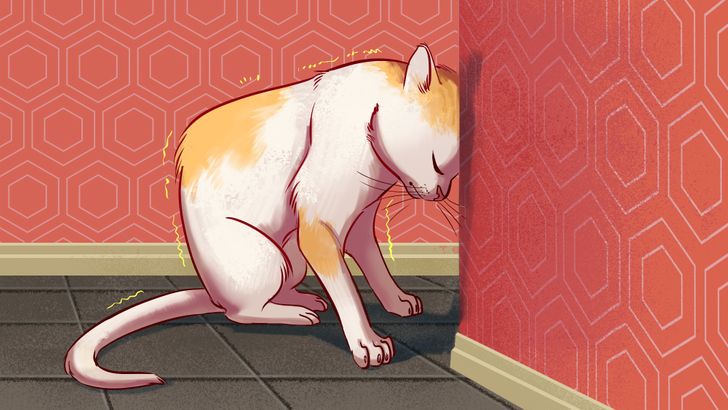
Some of the most obvious symptoms that reveal your pet has neurological problems are paralysis, tremors, or seizures. These types of problems come from the central or peripheral nervous system and the most affected areas are the brain, spinal cord, and nerves due to poisoning, nutritional deficiencies, or inherited disorders. You may notice that your pet has an infection in its nervous system if they have trouble seeing, urinating, or blinking — or, of course, if they rest their head on some surface.
6. Brain tumor
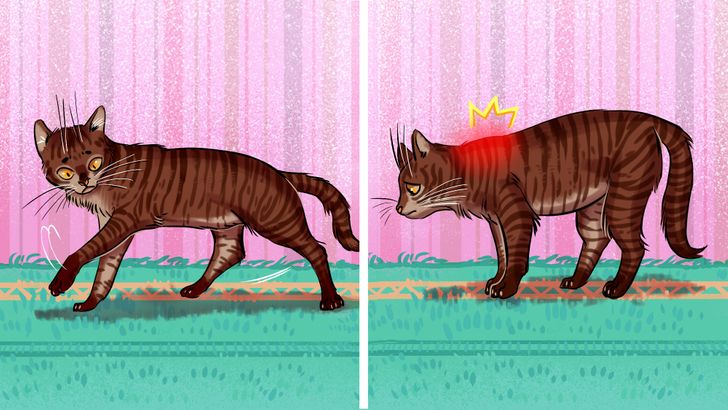
First of all, a brain tumor is a mass that is created in the brain. These tumors can either be primary, which derive from the brain’s own cells, or secondary, which are created in other parts of the body and extend to the brain. It’s quite common for these tumors to occur in older cats and dogs, and can be noticed when the animal has trouble thinking, walking, being active, or breathing; is in physical pain, or has poor balance.
7. Exposure to toxins
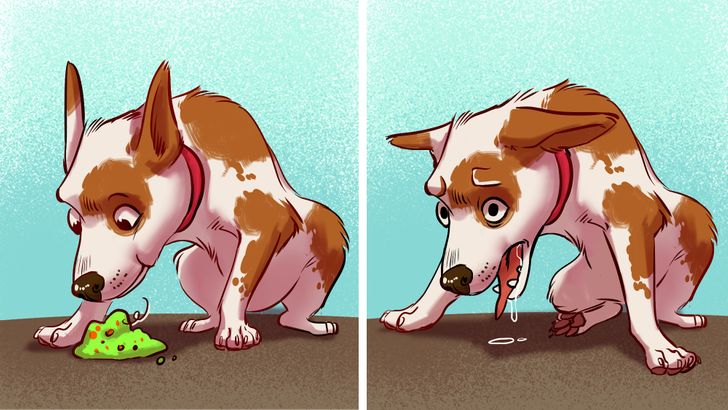
Another reason why your dog or cat may be resting its head on some surface is because it’s intoxicated. There can be multiple reasons for this problem, such as the intake of human food, or medicine, or by chemicals such as bait for rodents, plants, or garden products.
Bonus: how to help your pet
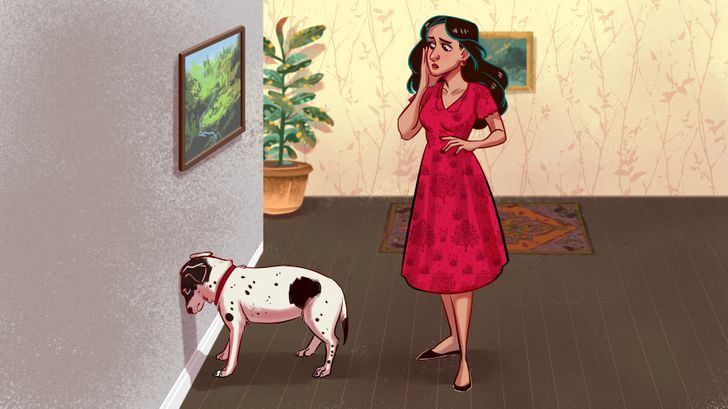
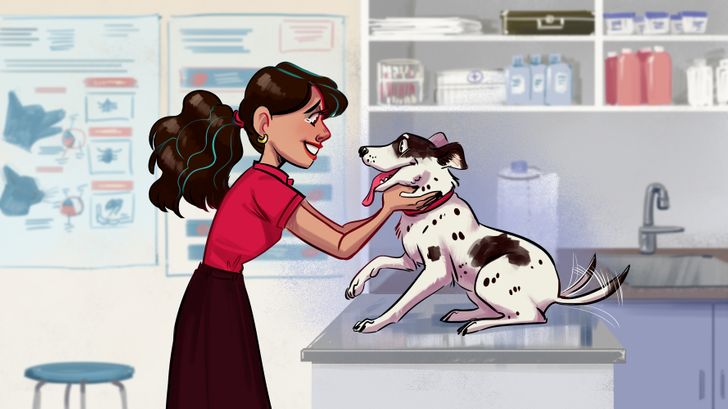
If you notice a strange change in your pet’s behavior, the first thing you should do is visit a vet. Subsequently, the process of diagnosing the cause of why your little 4-legged friend is behaving like that will begin — that is, if it’s from intoxication, a tumor, metabolic problems, etc.
Together, you and your vet will be able to decide how to help your pet through the corresponding treatment. The recovery will depend on the cause, but the most important thing is to follow the medical instructions and let your dog or cat rest and eat.
Have you ever noticed your pet pressing its head against the wall? If so, how did you help your little one? Tell us in the comment section.
8
 zi ang