
Spring is the time to plant and seed. If you usually pick plants and flowers for your garden intuitively or by color, shape and size, perhaps this year you can try to change your approach a bit. This time, pick your plants based on whether or not they can repel pests or attract pollinators. This way of gardening will help you solve 2 problems at once, keeping nasty bugs out of your garden and harvesting more crops thanks to pollinators.
Here at Bright Side, we’ve made a short guide on the types of plants that repel pests and the kinds that attract “good” insects and birds to your garden.
Plants that repel pests
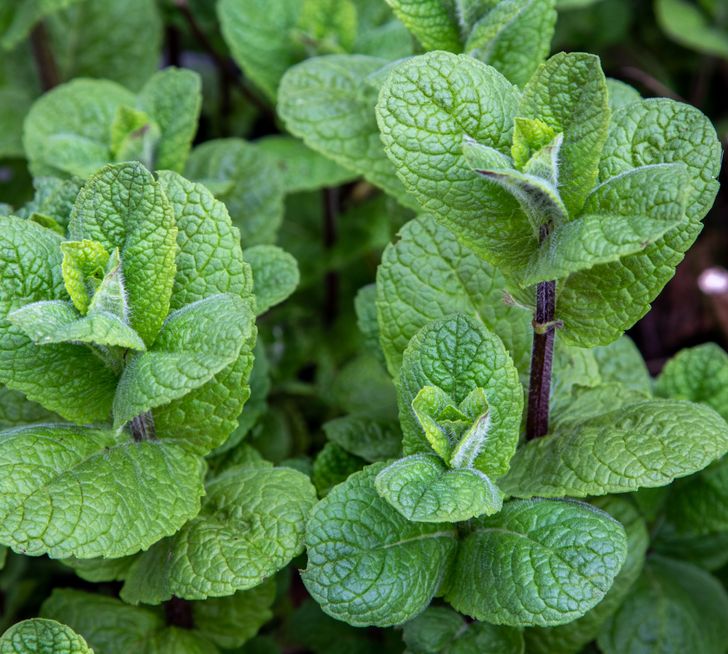
1. Mint
 © Shutterstock
Mint prefers well-drained but moist ground, tolerates shade, and needs minimal care. Mint is the plant that we love thanks to its strong fragrance. But some animals and bugs just can’t stand the smell of mint, and we can use this feature to our advantage.
It can repel ants, mosquitoes, slugs, snails, and mice.
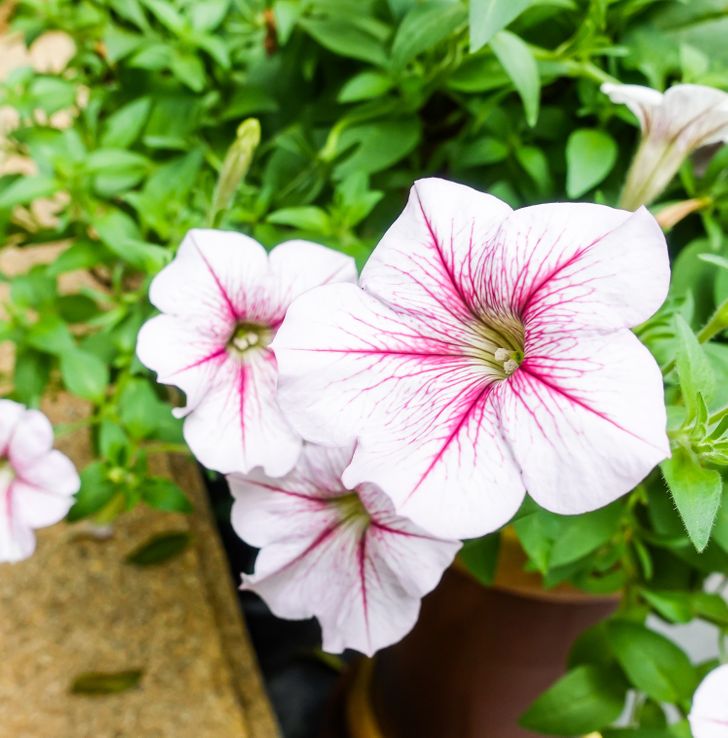
2. Petunia
 © Shutterstock
Petunias can grow in partial shade and need to be protected from the wind. Make sure these plants have a 1-foot distance between each other. Petunias are among the most popular garden flowers — they’re beautiful and bright, and also have a nice bonus feature: they can repel nasty bugs.
It can repel leafhoppers, aphids, tomato hornworms, and asparagus beetles.
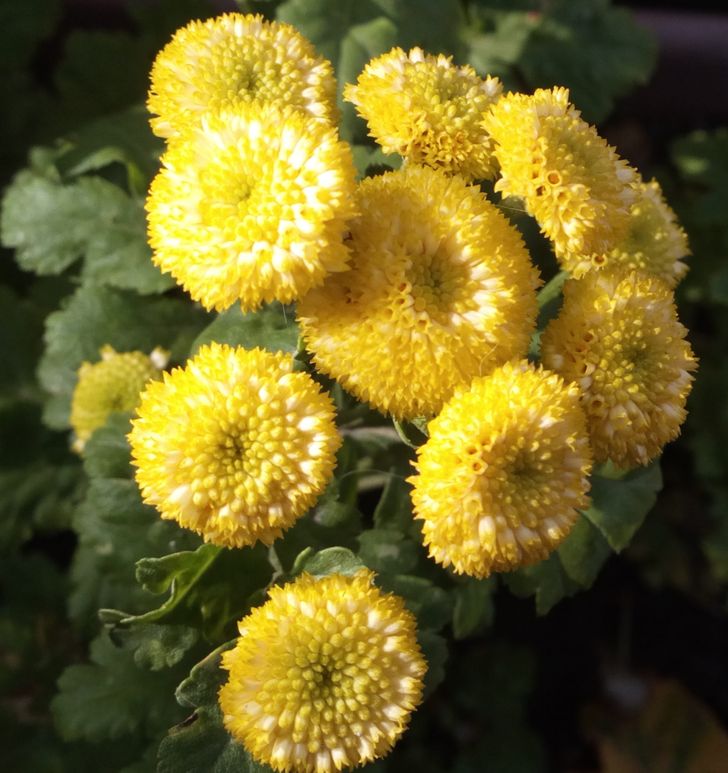
3. Chrysanthemum
 © Shutterstock
When planning your flower bed, remember that chrysanthemums need space: they mostly grow to a height and width of 1 foot to 3 feet. These flowers love to be in the sun, well-drained and in evenly moist soil.
It can repel ants, ticks, lice, spider mites, and silverfish.
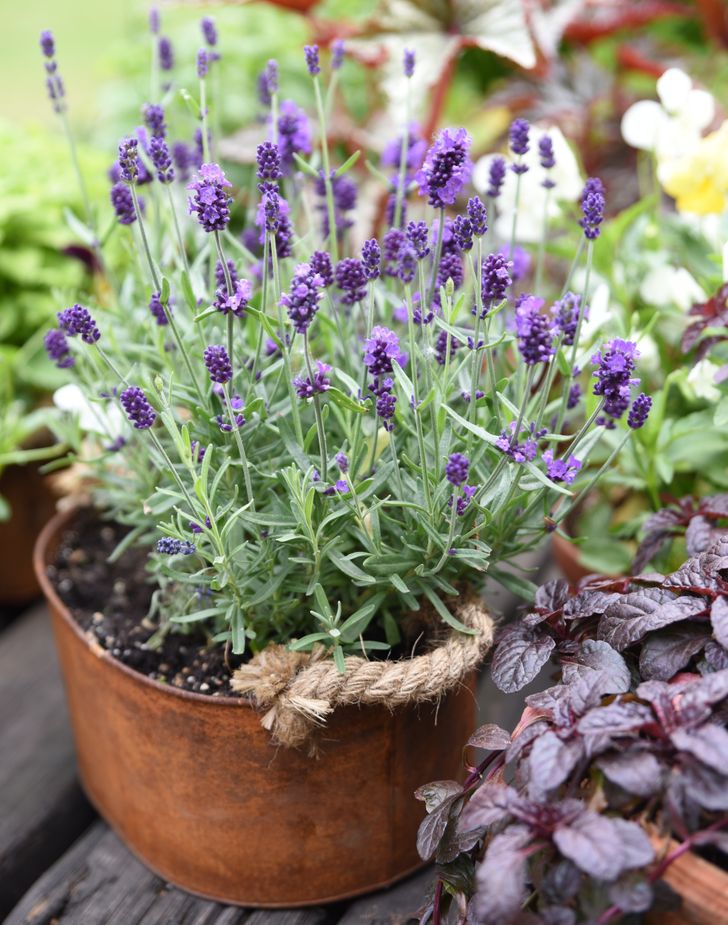
4. Lavender
 © Shutterstock
Lavender is another big plant that needs space, so make sure you plant seeds 2 feet to 3 feet apart. Lavender doesn’t like wet, poorly drained soil, but it can grow in bad soil. There’s a great number of ways to use lavender at home, and it also can repel some pests.
It can repel house flies, moths, and fleas.
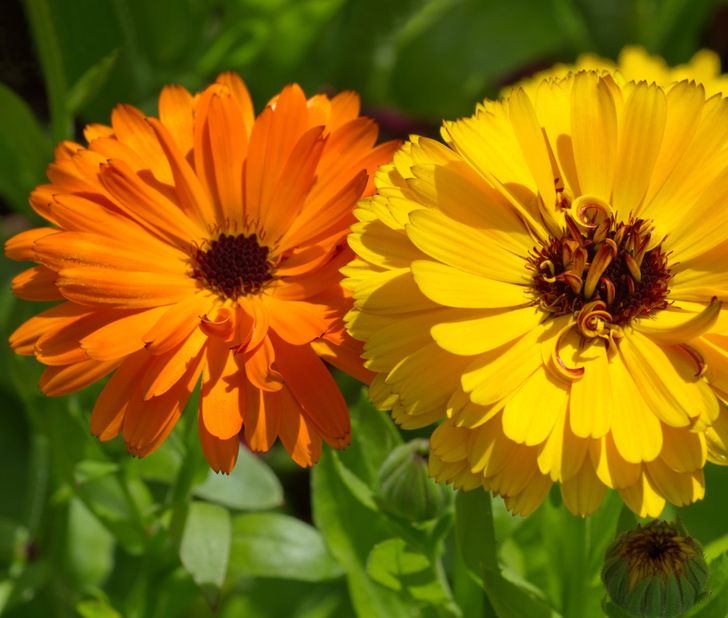
5. Calendula
 © Shutterstock
Calendulas will surely add some brightness and cheerfulness to your garden. They love sunshine and nourishing, well-drained soil. Apart from repelling some pests, calendulas attract “good” insects like hoverflies that help to control the population of aphids.
It can repel asparagus beetles and tomato hornworm.
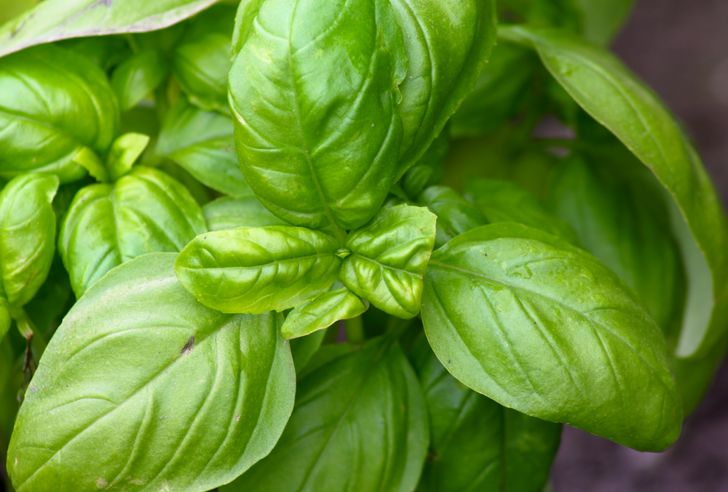
6. Basil
 © Shutterstock
Basil is one of the most popular plants in the kitchen and it adds a lot of fragrance and taste to our favorite dishes. You can grow basil in vegetable beds or plant it in pots or containers and place them in your garden. Choose a place with mist and well-drained soil.
It can repel mosquitoes, mosquito eggs, and houseflies.
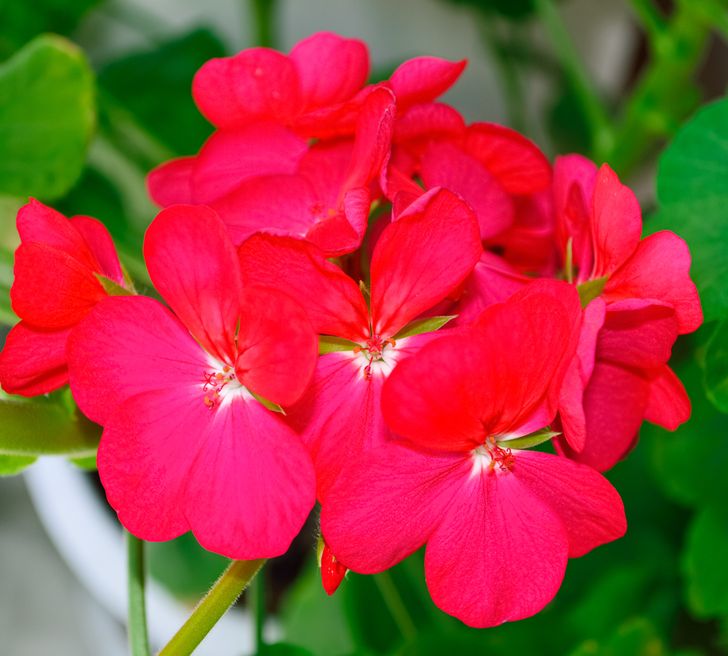
7. Geranium
 © Shutterstock
These flowers are known as garden classics. Plant geraniums in pots with drain holes. Use well-drained potting soil mixture and put their pots where they’ll get 4-6 hours of sunlight.
It can repel Japanese beetles, mosquitoes, leafhoppers, and corn earworms.
Plants that attract pollinators
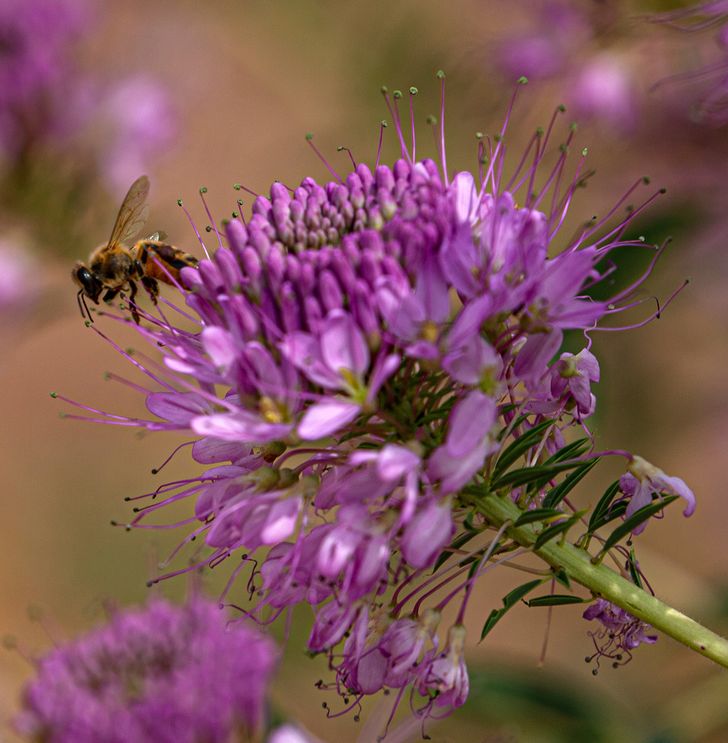
1. Rocky Mountain Bee Plant
 © Shutterstock
These beautiful pink flowers love dry, well-drained, sandy soil and full sun. They are quite easy to grow and don’t need much care. The best thing about these flowers, apart from their incredible fragrance, is the fact that they can attract many pollinators to your garden.
It can attract bees, wasps, butterflies, and hummingbirds.
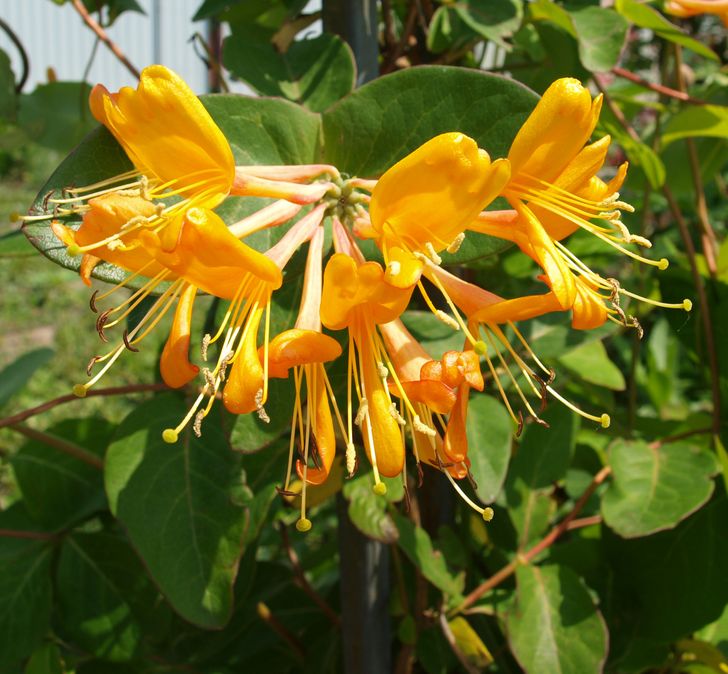
2. Honeysuckle
 © Shutterstock
Honeysuckle flowers have a variety of colors from yellow to red, and their sweet smell can turn your garden into a real paradise. They prefer full sun and well-drained soil and grow best with some support like a trellis or fence.
It can attract hummingbirds and hawk moths.
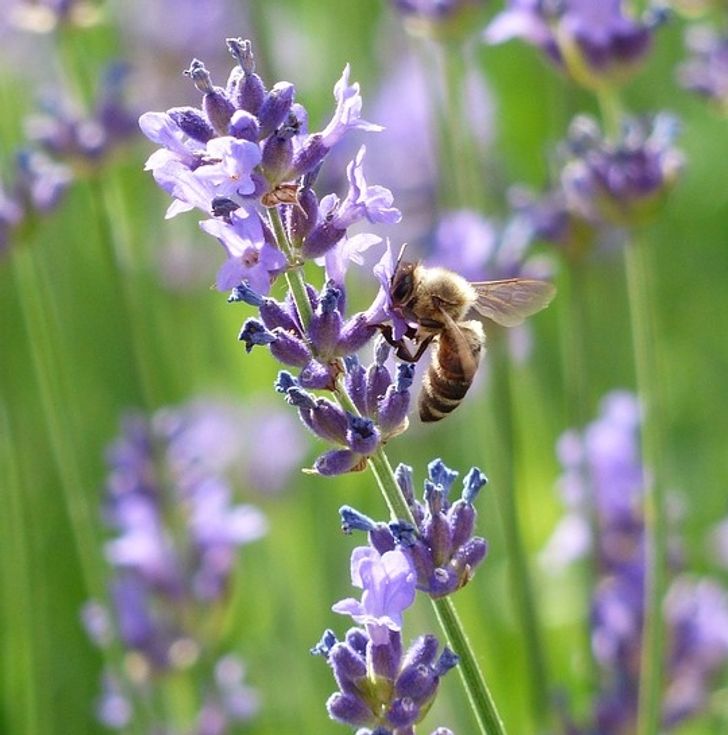
3. Lavender
 © Pixabay
We’ve included lavender into our article twice because in addition to repelling pests, it can also attract “good” insects to your garden.
It can attract honey bees and butterflies.
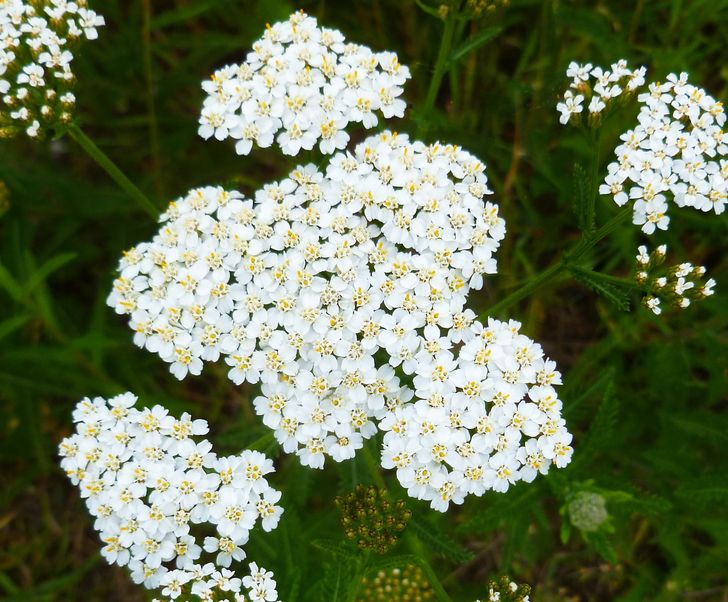
4. Yarrow
 © Shutterstock
If you want to have many beautiful flowers around your yarrow, plant it in a place that gets full sun in well-drained soil. Choose average or poor soil in order to prevent the plants from growing too tall.
It can attract butterflies and bees.
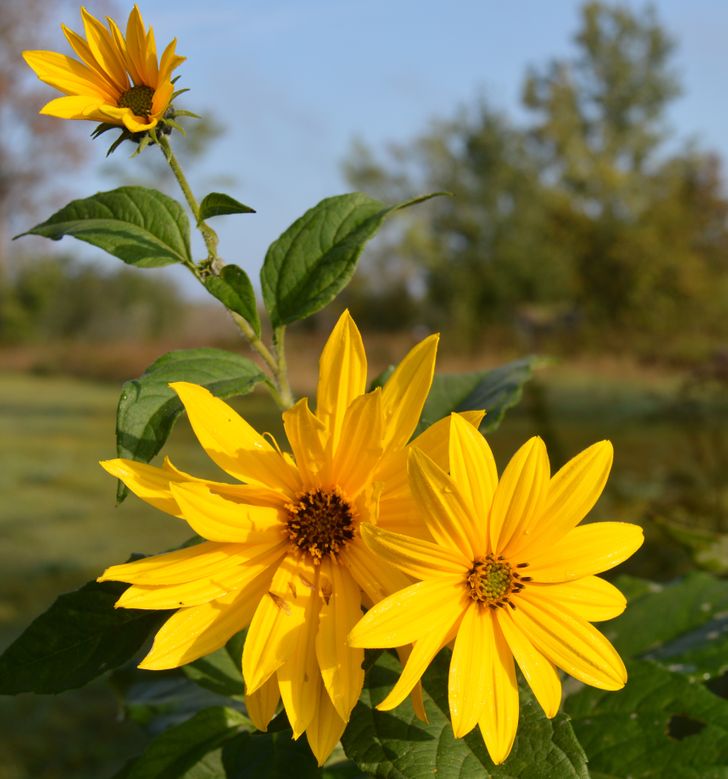
5. Sunflower
 © Shutterstock
Plant sunflowers in a place where they can get 6-8 hours of direct sunlight per day. These plants prefer loose and well-drained soil and are mostly drought-tolerant.
It can attract bees and birds.
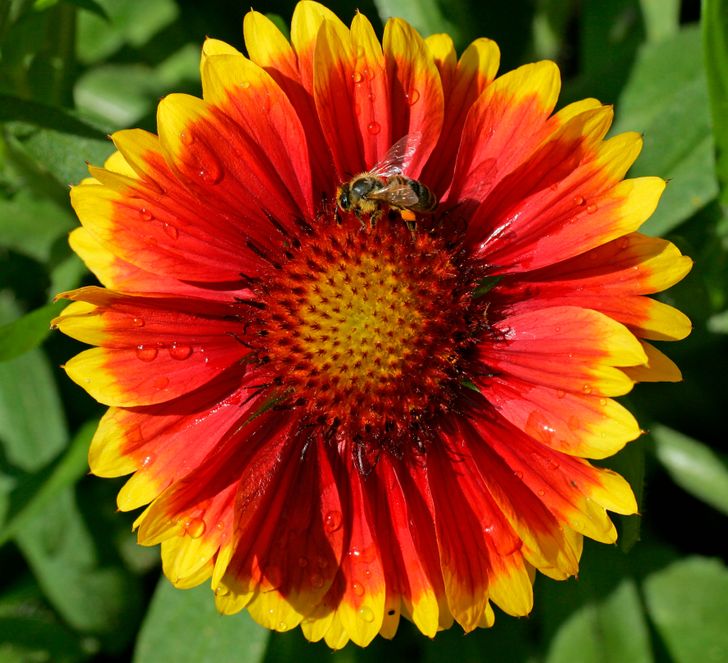
6. Gaillardia
 © Shutterstock
These gorgeous, often 2-toned flowers prefer dry and sunny places and don’t like heavy, wet soil. Gaillardias, or blanket flowers, can bloom till the end of the season, which is why they’re worth including in your flower beds.
It can attract butterflies, bees, and moths.
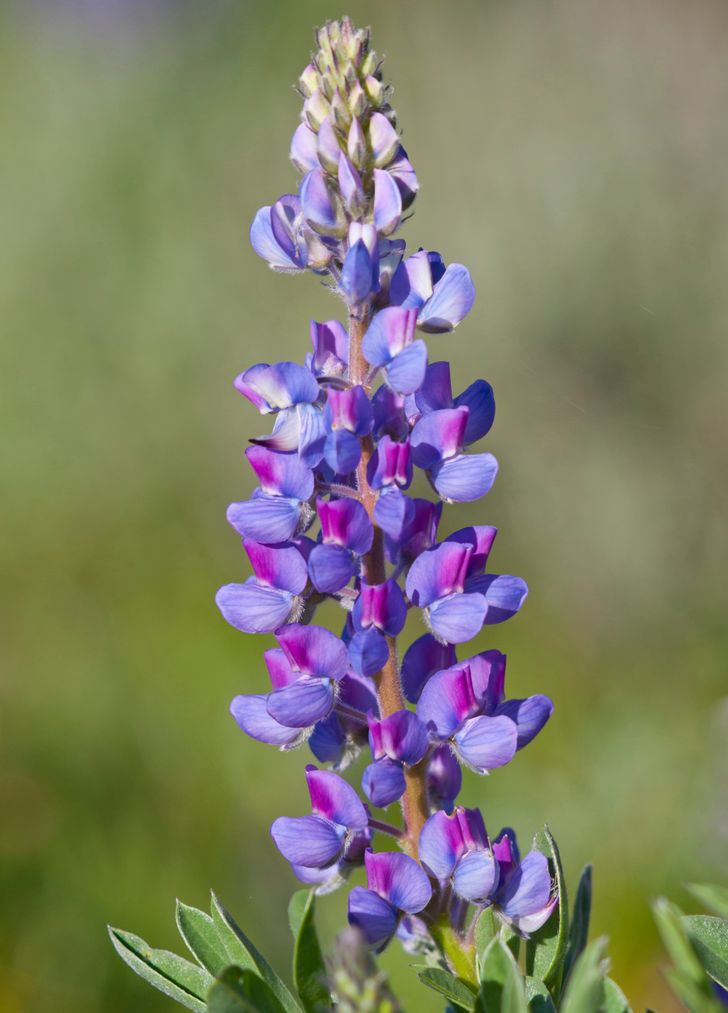
7. Lupine
 © Shutterstock
Lupines like well-drained soil and sunny sites. They can tolerate some shade, but in this case, it will give you fewer flowers. With time, lupines can raise the fertility of soil.
It can attract butterflies.
Do you have a garden? Would you like to plant any of the flowers and plants from our list? Share the pictures of your flower beds in bloom in the comments!
 zi ang