
46. Sugar Frosted Flakes
Where It Was Sold: Wegmans, Safeway
Company: Kellogg’s
Original Price: $1*
Frosted Flakes, made by Kellogg’s, was introduced in the early 1950s. Over the next decade, the crunchy sugar-coated cornflakes boomed in popularity, making them a sweet breakfast treat for children and adults who still liked to eat like a child.
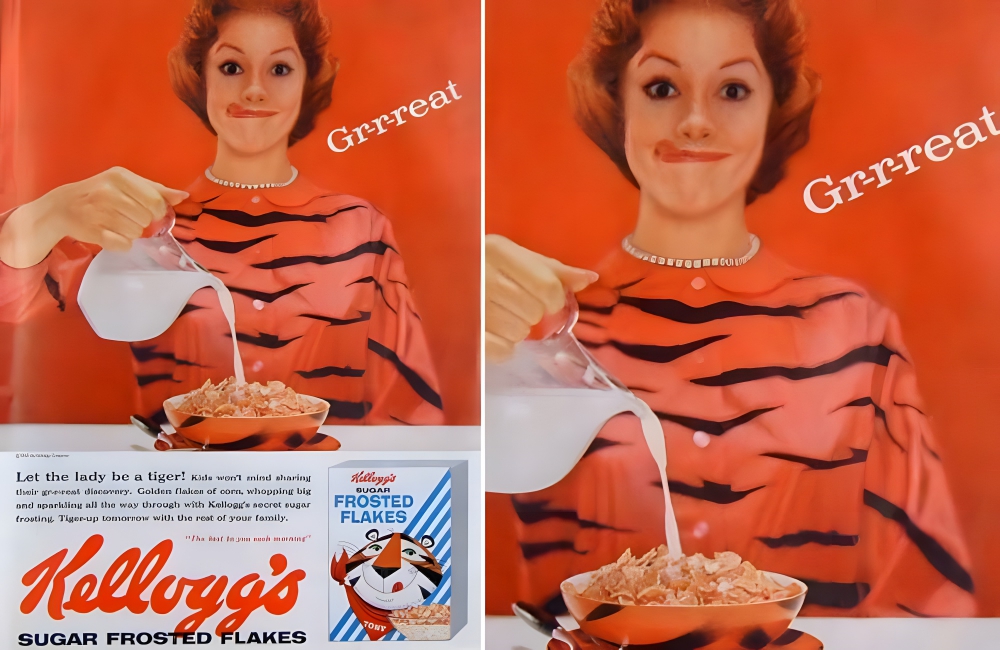
@FrostedFlakes/Wikimedia Commons
Tony the Tiger, the mascot for Frosted Flakes, was introduced in the 1950s and became an icon of American advertising in the following decades. The cereal’s tagline, “They’re grrreat!” became widely known and is still recognized today. Despite controversy surrounding sugar content in cereals, Sugar Frosted Flakes remain a classic breakfast staple.
47. Brach’s Candy
Where It Was Sold: Woolworths, Wegmans, Big Bear
Company: Ferrara Candy Company
Original Price: $0.20 per pound*
A popular confectionery brand of the 1960s, Brach’s candy was known for its mouth-watering flavors and affordable prices. From chocolate-covered peanuts to fruit-flavored jelly beans, Brach’s offered a wide range of treats that satisfied the sweet cravings of anyone with a sweet tooth.
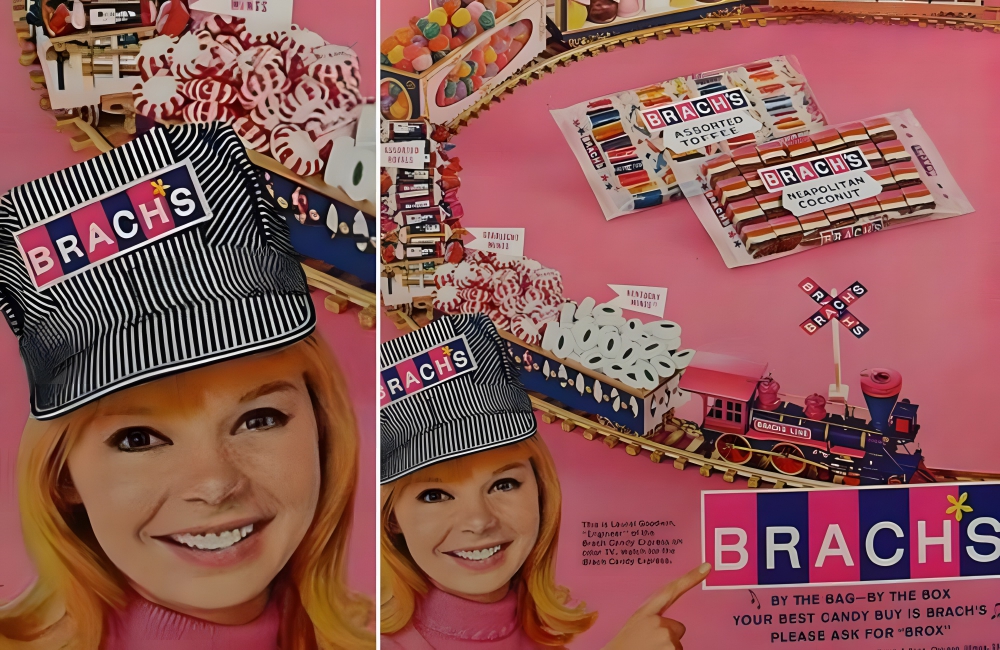
Brach’s Candy @radiofelicidad/Twitter.com
The brand’s most well-known product was the Brach’s Milk Maid Caramels, which featured soft and chewy caramel wrapped in wax paper. Even today, Brach’s candies remain a common sight in American homes but can most commonly be seen in a dish on a table at grandma’s house — just like in the ‘60s.
48. Freeze-Dried Instant Coffee
Where It Was Sold: Safeway, Wegmans, Walmart
Company: Maxim
Original Price: $2-$5*
The convenience of instant coffee became a hit in the ‘60s. Freeze-dried instant coffee was popular because it required minimal effort and offered quick caffeine fixes. Nescafe introduced Taster’s Choice in the late 60s, with Maxim also introducing a concentrated instant coffee.
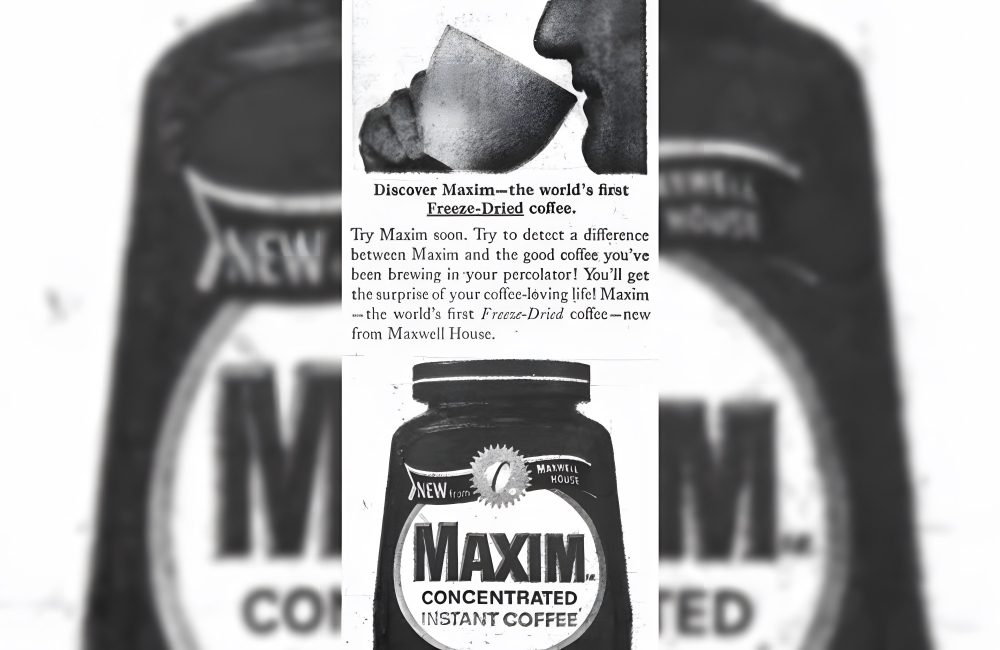
Freeze-Dried Instant Coffee @Google/Pinterest
The simplicity of making a cup of coffee in seconds appealed to busy lifestyles, and coffee drinkers enjoyed instant coffee’s consistency and smooth taste. It may not be everyone’s cup of tea, but in the ‘60s, it was most people’s cup of coffee.
49. Fondue
Where It Was Sold: Restaurants, Giant Eagle, Kroger’s, Publix
Company: Hamilton Beach and others
Original Price: $20-$30 for a fondue pot*
Though fondue technically has been around since the 1700s, this Swiss dinner reached new heights of popularity in the ‘60s. Back then, if you wanted to host a great party, all you had to do was stop by the store and grab some cheese, meat, and bread.
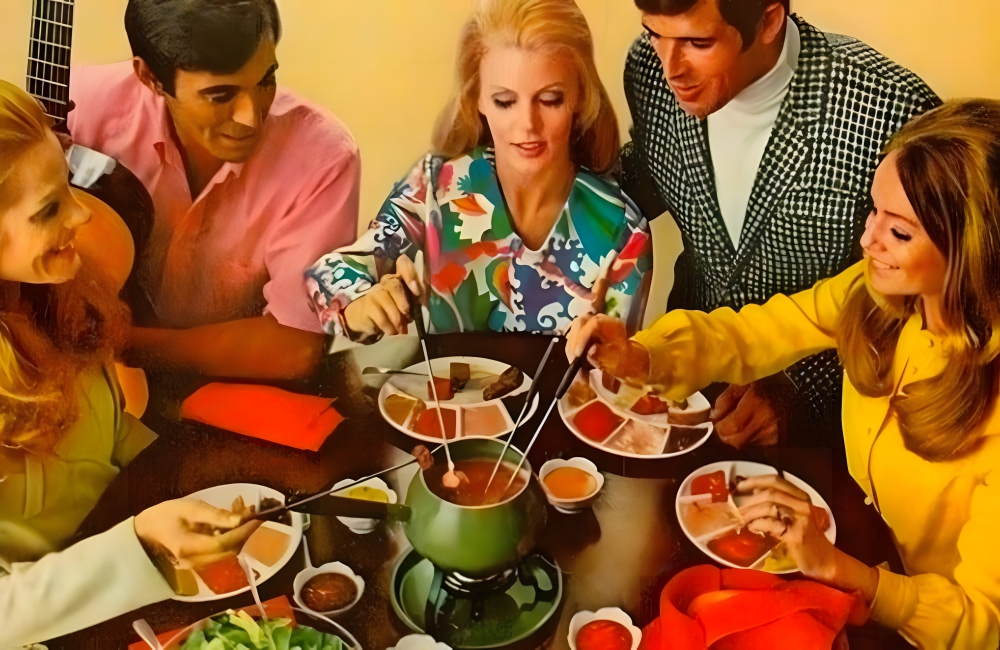
Fondue @popsugar/Pinterest
The ‘60s wanted something that was cool-yet-informal, and fondue was the answer. By the ‘60s, there were nine brands that offered premade fondue in cans or packets, which made throwing one of these fondue parties way easier.
50. Bundt Pans
Where It Was Sold: Macy’s, Marshall Field, Hudson’s
Company: Nordicware, Hamilton Beach, and more
Original Price: $2-$6*
The bundt pan was created in 1950 by a food scientist named David Dalquist, who was famous for founding Nordic Ware. The Minneapolis-based cookware company was onto something with this pan, as a bundt cake became a hit dessert in the ‘50s and, especially, in the ’60s.
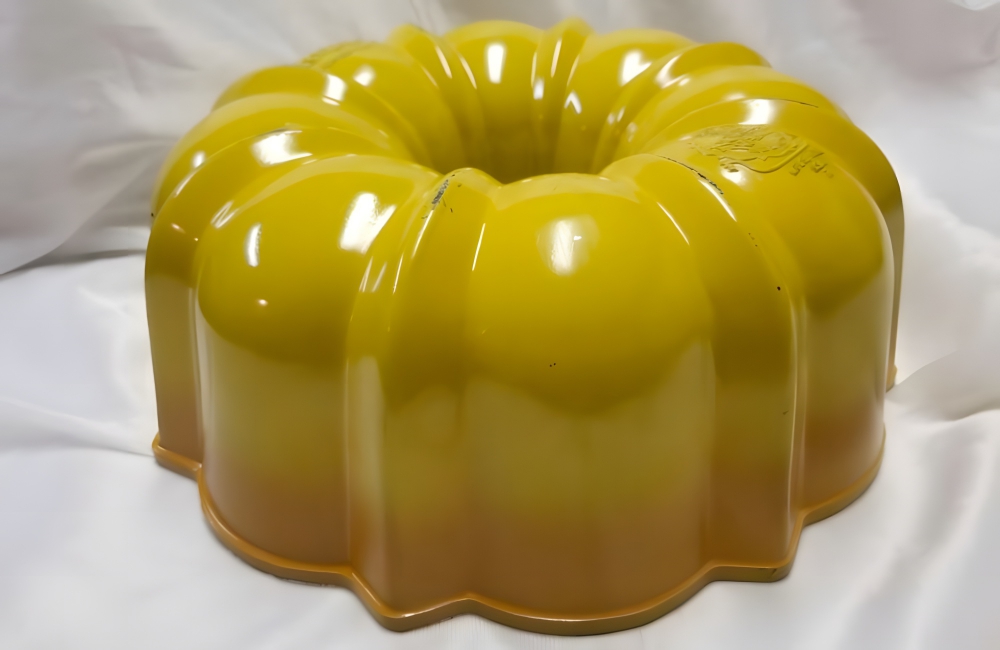
Budnt Pans @ebay/Pinterest
There were tons of different recipes for bundt cakes in the ‘60s; all you had to do was look in any cookbook and you’d find one. People loved bundt cakes, and bringing one to a party was a great way to become the favorite guest.
51. Wheaties
Where It Was Sold: Winn-Dixie, Kroger, Food Giant, Big Bear, Lucky
Company: General Mills
Original Price: $0.50*
Wheaties has been around for a century as the “Breakfast of Champions.” This whole-grain cereal was popular in the ‘60s, featuring athletic champs like Muhammad Ali, who nabbed a gold medal at the 1960 Olympics in Rome.
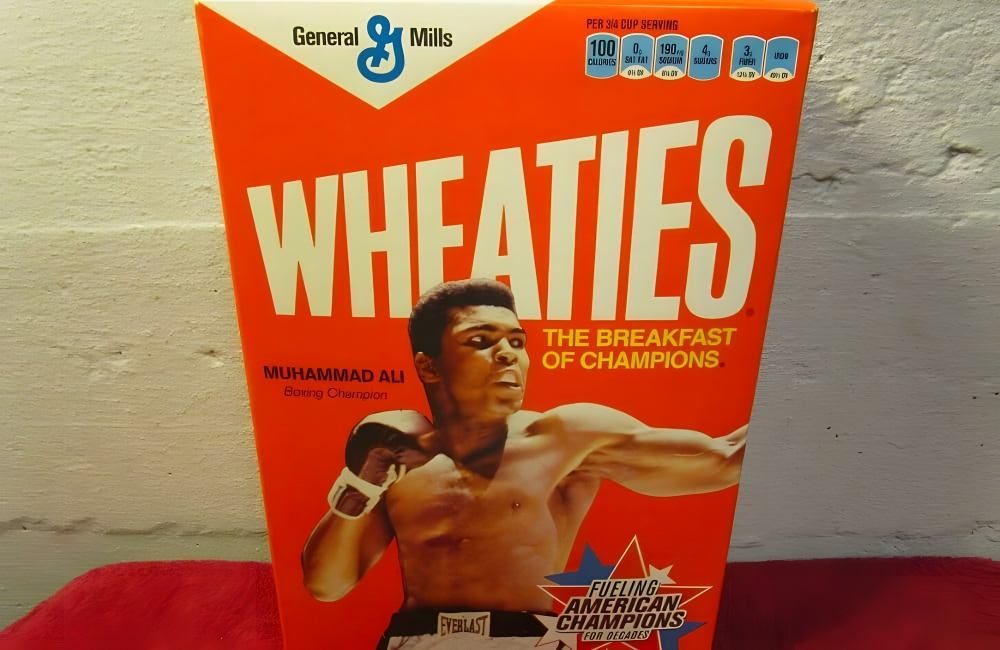
Wheaties @ebay/Pinterest
In some Wheaties boxes in the ‘60s, you could even get a “free sports fitness tester” and other athleticism-related toys. The cereal brand leaned heavily into being healthy, and that marketing ploy worked. Some Wheaties boxes are now very valuable, such as the 1951 Ted Williams Box, which retails for $2,500 on collectors’ markets.
52. Swiss Cheese Plants
Where It Was Sold: Lowes, Local Garden Stores
Company: Various Growers
Original Price: $1-$5*
If you’ve ever seen Mad Men, then you know that the “green sixties” were all about their tastefully-arranged houseplants. A houseplant you could find in almost any home was the Monstera Adansonii, better known as the Swiss Cheese Plant.
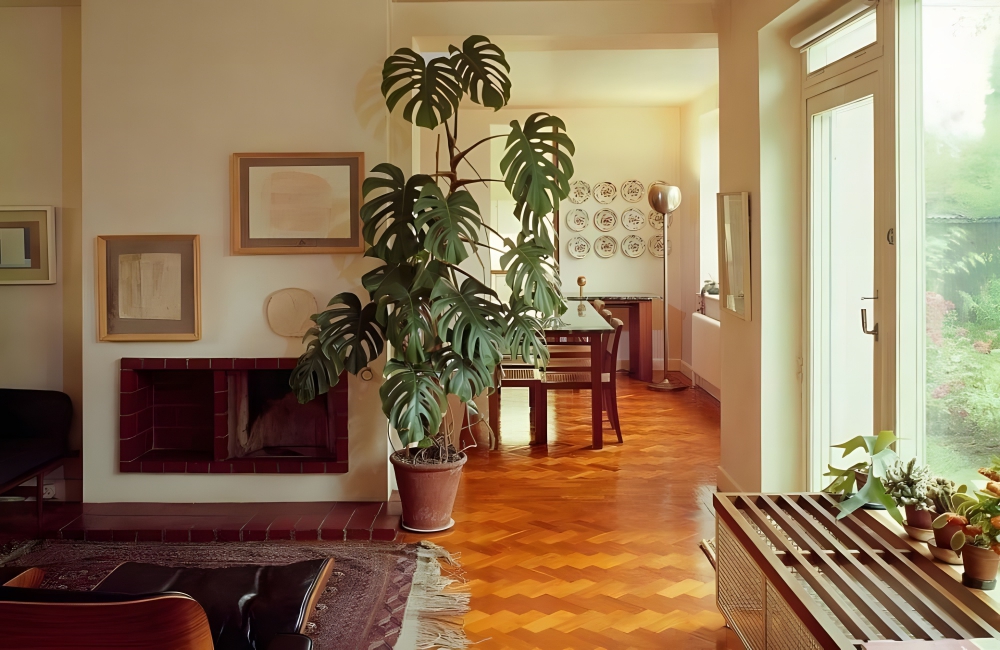
Swiss Cheese Plants @leonandgeorge/Pinterest
The Swiss Cheese Plant made sixties’ homes look like indoor jungles. House Fur described the Swiss Cheese Plant as one of the “best houseplants of the 1960s,” available for purchase at stores like Lowes and other local garden stores.
53. Lite-Brite
Where It Was Sold: Sears, Macy’s, Marshall Field
Company: Hasbro
Original Price: $2-$5*
Originally marked in the mid-sixties, Lite-Brite is a toy that quickly became a best-seller at toy stores. It consisted of a “light box” with tiny plastic pegs that, when placed into the panel, would form a lit-up, glowing picture.
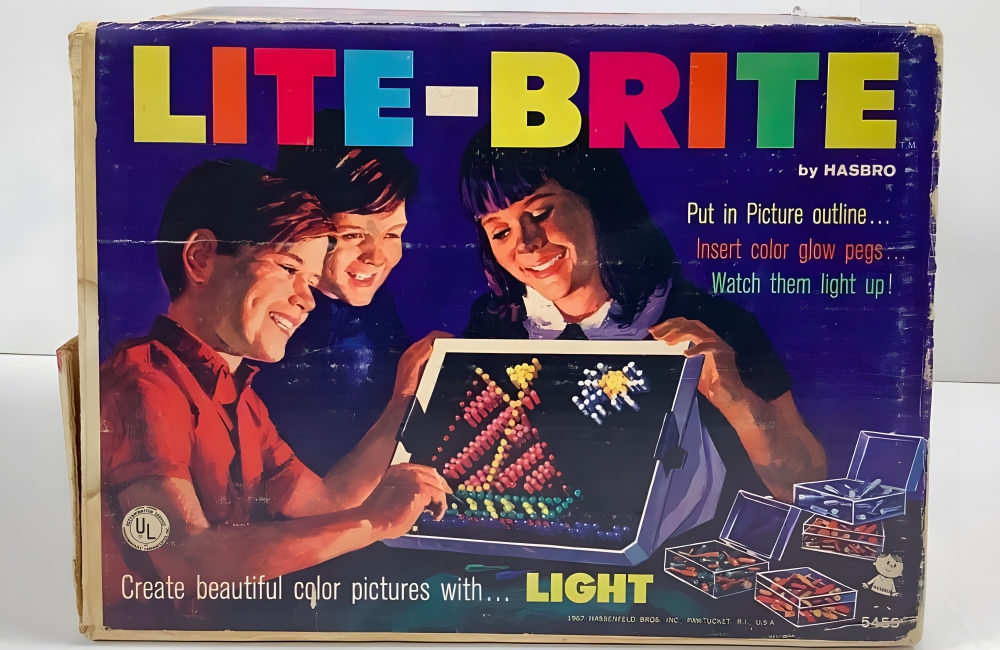
Lite-Brite @ebay/Pinterest
You could use templates or come up with your own creative image, if you wanted. As one website put it, Lite-Brite might’ve been a “low-tech toy,” but kids were obsessed with it, and the brand sold millions of these board games.
54. Pond’s Cold Cream
Where It Was Sold: Macy’s, Rite Aid, CVS, Walgreens, Beauty Stores
Company: Pond’s
Original Price: $0.50*
If you wanted to take off your cake foundation, red lipstick, and black mascara in the 1960s, you knew exactly what brand to use: Pond’s Cold Cream. Pond’s Cold Cream came out in 1905, and its marketing changed over time. In the ‘60s, Pond’s was all about anti-aging.
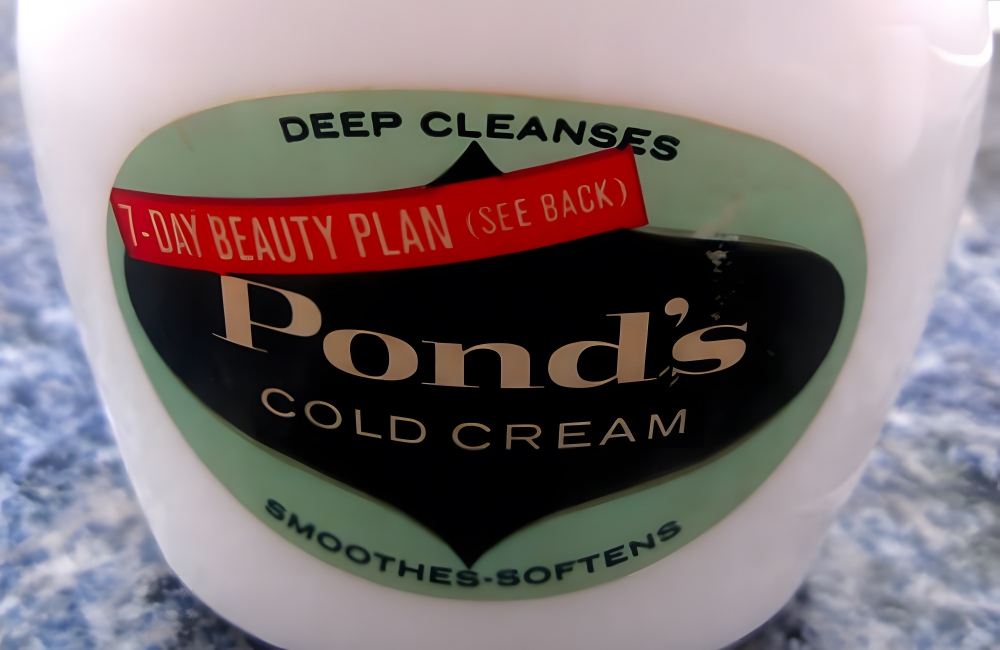
Ponds Cold Cream @Do You Remember?/Facebook
Not only would this moisturizer clean your skin; it would also moisturize it, too, reducing the appearance of wrinkles. Pond’s marketing also advertised women as being “busy but beautiful,” ensuring that the cream kept up with the times as women began to work outside the home more and more.
55. Ultra Velvet/Ultra Frost Power Shadows
Where It Was Sold: Macy’s, CVS, Rite Aid, Sears
Company: Maybelline
Original Price: $1.50*
“They feel smooth as cream,” read the ad for Maybelline’s brightly-colored eyeshadow palettes. In the 1960s, Maybelline came out with this series of mod-like, pastel shades that were very popular for the time.
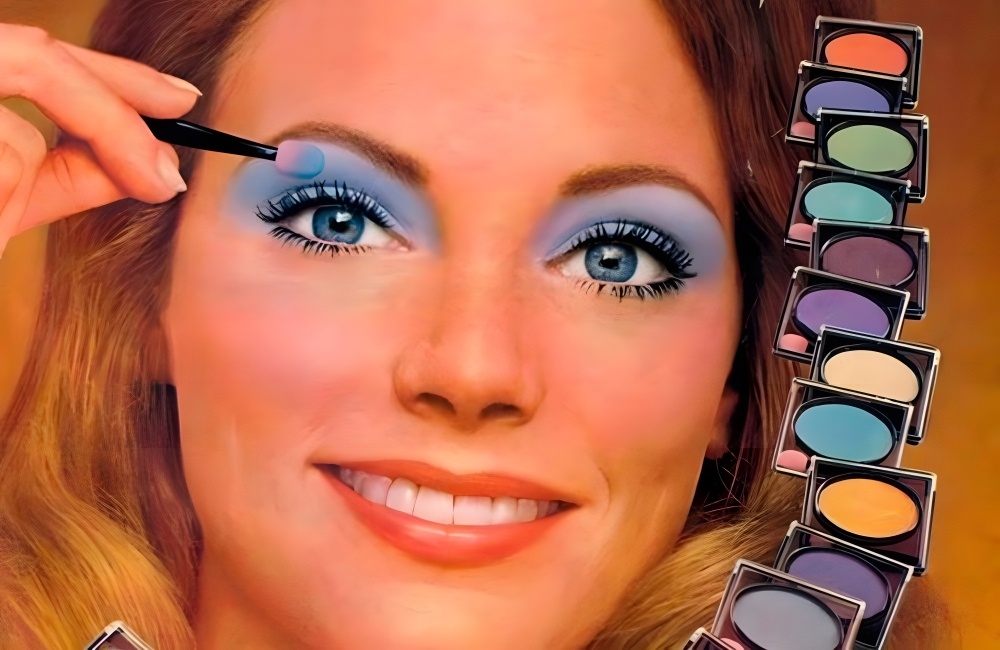
Ultra Velvet/Ultra Frost Power Shadows @startsatsixty/Pinterest
The Ultra Velvet and Ultra Frost Powder Shadows promised to make “plain eyes come alive,” and these colors were a huge hit at the beauty counters of Macy’s and Sears. When you think of ‘60s-era makeup, bright blue eyeshadow and dark mascara are likely the two looks that jump to mind, and both are pictured here.
56. The Salonette Portable
Where It Was Sold: Macy’s, Sears, Walmart, Beauty Supply Stores
Company: Sears
Original Price: $27.95*
Why sit under a hot dryer at the beauty salon when you could dry your own hair in the comfort of your home for free? That was what the inventors of this vintage, tabletop salon-style dryer were thinking when they released this $27.95 product.
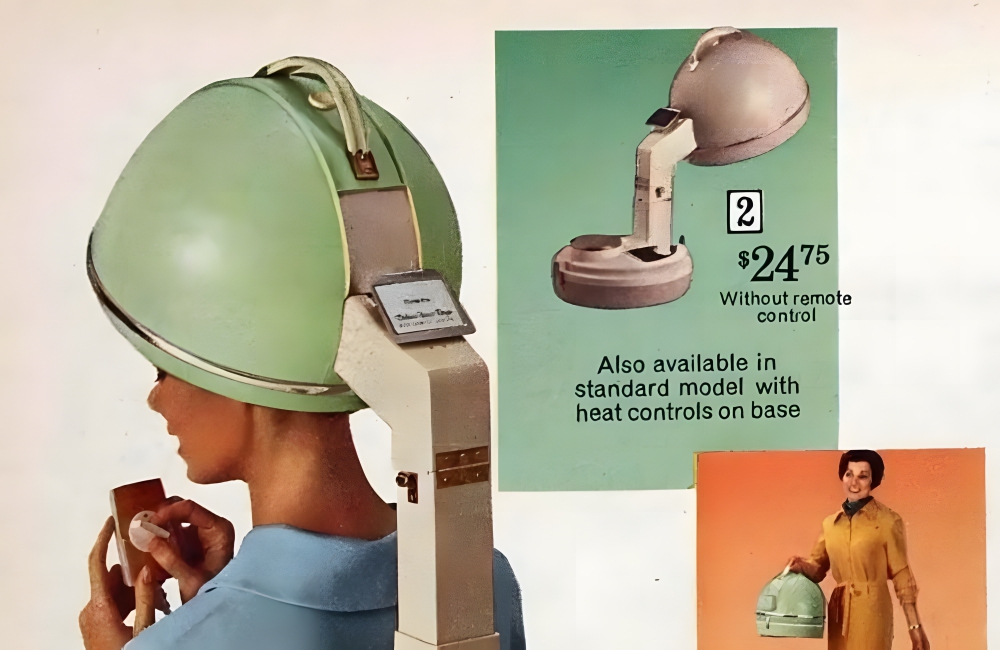
The Salonette Portable @clickusa/Pinterest
The hair dryer was “extra fast,” thanks to its “full 700 watts” of power. You could bring the Salonette Portable with you anywhere, as it was basically the size of a large purse. Your backcombed bouffant didn’t have to wait when you had this tool on-hand.
57. Rock Em Sock Em Robots
Where It Was Sold: Macy’s, Sears, Toy Stores
Company: Marx Toy Co.
Original Price: $5-$10*
This two-player toy game came out in 1964, and it featured two battling toys: the Blue Bomber and the Red Rocker. Players would toggle with these characters’ controls, each trying to knock the head off of their opponent.
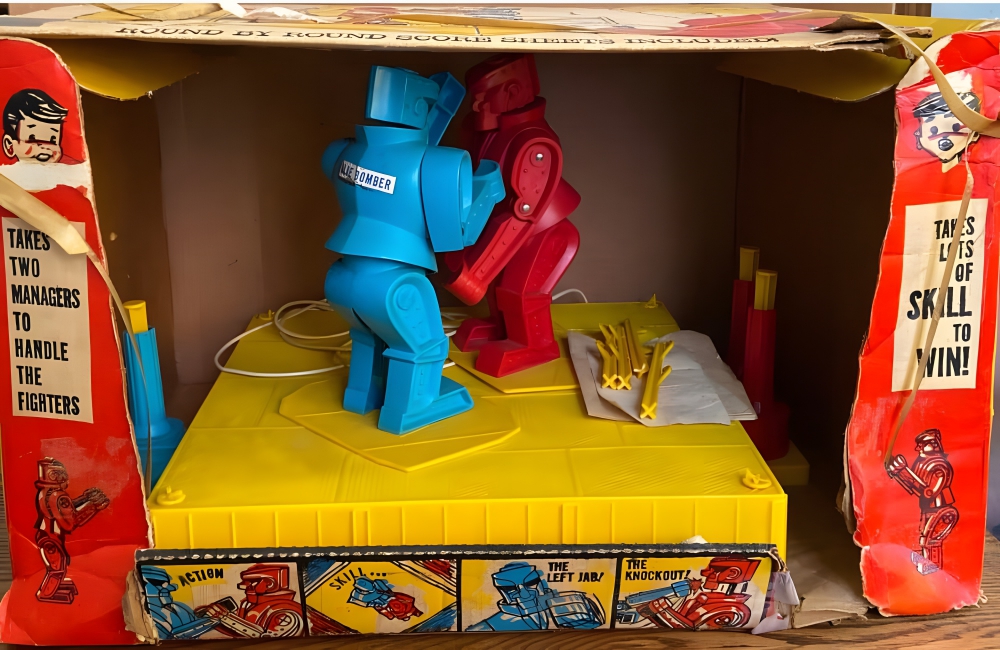
Rock Em Sock Em Robots @ebay/Pinterest
Rock Em Sock Em Robots became a bit of a small pop culture phenomenon, as they enjoyed huge success in America, selling hundreds of thousands of copies a year. In the ‘70s, Marx would update the Robots to make them space-themed, so as to capitalize off the success of Star Wars.
58. Lemonheads
Where It Was Sold: Candy Stores, Food Giant, Kroger, Grocery Stores
Company: Ferrara Candy Company
Original Price: $0.10 per pack*
These sour-shelled, round candies were known as Lemonheads, and the brand was first produced by Ferrara Candy Co. The candy was made from the same process by which Ferrara made its other hit treat, Red Hots.
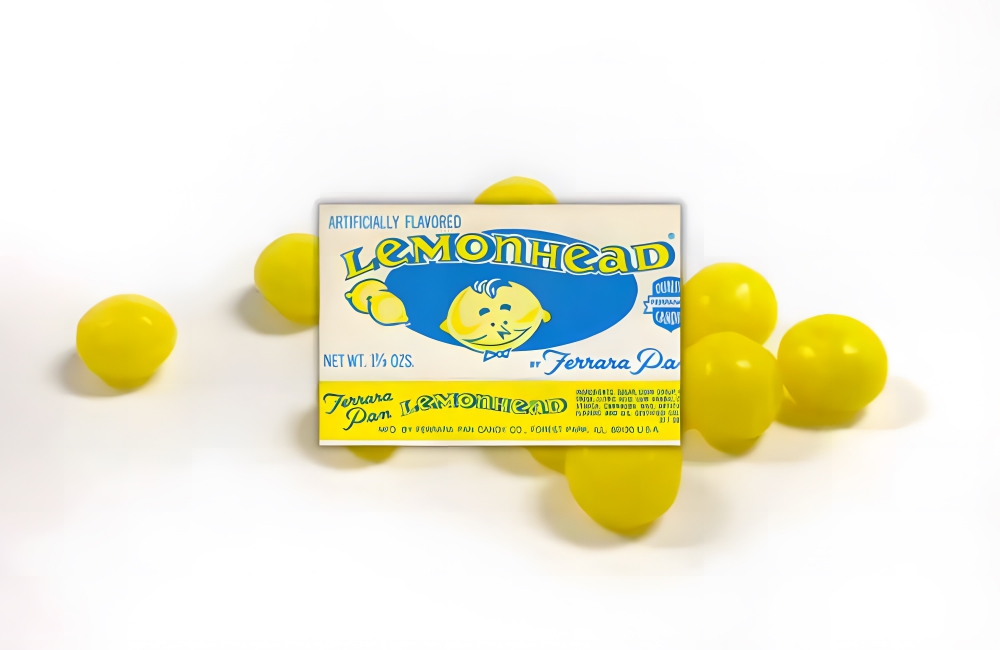
Sirius214/Wikimedia Commons
As time went on and Lemonheads became super-successful, Ferrara would go on to produce Grapeheads, Cherryheads, Appleheads, and more. Lemonheads were a sweet-sour candy that kids begged their moms for in candy and grocery stores in the ‘60s.
59. Nehi Soda
Where It Was Sold: Kroger, Winn-Dixie, Publix, Grocery Stores
Company: Royal Crown Co. (1960s)
Original Price: $0.10*
Joan Crawford, Bing Crosby, Bob Hope, Hedy Lamarr, the cast of M*A*S*H and more were all celebrities asked to advertise Nehi Soda, which became a part of the Royal Crown Corp. in the 1950s. Nehi is a classic vintage soda, having made it through the Great Depression to continue its success.
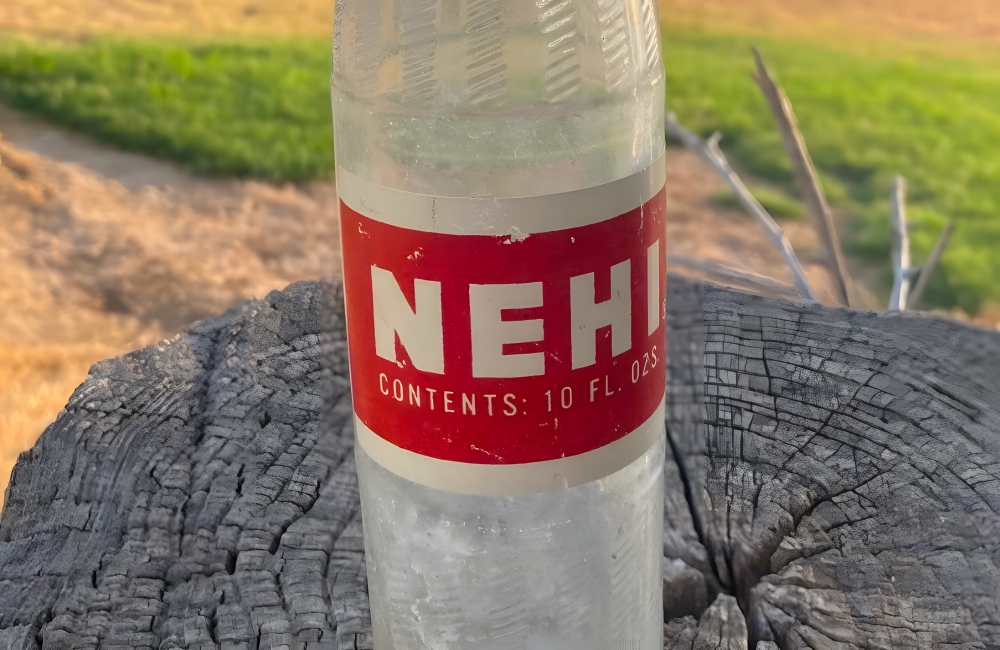
Nehi Soda @etsy/Pinterest
Nehi’s s included a seated woman with knee-high stockings (hence the name), and this ad campaign would later become a big part of A Christmas Story and other pop culture references. Nehi offered ten different flavors at one point, all of which were popular both before and during the ‘60s.
60. Oil of Ulan
Where It Was Sold: Rite Aid, CVS, Walgreens, Macy’s, Sears
Company: Olay
Original Price: $2-$5*
Now known as Oil of Olay, Oil of Ulan was introduced in the 1950s in South Africa, and it became a huge beauty fad in the ‘60s in America. The marketing behind this “ageless” product was very unique. It never described the actual product, instead using semi-mysterious language about “looking younger” due to the Oil’s “beauty secret.”
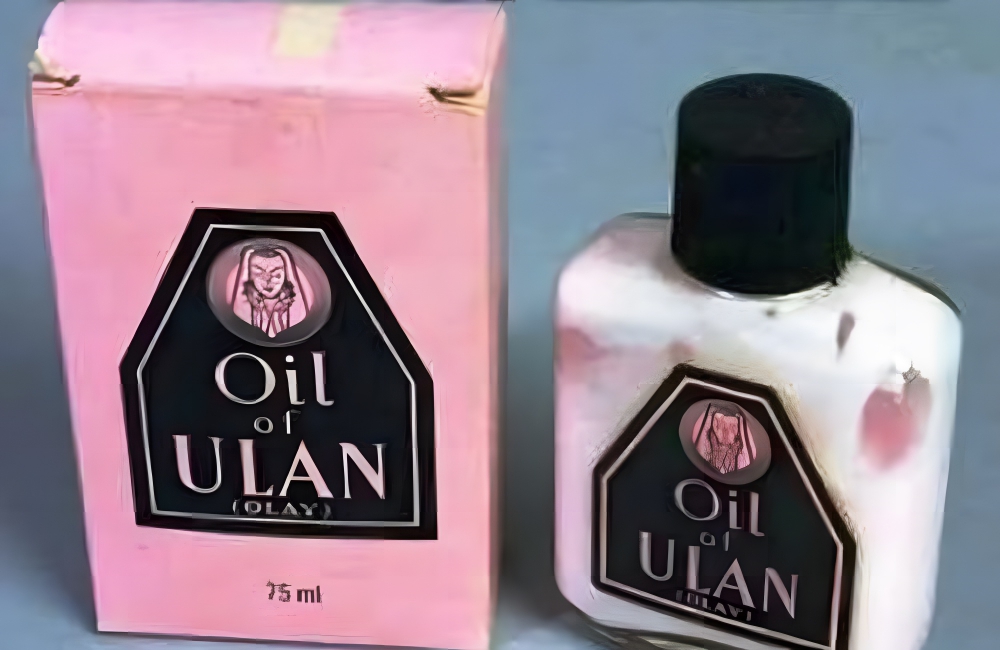
Oil of Ulan @Adelaide Remember When./Facebook
Oil of Ulan ads ran in Reader’s Digest, newspapers, and more publications, looking more like editorials than ads that people were used to. In 2013, this Oil would become the thirteenth billion-dollar brand on Procter & Gamble’s roster, representing decades of success.