
When it comes to acidic white wine substitutes for cooking, we suggest using red and white wine vinegar, lemon juice, pomegranate juice, white grape juice, ginger ale, and apple cider vinegar.
Let’s start with red and white wine vinegar.
1. Red or White Wine Vinegar
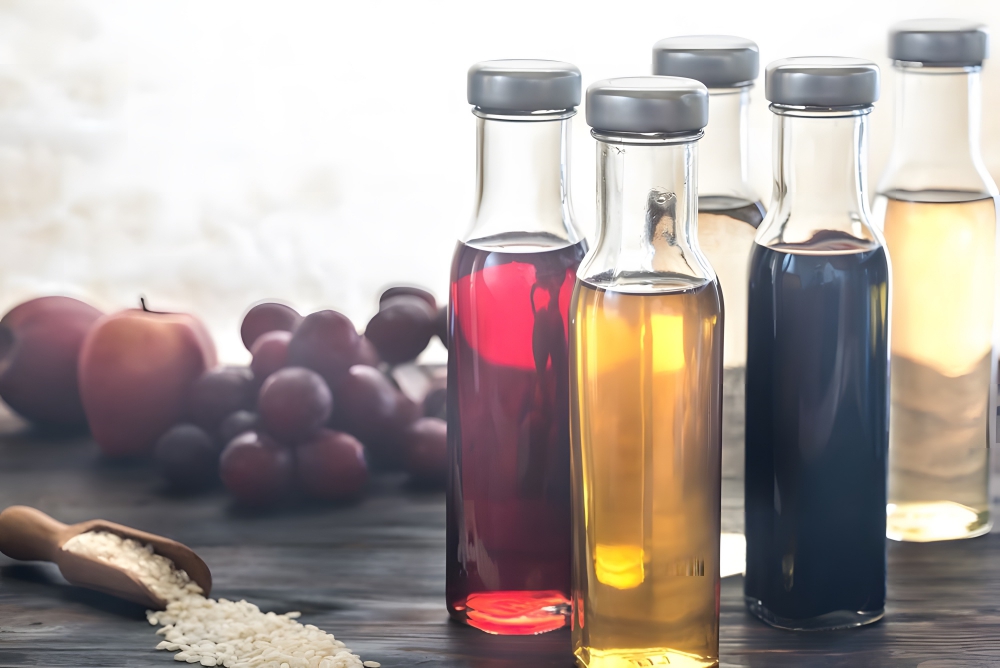
Red or white wine vinegar is the best white wine substitute for cooking since there’s no better option than another acidic ingredient.Here’s what you need to know about it:
- Vinegar is a fermented, acidic liquid easily found in the kitchen. And it contains acetic acid and water, just like wine.
- Both red and white vinegar add a kick of flavor to dishes and will not substantially affect the taste.
- Generally, white wine vinegar works best for liquid-based recipes such as marinades and salad dressing. Red wine vinegar is suitable for dishes like beef, pork, and veggies, while white wine vinegar works well for chicken and fish.
When replacing white wine with red or white wine vinegar, apply the 2:1 ratio since vinegar is more acidic. So for every tablespoon of white wine, use 1/2 tablespoon of red or white wine vinegar. Alternatively, you can dilute the vinegar with water and switch to the 1:1 ratio.
In the next section, check out lemon juice.
2. Lemon Juice
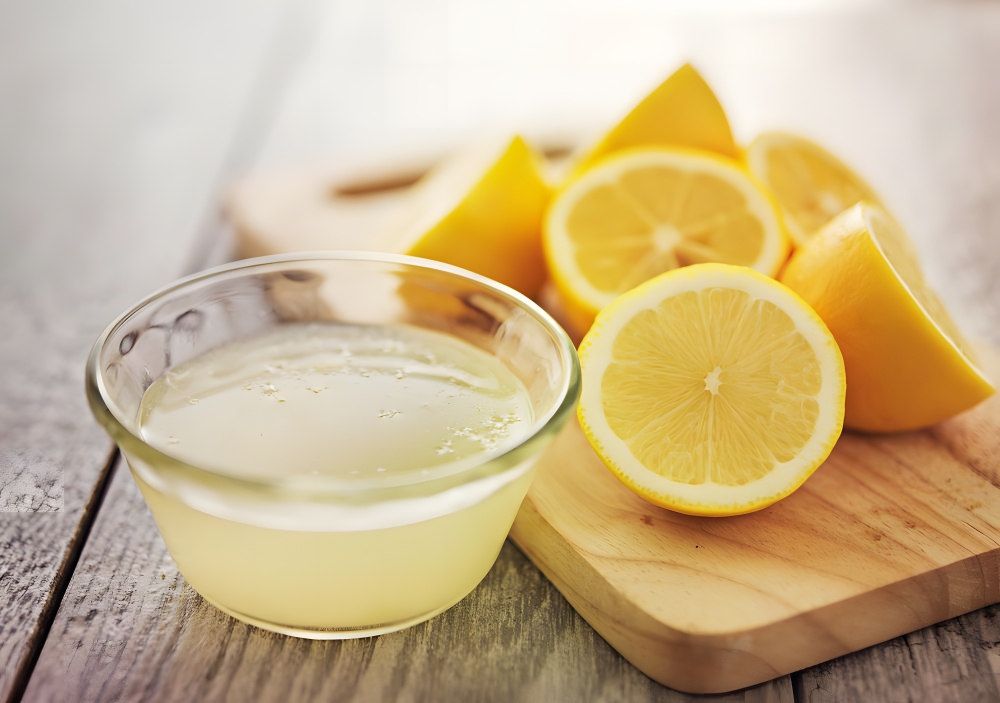
Lemon juice is a fantastic white wine substitute for cooking. Here’s what you need to know about it:
- Like vinegar and dry white wine, lemon juice has a sour flavor that enhances dishes with a tangy taste.
- Lemon juice is quite acidic, creating the perfect meat tenderizer.
- Since it’s really tart, it can overpower the taste of food, so caution is advised.
When replacing white wine with lemon juice, mix lemon juice with the same amount of water and then use the 1:1 ratio. So for every tablespoon of white wine, use 1/2 tablespoon of lemon juice and 1/2 tablespoon of water.
In the next section, check out pomegranate juice.
3. Pomegranate Juice
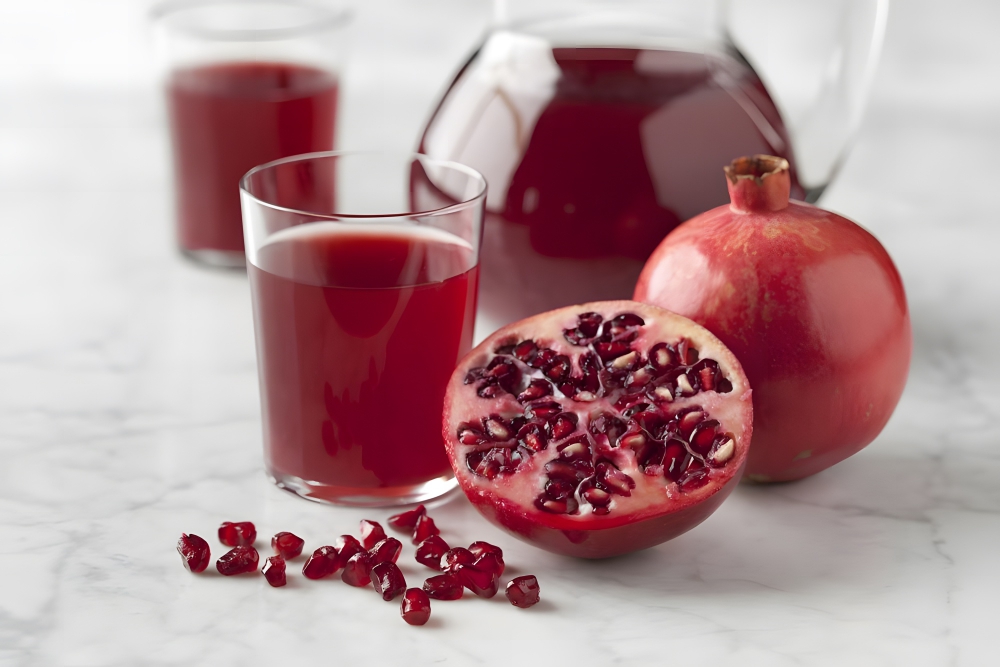
Pomegranate juice is an excellent white wine substitute, particularly if you want a bit of red wine, too. Here’s what you need to know about it:
- Juice made from pomegranate has a rich, fruity flavor and tastes a lot like red wine. It’s also quite acidic and can add a punch of flavor to any dish.
- You can use the juice to boost the flavor in various dishes, including sauces, glazed veggies, and salad dressing.
- In addition to using it as an alternative to white wine, you can also use pomegranate juice as a red wine substitute.
When replacing white wine with pomegranate juice, use the 1:1 ratio. So for every tablespoon of white wine, use a tablespoon of pomegranate juice. But if you want the acidity of white wine, use 1/2 tablespoon of pomegranate juice and 1/2 tablespoon of vinegar for every tablespoon of white wine.
In the next section, check out white grape juice.
4. White Grape Juice
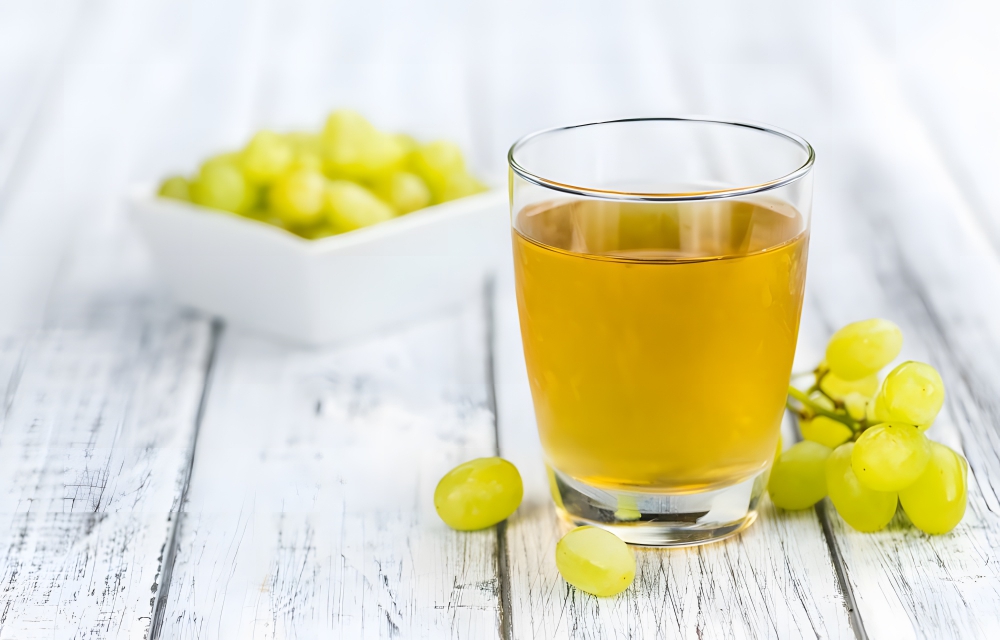
Grape juice is an ideal white wine substitute. Here’s what you need to know about it:
- Nothing comes closer to the taste and color of white wine than grape juice.
- Both white wine and grape juice are made from grapes. They taste almost the same, except that grape juice is non-alcoholic.
- Grape juice is significantly sweeter than dry wine, so you can add a touch of vinegar to enhance the acidity and tartness.
- Combining grape juice with vinegar creates an excellent marinade for meat and vegetables.
When replacing white wine with grape juice, apply the 1:1 ratio. So for every tablespoon of white wine, use a tablespoon of grape juice. But make sure to adjust the sweetness and acidity by combining the juice with vinegar and water.
If you don’t have grape juice, you can use apple juice instead of white wine, apply the same ratio, and make the same adjustments regarding the dish’s sweetness and acidity.
In the next section, check out ginger ale.
5. Ginger Ale
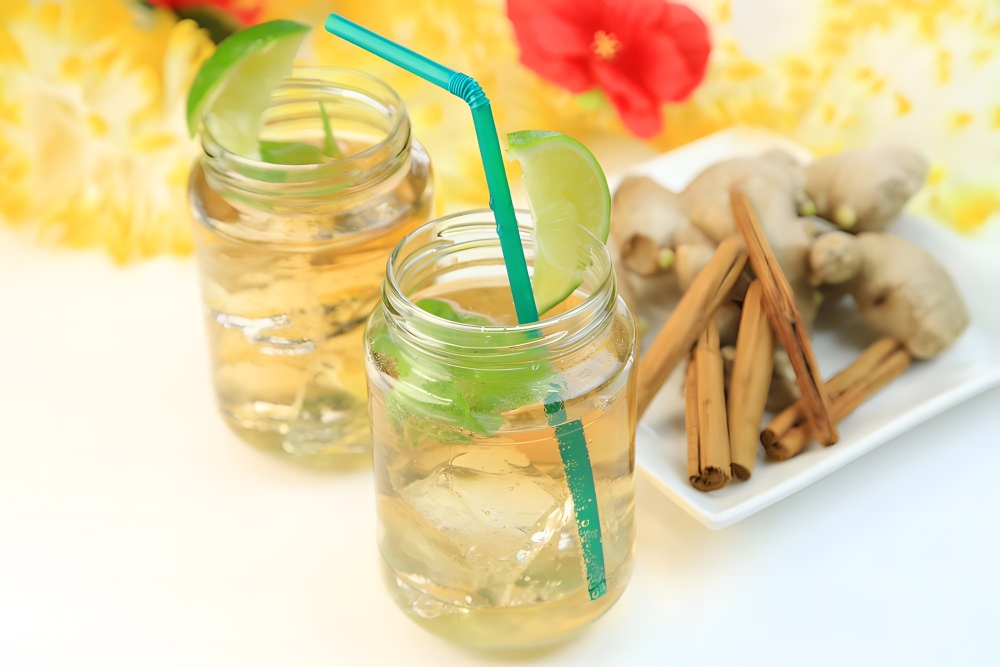
Ginger ale may seem like an odd option, but it’s a great white wine substitute. Here’s what you need to know about it:
- Ginger ale has the same dry sweet taste as white wine.
- The carbonated soft drink is made of lemon, cane sugar, and ginger.
- Besides improving the flavor of meat and other dishes, the acidity of ginger ale makes it a fantastic meat tenderizer.
- Ginger ale has a slight ginger taste, so you should only use it in dishes that work well with a bit of ginger flavor.
When replacing white wine with ginger ale, stick to the 1:1 ratio. So use a tablespoon of ginger ale for every tablespoon of white wine.
In the next section, check out apple cider vinegar.
6. Apple Cider Vinegar
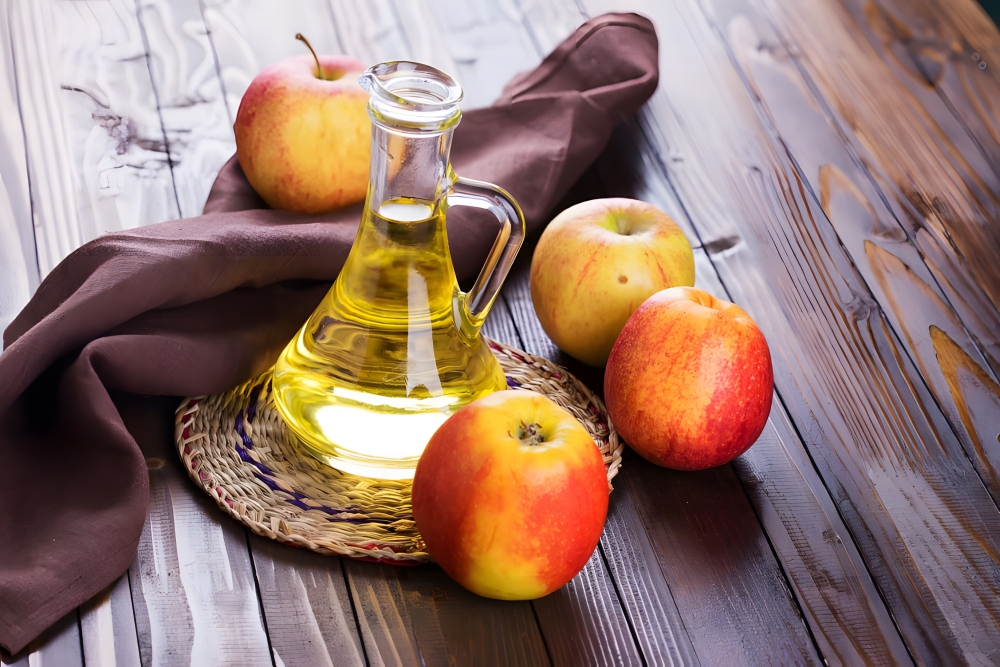
A staple ingredient in every home, apple cider vinegar is an excellent white wine substitute since it’s just as acidic and sweet. And it has a similar color.
When replacing white wine with apple cider vinegar, use the 1:1 ratio. So for every tablespoon of white wine, use a tablespoon of apple cider vinegar. But if the dish has a delicate balance of flavors, dilute the apple cider vinegar with a bit of water topower down the tangy flavor.
You might also be interested in apple cider detox recipes.