
Wecan’t always besure ifthe tap water isgood for drinking. There are even times when its quality can change overnight and knowing how todetect the changes may save you from drinking polluted water. Luckily, there’s away tocheck the water’s quality, just like professionalsdo, byusing only 3senses.
We will walk you through the steps you should take tocheck your water and make sure that it’s drinkable.
1. Start bychecking the color ofthe water.
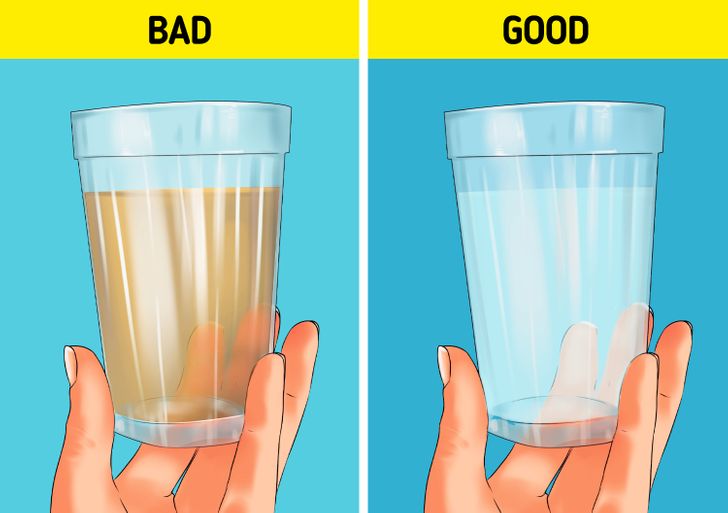
First, let your water run for afew minutes. This will clear any buildup from the tap. Fill aglass and hold itupinthe light. Ifthe water ismurky, yellow, orbrown, itcan signify rusty pipes, upstream pollution, oralow-quality water source like ariver orreservoir.
2. Check tosee ifthe water iscloudy.
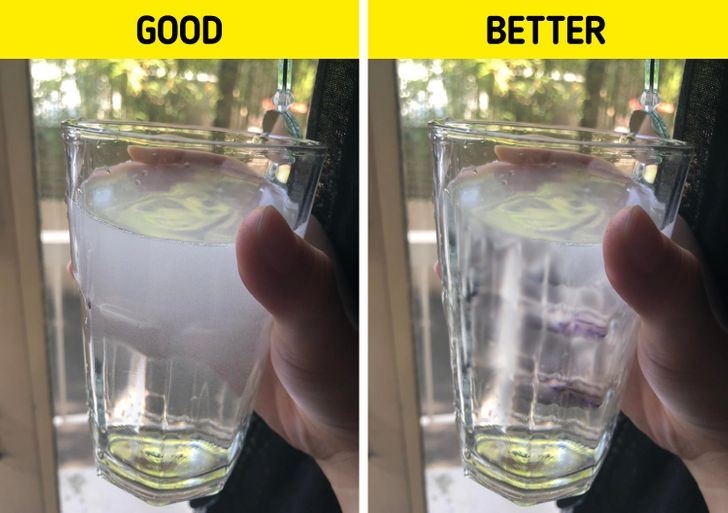
Check the water for any particles orcloudiness. Take your glass filled with water tosome light. Red, orange, orbrown particles can bedue torusty orold fixtures orpipes. Black pieces inside the water can indicate that the hoses have started todeteriorate. General cloudiness means that there are too many chemicals.
3. Smell the water todetermine its odor.
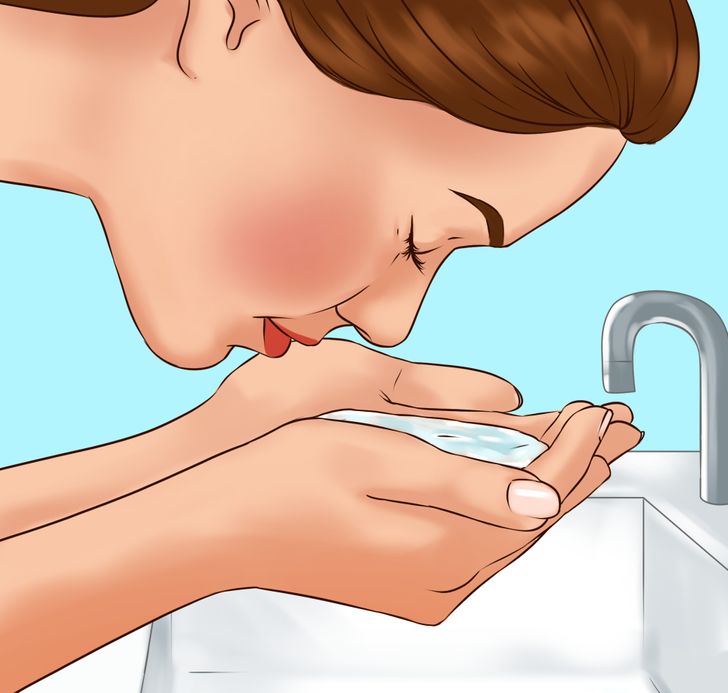
Now smell the water. Ifitsmells like bleach, it’s most likely due tochlorine that has been added tomake the water safe. Itisn’t harmful but it’s agood idea toget afilter toremove the smell. Earthy ormusty smells indicate that there’s something organic inside ofthe water orinthe drain and it’s decaying.
Ifitsmells like rotten eggs, itmeans there are bacteria growing inthe water. Let the water sit inaglass for afew minutes and smell itagain. Ifitdoesn’t smell like rotten eggs, itmeans that the bacteria isinside the drain and not inthe water.
4. Taste the water tocheck its flavor.
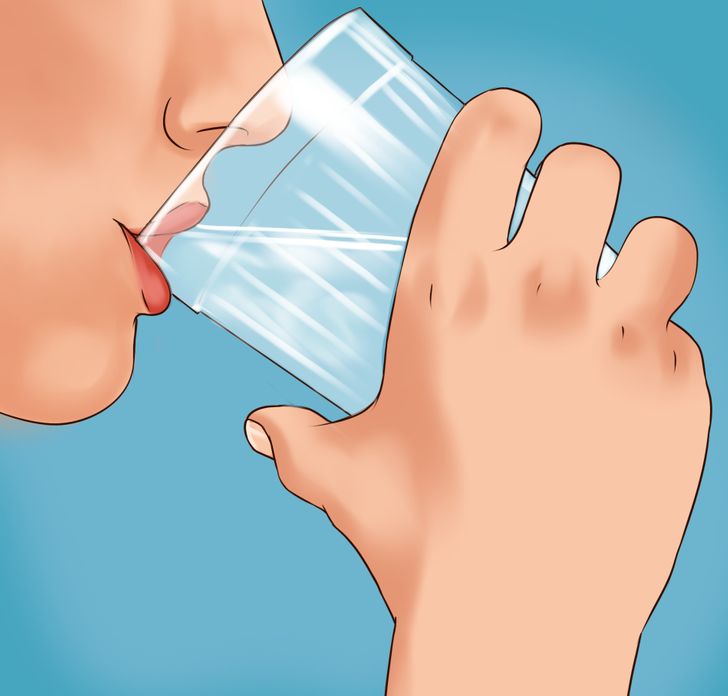
Now it’s time touse your sense oftaste. Ifittastes foul then immediately spit the water out. Ametallic taste could mean that the pHlevels are low orthat there are excess minerals inthe water supply, which isusually due toarusty pipe. Ifittastes like bleach, itmeans that there are chemicals, which can becaused bythe artificial removal ofwater orindustrial waste.
5. Check the pipes for buildup and corrosion.
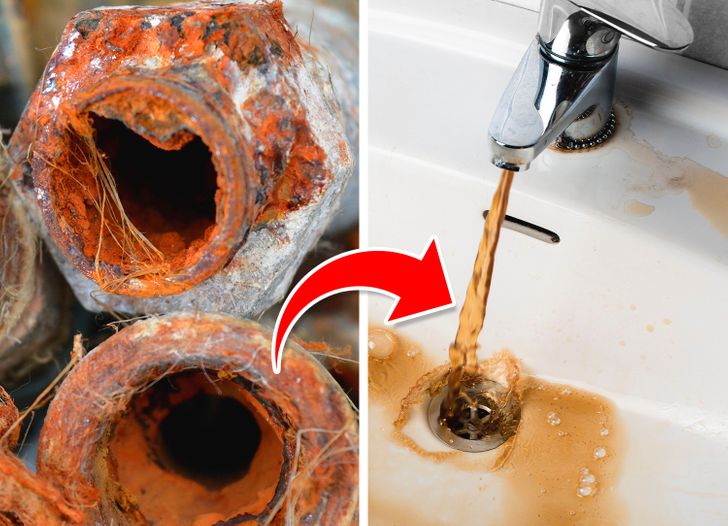
It’s essential tocheck your pipes regularly because they could bethe reason why your water isn’t good for drinking. There are simple ways tocheck them. Ifthe pipes are above ground, see ifthere isany blue orwhite residue.
Ifyou can’t reach the pipes, look inside your toilet and check for rust, oraround itfor blue stains. Ifyou decide tocall aplumber, ask them tolet you see inside the pipe. Rust, awhite orblue-colored buildup, can indicate that your water isnot safe todrink.