
Nature is both wonderful and tricky: always changing, always adapting, always evolving. Nothing illustrates this sentiment better than melanism — a rare genetic mutation — even more uncommon than albinism — that turns animals pitch-black, truly making them a sight to behold.
We at Bright Side invite you to have a look at those amazing creatures and compare some of them with their “ordinary” counterparts. And at the end of the article you’ll see a really extraordinary comparison.
1. A melanistic caiman looks even more intimidating.
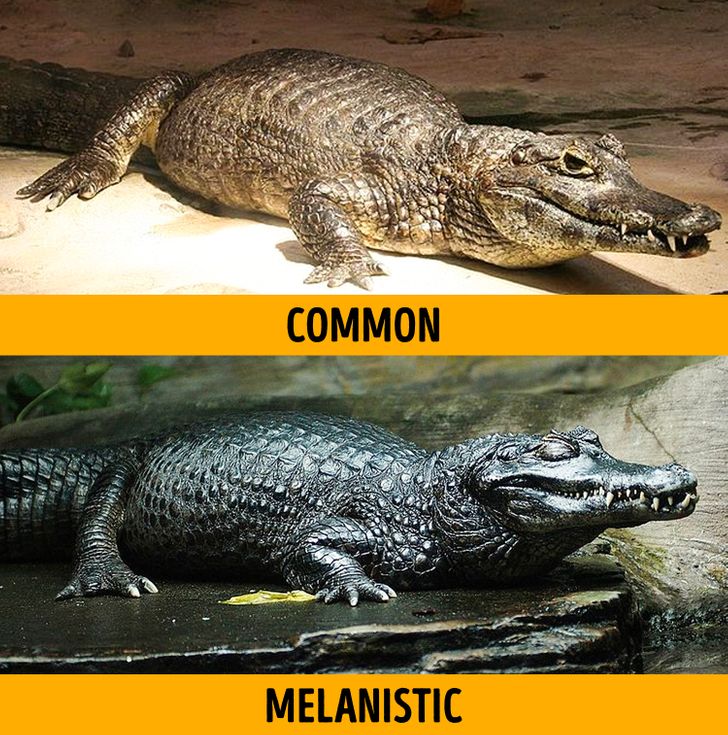 © Michael Wolf / Wikimedia Commons, © Jason L. Buberal / Wikimedia Commons
Melanism is caused by the increased presence of a black-colored pigment in the skin. The black specimens are called “melanic,” “melanistic,” or “black morphs.”
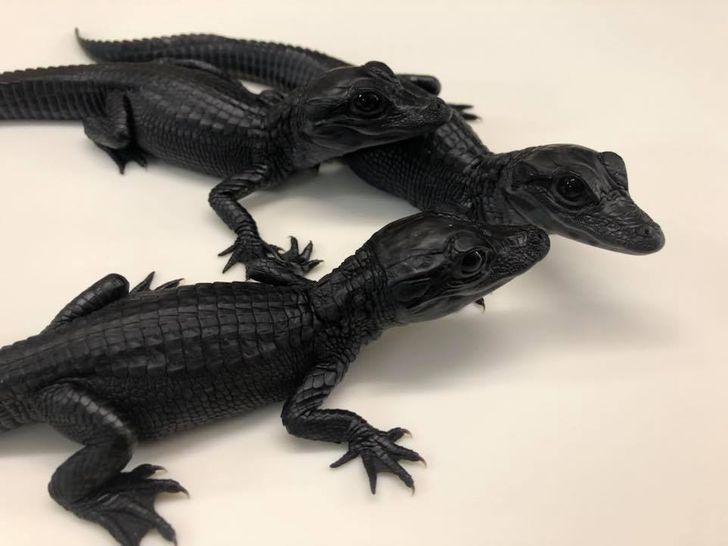 © Graziani Reptiles Inc. / facebook
2. Some melanistic parrots keep some of their colorful feathers. Others don’t.
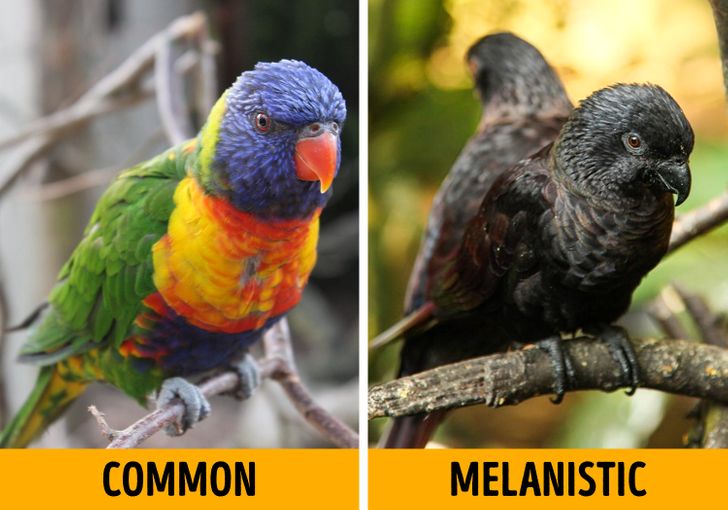 © pexels.com, © elvranharris / Wikimedia Commons
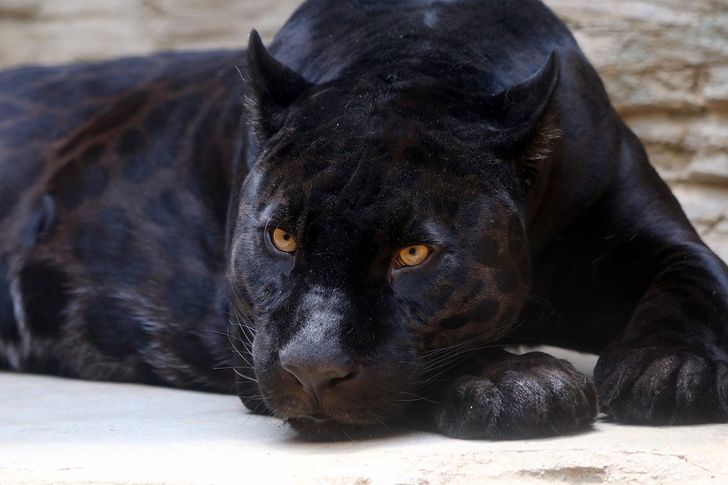
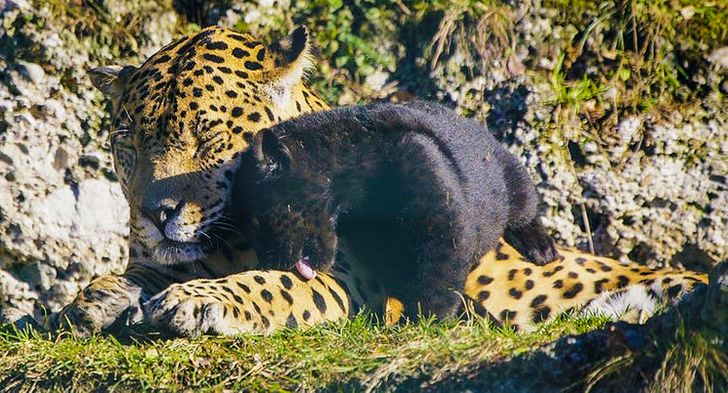
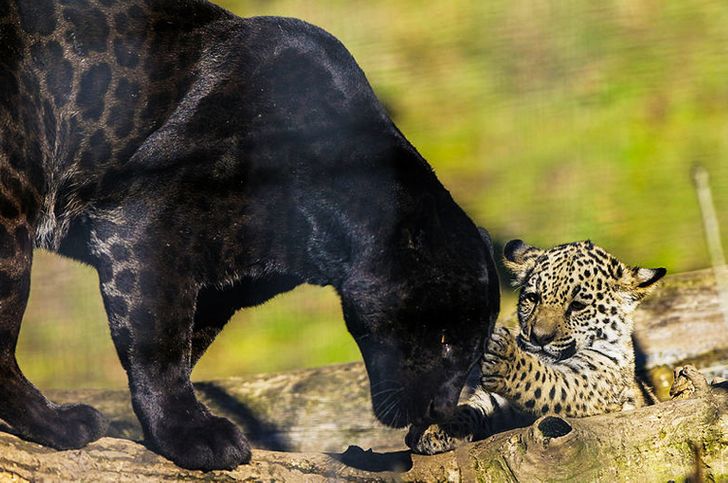
3. There is a common misconception that black panthers are a separate species. Actually, they’re just a leopard or jaguar with an over-development of melanin.
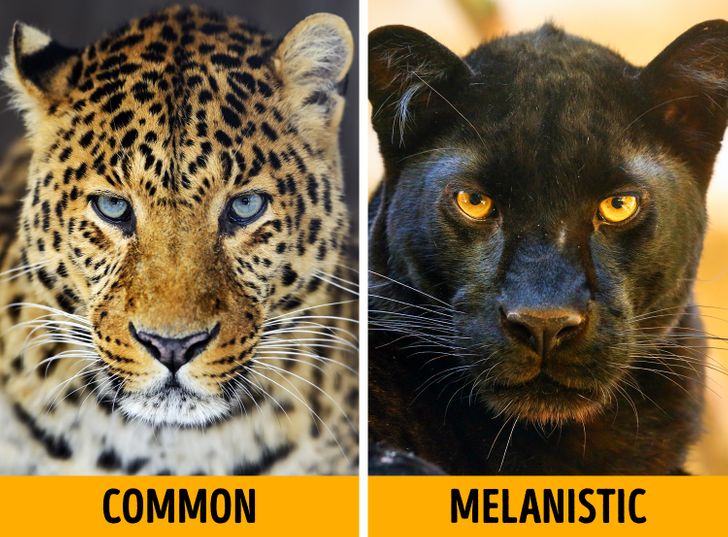 © depositphotos.com, © depositphotos.com
In cases of incomplete mutation, you can still see their trademark spots.
 © pixabay.com
Melanism is heritable, but it’s carried by recessive genes, so sometimes it can skip a few generations before it appears again. Melanistic babies can be born from “normal” parents and vice versa. Oftentimes melanistic and non-melanistic siblings can appear in the same litter!
 © Matthias Kabel / Wikimedia Commons
Unlike albinism, which happens more often to females, melanism happens predominantly to male cats. It also turns their irises yellow!
 © Matthias Kabel / Wikimedia Commons
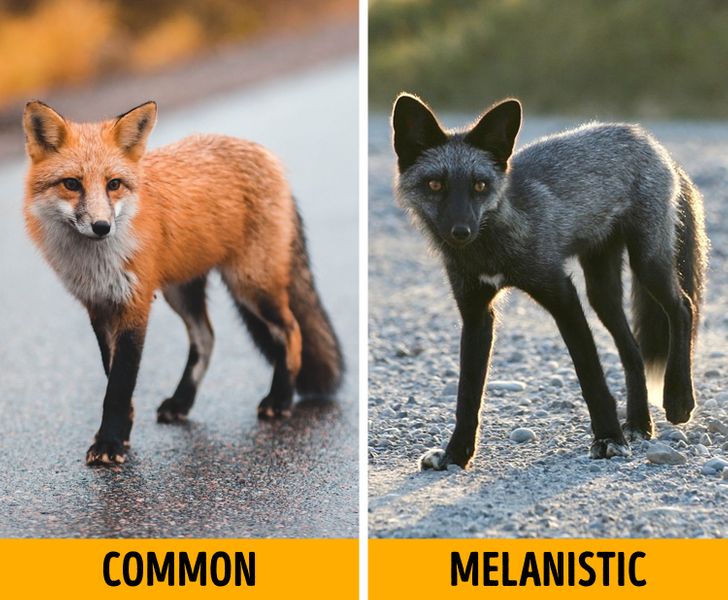
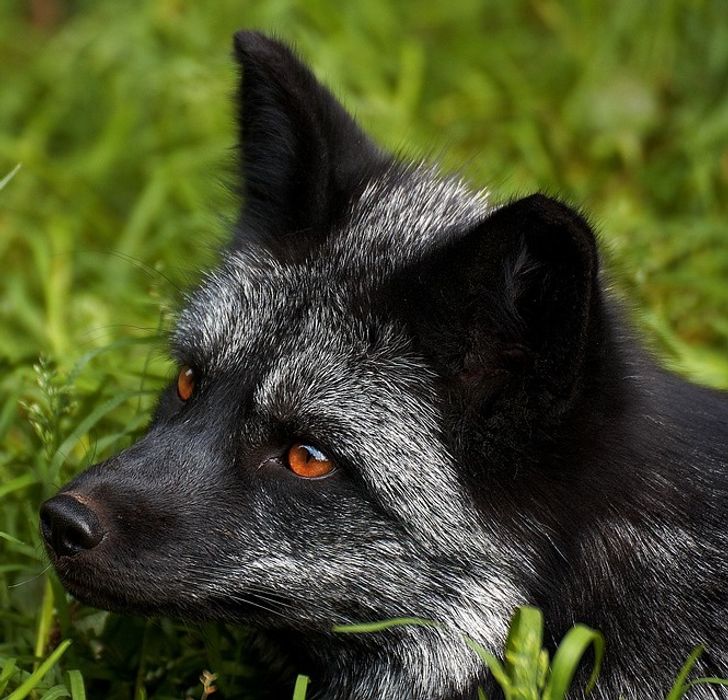
4. Melanistic foxes are relatively common and their grayish coat earned them the name “silver fox.”
 © Erik Mclean / unsplash.com, © pixabay.com
Sometimes melanism develops to better adapt an animal to the environment. A fox who hunts at night would profit from black fur, while a lion, who is a diurnal animal, wouldn’t. So there are no melanistic lions in existence.
 © pixabay.com
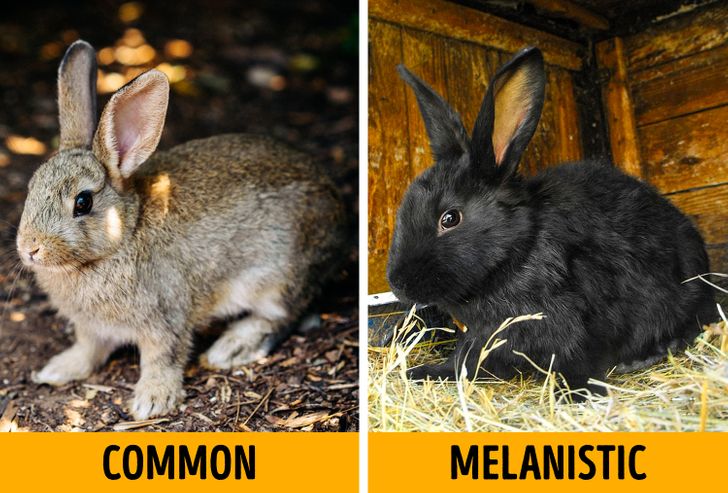
5. Melanistic rabbits are central to many myths. For example, it was believed that hunting a black rabbit would bring bad luck.
 © Melissa Keizer / unsplash.com, © pixabay.com
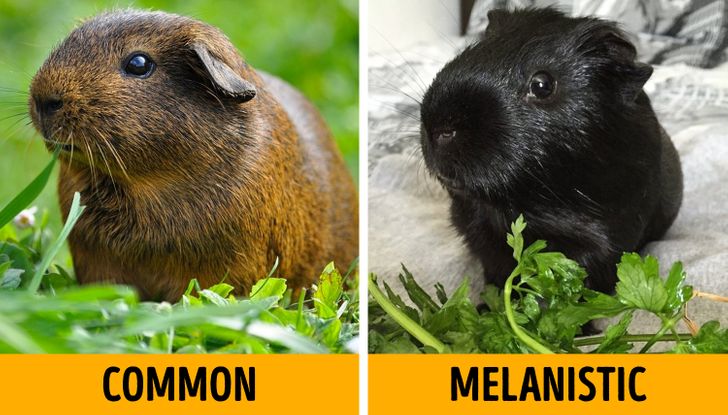
6. Guinea pigs, like many other pets, are often specifically bred by humans to be melanistic.
 © pixabay.com, © unknown / reddit
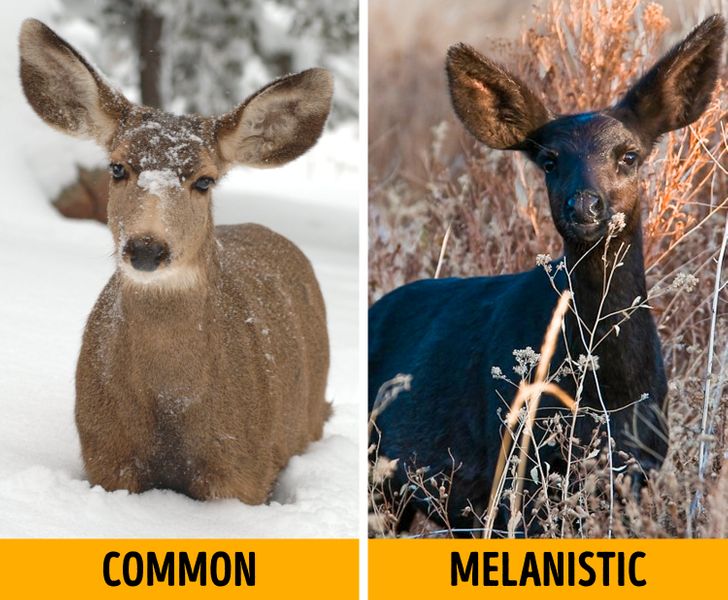
7. The coloration of melanistic deer can vary from soot-black to brown.
 © pexels.com, © MrBonelessPizza24 / reddit
8. Melanism can even be found in some insects like this peppered moth.
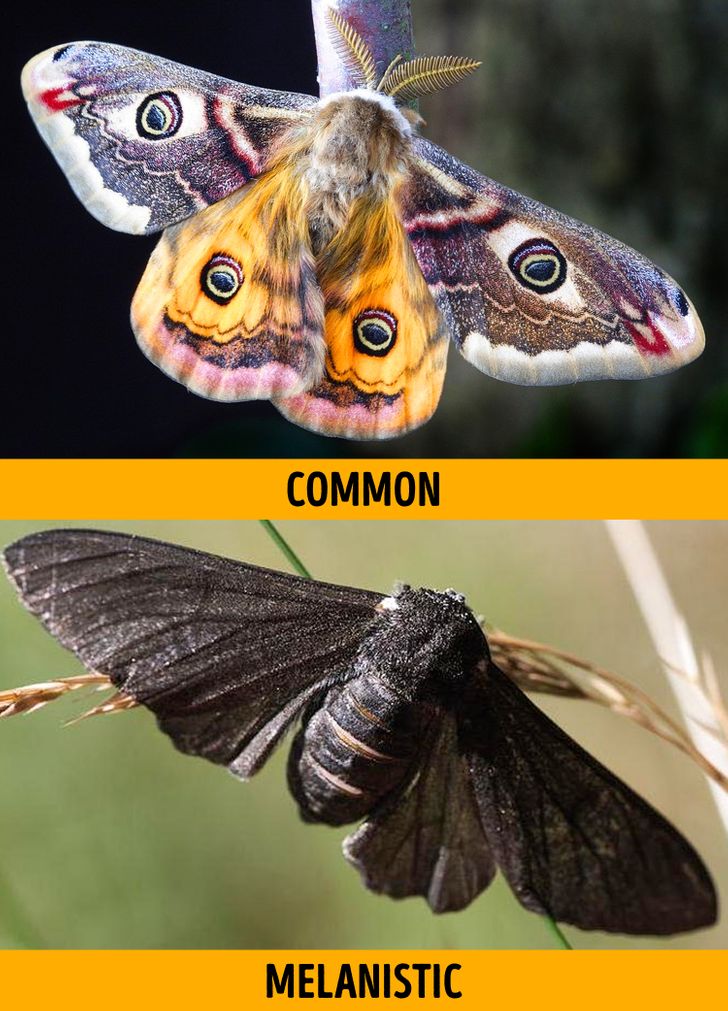 © pixabay.com, © L. B. Tettenborn / Wikimedia Commons
For these moths, the phenomenon is called “industrial melanism.’’ During the time of the Industrial Revolution, when a drastic increase in air pollution happened, more moths turned black to better hide amidst the darkened environment. Now, as pollution has reduced, the non-melanistic group is growing bigger again.
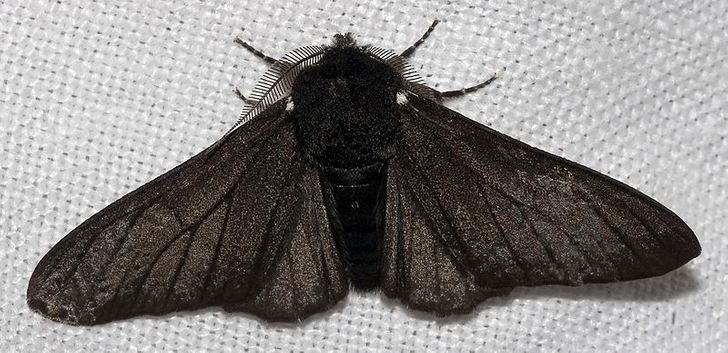 © Chiswick Chap / Wikimedia Commons
9. Similar to foxes, black morphs among squirrels occur often enough to separate them into their own subgroup.
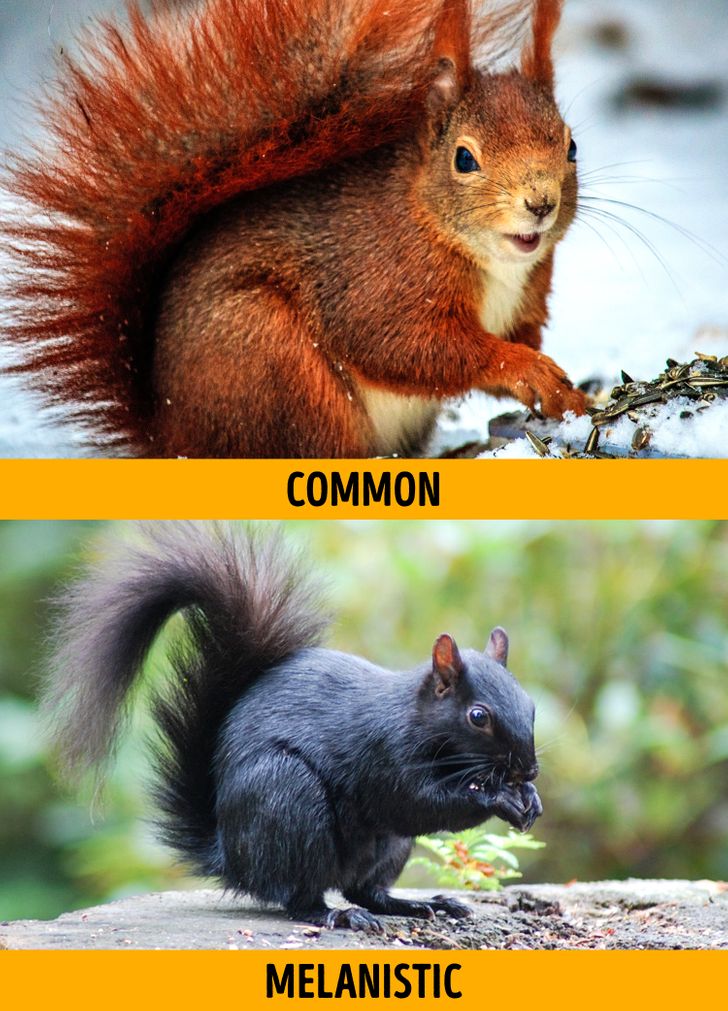 © pexels.com, © pixabay.com
10. In bird’s, pigmentation is located in their feathers.
11. White and melanistic silkie roosters look like a pair of chess figures.
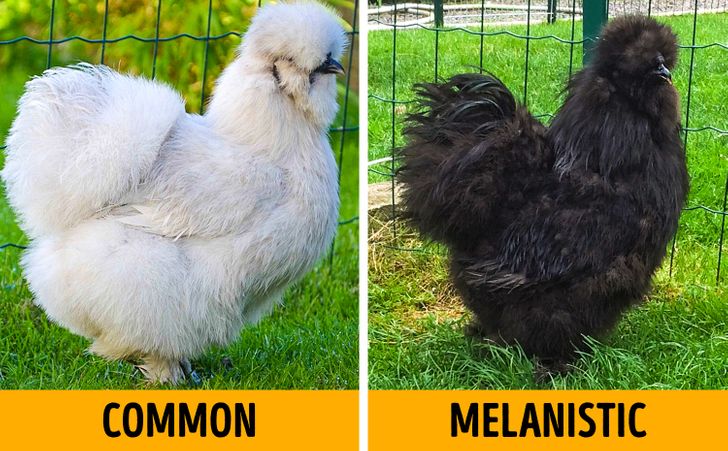 © Camille Gillet / Wikimedia Commons, © Camille Gillet / Wikimedia Commons
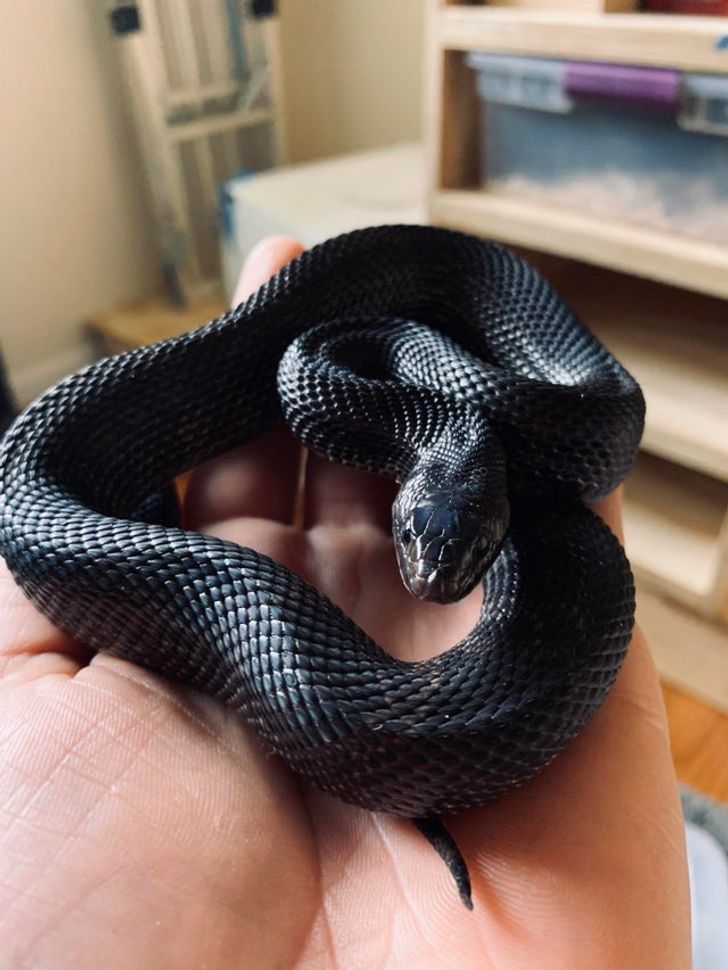
12. For reptiles, melanin helps them to keep warm better.
 © A1snakesauce / reddit
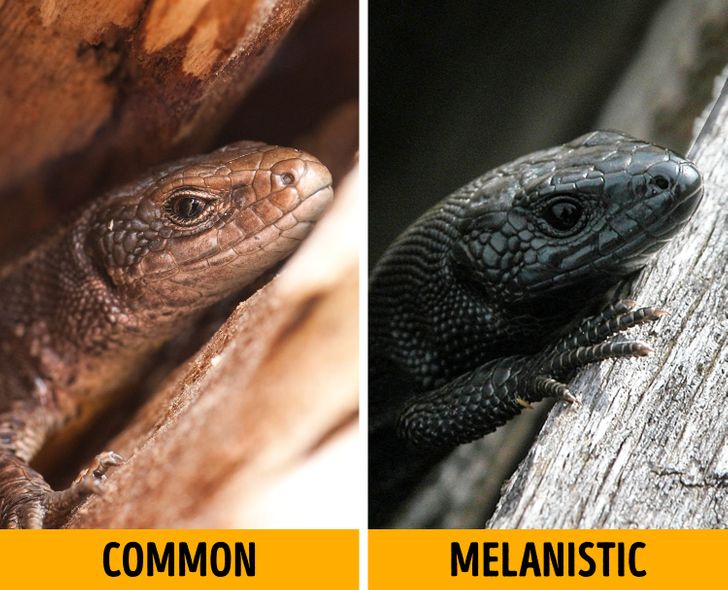
13. Black lizards are even sneakier than ordinary ones.
 © Mathias Krumbholz / Wikimedia Commons, © Fritz Geller-Grimm / Wikimedia Commons
14. Baby turtles have a harsh quest when hatching: to make their way to the sea and to not get eaten. This is especially challenging for black ones!
15. Servals are very secretive animals and even meeting a common serval is a tough challenge.
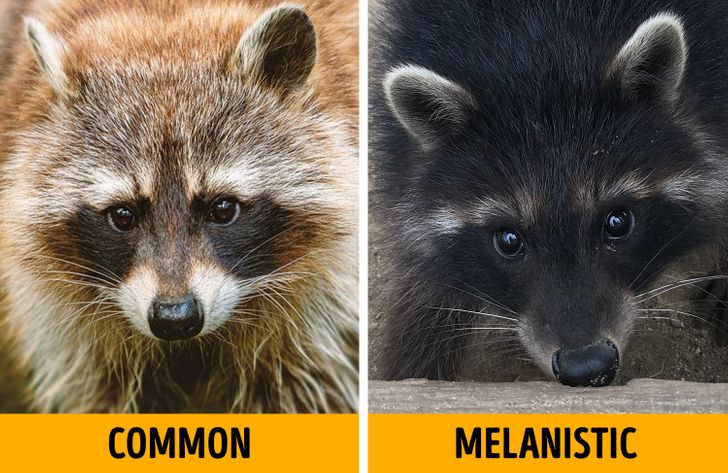
16. This melanistic raccoon has reached the extreme level of a bandit-like look.
 © pixabay.com, © Bear Den Zoo & Petting Farm / facebook
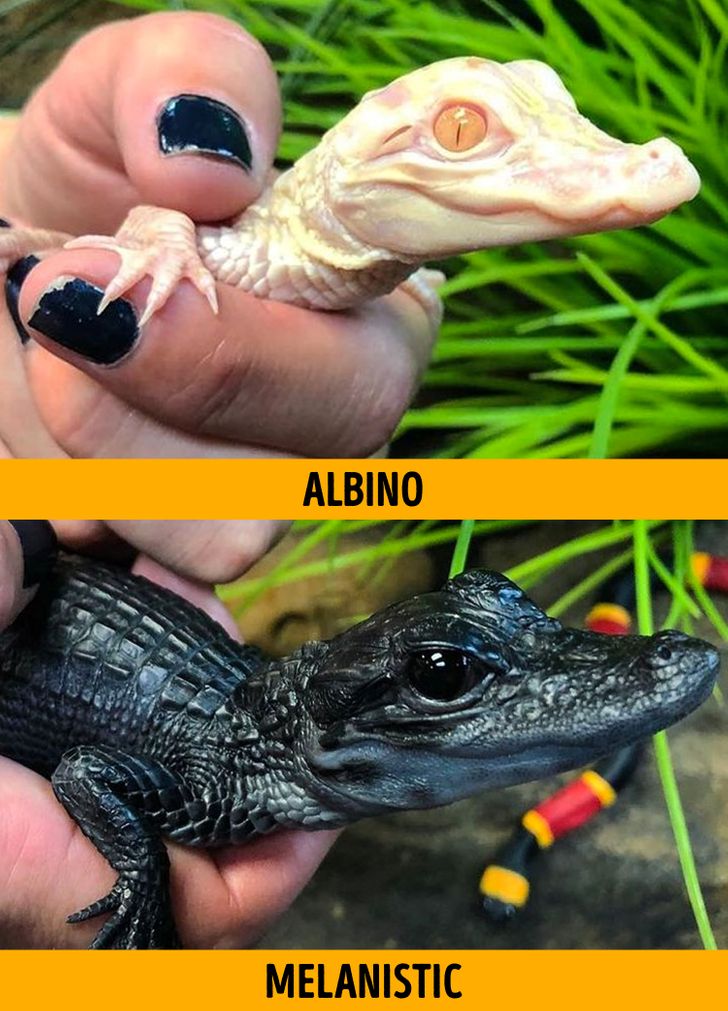
Bonus: Many animals who have their “melanistic form” also have an “albino form.”
 © The Reptarium
But unlike albino animals, who are much less viable in the wild due to their visible skin and poor eyesight, melanism often proves to be useful for survival: both in hunting and hiding. In these cases, the mutation will be picked up and carried on by natural selection.
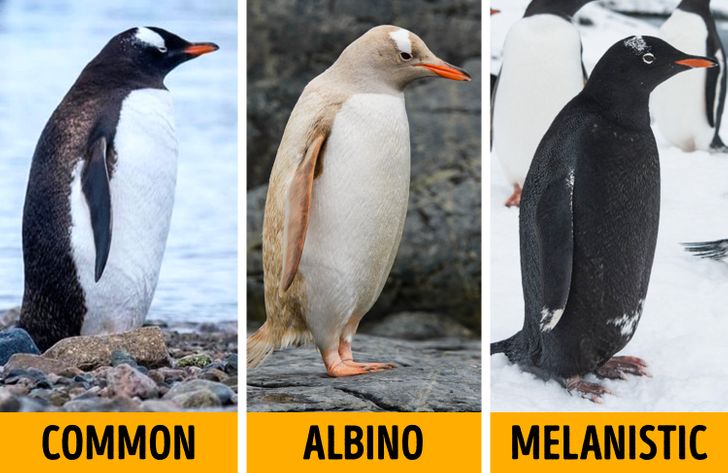 © Derek Oyen / unsplash.com, © depositphotos.com, © depositphotos.com
If you’ve ever met a melanistic animal or — even cooler — if you have one, share your stories and photos in the comments.
 zi ang