
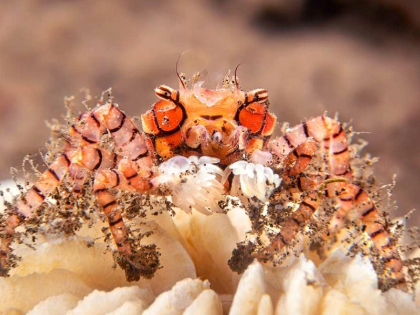
13. Zoanthids and Their Microscopic Helpers: Masters of Adaptation
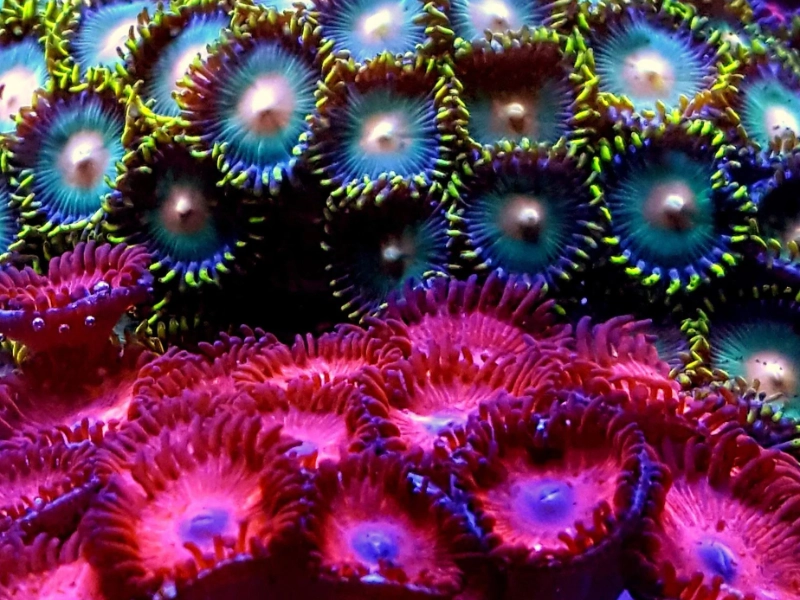
Often confused with corals, zoanthids are colonial anemone-like creatures found on coral reefs in brilliant mats. From shallow reef flats to deep-sea habitats, these creatures have evolved amazing symbiotic interactions that enable their survival in a range of marine environments. Their success stems from their interactions with several microorganisms, especially photosynthetic dinoflagellates like those seen in coral. Living in zoanthid tissues, these microscopic algae photosynthesise to supply vital nutrients. This link lets zoanthids thrive in nutrient-starved environments where other species might suffer. But zoanthids are really amazing because they can host many kinds of symbiotic microorganisms based on their surroundings. Shallow, well-lit environments mostly involve photosynthetic algae. Some zoanthid species, however, can move to host chemosynthetic bacteria that get their energy from chemical reactions instead of light in deeper or darker waters. This adaptability enables zoanthids to settle over a broad spectrum of environments, from dim cave entrances to sun-drenched reef tops. The symbiotic link between zoanthids and their microbial partners also adds to the overall health of the reef ecosystem. Like corals, zoanthids play a role in nutrient cycling and provide habitat for small reef creatures. Their capacity to survive in varied settings makes them crucial colonists of new or disturbed reef regions, potentially contributing in reef rehabilitation processes. Furthermore, the numerous chemical compounds produced by zoanthids and their symbionts are of significant interest to researchers, with potential applications in medicine and biotechnology. The adaptability and resilience displayed by zoanthids and their microbial helpers offer vital insights into how marine species can adapt to changing environmental conditions, an increasingly relevant field of study in the face of climate change and ocean acidification.
14. Decorator Crabs and Their Living Disguises: Masters of Camouflage
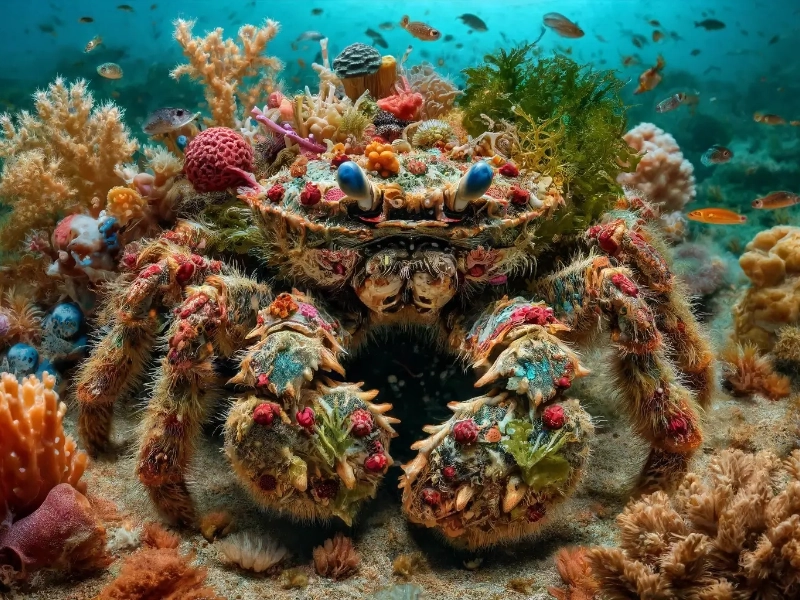
Decorator crabs demonstrate one of the most unique symbiotic interactions in coral reef ecosystems, showcasing nature’s resourcefulness in survival methods. These crabs have evolved a unique style of camouflage that involves actively attaching living organisms to their shells and bodies. Using specialized hooked setae (hair-like structures) on their exoskeletons, decorator crabs meticulously pick and attach pieces of algae, sponges, hydroids, and other marine animals to themselves. This activity goes beyond basic camouflage; it forms a living, evolving disguise that evolves and adapts along with the crab’s environment. The link between decorator crabs and their associated creatures is intricate and varied. For the crab, the greatest benefit is concealment, which helps them evade predators. The connected organisms break up the crab’s form, allowing it merge smoothly into its surroundings. Some decorator crabs even select species with chemical defenses, such as toxic algae or stinging hydroids, offering an extra layer of protection against predators. Still, the advantages of this interaction also extend to the linked creatures. These sessile, sedentary organisms acquire mobility by hitching a ride on the crab, therefore reaching fresh feeding sites and perhaps boosting their reproductive success by spreading to other locations. For species that might otherwise find it difficult to occupy new environments, this arrangement may especially help them. Furthermore adding to the reef ecosystem’s general biodiversity is the behaviour of the decorator crab. Moving about, they can carry organisms to new habitats, therefore helping to distribute and preserve genetic variety among different species. Furthermore, the intricate mini-ecosystems produced on the backs of the crabs can provide shelter for even smaller marine creatures, therefore generating a cascade of symbiotic interactions. This amazing illustration of symbiosis emphasises the complexity and interconnection of these energetic underwater communities by showing the several ways in which several species in coral reef ecosystems could interact and rely on one another.
15. Remoras and Large Marine Animals: The Reef’s Hitchhikers
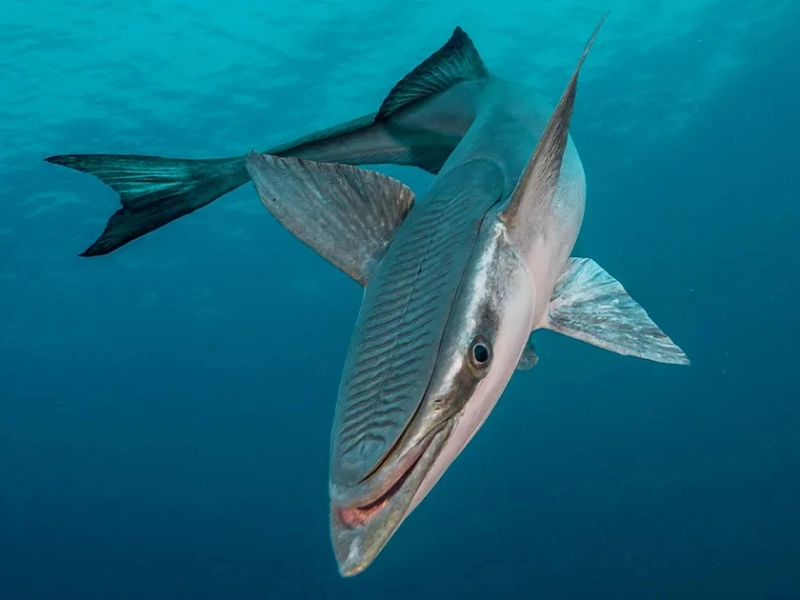
One of the most obvious and fascinating alliances in coral reef systems is the symbiotic one between remoras and bigger marine life like sharks, manta rays, and sea turtles. Remoras, sometimes called suckerfish, have developed a distinctive disc-like form on top of their heads that lets them cling to the bodies of bigger marine life. Though newer studies point to some mutual benefits, this connection is essentially commensal, whereby the remora benefits while the host is largely unaffected. Attaching to a bigger animal gives many benefits for the remora. First of all, it provides a simple means of mobility thus the remora may cover great distances without using any effort. Since they may eat parasites from the host’s skin, leftovers from her meals, and even the host’s faeces, this mobility improves the remora’s access to food sources. Since few species will attack a remora fastened to a big shark or whale, the relationship also offers defence against predators. Although studies have indicated certain advantages, from the host’s point of view the relationship was long believed to be neutral. Remoras may be cleansers, eliminating dead skin and parasites from their hosts so enhancing the host’s condition. Feeding on particles in the thin layer of water adjacent to the host’s body helps them to also minimise drag when the host swims. This interaction is very important in coral reef ecosystems in linking several areas of the sea. Attached remoras accompany big animals like sharks or manta rays as they migrate across several reef systems or from coastal areas into the open ocean. This mobility may help other small organisms that might momentarily adhere to the remora be distributed as well as help to distribute genetic variation among remora populations. The remora-host interaction highlights the intricate web of life that exists inside and around coral reefs and is evidence of the many and often unexpected ways that various species could interact and coexist in marine environments.
 zi ang