
Monkeys are primates found primarily in tropical rainforests. Most are arboreal, though some, like macaques and baboons, are terrestrial. New World monkeys, like spider monkeys, tamarins, and capuchins, are found in Mexico and South and Central America, while Old World monkeys, including baboons, gelada, and colobus, are found in Asia and Africa. Many species of monkeys are endangered.
From strong prehensile tails to highly intelligent use of tools, discover the most fascinating facts about monkeys.
1. Not All Primates Are Monkeys
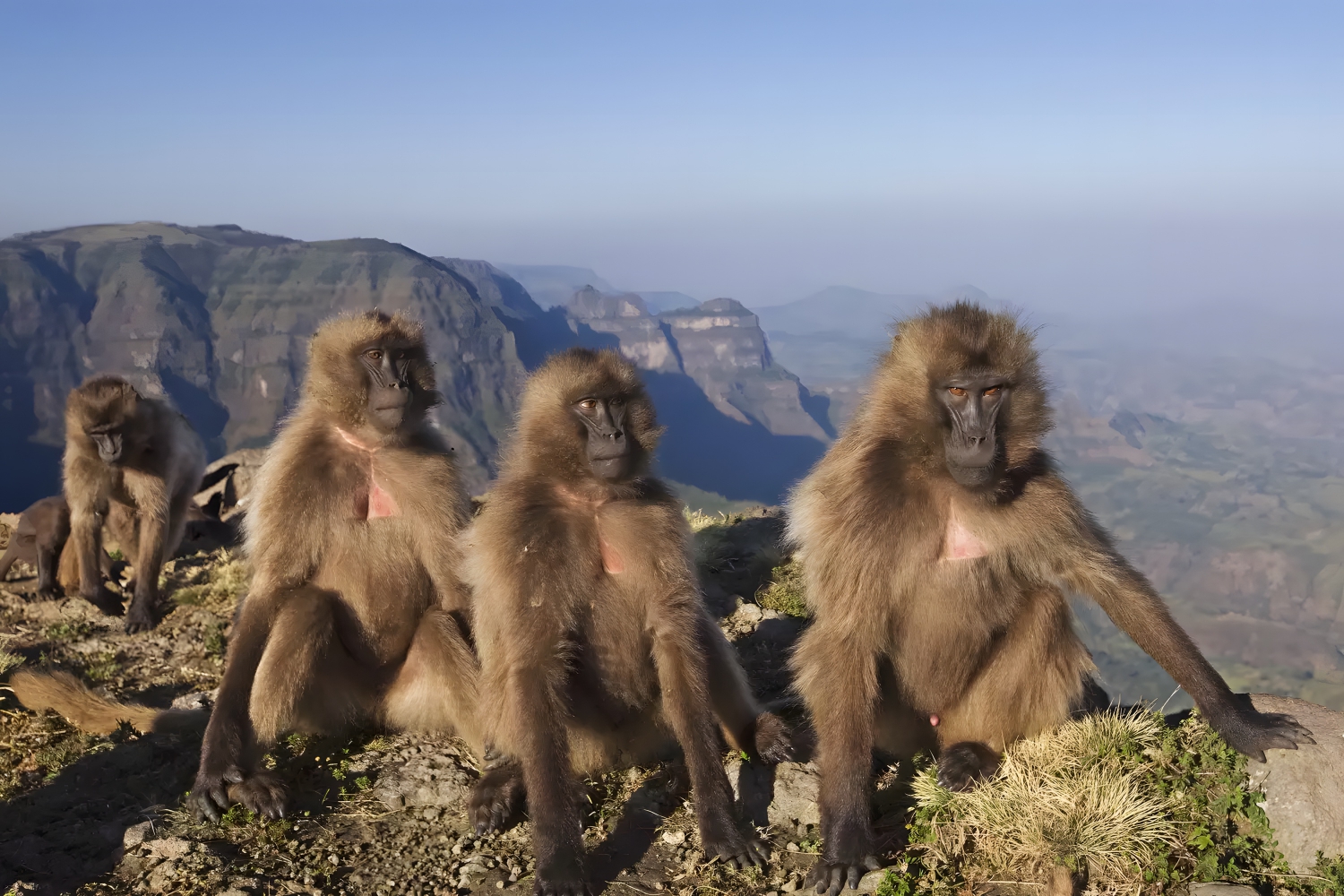
The term “monkey” is sometimes used as a catch-all for every animal in the primate family, but the truth is that monkeys live on completely different branches of the evolutionary tree from both apes (i.e., chimpanzees, gorillas, and humans) and prosimians (i.e., lemurs, tarsiers, and lorises).
One big difference between monkeys and other primates is in the tail: Most monkeys have tails, while apes and other primates do not. Apes also tend to be larger than monkeys and, thanks to their larger brains, more intelligent.
2. They Use Grooming to Strengthen Relationships
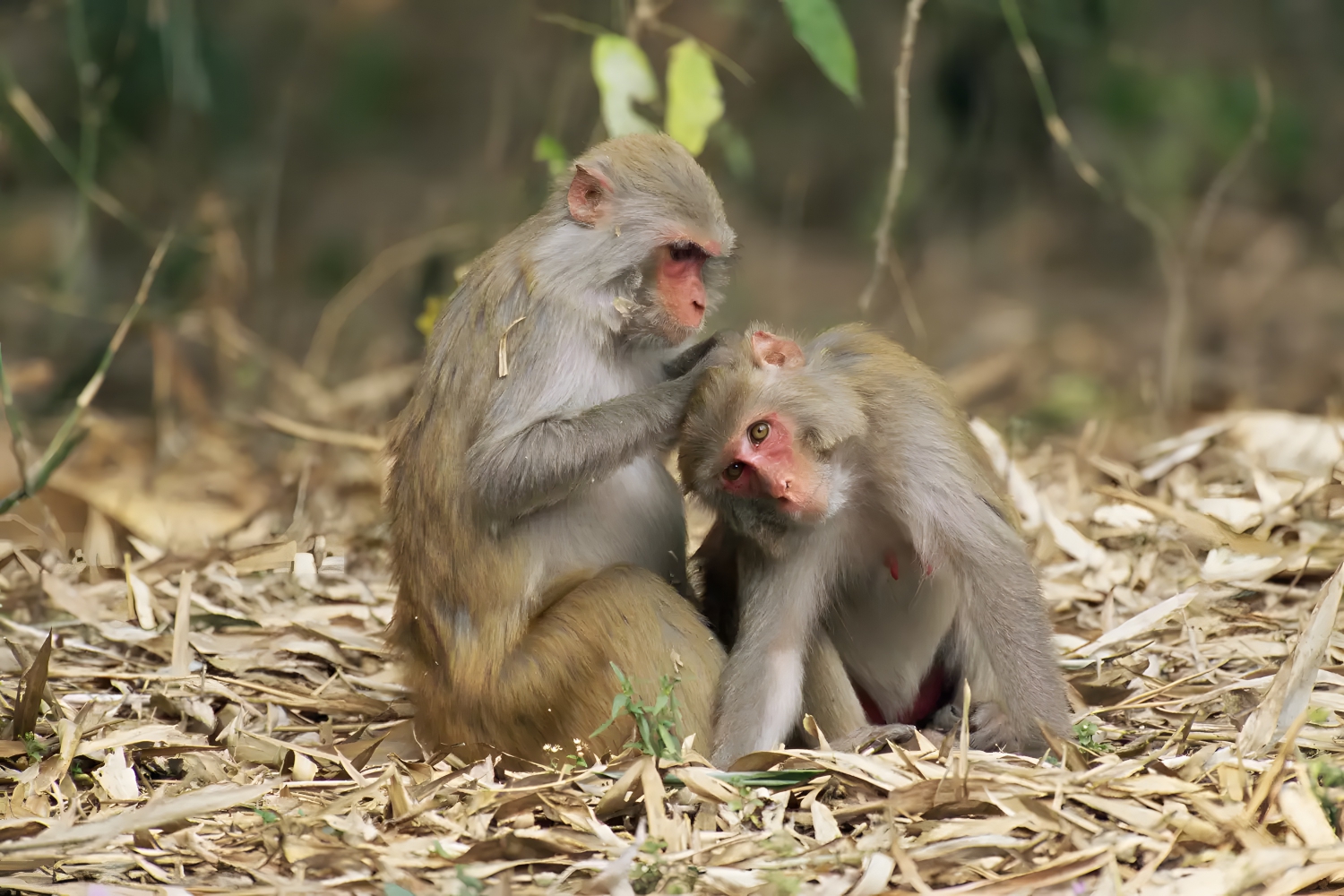
James Warwick / Getty Images
For monkeys, picking bugs, dirt, and other debris off their companions is far from an indictment of their personal hygiene—it’s an expression of affection and love. Grooming rituals not only keep monkeys healthy, but they also strengthen their social bonds and, ultimately, make them feel more comfortable. Researchers have discovered that when vervet monkeys comb each other’s pelts, it fluffs the fur and makes it thicker. After thorough grooming, the insulation value of the vervet monkey’s pelt increases by as much as 50%.
3. Only New World Monkeys Have Prehensile Tails
Only New World monkeys in the Atelidae family, like howler monkeys and spider monkeys, and capuchins in the Cebidae family, have prehensile tails. These arboreal primates live in the tropical regions of Mexico, Central America, and South America. Old World monkeys, which live in Asia and Africa, have tails, but they are not prehensile.
In length and gripping ability, spider monkeys and howler monkeys have an edge on capuchins. Spider monkeys have tails that are longer than their entire bodies. Their tails are also hairless and have friction pads for better gripping. Capuchins, which have hair-covered tails that are not nearly as long, primarily use their tails to grasp branches and carry fruit through the forest.
4. There’s Only One Species of Wild Monkey in Europe
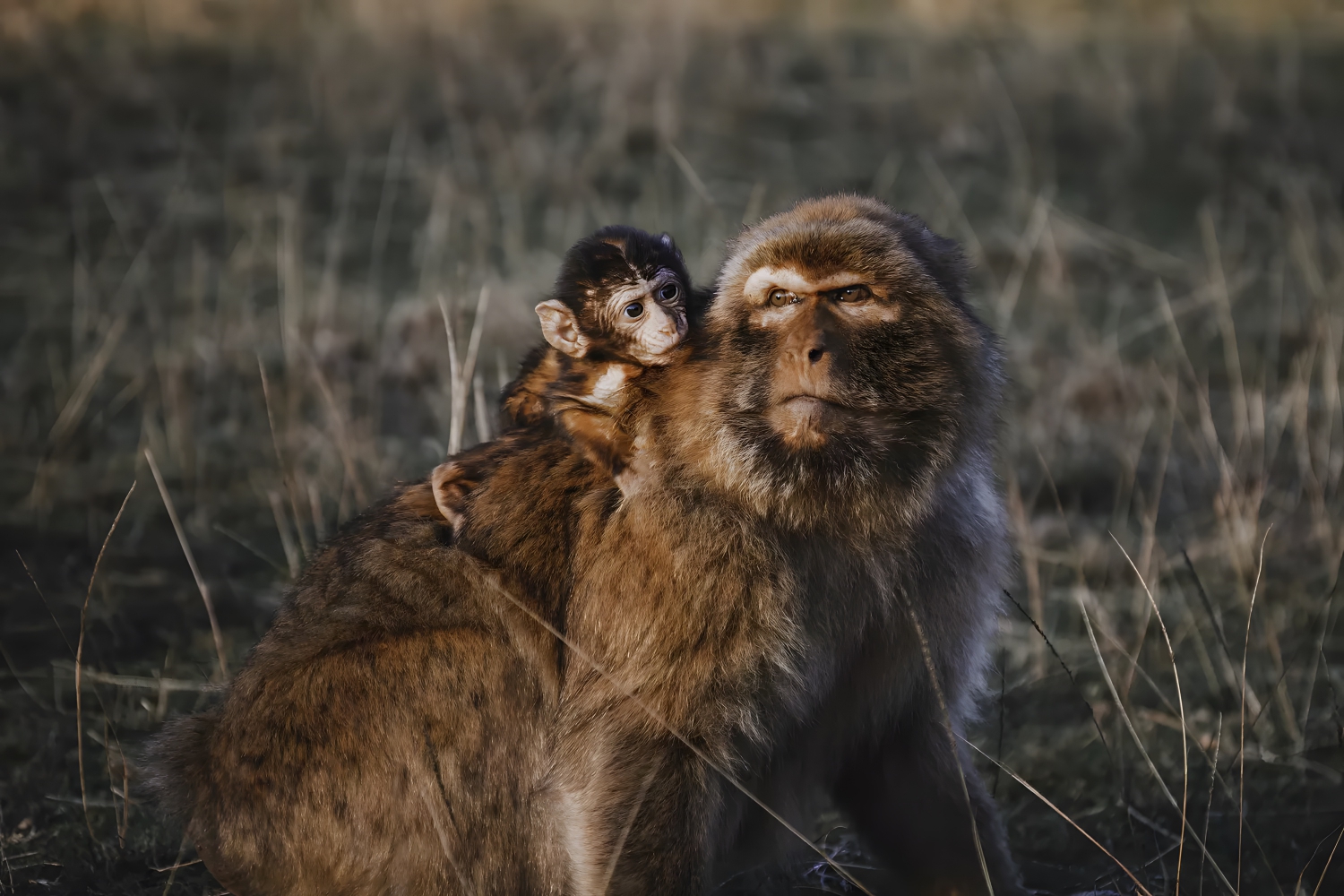
Laura BC / Getty Images
Barbary macaques have the distinction of being the only wild nonhuman primates in Europe. While most Barbary macaques inhabit the mountains of Morocco and Algeria, a small population of around 200 individuals was introduced and is maintained in Gibraltar. DNA analysis shows that these macaques, which have been in Gibraltar for many centuries, were originally imported from Northern Africa.
Considered endangered in all parts of their range, the population of Barbary macaques has declined more than 50% over 24 years.
5. Pygmy Marmosets Are the World’s Smallest Monkeys
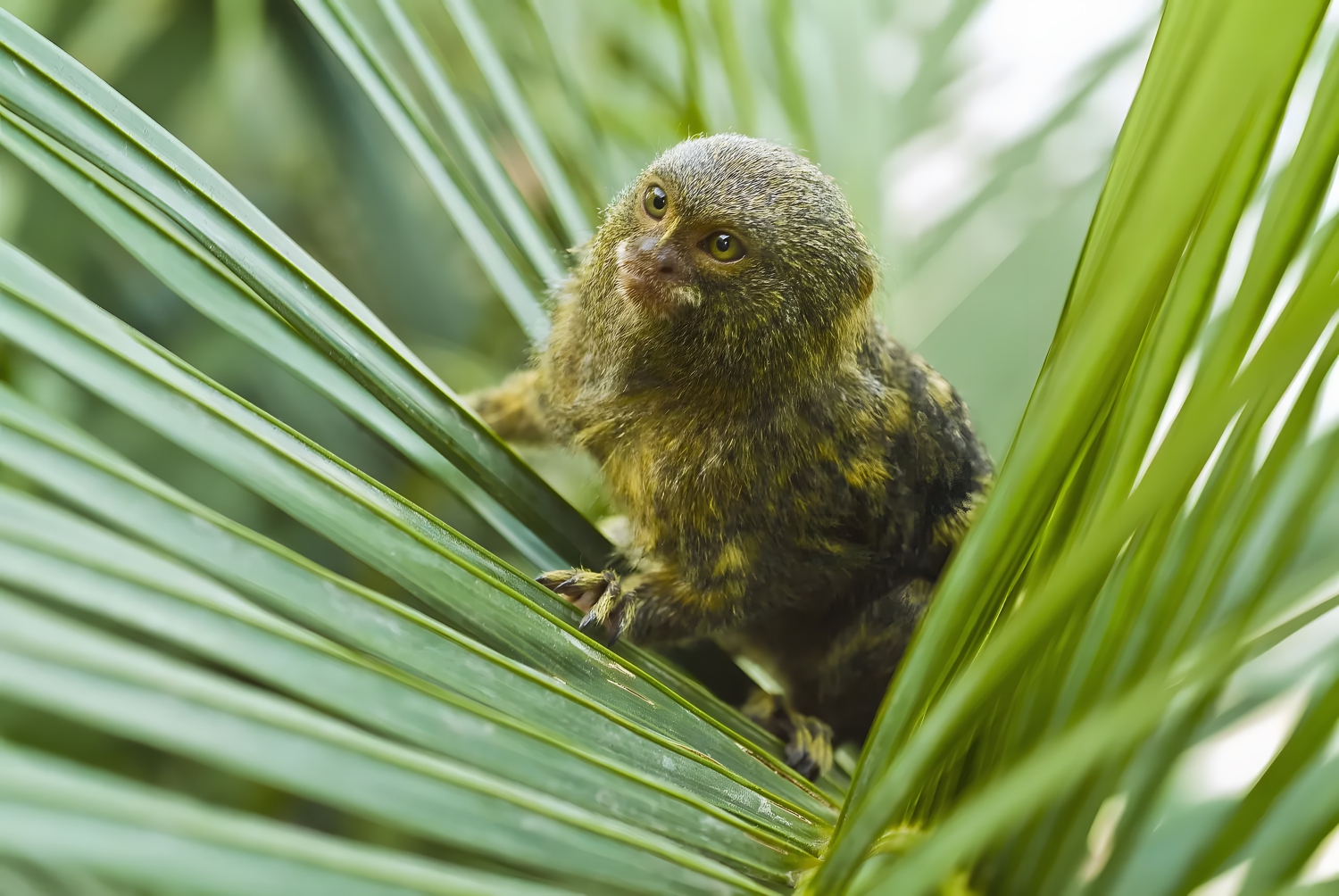
Brian Guzzetti / Design Pics / Getty Images
Native to the Amazon Basin of South America, this tiny New World monkey is around 5 inches long and weighs about 4 ounces in adulthood. Pygmy marmosets (Callithrix pygmaea) live in groups of two to six individuals and monogamous pairs share parental duties. Females give birth to one to three babies, which frequently include fraternal twins.
Although the pygmy marmoset is the tiniest monkey, the award for the smallest living primate goes to the Madame Berthe’s mouse lemur.
6. Mandrills Are the World’s Largest Monkeys
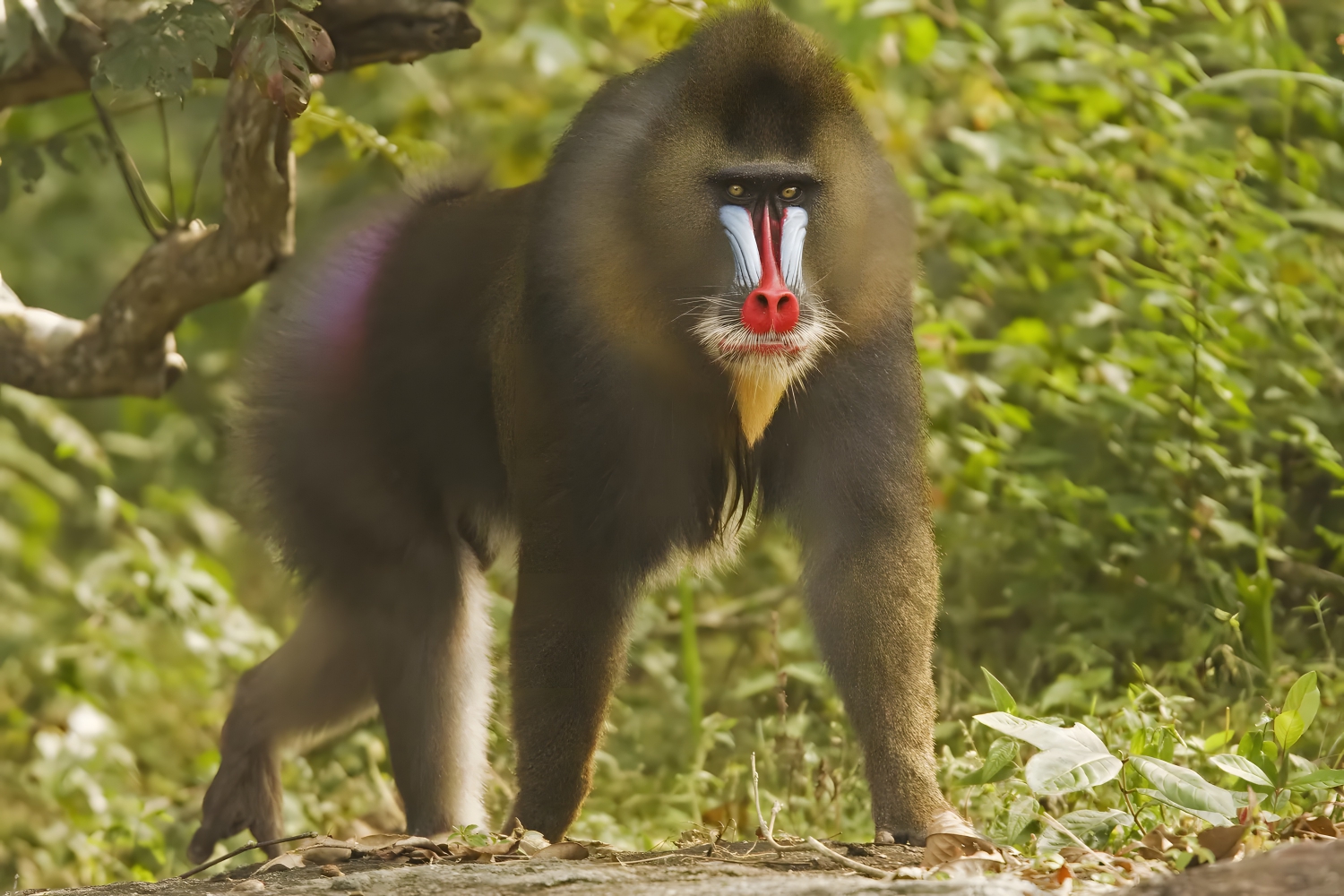
Anup Shah / Getty Images
Mandrills (Mandrillus sphinx), which live in the tropical rainforests of central West Africa, are easily recognizable because of the vibrant coloration of their faces and behinds. In addition to color, mandrills exhibit extreme sexual dimorphism in size that sets them apart from other monkeys. While female mandrills weigh in at around 25 pounds on average, adult male mandrills weigh an average of 55 pounds and as much as 119 pounds.
7. The Color of a Bald Uakari’s Face May Reveal Its Health
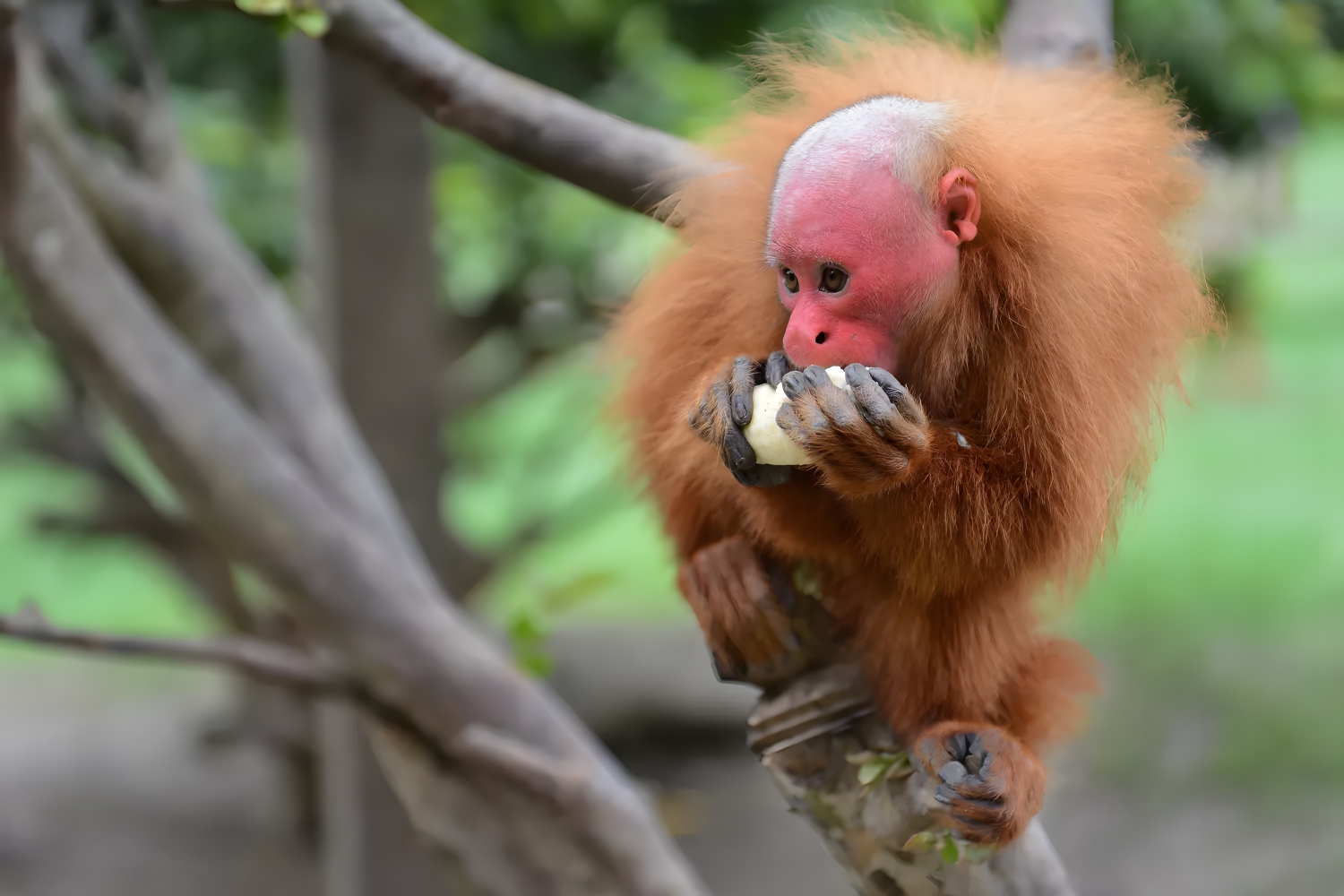
Steve Cukrov / Shutterstock
Bald uakari have striking red faces. Scientists have found anecdotal evidence suggesting that the brighter the face, the healthier these New World monkeys are. Individuals that are ill—often with malaria, which is prevalent in their rainforest habitat—exhibit a paler skin tone.
These monkeys also have excellent color vision, which helps them determine which individuals are healthiest and best-suited for mating.
8. Capuchins Are Smart With Tools
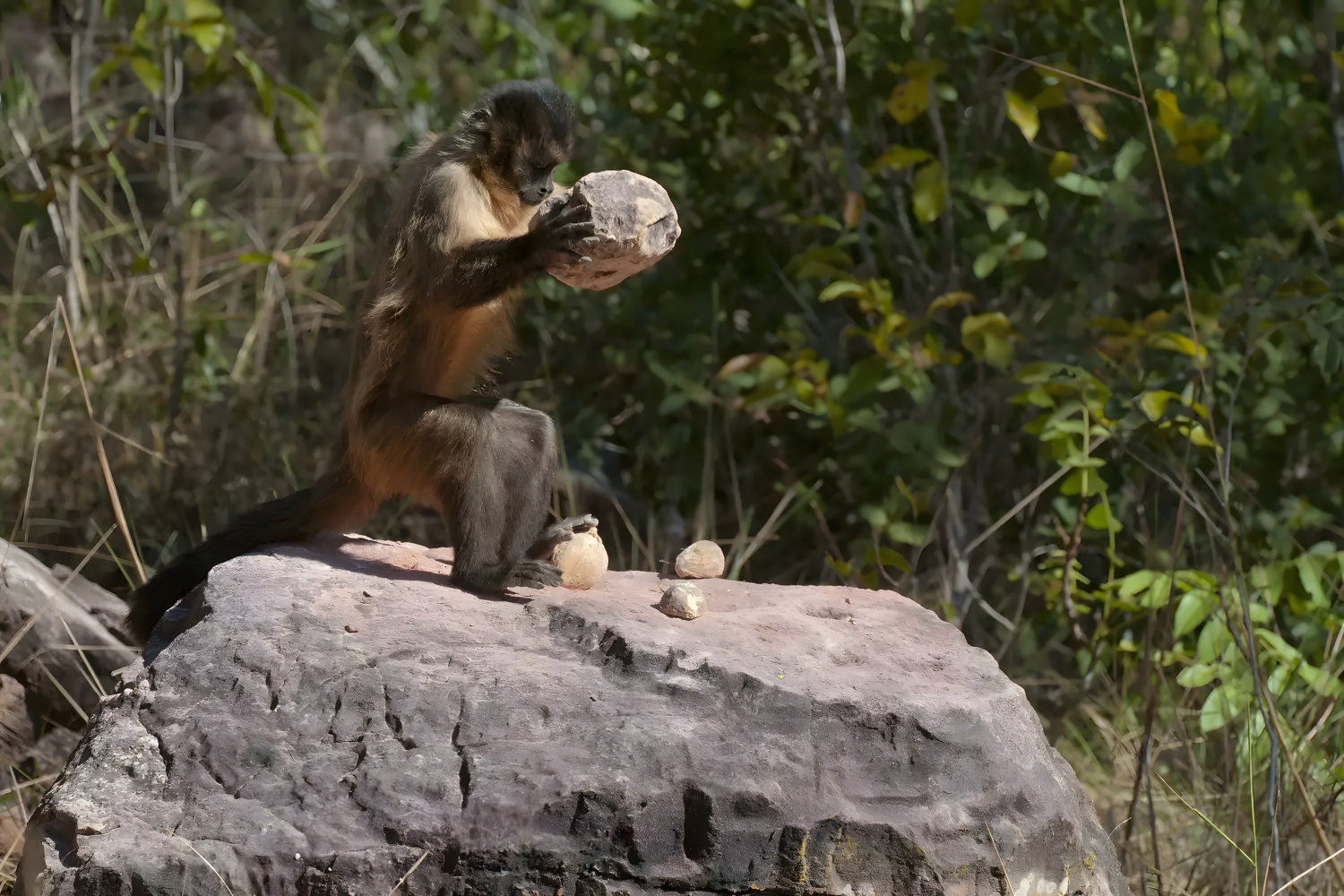
Dorit Bar-Zakay / Getty Images
Capuchins were one of the first primates other than apes to be observed engaging in highly skilled tool use in the wild. According to an archaeological study of capuchin stone tool use, wild bearded capuchins have been using tools for more than 3,000 years. During that time, their tool usage evolved—a skill previously only attributed to humans.
The most common example of intelligent tool use in capuchins is the way they crack open nuts, which is by placing them on pitted stone “anvils” and then hitting them hard with another rock. According to the archaeological study, they adjusted the size of their tools—using smaller rocks for seeds and softer nuts—over time. Another remarkable example of the intelligence of capuchins is the way they rub crushed-up millipedes on their bodies to repel mosquitos and other insects.
9. Howler Monkeys Are the Loudest
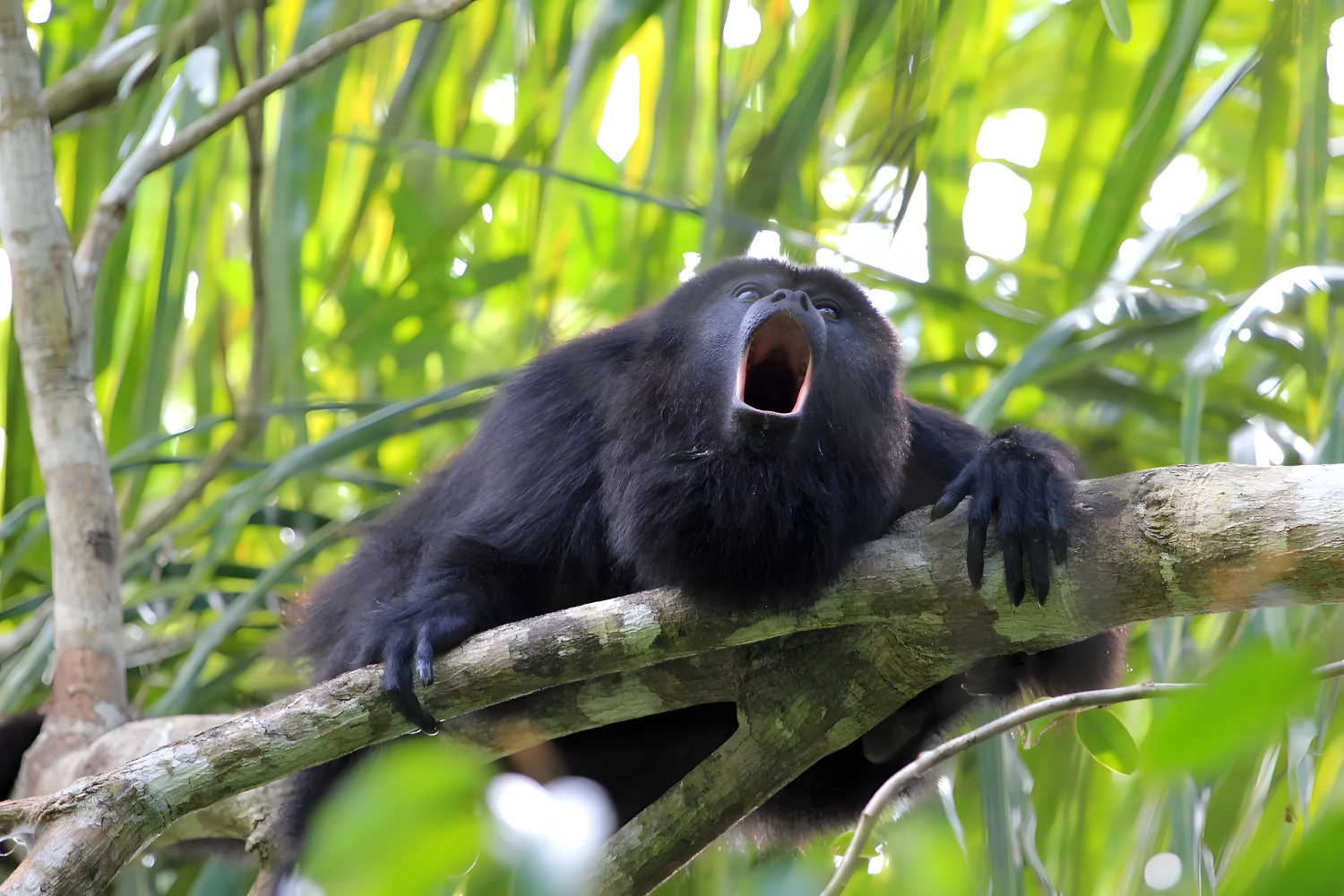
Martin Schneiter / EyeEm / Getty Images
While all monkeys can make their presence known, howler monkeys have one of the loudest calls of any land mammal. Humans can hear a howler monkey’s roar from a distance of three miles. Male howler monkeys are larger and louder than females. The deep sound produced by the howler monkey is the result of a physical adaptation of the species: an enlarged hyoid bone in their throats.
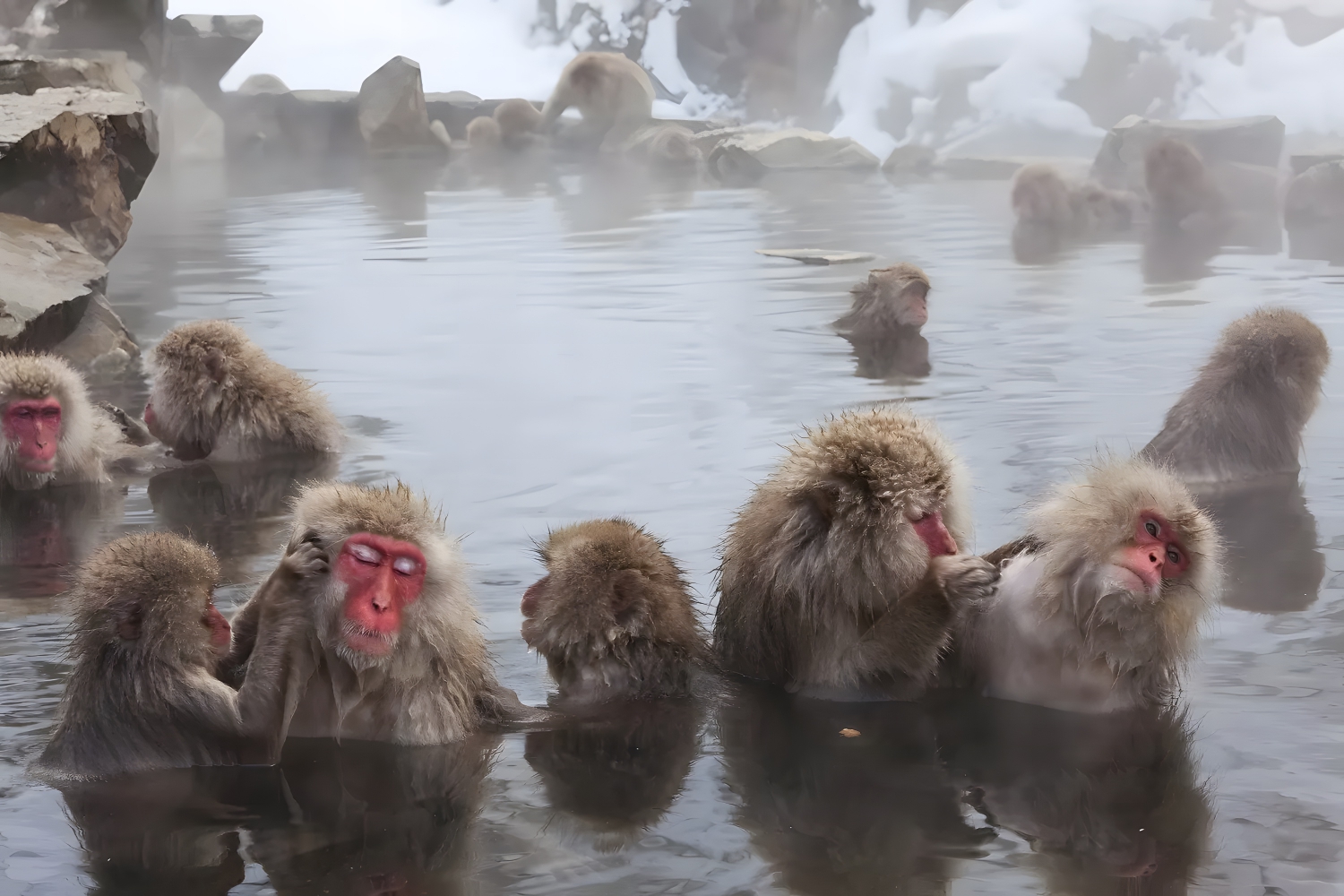
10. Japanese Macaques Enjoy a Relaxing Hot Soak
Mint Images / Getty Images
Japanese macaques, also known as snow monkeys, have evolved to thrive in climates ranging from subtropical to subarctic.
Troops of snow monkeys frequent the volcanic hot springs (onsens) at Jigokudani Monkey Park in Yamanouchi, Japan. This behavior appears to be an adaptation to the frigid climate, but researchers have also discovered that the hot baths reduce stress in the monkeys.
11. Monkeys Choose Their Sleeping Trees Carefully
Monkeys sleep in trees at night, which means they need to be selective about their snoozing spots. They typically choose tall, isolated trees whose branches do not touch others; this is believed to discourage predators, as they are unable to move easily between branches. It has the added benefit of protecting against malaria-carrying mosquitoes and reducing exposure to biting insects. Some monkeys like to be near human settlements because of their proximity to food.
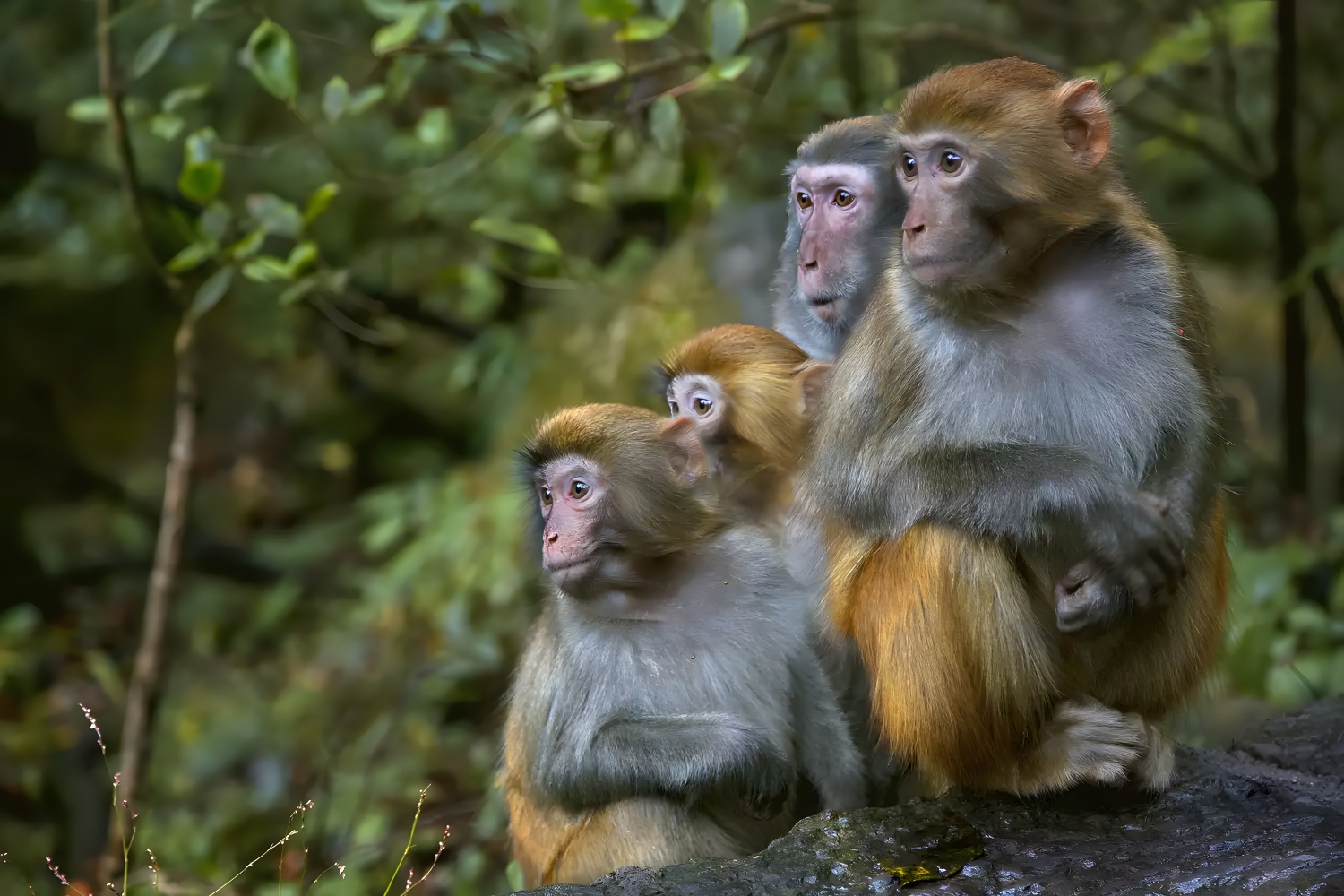
12. Rhesus Monkeys Have the Largest Range of Nonhuman Primates
Istvan Kadar Photography / Getty Images
Old World rhesus monkeys (Macaca mulatta) are native to Asia, but their tremendous adaptability has resulted in their spreading all around the world. Populations of rhesus monkeys—considered invasive since they’re nonnative—now live in Florida, South Carolina, and Puerto Rico, making their range the largest of any nonhuman primate, according to the CABI Invasive Species Compendium. As LiveScience reported, “Because of their flexible diet and ability to live in a range of habitats—from tropical forests to cold, mountainous regions—they have the potential to become invasive on every continent except Antarctica.”
13. Monkeys Eat Far More Than Just Bananas
You might picture a banana when thinking about a monkey eating, but their diets are far more diverse than that. Monkeys are mostly omnivorous, eating nuts, fruits, leaves, flowers, vegetables, bark, roots, rodents, birds, invertebrates, and more—pretty much whatever is available in their habitat. In fact, since bananas are an agricultural crop, they’re not commonly found in the wild, so most monkeys have likely never tasted a banana before.
14. Many Monkeys Are at Risk
Some of the most fascinating monkey species are experiencing rapid declines in population due to a variety of factors based on their unique location. The greatest risk factors include habitat loss and fragmentation, live capture for the global pet trade, and hunting for bushmeat or traditional medicines.
Several are included on the IUCN’s list of the 25 most endangered primates. Some of the most critically endangered Old World monkeys include the Roloway monkey, the Niger Delta red colobus, and the Cat Ba langur; only about 30 individuals of the latter remain. New World monkeys that are critically endangered include the cotton-headed tamarin, the Ecuadorian white-fronted capuchin, and the pied tamarin.