
Unfortunately, nature surprises us not only with some amazing creatures but also with dangerous ones. And we can cross paths with them in seemingly safe places. Not everyone knows that even an ordinary ladybug may be dangerous or that caterpillars can cause skin irritation.
But forewarned is forearmed, which is why Bright Side decided to write this article about some creatures that should be avoided.
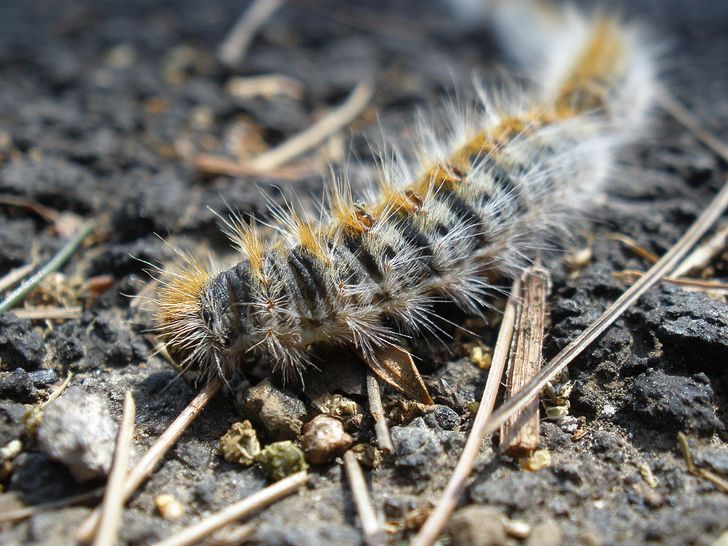
Pine processionary caterpillar
 © Salvatore Ingala / Wikimedia Commons, © CC BY-SA 3.0
Pine processionary caterpillars are dangerous and you don’t even have to touch them to have unpleasant consequences. Even if you simply come into contact with a place where this caterpillar was and where it dropped its hairs, you might experience dermatitis which could result in serious skin irritation and other consequences.
Where they live: Europe, North Africa, Middle East, India, and Russia
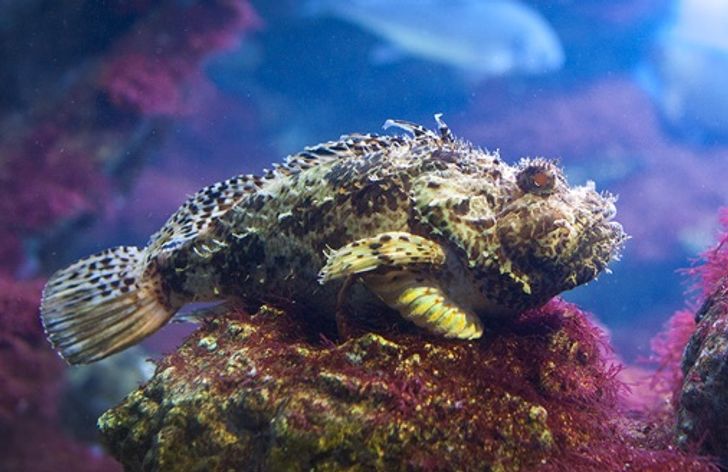
Black scorpionfish
 © Dmitriy Konstantinov / Wikimedia Commons, © CC BY-SA 3.0
Black scorpionfish are often found in coastal zones. They spend most of their time lying on the rocky bottom waiting for prey.
Big fish live deep, so fishermen and divers are the most at risk. The thorns they have on their back contain a chemical that leads to very serious pain, and the slime that gets into the wound will also cause inflammation, so don’t touch this fish.
Where they live: the Eastern part of the Atlantic ocean, the Mediterranean sea, and the Black sea
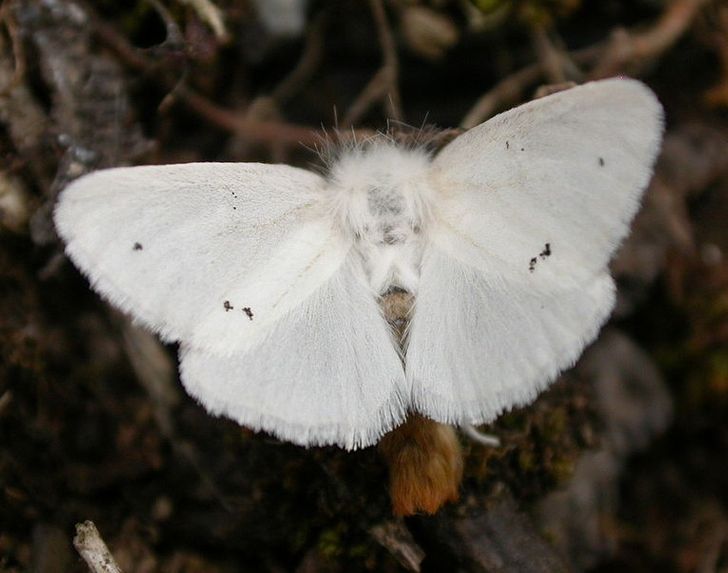
Browntail moth
 © Donald Hobern / Wikimedia Commons, © CC BY 2.0
Browntail moths and the caterpillars that are especially active in the middle of summer have poisonous hairs. Any contact with these moths will lead to a very bad rash that might remain for weeks. The area you touch the moth with will get red and get itchy. The favorite spots for these moths to live in are parks with deciduous trees and ripe fruit.
Where they live: Western and Eastern Europe, Asia
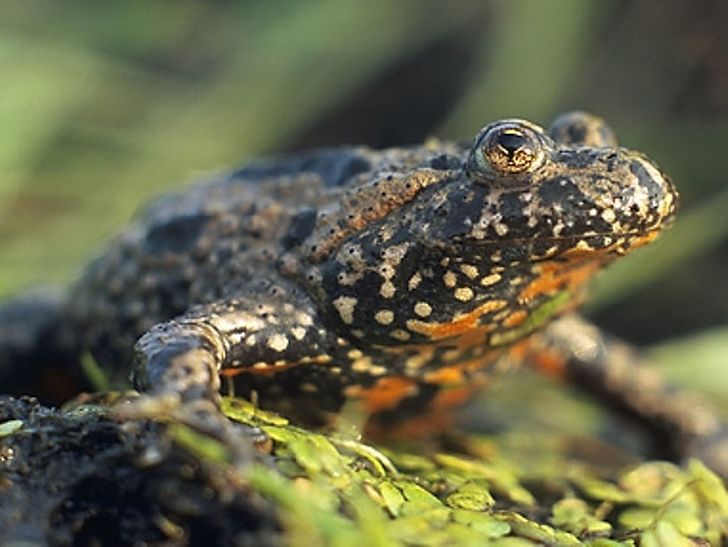
Fire-bellied toad
 © Marek Szczepanek / Wikimedia Commons, © CC BY-SA 3.0
Fire-bellied toads have dark red, orange, and yellow spots on their body. You shouldn’t touch them or you might get poisoned with bombesin — a chemical their skin is covered with. It causes bad irritation, fever, and headache.
Where they live: Europe and areas in Asia with a moderate climate
Diving beetle and its larvae
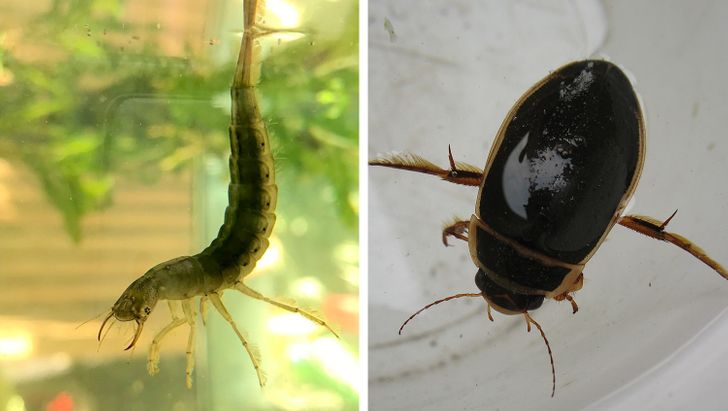 © Hulcr / Wikimedia Commons, © CC BY-SA 4.0, © Fox89 / Wikimedia Commons, © CC BY-SA 3.0
The larvae are quite big and can be up to 5 cm in size, which can make them pretty dangerous. If you touch it, it might bite you. The beetles themselves can give very bad bites too. The bite looks like the skin was pierced with something sharp. The bitten area will be surrounded by a bump that will take about 2-3 weeks to disappear.
Where they live: Europe, Asia, North Africa
Red slug
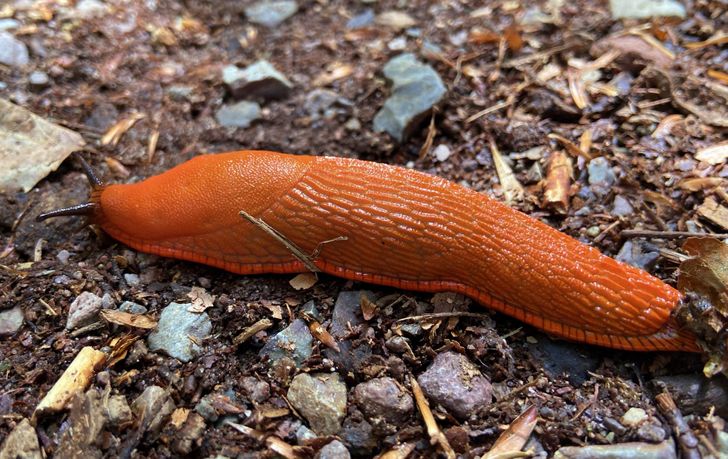 © dns.de / Pikabu
These slugs can reach up to 18 cm in length and they eat a lot. It can eat almost anything it finds but it also transmits nematodes — which are parasites that are dangerous both to humans and animals.
Where they live: Western Europe, including France, the Netherlands, Germany, Switzerland, Western Poland, and the Southern parts of the British islands
Meloe
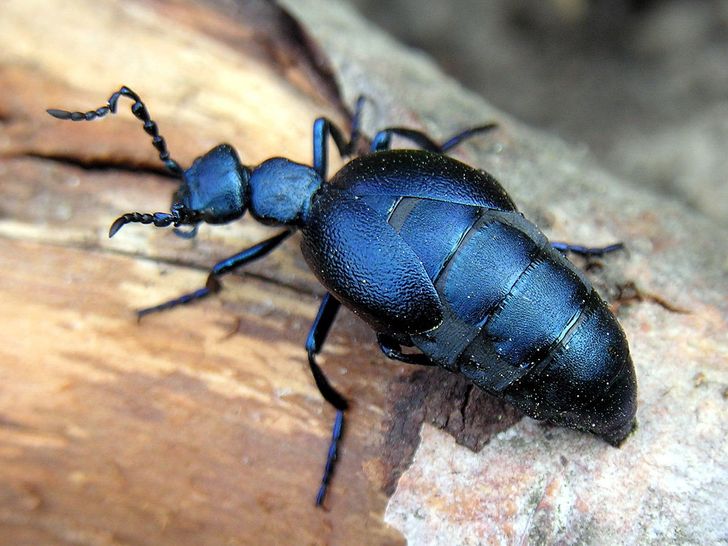 © Algirdas / Wikimedia Commons, © CC BY-SA 3.0
This is a dangerous beetle that can’t fly. If the chemical it produces gets on your skin, there will be burns and blisters and they will take a long time to heal.
Where they live: almost the entire Palearctic region
Caspian whipsnake
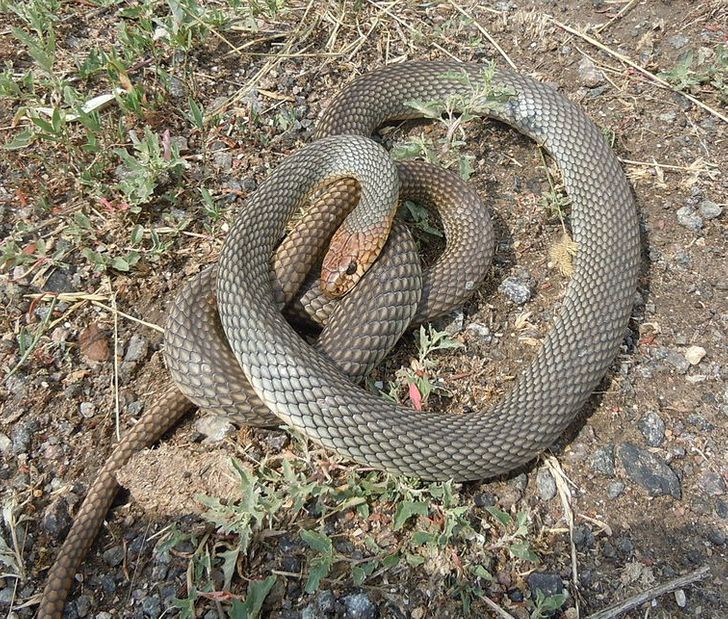 © Yuriy Kvach / Wikimedia Commons, © CC BY-SA 3.0
Caspian whipsnakes are not venomous but they are still incredibly aggressive. When it starts moving in circles, it means it is getting ready to jump. It always aims for the neck or the face.
Where they live: South and South-Eastern Europe and Eastern Kazakhstan
Common backswimmer
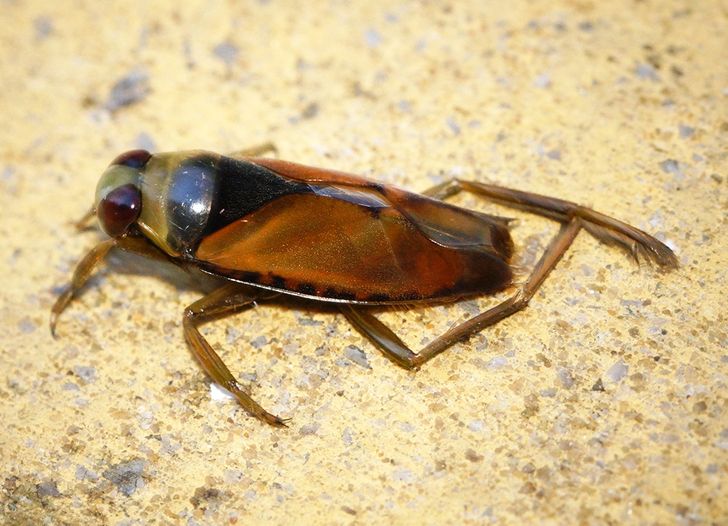 © Ben Sale / Wikimedia Commons, © CC BY 2.0
Common backswimmers don’t look dangerous but you shouldn’t underestimate or touch them. It doesn’t happen very often but they can still pierce the skin with their noses.
Where they live: Europe and Russia
Tiger mosquito
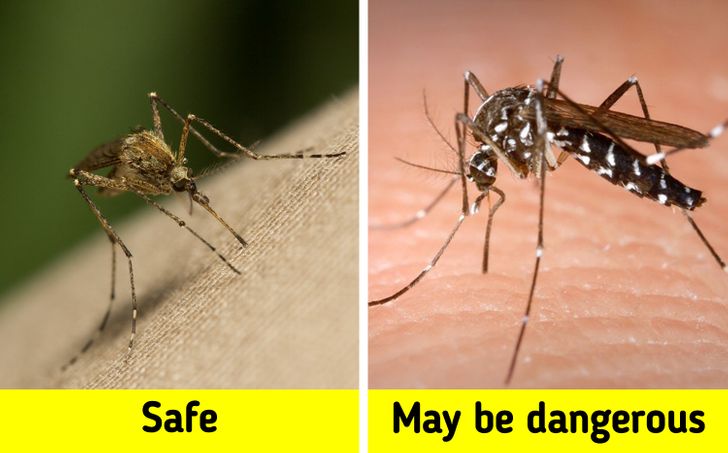 © Mario Yordanov / Flickr, © CC BY 2.0, © James Gathany/CDC / Wikimedia Commons, © Public domain
You can easily recognize these animals by the white stripes on their body and legs. They are dangerous because they transmit Dengue fever, Zika fever, and Chikungunya virus.
Where they live: Asia, North America, and Hawaii
Beaver
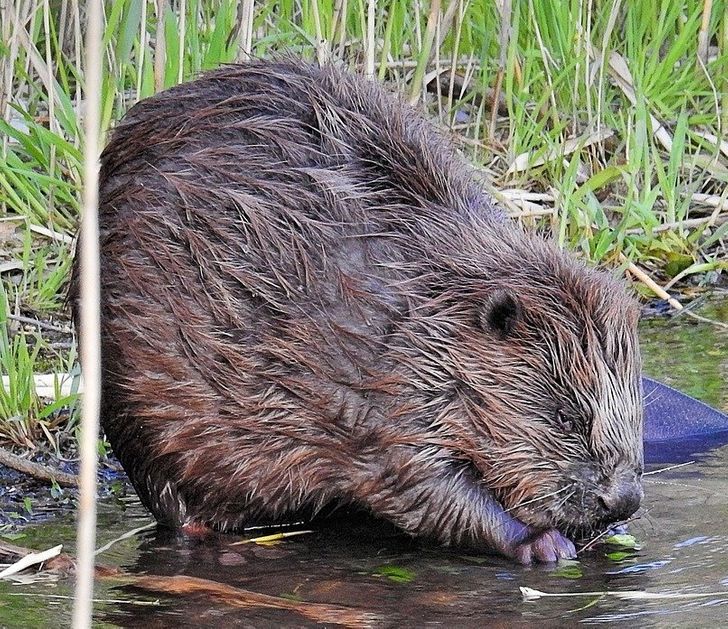 © hansbenn / Pixabay.com
Beavers live in their burrows when it’s cold but they sometimes get out to find food underwater. They can be really aggressive. In case of danger, beavers will protect their territory. So, if you see a beaver, it’s better to stay away from it to avoid any unpleasant situations.
Where they live: Spain, France, central and Eastern Europe, Scandinavia, and Russia
Bombardier beetle
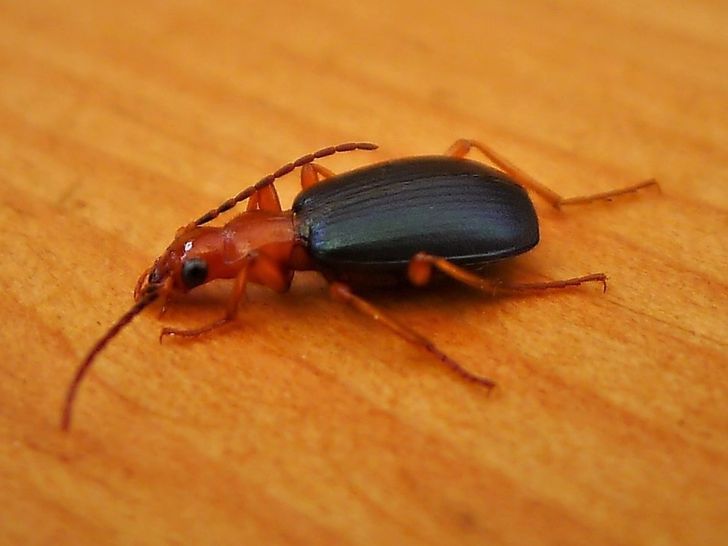 © gailhampshire / Flickr, © CC BY 2.0
Bombardier beetles got their name because when they feel threatened, they spray a boiling chemical.
It’s dangerous to touch these beetles because it will most likely trigger their defense mechanism, so the beetle will try to defend itself, and you will get a chemical burn. It’s even worse if the chemical gets into your eyes.
Where they live: Russia and in Southern Eurasia
Ladybug
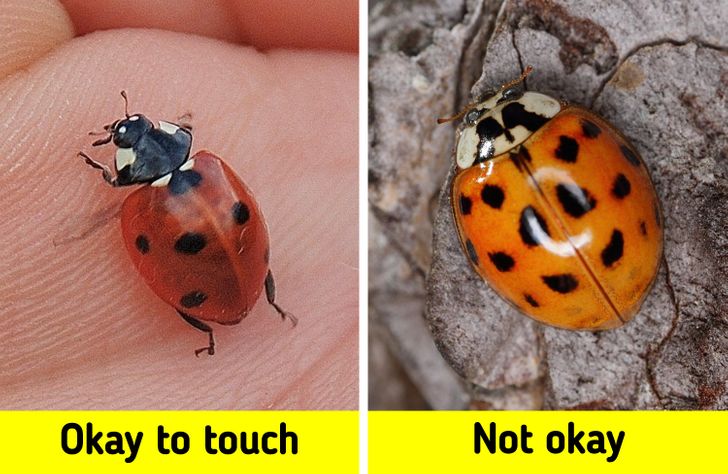 © GLady / Pixabay.com, © spacebirdy / Wikimedia Commons, © CC-BY-SA-3.0
Most kinds of ladybugs are harmless. But the harlequin ladybug is dangerous because it might bite you with its strong jaws, especially if it’s hungry.
Even though the bite is not poisonous, there will still be a bump and there might even be an allergic reaction. The most popular reaction is conjunctivitis that appears if you touch your eyes after you touch the bug.
Where they live: Siberia, Kazakhstan, Japan, Mongolia, China, Korea, and Taiwan
Have you ever seen any of these creatures? Did you know that it’s better to stay away from them?
 zi ang