
There are some animals that can go for over 30 years without eating a thing or even drinking. For most animals, food is something they can’t do without for more than a day or 2, while others, due to their metabolic pathway, can last for months without food.
We at Bright Side love learning new things and sharing them with you, so we’ve compiled an informative list of animals that can survive without food for the longest amount of time.
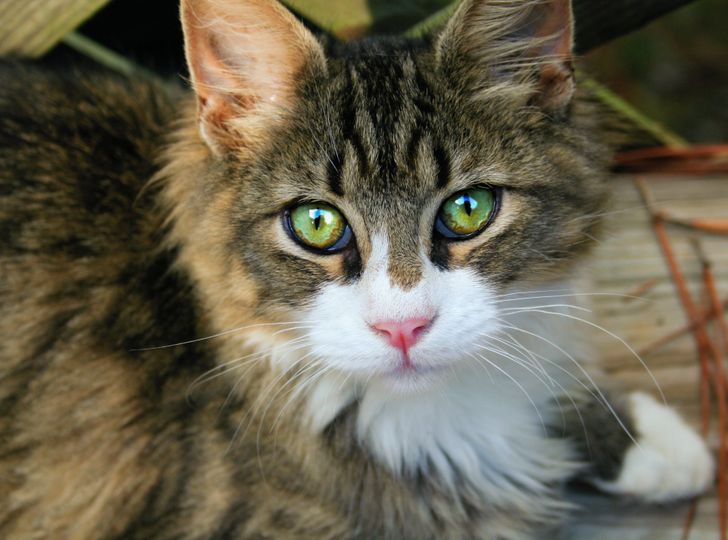
1. Cat — 2 weeks
 © publicdomainpictures.net
Depending on the amount of water and food they initially consume and their overall health, a cat can last for 2 weeks without food.
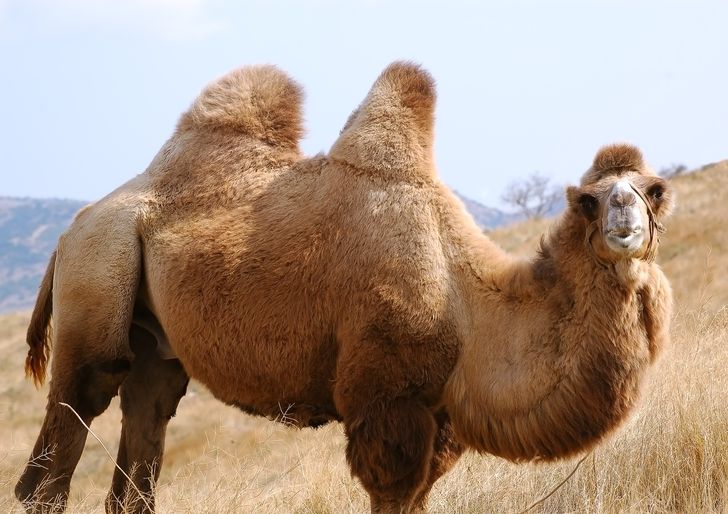
2. Camel — 2 months
 © depositphotos.com
Camels use their humps to store fatty tissue which is usually used as a source of nourishment when food and water are scarce.
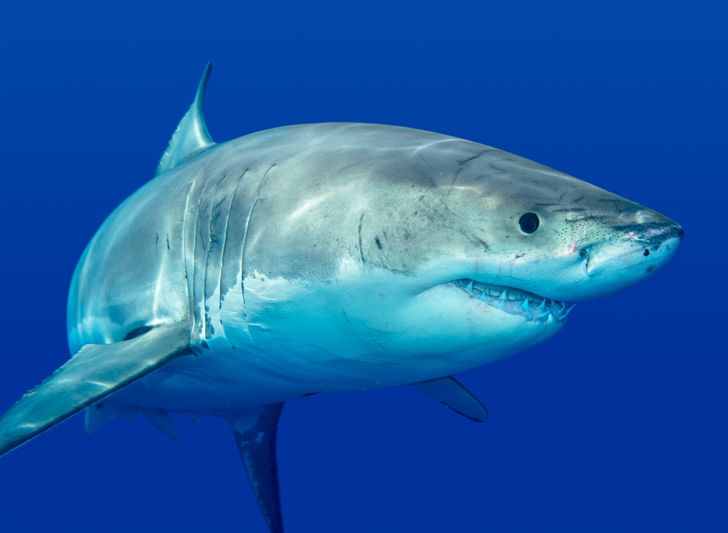
3. Great white shark — 3 months
 © depositphotos.com
A great white shark can eat 11 tons of food a year, and that’s a whole lot! Usually, when a great white shark eats a one-time meal, it could last for 3 months without eating again.
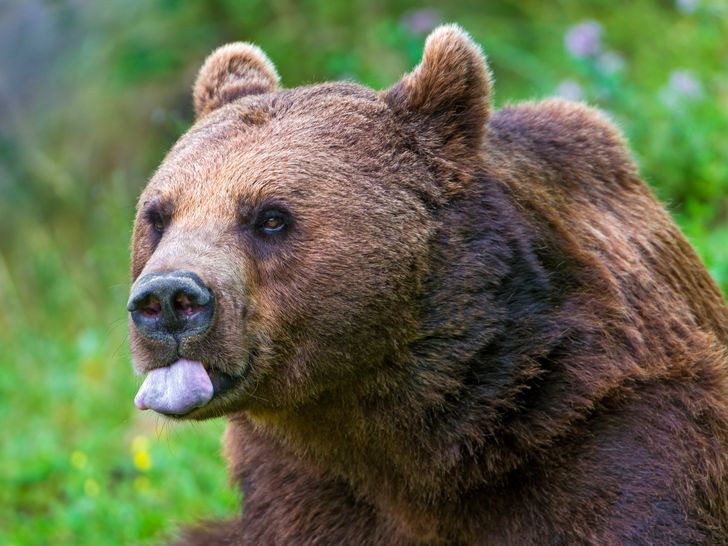
4. Bear — 3 months
 © Tambako The Jaguar / flickr
Bears are often referred to as the great hibernators because they can go for more than 3 months without eating, drinking, exercising, defecating, or even urinating.
5. Emperor penguin — 3 months
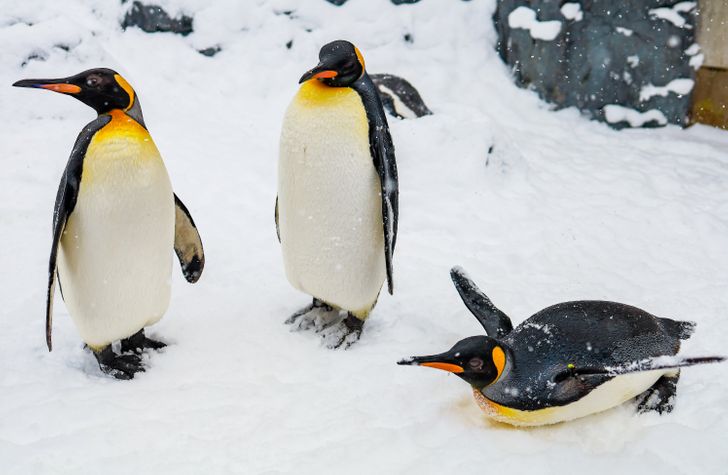 © depositphotos.com
The male emperor penguins are forced to withstand extreme Antarctic winter cold for more than 3 months whilst protecting their eggs — and they don’t eat anything during this time.
6. Humpback whale — 6 months
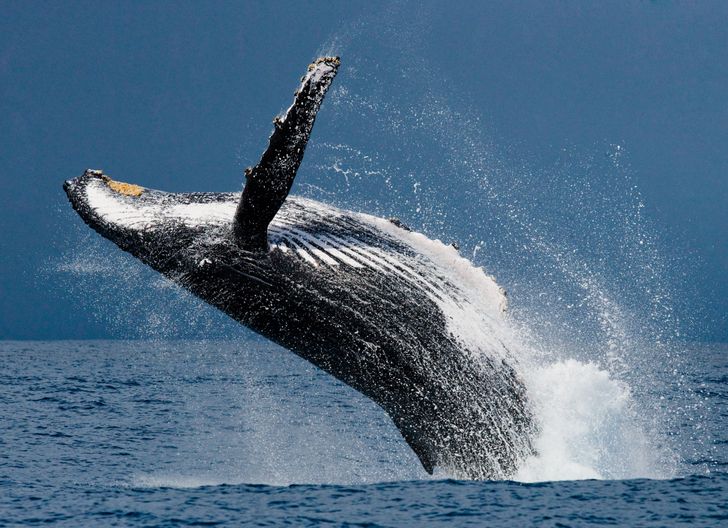 © depositphotos.com
Humpback whales use their blubber to store extra fat whenever they feed during the summer which, in turn, allows them to go without food for 6 months.
7. Ball python — 6 months
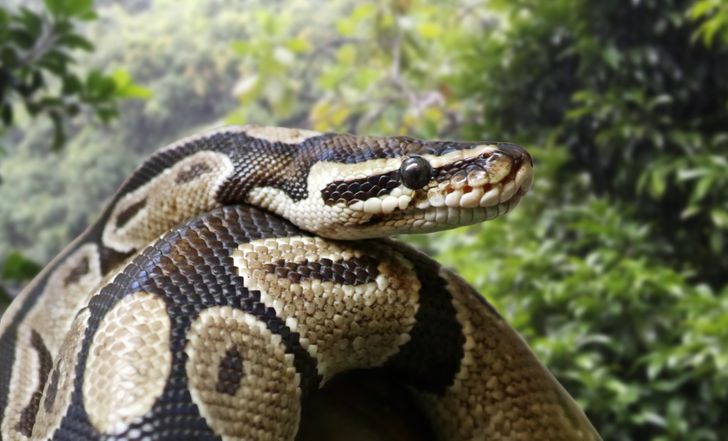 © depositphotos.com
Ball pythons snakes have a lower metabolic rate that can conserve energy well enough for them to go for a long period of time (6 months) without food. They simply use their conserved energy to survive.
8. Galapagos tortoise — 1 year
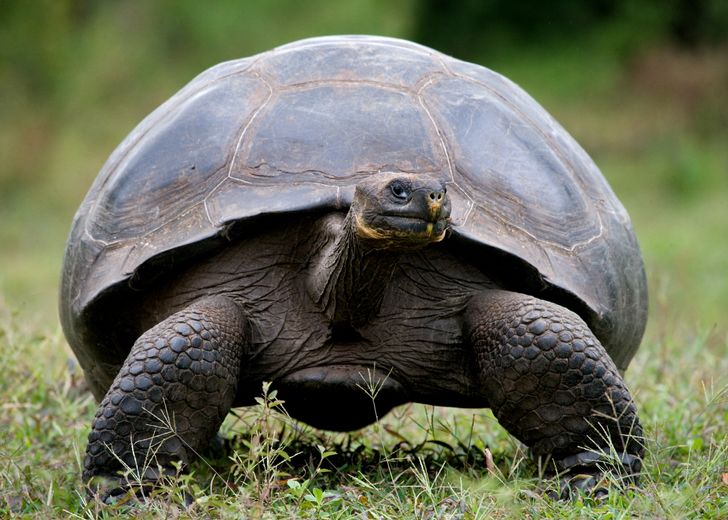 © depositphotos.com
Galapagos tortoises have very large internal storage for water and they have a slow metabolism, helping them to survive without food for an entire year.
9. Scorpion — 1 year
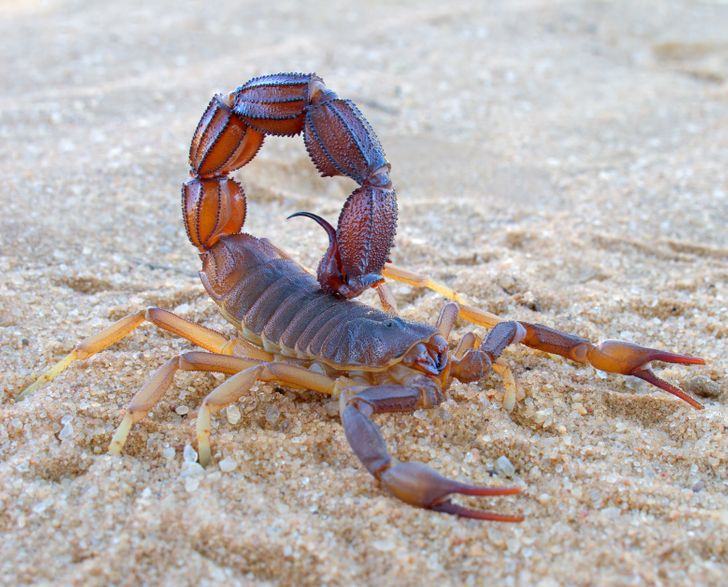 © depositphotos.com
Scorpions eat one-third of their body weight in just one meal. This alone helps them to slow down their metabolism and handle their nutrition, making it possible to last for a year without food.
10. Burrowing frog — 1 year
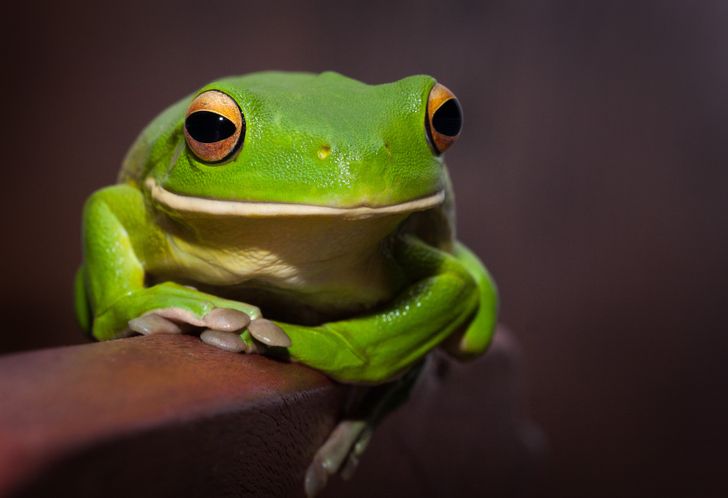 © Bignoter / Wikimedia Commons
A burrowing frog can stay buried in mud for a year without food. They do this by conserving energy when there’s a shortage of resources after going through a period of torpor.
11. Crocodile — 3 years
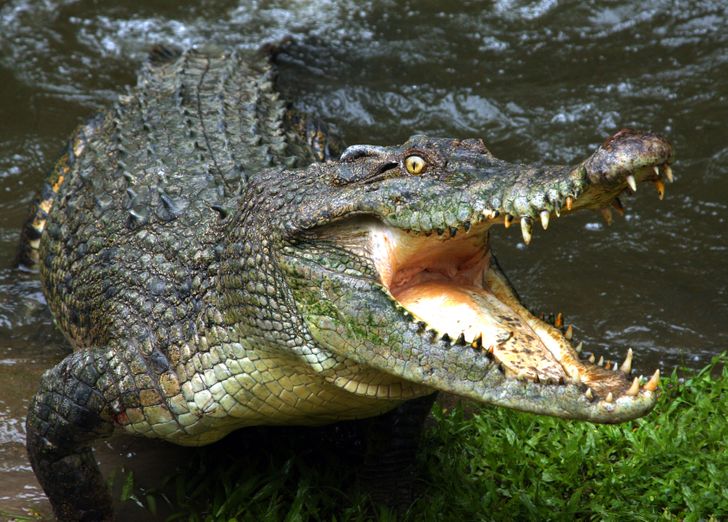 © depositphotos.com
Crocodiles preserve their energy by staying motionless, thus helping them to last for 3 years without food — after enjoying a good meal, that is.
12. Olm — 10 years
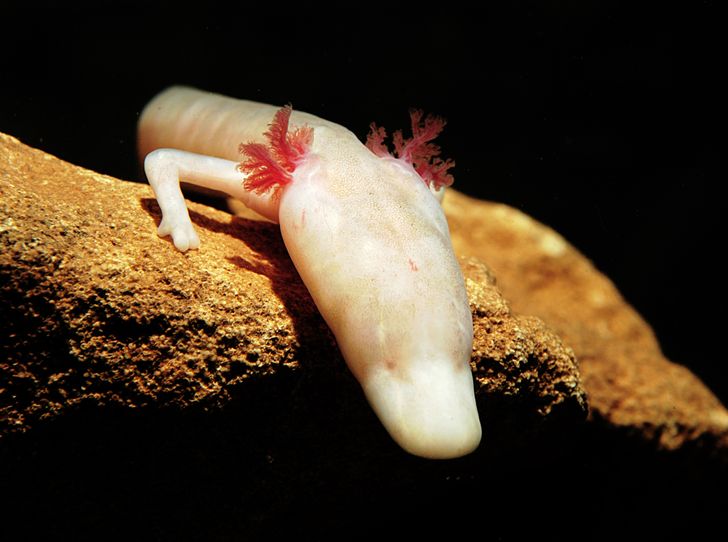 © shutterstock.com
When food is scarce, olms reduce their metabolic rate and activity. They can also reabsorb their own tissue, helping them last for 10 years without food.
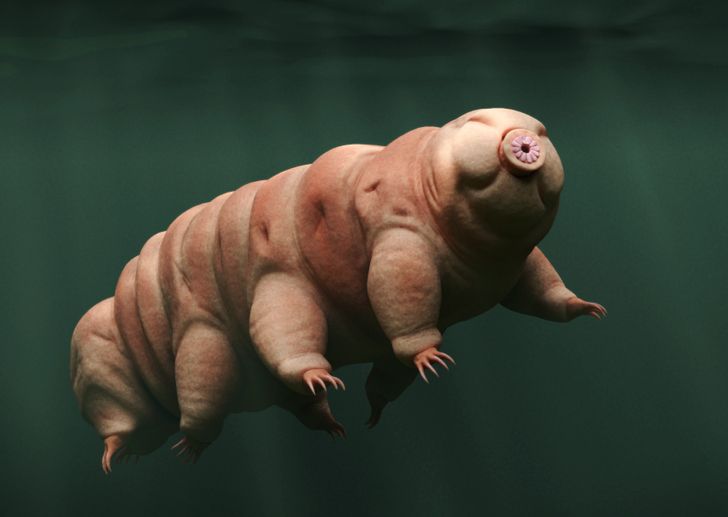
13. Tardigrade — 30 years
 © shutterstock.com
A tardigrade goes into cryptobiosis, also known as a lowered metabolism. Their metabolism lowers to 0.01% of their normal rate and their water content can also drop to 1%. This makes them able to go without food for more than 30 years.
Do you know any other animals we could add to the list? Please share them with us in the comment section!
 zi ang