
While they may not all be cause for concern, some common signs our bodies give us as warnings of bigger problems often get ignored. When our health is at stake, it’s always better to be safe than sorry. So it’s a great idea to make a doctor’s appointment when we notice these symptoms.
That’s why we at Bright Side want to help you be prepared for the important signs our bodies give us. Remember to always check in with your doctor if you’re worried about your health.
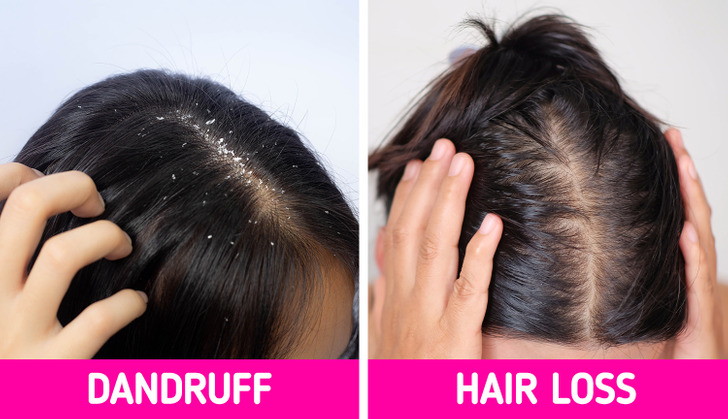
1. Dandruff and hair loss
 © Parkin Srihawong / Shutterstock.com, © Alon Za / Shutterstock.com
Having a flaky scalp can be a common problem, and paired with hair loss, this might be a sign of a lack of important vitamins and nutrients. Low levels of zinc, B2, B3, B6, and B7 vitamins, as well as iron, can be the cause of this everyday issue.
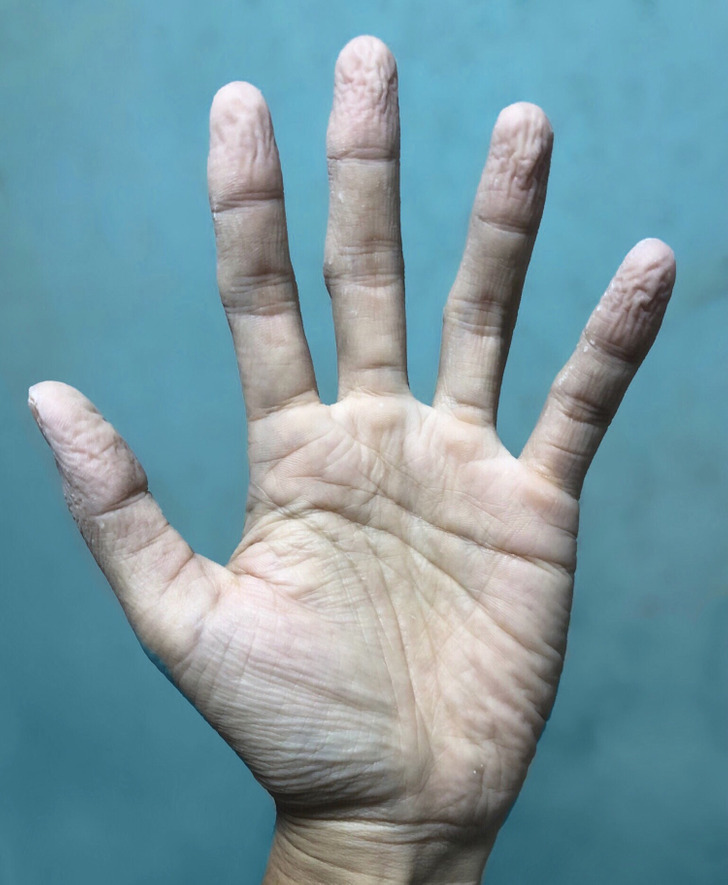
2. Wrinkly hands and fingers
 © Depositphotos.com
Developing wrinkles on our bodies is a normal, healthy sign of aging, and we usually get pruney fingers when we stay in water for a long period of time. But when our hands start to look more wrinkled and lose elasticity faster than other body parts, it might be your body sending you a warning. Wrinkles on your fingers without any exposure to water can mean dehydration, bad blood circulation, or a problem with your thyroid.
3. White patches on the tongue
 © Depositphotos.com
A healthy tongue usually has a pinkish color. If you notice white patches appear on your tongue, it might be a sign of oral thrush, which is very common among people who have diabetes. The patches could also be a sign of inadequate oral care, so upping your oral hygiene game could help the issue.
4. Skin rashes
 © kitzcorner / Shutterstock.com, © Kmpzzz / Shutterstock.com
Usually, red and itchy skin is a sign of eczema, but sometimes rashes, along with a fever, can also be caused by infections or touching certain plants. Even if they don’t look very serious, the spots can get infected, so it’s recommended to have them checked by a medical professional.
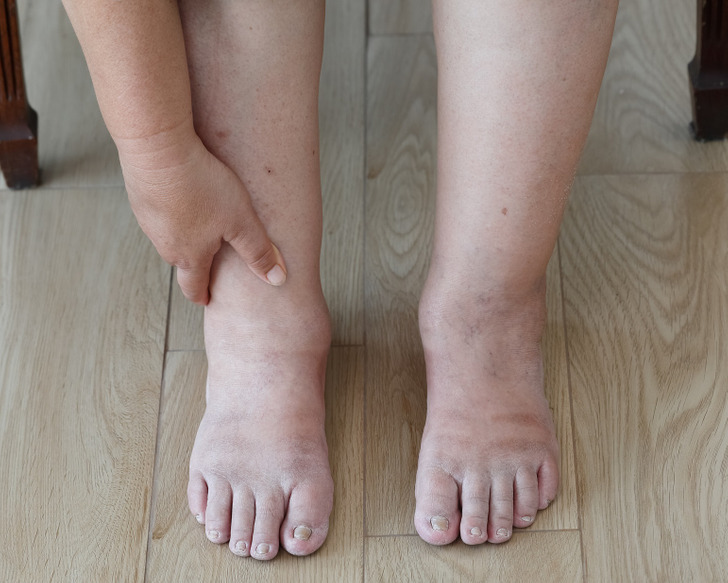
5. Swollen ankles
 © Depositphotos.com
Swollen ankles are a common sign of pregnancy, but if you are not expecting a child, they can mean bad blood circulation, heart problems, or underactive thyroid glands. A less serious cause of this symptom is eating too much salt, which can lead to water retention.
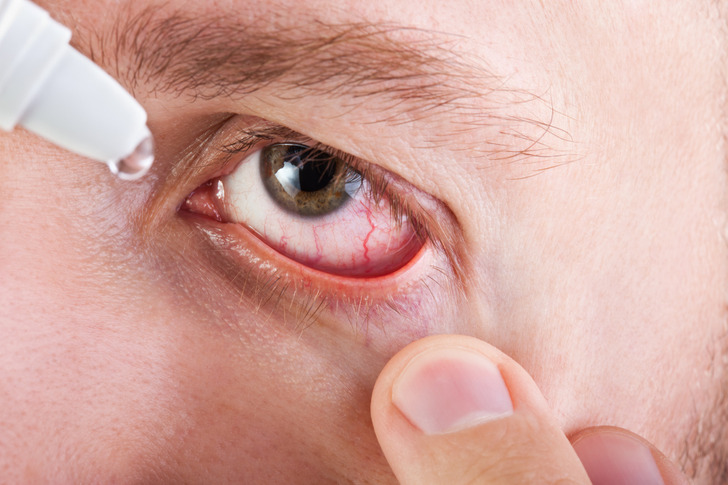
6. Dry eyes
 © Depositphotos.com
This can lead to a burning sensation, inflammation, and damage to the eyes. The dryness might be caused by aging or certain medications, but it could also be a sign of Sjogren’s syndrome. Sjogren’s is often accompanied by dry mouth, and it’s a disorder of the immune system.
7. Bloating
 © Troyan / Shutterstock.com
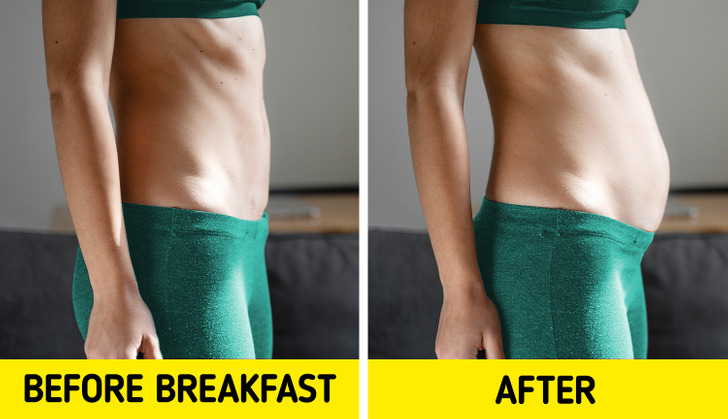
Some minor bloating after a meal is typically not cause for concern, but it might also be a sign of food sensitivity. Eating foods you’re allergic to (even if you don’t know it) causes a lot of gas to be released in your stomach. The most common foods that cause this are wheat and gluten.
8. Unexplained bruises
 © Depositphotos.com
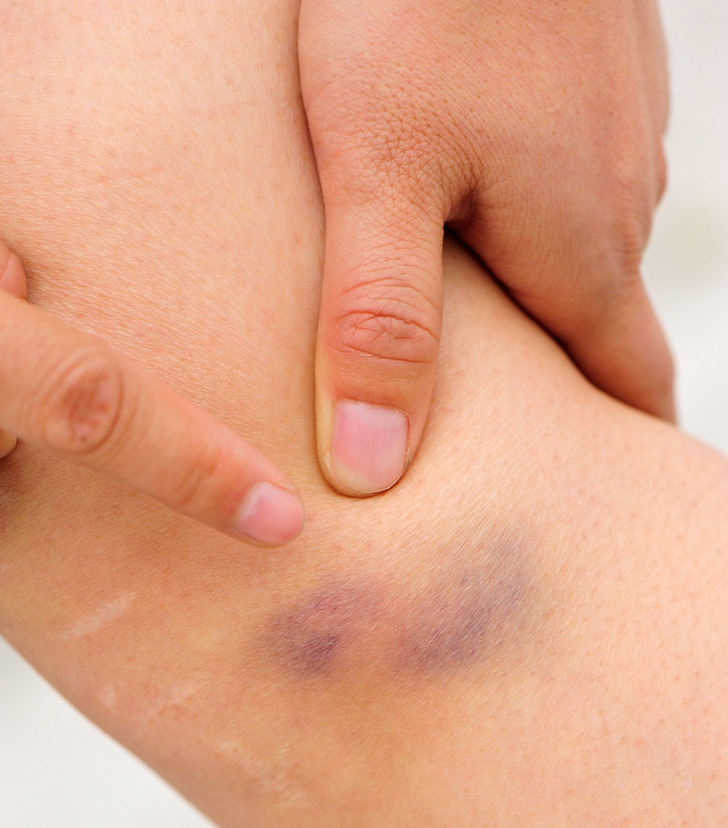
If you always find bruises in random places and don’t remember knocking into anything, it might be a good idea to turn to your doctor. Random and easy bruising could mean a simple vitamin deficiency, but it can also be a sign of something more serious, like a blood clotting disease.
9. Constant thirst
 © Grossinger / Shutterstock.com
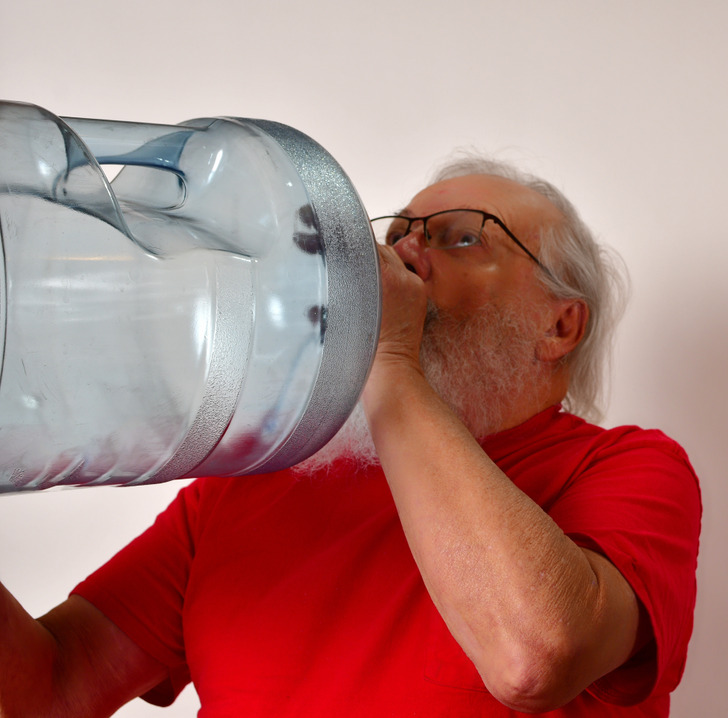
Keeping your body hydrated and drinking plenty of water is always important, but always feeling thirsty is a typical symptom of prediabetes. Other common symptoms are fatigue and frequent urination, which is a consequence of constant thirstiness.
10. Random muscle twitches
 © vitahima / Shutterstock.com, © onstockphoto / Shutterstock.com
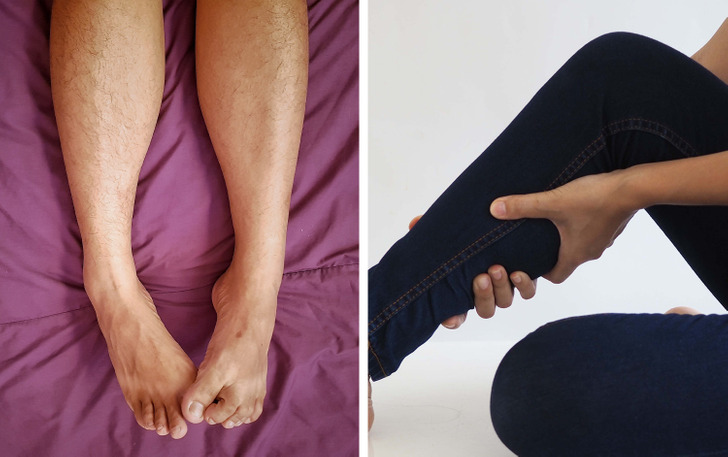
Muscle twitching can have many causes, including physical activity, stress, dehydration and not getting enough sleep. In more serious cases, it could mean a neurological disorder or kidney disease.
11. Snoring
 © Depositphotos.com
While annoying for your partner, snoring is often harmless for your body. Less frequently, it might be a sign of OSA (obstructive sleep apnea). Having OSA needs medical attention, and your doctor might prescribe you a medical device that helps you sleep and breathe better during the night.
Have you ever experienced any of these symptoms? Tell us in the comment section below.
 zi ang