
In the modern world, many people wish they were famous but at the same time, they want their private information to remain private. And the best place to express your emotions and thoughts seemed to be the internet. But is it really that safe?
We at Bright Side have found an interesting study. It turns out that there’s a huge difference between the people we communicate with and the people that actually see our posts. There is certain information that we should be really careful about posting. And in the bonus, we will tell you about the moments when it’s better not to go online at all.
Home address information

People don’t post info about their exact home addresses on purpose. But if you check their posts and comments, it may be not that hard to figure it out. Photos of the view through the window, stories from the nearest store, comments on the public transportation situations — all this info gives people a chance to understand where a certain person lives.
Also, many people don’t notice what exactly appears in their photos. For example, you take a photo of a tasty cake on the table or your cat and you don’t see that there’s a box in the photo with your exact address. We often post something we don’t want to share.
If you do share a picture online, please follow certain rules. Your location should not be identifiable in the photo. For example, you standing near your car where your license plate is visible. Or in front of your house, school, or work. Do not pose in regional wear, or wearing a local logo on your clothing. Also, posing in a mirror gives a clear reflection of other objects in the room. Too many people take their privacy for granted. My employee asked me if he could take the day off because he wasn’t feeling well. When I was eating lunch, I saw his stories from a picnic out of town. He looked extremely healthy. I had to talk to him about that.
A lot of information about yourself
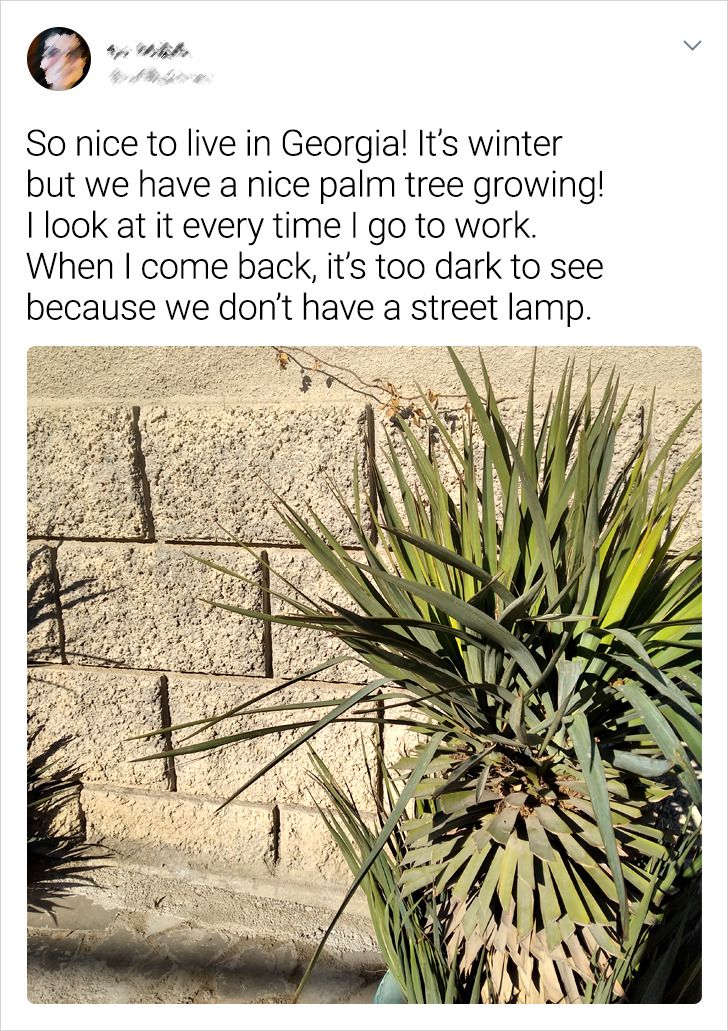
When looking for new subscribers and more likes, we are often too open. We post photos from a morning run in the forest, a shot from our favorite cafe we go to every morning, a tweet from the gym, and so on. This shows us to the world from the best angle, but also reveals a lot of extra information.
Even based on the likes we give, researchers can paint a pretty clear picture of what we are, what we believe in, and what our family histories are. But when we share more information places like banks, insurance companies, and future employers can find and use this info. Experts recommend looking through old information and removing it.
Also, be careful with online tests and quizzes, especially if there are questions asking the name of your account. This information is used in secret questions for account protection. So, you definitely shouldn’t share it.
I’d venture a guess and say that 90% of people on social media have no clue about online privacy. Just a little cross-referencing and a few other legal websites and you can get their address.
This one dude was attacking my nephew online. I cross-referenced his Instagram, Twitter, and Facebook. I wasn’t even friends with him on anything. I know his real name, his job, and the company he works for, the general area of the city he lives in and a picture of his house so I’m sure I could find the details on google maps. In about 30 minutes I had this man’s life dissected. Throwaways are important. I didn’t end up using it, but the fact that I had that much info at my fingertips made me reevaluate my online privacy even more.
My mom and aunt were almost scammed. A guy sent out messages from my aunt’s name saying that she needed money for her daughter. And it’s because my aunt had mentioned her daughter’s name, the place where she lived, and other personal details in a post.
Talking to strangers

Even if your boss is not on your friend list, don’t complain or post anything about your job online. You might have a colleague that wants to set you up.
Also, don’t publish any photos from your workplace because you might accidentally capture and reveal some confidential information. For example, a password or the name of your latest work project that is supposed to be a secret.
We had a crazy Friday — lots of orders. I took a picture of the screen and posted it. The next day, my boss called me into his office and told me that one of the clients complained that her personal information was online. In the photo I posted, you could see her first and last name and her phone number. I was fired. Delete the “sent from mobile device” signature from your phone’s email app. Nobody needs to know you’re not at your computer.
Discussing your partner
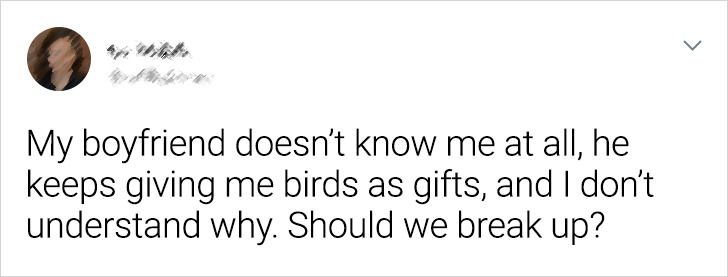
The internet is not the best place to discuss the behavior of your partner. We don’t share some things even with our friends. But even when some people anonymously talk about personal things online, it’s still possible to understand who this is using the details.
Sooner or later, all of the problems will be solved. And posting about them online won’t help this. And on top of that, the trust in your relationship will be undermined. When you realize that your partner is ready to make anything about your relationship public, you will no longer feel safe enough to share your secrets with them.
Party photos
 I don’t post photos of my child on Facebook. I informed both sets of grandparents that we’d like them to ask permission before posting photos, they were nothing short of scandalized. They have zero understanding of internet privacy or safety. My mother-in-law has an absurd number of Facebook friends, and I recently discovered my dad’s profile was set to public. I work in an elementary school and spend a lot of time discussing appropriate online behavior. A few years ago I started asking the students if they like when their parents post their pics online. The vast majority of them don’t like it. A couple of them said they asked their parents not to and were laughed at or were told it didn’t matter because the picture was cute/funny/etc. It was really sad.
Bonus: When you shouldn’t go online
 © Pixabay
There are moments in our lives when we should put down our phones and laptops so we don’t inadvertently post something stupid. Of course, communication can help, but you might regret these posts later. Refrain from posting at the following times:
When you’re angry. When you’re stressed. After or during a party. When you’re sad. When you’re tired or sick.
Do you regret anything you’ve posted online?
 zi ang