
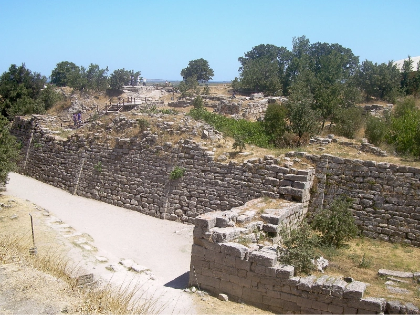
6. Troy as a UNESCO World Heritage Site: Preserving the Past for the Future
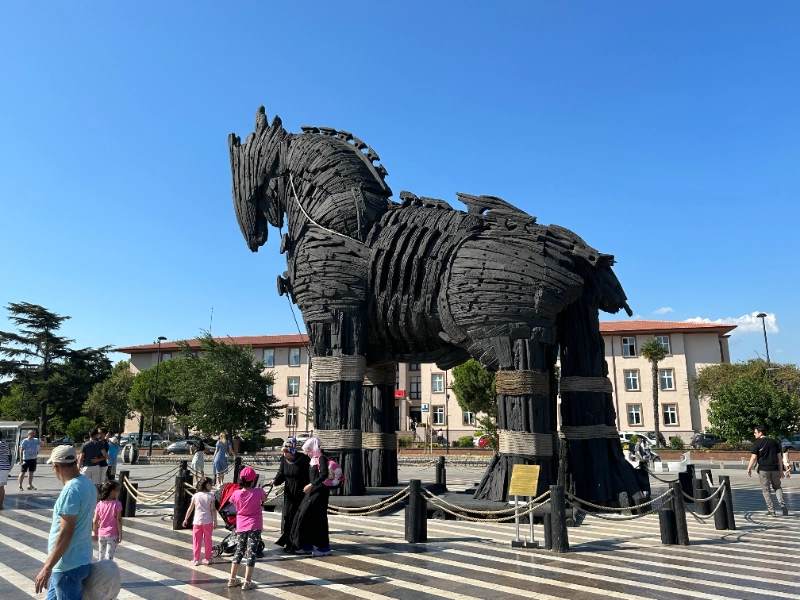
Recognising its great global worth and guaranteeing its preservation for next generations, the archaeological site of Troy was added to the UNESCO World Heritage List in 1998. This classification honours not just the archaeological value of the site but also its major relevance in human cultural history.
Covering 158 hectares, the UNESCO listing includes the old city itself as well as its surrounds. From the Early Bronze Age to the Byzantine era, it covers all nine main periods of habitation at Troy, therefore spanning more than 3,000 years of ongoing occupation. The site’s World Heritage List listing has attracted more resources and attention towards its preservation and study.
Efforts towards conservation at Troy present many difficulties. The delicate remnants of past buildings are subject to erosion, weathering, and the effects of growing visitor count. Rising sea levels and increasingly severe storms events could compromise the site’s long-term stability therefore climate change presents greater hazards.
A thorough management plan has been carried out to meet these difficulties. This covers steps to safeguard the archaeological sites, including building coverings over vulnerable parts and using visitation control techniques to reduce site wear and tear. Using methods that honour the site’s authenticity and integrity, the conservation effort concentrates on stabilising and maintaining the exposed ruins.
Additionally involved in Troy’s administration as a World Heritage Site is much research and documentation. Detailed records of the site are being created using advanced technology including aerial photography and 3D scanning, therefore supporting not only conservation activities but also our knowledge of Troy’s architecture and history.
Key ingredients of Troy’s World Heritage designation include public outreach and education. Opening in 2018, the on-site museum gives guests a whole picture of Troy’s importance and past. While simultaneously teaching guests the value of archaeological preservation, interactive displays and multimedia presentations help revive the historic city.
Management of Troy depends much on international cooperation. Cooperation between Turkish authorities and foreign experts, sharing information and best practices in archaeological preservation and site management, has helped the site Apart from helping Troy to be preserved, these alliances promote cross-cultural communication and understanding.
Troy’s World Heritage designation has also had major financial effects on the surrounding area. With the increase of tourism infrastructure and services generating employment and promoting economic development, local communities now have new chances. This does, however, also provide difficulties in juggling the need to preserve the place and its surrounds with tourism development.
Looking ahead, maintaining Troy as a World Heritage Site calls on not just safeguarding of its physical features but also of its intangible legacy, which consists of the myths, legends, and cultural value connected with the site. By means of this all-encompassing approach to heritage management, Troy guarantees that he will remain a bridge between past and present and inspire and teach next generations.
Troy’s UNESCO World Heritage title reminds us of the site’s worldwide importance and our shared need to protect it. We are writing a new chapter in Troy’s lengthy history as we keep learning fresh insights about its past: one of conservation, study, and international collaboration in the service of our shared cultural legacy.
 zi ang