
5. Troy in Literature and Art: A Timeless Source of Inspiration
Inspired by many works of literature, art, and music over the years, the tale of Troy has had a lasting impact on Western civilisation. Artists and authors have returned again from ancient times to the present to this rich source of inspiration, reinterpreting and recreating the Trojan story for fresh audiences and new cultural settings.
The Trojan myth in Western literature is derived from Homer’s Iliad and Odyssey, which were written perhaps in the eighth century BCE. Over two millennia have seen study, translation, and adaptation of these epic poetry with their rich characters and dramatic plots. Focusing on the wrath of Achilles and the last days of the Trojan conflict as well as Odysseus’s protracted trip home following the conflict, the Iliad and the Odyssey have been pillarstones of Western literature, impacting innumerable authors and thinkers.
Troy’s narrative kept developing and growing in the ancient world. Roman writers such as Virgil adopted the story; Virgil’s Aeneid follows the path of the Trojan hero Aeneas to Italy, where he becomes the progenitor of the Roman people. Roman cultural identity and political propaganda became to revolve around this linkage of Troy to the beginnings of Rome.
Writers and artists continued to find great appeal in Troy across the Middle Ages and Renaissance. While painters and sculptors portrayed scenes from the conflict in frescoes, tapestries, and statues, mediaeval romances developed the tales of many Trojan heroes. For his drama “Troilus and Cressida,” Shakespeare borrowed on the Trojan myth, presenting a critical view of the heroic ideas of the ancient narrative.
More recently, the narrative of Troy has kept inspiring fresh readings. Novels like Margaret Atwood’s “The Penelopiad” and Christa Wolf’s “Cassandra” have recreated the story from the viewpoints of female characters, therefore providing feminist criticisms of the conventional wisdom. For contemporary viewers, movies like Wolfgang Petersen’s “Troy” ( 2004) have revived the legend; meanwhile, they have also spurred discussions about historical authenticity and the definition of heroism.
The Trojan story has also had a big impact on the visual arts. From Renaissance classics like Lucas Cranach the Elder’s “The Judgement of Paris,” to ancient Greek vase paintings, artists have found limitless inspiration in the dramatic events and characters of the Troy narrative. The myth is still recreated in modern and contemporary art as creators use the Trojan story to remark on issues of war, power, and human nature.
Troy has also inspired musicians. While popular music has sometimes alluded to Trojan themes and characters, operas including Berlioz’s “Les Troyens” and Tippett’s “King Priam have brought the subject to the operatic stage.
The Troy narrative’s examination of universal themes—love and betrayal, honour and duty, the human cost of war, the relationship between mortals and gods—adds to its ongoing popularity Every next generation discovers something relevant and interesting in this age-old story, rereading it to mirror modern issues and beliefs.
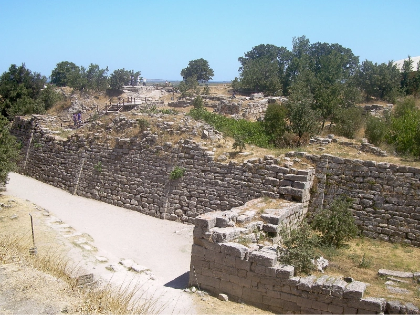
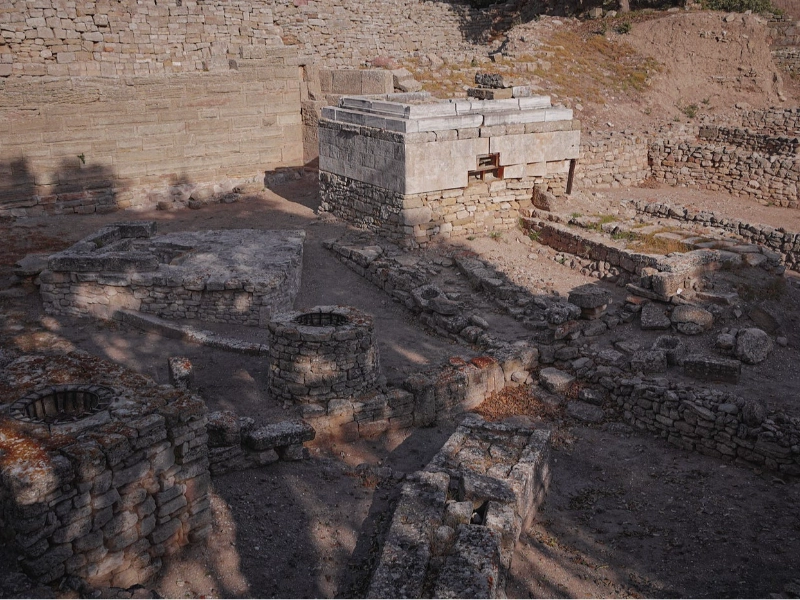
Furthermore intriguing is the way the Troy tale combines myth and history. The conflict between the archaeological reality of the site at Hisarlik and the lyrical truth of Homer’s epics begs interesting issues concerning the nature of historical truth and the authority of narrative. Troy continues to be a rich source of inspiration for writers, artists, and intellectuals in the 21st century and beyond thanks to this interaction between reality and imagination, between the physical remnants of the past and the ethereal power of myth.
 zi ang