
6. Ancient Bees and Climate Change: Lessons from the Past
Bee evolutionary history offers important new perspectives on how these important pollinators can react to present and future climate change. Scientists can better estimate the possible effects of global warming on current bee populations by learning how past climate changes were adapted to by ancient bees.
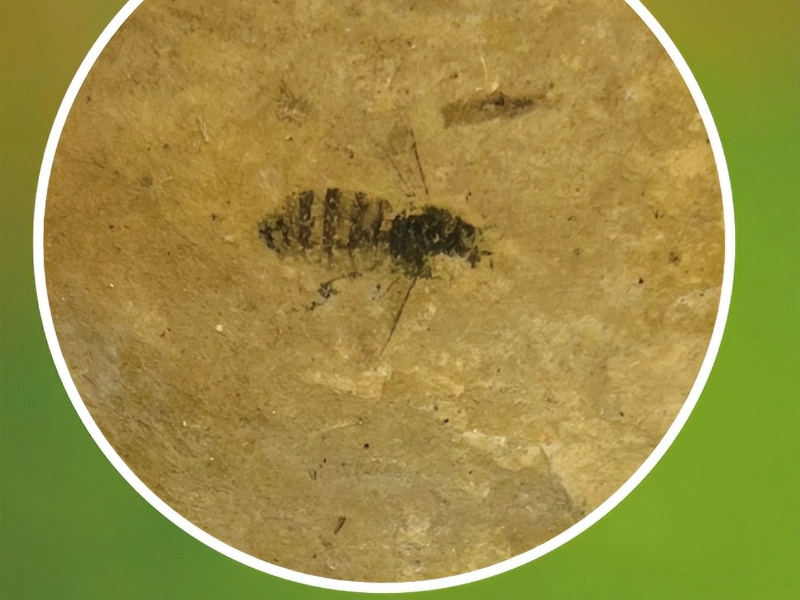
Bees have survived multiple significant climate events over their evolutionary history, including times of global warming and cooling, according the fossil record. Bee populations changed significantly in both distribution and variety during these times. For instance, some bee species expanded their ranges northward during historical warming times while others evolved to fit their current surroundings.
About 56 million years ago, the Paleocene-Eocene Thermal Maximum (PETM) was one of the most important environmental occurrences in bee evolutionary history. Many plant and animal species either vanished or underwent significant evolutionary changes during this fast global warming era. Though with some turnover in species, the bee fossil record from this period reveals changes in species composition and shape, implying that bees were able to adapt to the evolving temperature.
Still, the rate of current climate change presents special difficulties. Although bees have always been able to adjust to slow variations in temperature, the fast speed of contemporary global warming may surpass their ability for adaptability. Further human-induced stresses include habitat loss and pesticide use, which may restrict bees’ capacity to adapt to climate change, compound this.
Researching past bee reactions to climate change can guide conservation plans. For example, knowing how different bee species changed their ranges in response to past warming may help one forecast future range changes and locate possible refuges. Likewise, understanding of how bee-plant interactions altered throughout historical climate events might direct attempts to preserve these vital interactions in the face of present environmental changes.
The evolutionary background of bees emphasises even more the need of preserving genetic variation among bee populations. Greater genetic variety populations are more likely to have individuals with features that might be beneficial under current climate conditions. Therefore, conservation initiatives emphasising the preservation of genetic variety could raise bee populations’ resistance against climate change.
 zi ang