
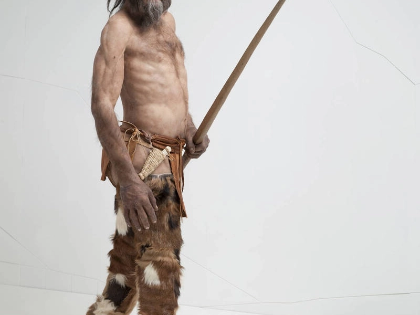
5. Ötzi’s Last Meal and Diet
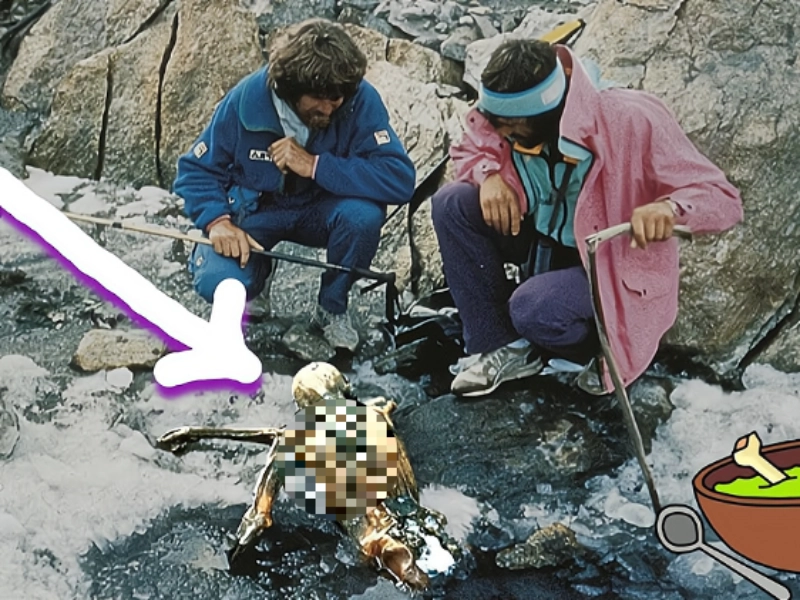
Ötzi’s body was remarkably preserved, including the contents of his stomach, giving scientists a rare chance to examine the nutrition of a Copper Age person straight forwardly. Examining his last supper has provided priceless new perspectives on the eating customs and food supplies accessible to Alpine residents more than 5,000 years ago. This material has improved our knowledge of prehistoric nutrition as well as clarified hunting methods and farming methods of the day.
Consumed over twelve hours before his death, Ötzi’s last dinner combined plant and animal items. The main element was einkorn wheat, an ancient crop among the first to be domesticated. This implies that agriculture was established in the area as the diet consisted mostly on produced foods. Apart from the einkorn, there were indications of various grains and seeds like barley and flax. Given that flax might have been utilised for clothing’s linen fibres as well as for sustenance, its presence is very intriguing.
Apart from the plant-based cuisine, Ötzi’s last dinner consisted on meat from two distinct sources. There were traces of wild mountain goat species, ibex, suggesting that hunting remained a major source of protein. Unbelievably, investigators also discovered red deer flesh in his stomach. These two kinds of meat imply that Ötzi was adept in hunting several animal species and had access to a varied diet.
Additional study of Ötzi’s hair and digestive contents revealed a more complete picture of his long-term eating patterns. Traces of pollen discovered in his intestines suggested that he had been in a mid-altitude conifer forest just before his death and had formerly visited a lower-altitude deciduous woodland. This helps to explain Ötzi’s seasonal migration—that is, his movement between several ecological zones to obtain varied food supplies all year long.
By use of isotope study of Ötzi’s hair and bones, further understanding of his food patterns over the months and years before death was provided. According to the findings, he had a mostly vegetarian diet; meat intake rose in the run-up to his death. This could point to seasonal fluctuations in food supply or changes in his circumstances causing more reliance on hunting.
The analysis of Ötzi’s diet has more general consequences for our knowledge of Copper Age diet and health. The wide variety of foods eaten—including grains, meat, and maybe fruits and vegetables—suggests a well-balanced diet that supplied necessary minerals. Given his time, Ötzi’s rather lengthy life span most certainly resulted from this balanced diet. Furthermore, the evidence of prepared meals in his stomach contents suggests that Copper Age people had created cooking methods perhaps enhancing food safety and digestibility.