
4. Ötzi’s Clothing and Equipment
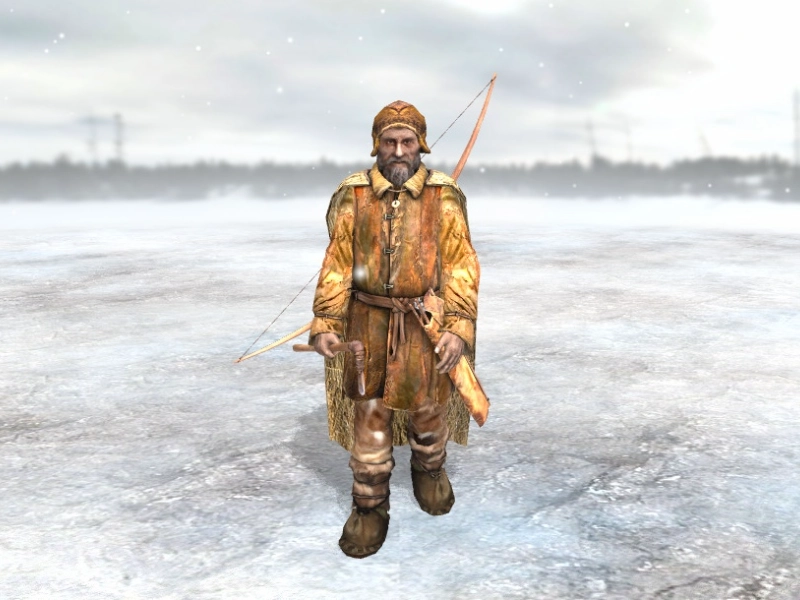
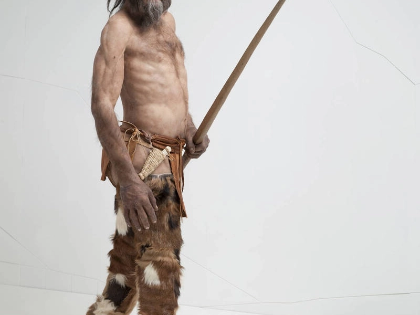
The extraordinary preservation of Ötzi’s tools and clothes has given researchers an unparalleled view of Copper Age European material culture. His clothing displayed the refined abilities of prehistoric crafters by being both practical and beautifully constructed. Ötzi’s clothes comprised in a range of animal hides and plant-based fabrics, each selected for their particular qualities and fit for the hard Alpine surroundings.
A goat hide strip jacket sewed together with animal sinew covered Ötzi’s upper body. Crucially for life on the rugged environment, its design permitted flexibility and insulation. He had goat skin leggings on his lower body and extremely interesting shoes. Built from bearskin soles, deer hide uppers, and packed with grass for insulation, these shoes reflected a comprehensive knowledge of footwear design fit for negotiating both rugged terrain and snow-covered environments.
Ötzi, on his head, wore a bearskin cap with a leather chin strap to shield from the weather. The finding of this headgear was especially important since it provided understanding of how Copper Age people shielded themselves from difficult Alpine environment. Complementing his clothing was a braided grass cape, probably a flexible outer layer offering more warmth and water resistance.
Equally remarkable and varied, Ötzi’s tools reflected the spectrum of knowledge required for survival in his day. Comprising a yew handle and leather straps, his most famous possession was a copper axe. With its cast copper head, this axe represented technological progress and status since copper smelting was still a quite new and desirable ability in the Copper Age. This instrument implies that Ötzi would have been rather important in his society.
Apart from the axe, Ötzi carried a flint knife with an ash handle, a bow constructed of yew, and a quiver of arrows with flint heads and feather fletching. These weapons suggest that his way of life probably included hunting in significant measure. Along with a range of lesser tools, he had a bone awl for leatherworking, a retoucheur—a tool used to sharpen flint blades—and birch bark containers maybe used to hold embers for fire-starting
Among the most fascinating objects discovered alongside Ötzi was an elaborate fire-starting gear. This showed a comprehensive awareness of fire-making methods by including flint for generating sparks and tinder fungus. Together with the other tools and weapons, this kit creates a picture of a well-prepared person, adept in several facets of prehistoric survival.