
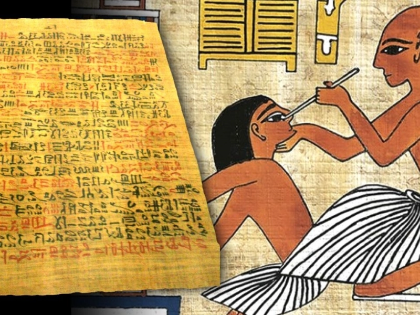
7. Ongoing Research and Future Discoveries
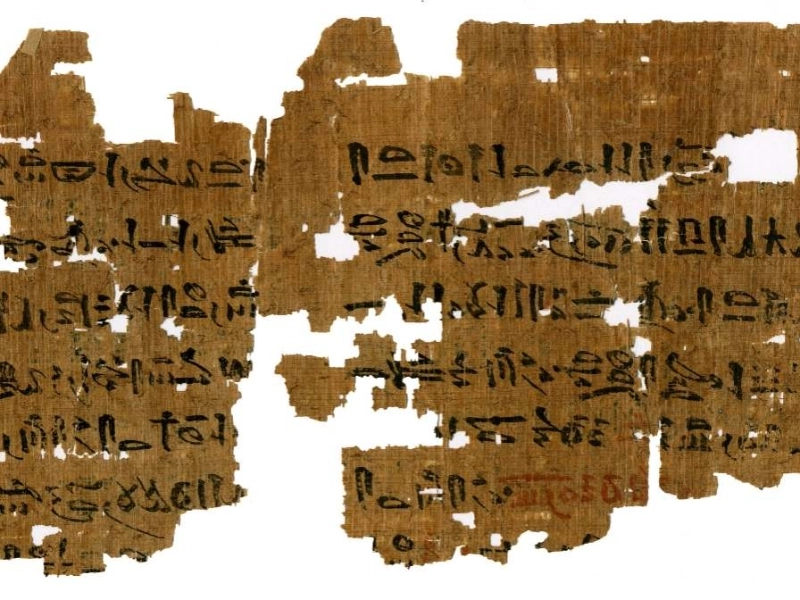
Research on ancient Egyptian medical knowledge is still vibrant and fresh interpretations and findings are regularly arising. While archaeological digs keep revealing fresh items that highlight this intriguing feature of ancient Egyptian civilisation, as technology develops scholars are able to extract more information from already-existing papyri and artefacts.
Using cutting-edge imaging technologies to examine papyri is one of the most fascinating fields of current study. For instance, multispectral imaging lets scientists decipher manuscripts that have faded or been damaged with time. Deciphering previously unreadable portions of the Edwin Smith Papyrus has proved especially helpful using this method. Researchers revealed fresh information in the papyrus in 2015 using multispectral imaging, including hitherto invisible text and corrections made by ancient scribes. These findings shed important light on the evolution of medical knowledge in ancient Egypt as well as the method of record-keeping and dissemination of this knowledge.
Chemical study of ancient Egyptian medications is yet another exciting field of enquiry. Scientists can pinpoint the particular chemicals used in Egyptian treatments by analysing the residues left in historic pots and other containers. This study not only clarifies the effectiveness of traditional remedies but also has the possibility to find fresh therapeutic molecules. Recent research, for instance, have revealed that ancient Egyptian treatments had antibacterial qualities that would help fight contemporary antibiotic-resistant bacteria.
New revelations made by archaeologists help us to better grasp ancient Egyptian medicine. Discovered next to the Saqqara necropolis in 2019, the remnants of a 4,000-year-old medical centre This discovery offers fresh understanding of how healthcare was administered in ancient Egypt and physical proof of the medical procedures recorded in the papyri. Further attesting to the sophisticated degree of Egyptian medicine, the centre included surgical tools, medicinal devices, and even evidence of early types of anaesthesia.
Research of ancient Egyptian medicine is benefiting from ever more significant involvement of multidisciplinary cooperation. Working collaboratively with chemists, botanists, doctors, and specialists in other disciplines, Egyptologists are learning more about ancient medical practices. This cooperative approach evaluates the medical papyri and artefacts’ relevance to modern medicine as well as their more nuanced interpretation in their historical and cultural context.
Still another area of increasing interest is the study of ancient Egyptian medical ethics. Scholars are looking at the papyri for understanding of the moral standards guiding Egyptian doctors. Often credited to the Greek physician Hippocrates, the idea of “do no harm” seems to have origins in Egyptian medical theory. For example, the Edwin Smith Papyrus suggests an early kind of medical triage and an awareness of the limitations of medical intervention, hence advising against trying to treat some severe injuries.
Furthermore offering fresh understanding of ancient Egyptian medicine and health issues are genetic studies. Analysing DNA taken from mummies allows scientists to find genetic disorders and predispositions impacting the population of ancient Egypt. This material clarifies the medical procedures mentioned in the papyri and offers a more whole picture of the health problems this ancient society faced.
Research will probably reveal even unexpected shocks on the medical expertise of the ancient Egyptians. Every fresh finding has the power to disprove our presumptions about the evolution of medical knowledge and offer insightful analysis that might guide current medical procedures. The continuous research of ancient Egyptian medicine reminds us greatly of the creativity of our predecessors and the continuing value of their findings.
Ultimately, both the public and experts still find great fascination in the riddle of papyrus and the remarkable medical expertise of the ancient Egypt. From the sophisticated knowledge of anatomy exposed in the Edwin Smith Papyrus to the complete pharmacopoeia of the Ebers Papyrus, the medical achievements of this ancient civilisation never cease to astoundingly show. Deeper respect for the achievements of the past as well as insightful analysis that can influence the direction of medicine will follow from our ongoing unravelling of the secrets kept in these old books. Preserved for millennia on delicate papyrus scrolls, ancient Egyptian medicine is evidence of the continuing force of human curiosity and the universal search for knowledge and cure.