
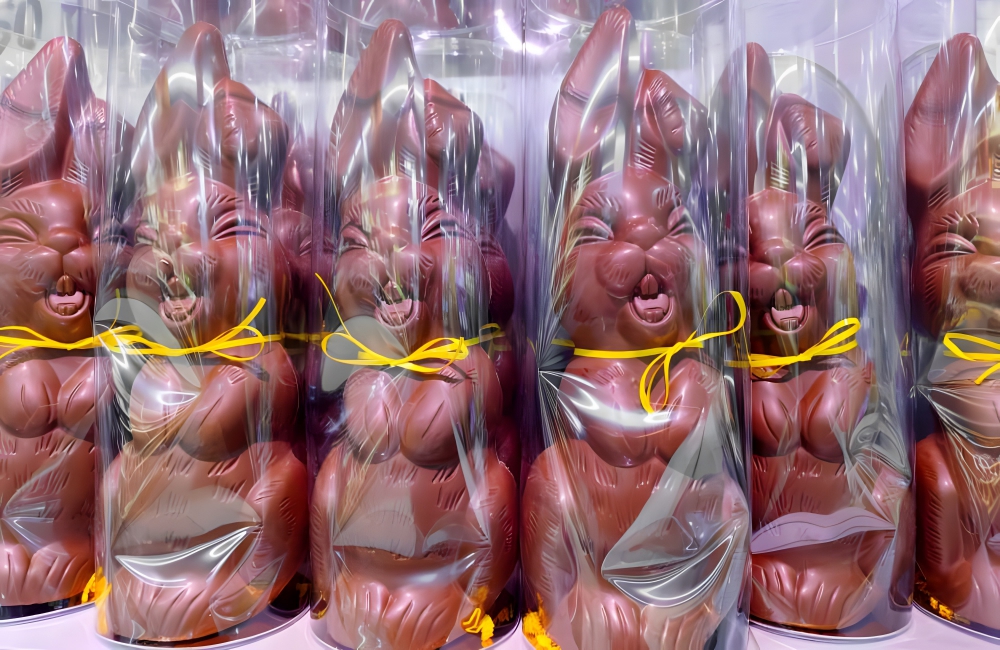
Giant Easter Bunnies ©Jeffrey/stock.adobe.com
We live in a big world, and it is full of wacky, weird, unique, and amazing things. That goes double for holiday traditions, as every country chooses to celebrate their beloved holidays differently. For some, Christmas is the ultimate celebration, whereas others choose New Year’s or Halloween as a way to showcase their country’s spirit.
This list contains some of the most unique, strangest traditions around the world. These holiday traditions are hilarious, confusing, and beautiful, all at the same time. They’re a great reminder of how diverse things are, just a country border away.
1. Krampus
Where: Germany
Cost: $61.5 million* (What Krampus Made At The Box Office in 2015)
A half-goat, half-demon monster? Sign us up. That sounds like the perfect way to celebrate the Advent Season. This tradition is known as Krampus, and this horned, anthropomorphic terrifier punishes kids who have misbehaved around Christmastime. He’s St. Nick’s devilish companion, and he means business.
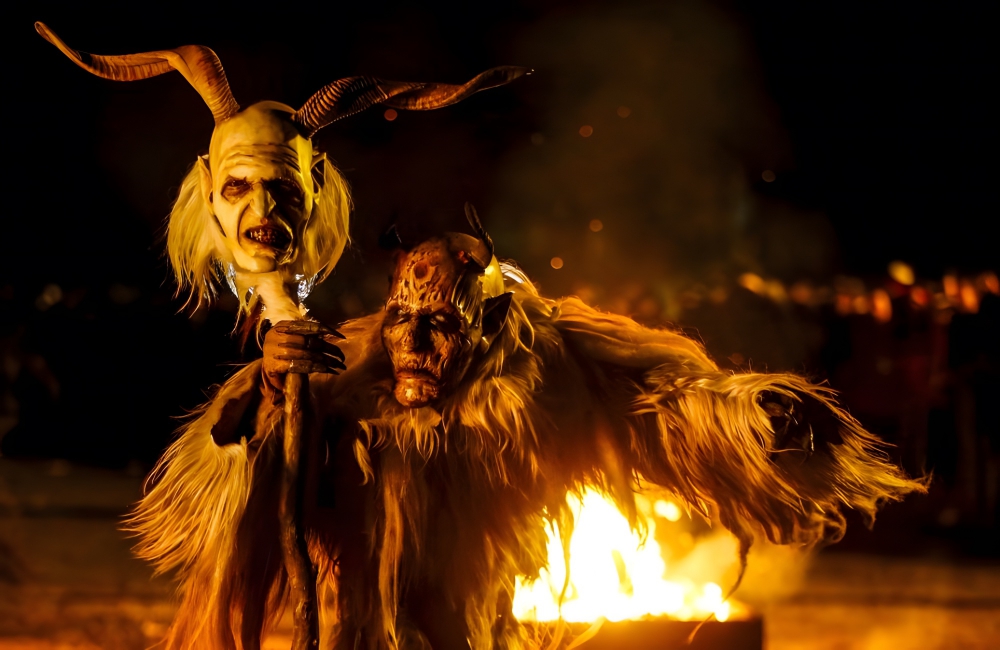
Krampus @cinemascomics/Pinterest
Krampus has a wide range of punishments for kids who haven’t behaved themselves, starting with being whipped with branch birches and ending with getting sent to Hell and eaten. In 2015, a Universal movie starring this hideous rule enforcer was released, and it made over $60 million at the box office.
2. Kentucky Fried Chicken Christmas
Where: Japan
Cost: $5-$10 for a full meal*
Want to go to Japan for Christmas? You better make sure you’re a fan of Kentucky Fried Chicken, as the brand is a holiday tradition over there. KFC is a national phenomenon over there, and around 3.6 million people in Japan eat KFC at Christmas.
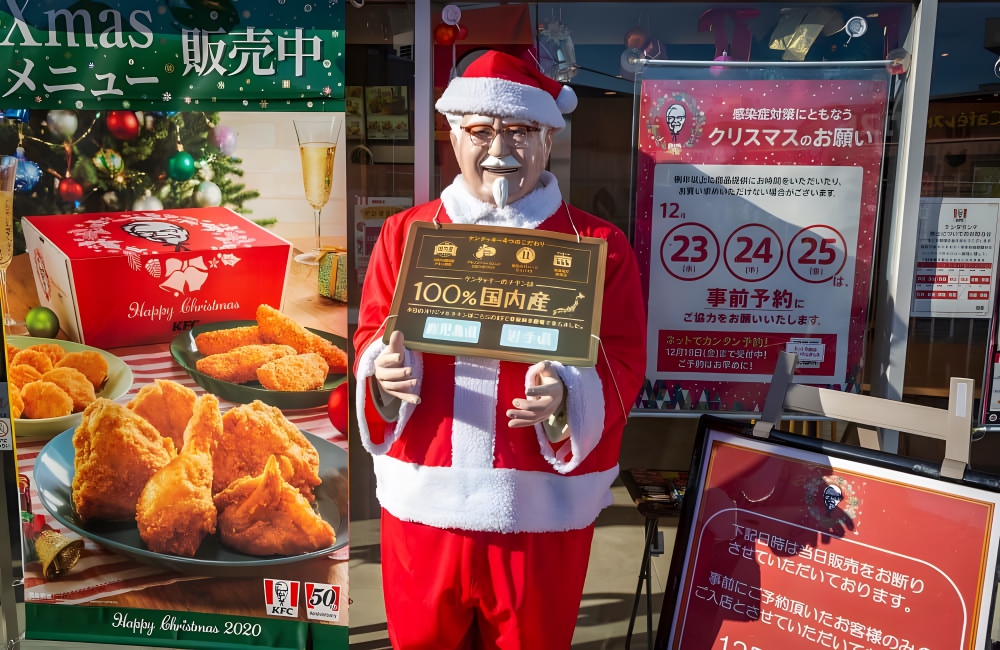
Kentucky Fried Chicken Christmas ©Yuichi Yamazaki/Getty Images
The story goes that KFC started this campaign to synonymize itself with Christmas in the ‘70s, so as to tempt both tourists and expats with chicken, as they couldn’t find a turkey to roast. This campaign worked extremely well, and it became very popular with locals especially.
3. The Christmas Spider
Where: Germany, Poland, Ukraine
Cost: $2-$8 for the decor*
You can find this tradition in Ukraine, Germany, and Poland, as, in those countries, finding a spider or its web on your Christmas tree is “good luck.” Therefore, people there make small cobweb decorations to hang on their trees to honor the spider.
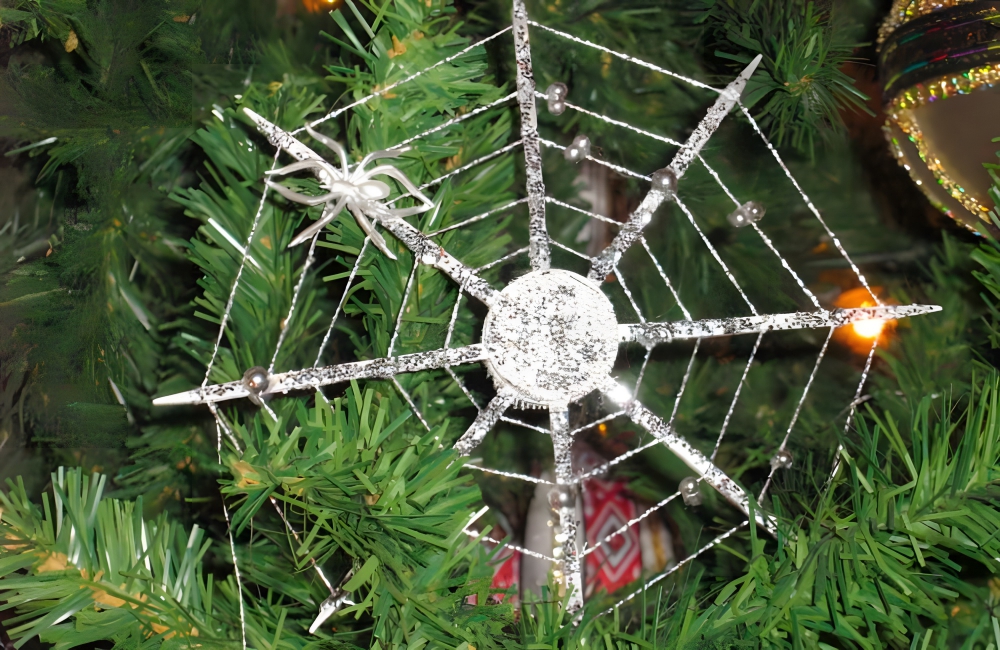
The Christmas Spider ©Erika Smith/Wikimedia
In Ukraine, these pavuchky decorations are made from paper and wire (which means that, if you want to engage in this tradition, all you have to do is hit up Dollar Tree in the States). Though many households shoo away spiders, these Eastern European homes roll out the red carpet for them at Christmastime.
4. Night of the Radishes
Where: Mexico
Cost: $0 to attend*
This event is held yearly in Oaxaca, Mexico on December 23rd. The Night of the Radishes begins in the morning, and it starts with artists carving sculptures from giant radishes. These sculptures, created in various scenes, then compete for prizes in different categories.
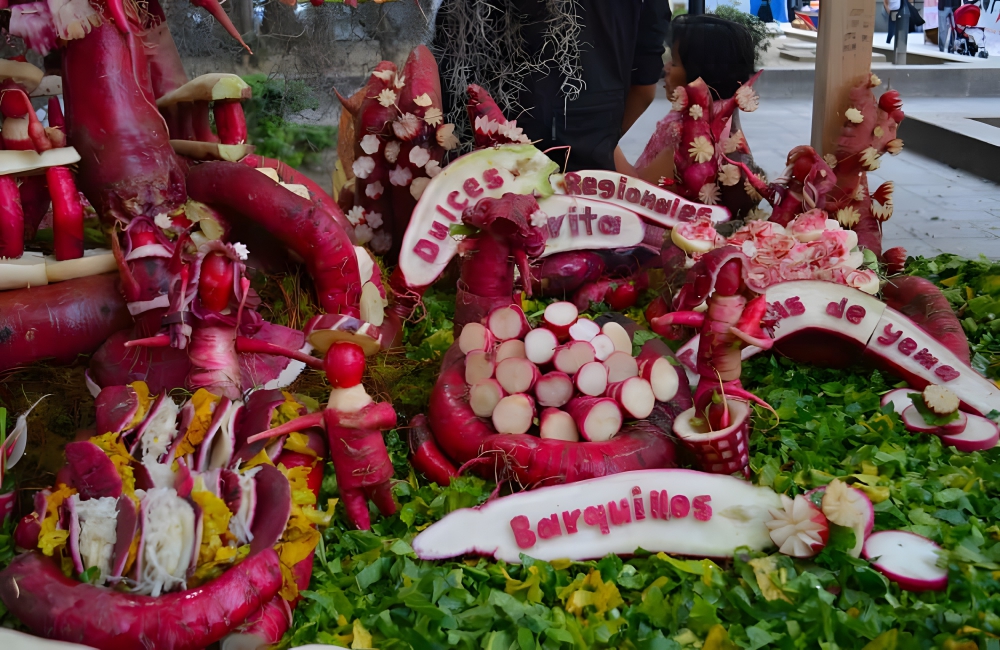
Night of the Radishes ©AlejandroLinaresGarcia/Wikimedia
The event began in the colonial period when the Spanish introduced radishes to the region. The carving tradition began as a way to draw customers’ attention at a Christmas market, and it evolved into its own, massive event.
5. Mari Lwyd, A Welsh Ritual
Where: Wales
Cost: $325 for a real horse skull on the Internet*
This tradition was very popular in Southern Wales during the 1800s, and some people there still celebrate it today. The tradition is known as The Mari Lwyd, and it involves a real, giant horse’s skull decorated with rosettes, ribbons, and bottle eyes.
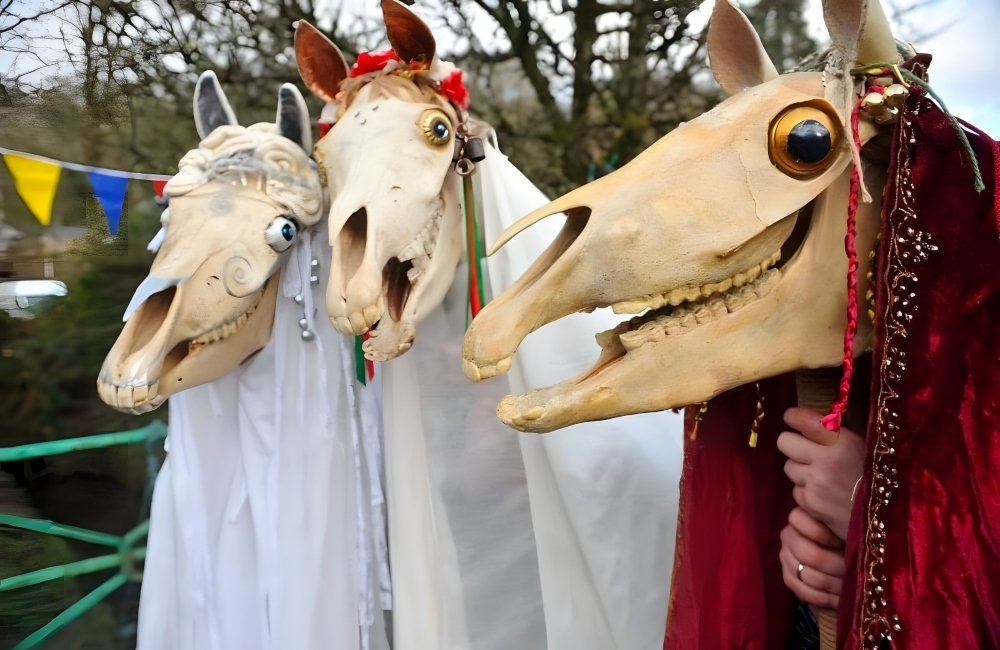
Mari Lwyd, A Welsh Ritual @Celebration On Air/Facebook
So, not exactly a decorative piece you could find at Walmart. The horse skull is paraded around in mid-winter on a stick, and the carrier challenges their neighbors for drink and food. The skull sings, exchanges rude rhymes, and, in general, has a very good time running amok with its carrier in small Welsh towns.
6. Norway Hides Its Brooms
Where: Norway
Cost: Your broom, if you don’t hide it
After dinner on Christmas Eve, if you’re in Norway, there is something very important you have to do before you go to sleep. You have to hide any broom in your house, so as to protect it from witches.
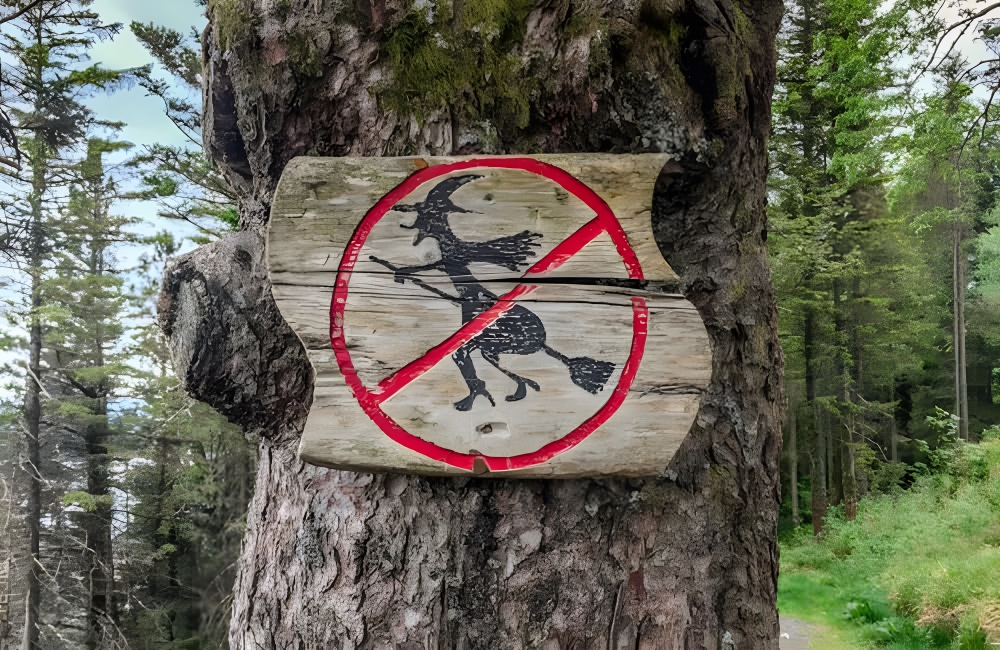
Norway Hides Its Brooms @reviewwales/Twitter
This pagan belief states that evil witches come out on Christmas Eve to steal peoples’ brooms and fly away on them. Should they get one of your brooms, these undead witches will cause destruction and chaos until dawn. To thwart their evil plans, you can’t give them any transportation.
7. La Befana
Where: Italy
Cost: $20-$40 for a handmade Befana doll*
La Befana is a part of old Italian folklore. This benevolent old witch delivers presents to children in Italy during Epiphany Eve (so, similar to Santa Claus). La Befana is portrayed as ugly, as she represents the end of the year, and one of her major symbols is the broom.
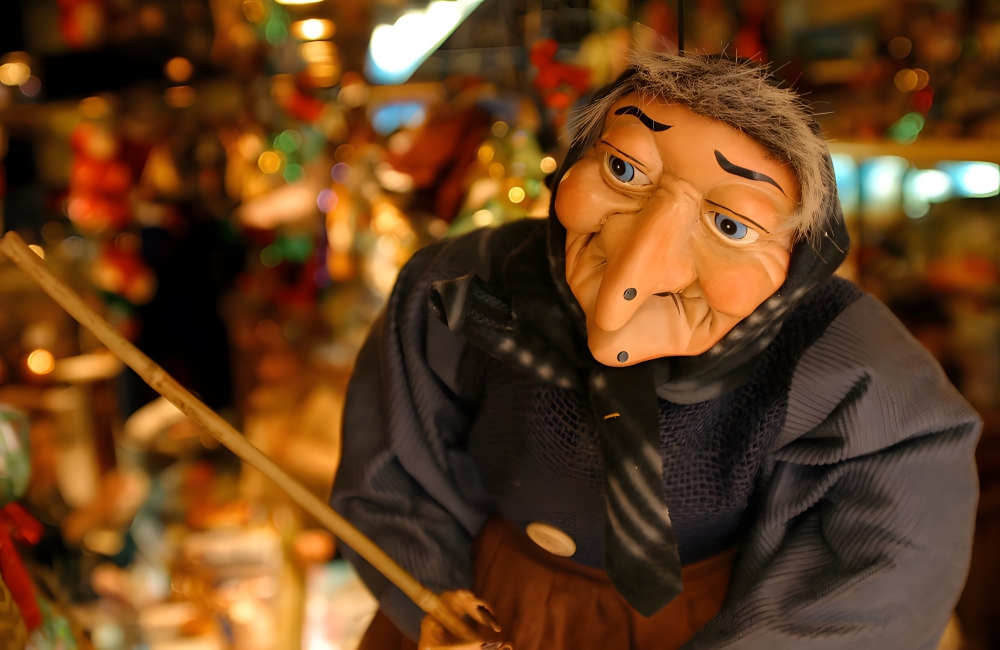
La Befana ©Massimo Todaro/Shutterstock
La Befana uses her broom to clear away old, past things, leaving room for new ones. In Tuscany, after La Befana has brought her gifts (or coal, if you’re bad), you burn a La Befana doll to symbolize the year concluding.
8. The Caganer In Catalonia
Where: France, Italy, Spain, Portugal
Cost: $40-$50 for a handmade Caganer on Etsy*
This offensive, hilarious figurine is known as the Caganer. No, your eyes are not deceiving you, this figurine is in the middle of going to the bathroom—his name literally means “The Pooper” in Catalonian. This peasant figurine has a nasty habit of appearing in Nativity Scenes.
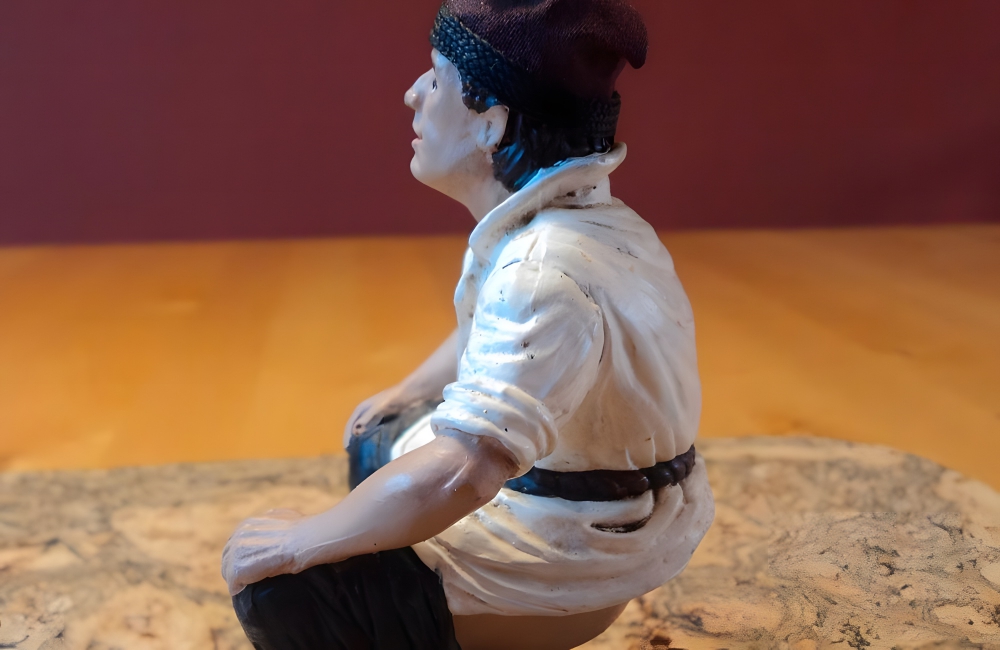
The Caganer In Catalonia ©Roeland P./Wikimedia
You can find him in Spain, Portugal, and Southern Italy, and he’s been a menace since the 1700s. If The Pooper is found in the Nativity Scene, he has to be removed, though he, like Elf on the Shelf, has a nasty habit of always popping back up to wreak havoc.
9. Sweden’s Yule Goat
Where: Sweden
Cost: $8,942 to build the Gavle Goat in 2005*
Throughout towns and cities in Sweden, there is a very important Christmastime tradition involving gigantic goat statues. The Yule Goat, as it’s known, symbolizes an invisible spirit who pops up at Christmastime to ensure holiday preparations are done properly.
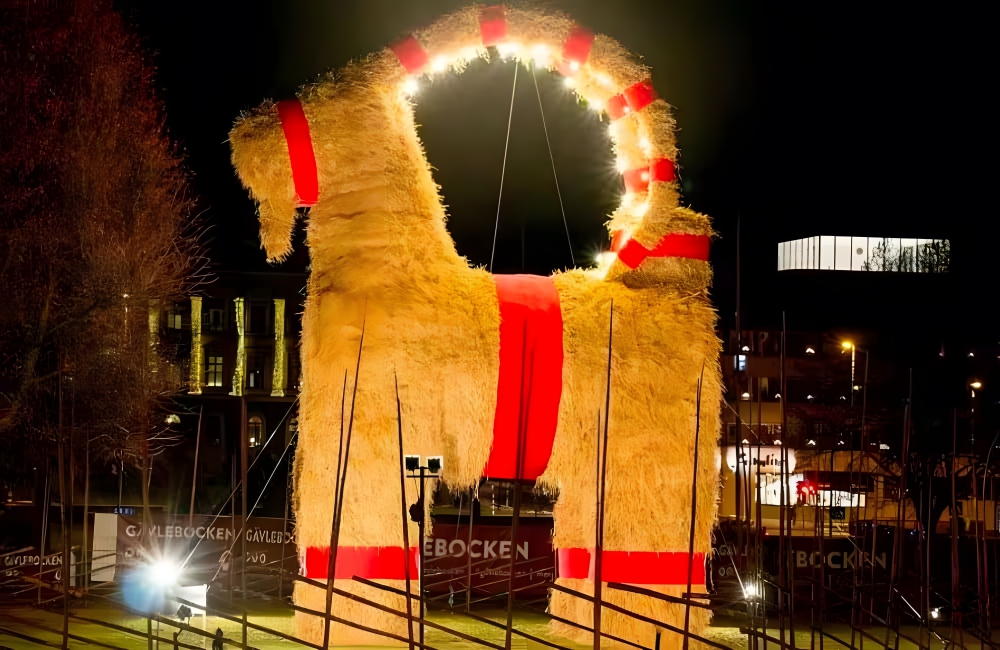
Sweden’s Yule Goat @cbc/Pinterest
The Yule Goat is also a gift-giver, too, so he’s not all about order. It is tradition to burn this goat at the beginning of the holiday season, just to see if it will make it to Christmas. For example, the Gavle Goat, one of Sweden’s most famous Yule Goats, gets burned just about every year, even though it’s near a fire station and surrounded by security.
10. Beach Parties At Christmas
Where: Australia
Cost: $0 to attend, usually*
A lot of us are bundled up in our houses at Christmastime, but not Australians! On Christmas Day, our friends Down Under love to throw wild beach celebrations to celebrate the holiday. They enjoy picnics, swimming, and Christmas trees on the sand.
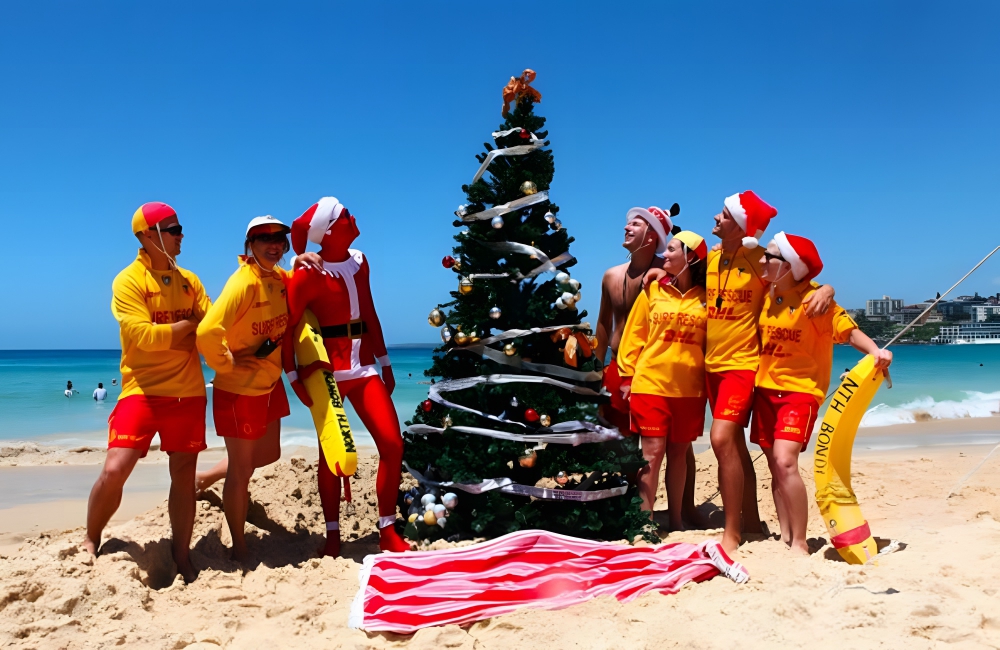
Beach Parties At Christmas @bodleianlibs/Pinterest
Aussies also celebrate Christmas by enjoying dinner and lunch with their friends and family, and fresh seafood is often on the menu. If you’re near a beach and have warm weather, why not celebrate the happiest time of the year there?